
Leg exercises for seniors: squats, step-ups and machines
Published October 29, 2026
The best leg exercises for seniors are the squat to a chair, step-ups and the leg press for the front of the thighs and glutes, the dumbbell Romanian deadlift and leg curl for the hamstrings, calf raises for the ankles, and side leg raises for the outer hip. Train legs two or three days a week with 2 to 3 sets of 8 to 15 reps, and stop each set with 2 or 3 reps left. Hold a counter or rail whenever balance is the limit, and add weight as soon as the reps come easily: that is how leg muscle comes back at 70 and beyond.
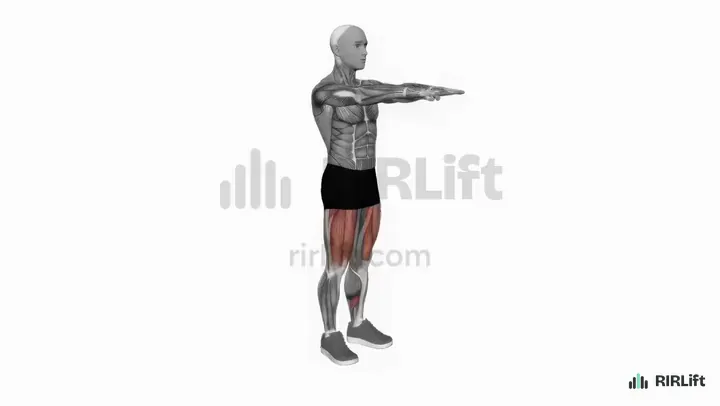
- Bodyweight Squat Quads
- Step-Up Quads, Glutes
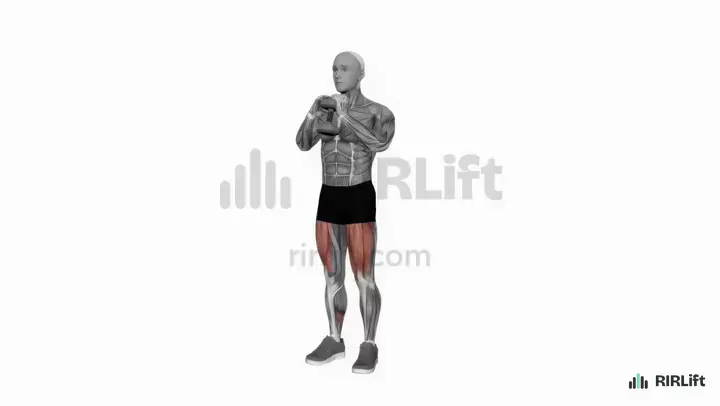
- Goblet Squat Quads, Glutes
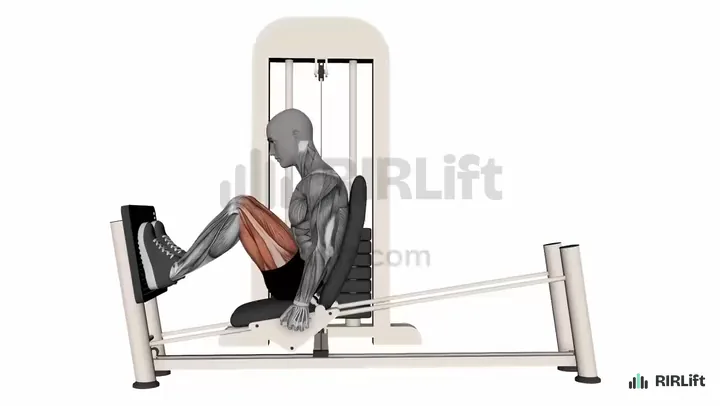
- Leg Press Quads, Glutes
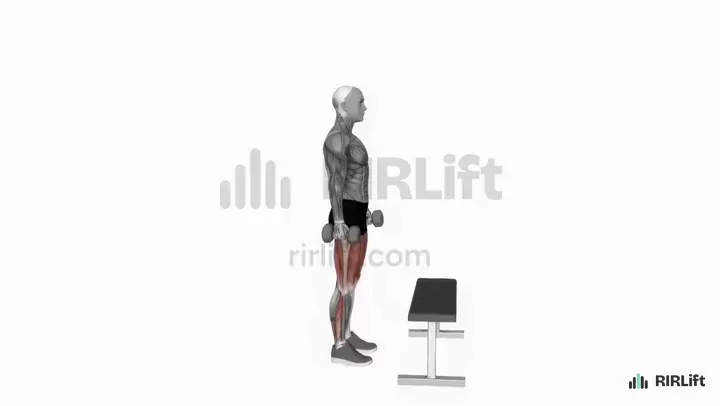
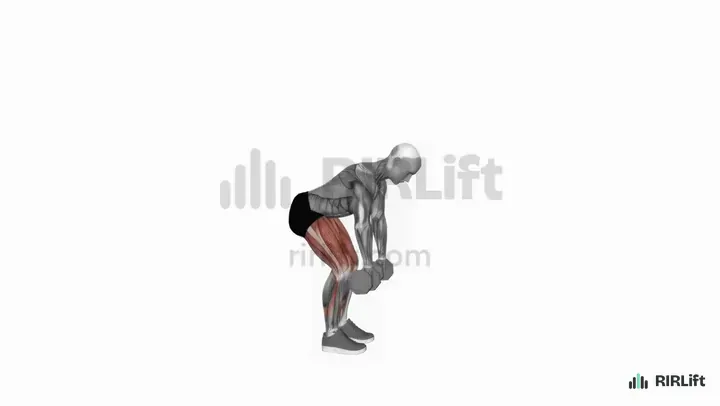
- Dumbbell Romanian Deadlift Hamstrings, Glutes
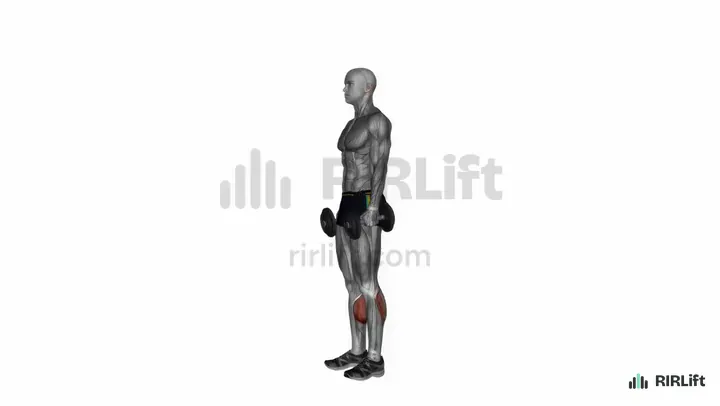
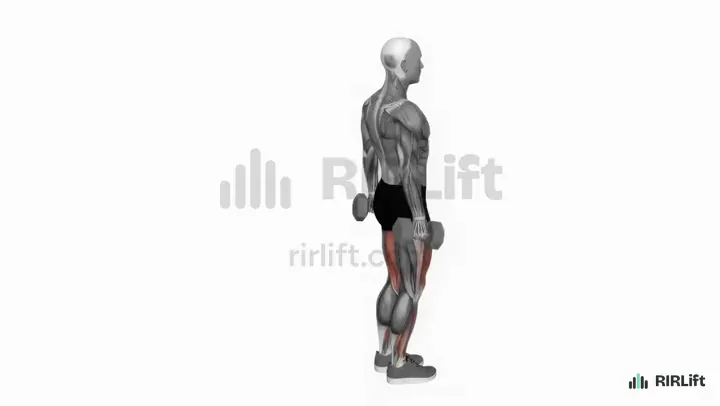
- Dumbbell Standing Calf Raise Calves
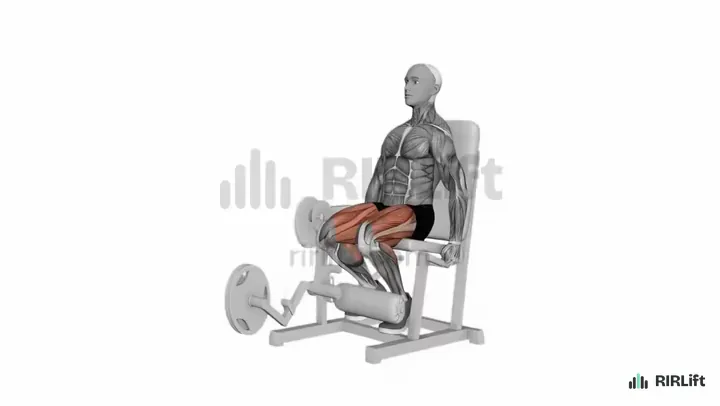
- Leg Extension Quads
- Dumbbell Reverse Lunge Quads, Glutes
Put them together: example sessions
Each session below picks from the exercises above for one situation, with the sets, reps, rest and RIR filled in.
-
Session 1
Starting at home with a chair and light dumbbells
You are new to strength training, you work out at home, and standing up from a low chair or climbing stairs has started to feel harder.
2× a week · 18 sets a week · ~20 min
-
Session 2
Gym with machines, two days
You have access to a gym and want the most leg strength for your time, with machines doing the balancing while you get stronger.
2× a week · 23 sets a week · ~30 min
-
Session 3
Over 75 or worried about balance
You are in your mid-70s or older, or you have had a fall or near fall, and you want to get your sit-to-stand and walking strength back with every exercise supported.
3× a week · 27 sets a week · ~20 min
Session 1
Starting at home with a chair and light dumbbells
- Workouts2× a week
- Working sets18 a week
- Per workout~20 min
- EquipmentDumbbells, Flat Bench, Resistance Bands
You are new to strength training, you work out at home, and standing up from a low chair or climbing stairs has started to feel harder.
Two short sessions give the thighs and glutes about 9 sets a week and the hamstrings, calves and outer hips 2 to 4 each. That is enough to build leg strength from a low starting point while every set ends with 2 to 3 reps to spare, so you are not stiff the next day.
| Exercise | Sets × reps | RIR | Rest |
|---|---|---|---|
| Bodyweight SquatSit down to a chair and stand back up. | 3 × 8–12 | 3 | 90 s |
| Step-UpPer leg. Low step, hand on a rail. | 2 × 6–10 | 3 | 90 s |
| Dumbbell Standing Calf Raise | 2 × 10–15 | 2 | 1 min |
| Standing Side Leg RaisePer leg. | 2 × 10–12 | 2 | 1 min |
| Exercise | Sets × reps | RIR | Rest |
|---|---|---|---|
| Dumbbell Romanian Deadlift1 warm-up set first | 3 × 8–12 | 3 | 90 s |
| Band Leg CurlPer leg. | 2 × 10–15 | 2 | 1 min |
| Wall SitSeconds per hold. | 2 × 15–30 | 2 | 90 s |
| Dumbbell Reverse LungePer leg. No weight and a hand on a wall to start. | 2 × 6–10 | 3 | 90 s |
- How to run it
- Do Day A and Day B on two days a week with at least one rest day between, such as Tuesday and Friday. Set a sturdy chair against a wall for the squats and stand next to a counter for everything else.
- How to progress
- Use double progression: once every set reaches the top of the rep range with 2 to 3 reps still in reserve, make it harder next time. Lower the chair, step on a higher step, add 2 to 5 pounds of dumbbell, or add 5 seconds to the wall sit.
Session 2
Gym with machines, two days
- Workouts2× a week
- Working sets23 a week
- Per workout~30 min
- EquipmentLeg Press, Seated Leg Curl, Leg Extension, Dumbbells +1
You have access to a gym and want the most leg strength for your time, with machines doing the balancing while you get stronger.
Machines take balance out of the set, so you can work closer to your limit; each day has 11 to 12 working sets and the thighs get about 12 sets a week, with 6 for the hamstrings. The free-weight squat and hinge on Day 2 keep the balance and coordination that machines leave out.
| Exercise | Sets × reps | RIR | Rest |
|---|---|---|---|
| Leg Press2 warm-up sets first | 3 × 8–12 | 2 | 2 min |
| Seated Leg Curl | 3 × 10–12 | 2 | 90 s |
| Leg Extension | 3 × 10–15 | 2 | 90 s |
| Dumbbell Standing Calf Raise | 3 × 10–15 | 2 | 1 min |
| Exercise | Sets × reps | RIR | Rest |
|---|---|---|---|
| Goblet Squat1 warm-up set first | 3 × 8–10 | 2 | 2 min |
| Dumbbell Romanian Deadlift | 3 × 8–10 | 2 | 2 min |
| Step-UpPer leg. | 3 × 6–10 | 2 | 90 s |
| Standing Side Leg RaisePer leg. | 2 × 10–15 | 2 | 1 min |
- How to run it
- Train on two days with two or three days between, for example Monday and Thursday. Walk or cycle for 5 minutes first, then do the warm-up sets listed on the first lift.
- How to progress
- Add a rep each session until every set hits the top of the range at 2 reps in reserve, then add the smallest weight step the machine allows, usually 5 to 10 pounds.
Session 3
Over 75 or worried about balance
- Workouts3× a week
- Working sets27 a week
- Per workout~20 min
- EquipmentDumbbells
You are in your mid-70s or older, or you have had a fall or near fall, and you want to get your sit-to-stand and walking strength back with every exercise supported.
Short, frequent practice suits this situation better than long sessions: three days of 9 sets gives each muscle 6 to 9 sets a week at an easy 3 reps in reserve. Every exercise is done next to a chair, counter or wall.
| Exercise | Sets × reps | RIR | Rest |
|---|---|---|---|
| Bodyweight SquatSit down to a chair. Use your hands only if you need them. | 3 × 5–10 | 3 | 90 s |
| Standing Side Leg RaisePer leg. Hold a counter. | 2 × 8–12 | 3 | 1 min |
| Dumbbell Standing Calf RaiseHold a counter; no dumbbell to start. | 2 × 10–15 | 3 | 1 min |
| Wall SitSeconds per hold. Shallow position. | 2 × 10–30 | 3 | 90 s |
- How to run it
- Do the session three days a week, such as Monday, Wednesday and Friday, at a time of day when you feel steady. It takes about 15 minutes.
- How to progress
- First add reps, then remove help: squat to a lower chair, hold the counter with one finger instead of a full hand, then hold a light dumbbell. Add 5 seconds to the wall sit when every hold reaches 30 seconds.
Make it fit you
-
Sore knees
Squat only as deep as feels fine, use a higher chair, and favor the leg press, wall sit and Romanian deadlift. Leave out the lunge until steps feel easy, and keep step-ups on a low step.
-
Can't use your hands to stand
If you still need your hands to get out of the chair, start each squat rep with a push from the armrests and use them less each week. That counts as progress just like adding weight.
-
No weights at home
Fill a backpack with books or water bottles for the squat, Romanian deadlift and calf raise. Weigh it on a bathroom scale so you can log it and add to it.
-
Log reps in reserve
Once a set ends, jot down how many more reps were still in you. RIRLift uses that number to set your next session's weight and reps, so the program gets harder only when you are ready.
-
Walking days
Keep walking on the days between leg sessions. Walking does not replace these exercises, but it does not interfere with them either.
Questions
How can I build leg muscle after 70?
The same way as at any age: lift something heavy enough that the last couple of reps are hard, two or three times a week, and add weight as you get stronger. The plans above start with bodyweight and a chair and add dumbbells or machines from there.
Can elderly people regain leg strength?
Yes. Muscle responds to strength training into your 80s and 90s. Most people notice standing up and climbing stairs getting easier within a few weeks, mostly from better muscle coordination, with muscle size following over the next months.
How do you tone older legs?
Toned legs are legs with more muscle under the skin. Squats, step-ups, Romanian deadlifts and calf raises build that muscle, and how much fat sits on top comes down to your overall eating and activity.
What is the single best leg exercise for seniors?
The squat to a chair, also called the sit-to-stand. It trains your thighs, glutes and balance in the exact movement you use dozens of times a day, and it scales from a high chair to a heavy goblet squat.
How many days a week should seniors do leg exercises?
Two or three days, with at least one day off between sessions. Two days is enough to get stronger; three short sessions work well if balance is the main goal.
Related templates
-
Glute exercises for seniors: stand up, climb and balance
More bridges, hip thrusts and side-lying work for the hips.
-
Hip exercises for seniors: strength in every direction
Hip strength in every direction for walking and balance.
-
Quad exercises for seniors: stronger thighs for chairs, stairs and walking
The front of the thighs in more detail, for standing and stairs.
-
Leg exercises for beginners: machines first, then free weights
The general beginner version when age is not the main concern.
-
The best workout for seniors: strength, power and balance
A full-body program that includes these leg exercises.
-
Double progression
The add-reps-then-weight method these plans use.