
Functional exercises for seniors, matched to the tasks they train
Published October 29, 2026
Functional exercises for seniors train the movements of daily life with added load: chair squats and goblet squats for standing up, step-ups and reverse lunges for stairs and curbs, the kettlebell deadlift for lifting from the floor, the farmer's walk and suitcase carry for carrying bags, incline push-ups, one-arm rows and one-arm presses for pushing, pulling and reaching, and the Turkish get-up for getting off the floor. Do 5 or 6 of them twice a week, 2 to 3 sets of 8 to 12 reps, and add weight as they get easier.
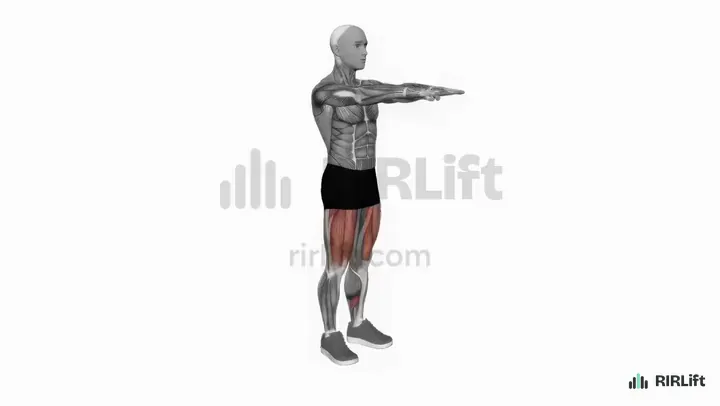
- Bodyweight Squat Quads
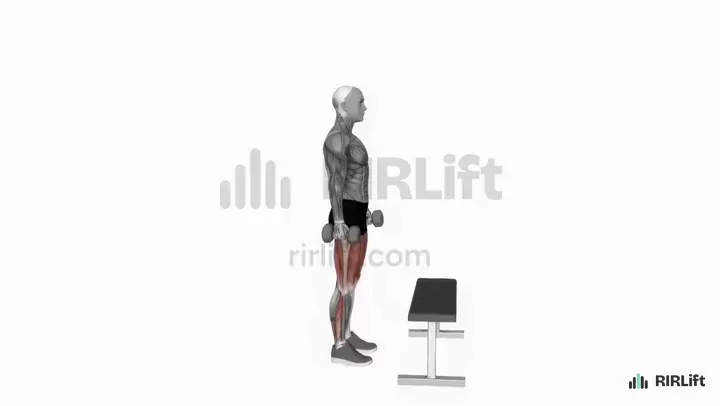
- Step-Up Quads, Glutes
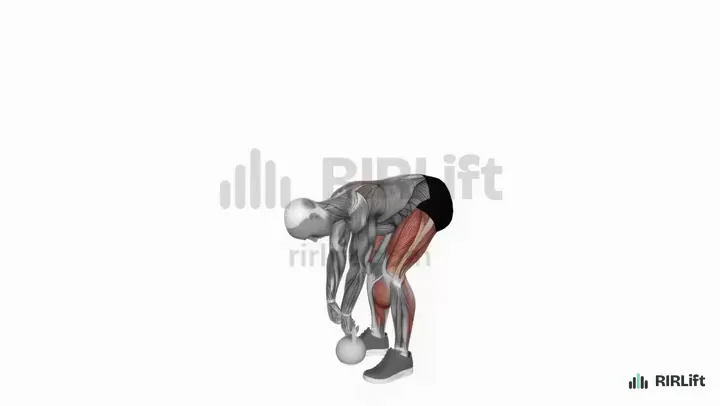
- Kettlebell Deadlift Glutes, Hamstrings, Lower Back
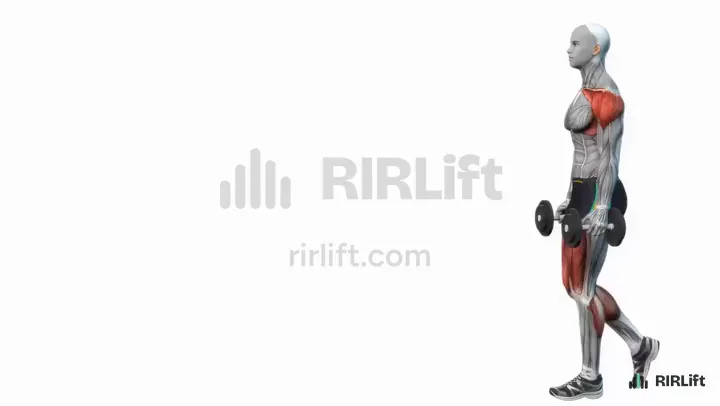
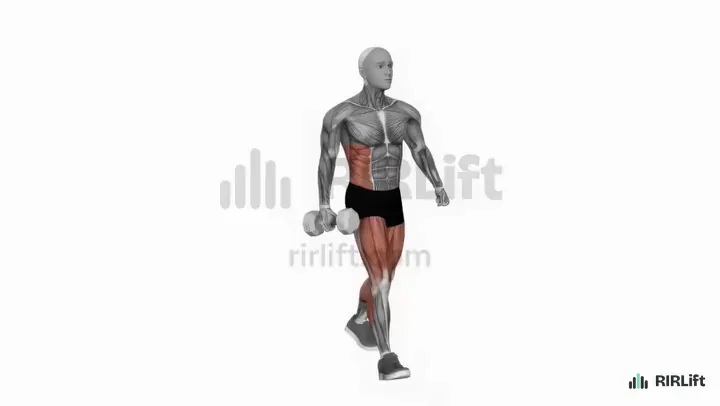
- Farmer's Walk Forearms, Traps, Shoulders
- Dumbbell Suitcase Carry Abs, Quads
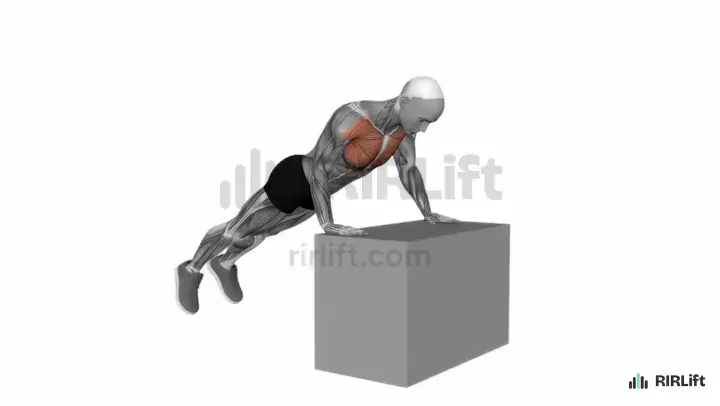
- Incline Push-Up Chest
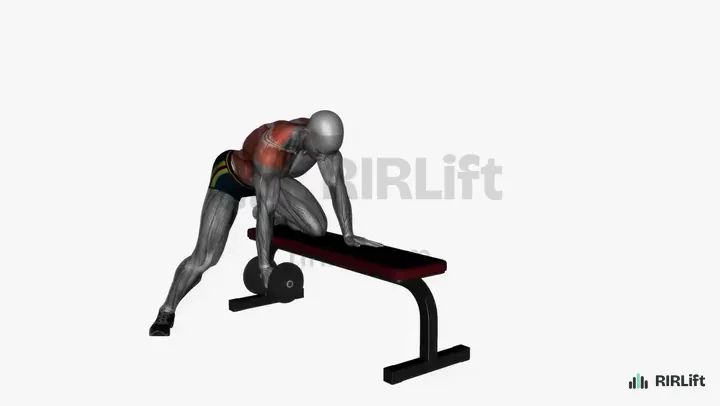
- One-Arm Dumbbell Row Lats, Upper Back
Put them together: example sessions
Each session below picks from the exercises above for one situation, with the sets, reps, rest and RIR filled in.
-
Session 1
At home with dumbbells and a kettlebell
You train at home with a pair of dumbbells, one kettlebell, a sturdy chair and a stair, and you want daily tasks like carrying, stairs and lifting to feel easier.
2× a week · 21 sets a week · ~30 min
-
Session 2
Already active and wanting more capacity
You walk, garden or play pickleball, you can get down to the floor and back up, and you want to stay well ahead of what daily life asks of you.
2× a week · 22 sets a week · ~35 min
-
Session 3
Daily tasks have started to feel hard
Getting out of a low chair, climbing stairs or carrying shopping has become a real effort, and you want to start with movements you can do holding on to something.
3× a week · 24 sets a week · ~20 min
Session 1
At home with dumbbells and a kettlebell
- Workouts2× a week
- Working sets21 a week
- Per workout~30 min
- EquipmentDumbbells, Flat Bench, Kettlebells
You train at home with a pair of dumbbells, one kettlebell, a sturdy chair and a stair, and you want daily tasks like carrying, stairs and lifting to feel easier.
Each day covers a sit-to-stand or lift, a stair exercise, a push or reach, a pull and a carry: 10 to 11 sets in about 30 minutes. Across the two days, each daily task gets its own 2 or 3 sets a week, and the carries alternate between two hands and one. Most sets stop at 2 reps in reserve so you can keep good form while getting stronger.
| Exercise | Sets × reps | RIR | Rest |
|---|---|---|---|
| Goblet Squat1 warm-up set firstSquat to a chair seat. | 2 × 8–12 | 2 | 90 s |
| Step-UpPer leg. Bottom stair, hand on the rail. | 2 × 8–12 | 2 | 90 s |
| Incline Push-UpHands on the kitchen counter. | 2 × 8–15 | 2 | 90 s |
| One-Arm Dumbbell RowPer arm. Free hand on the chair seat. | 2 × 10–12 | 2 | 90 s |
| Dumbbell Suitcase CarryWalk 20 meters per hand. | 2 × 1 | 2 | 90 s |
| Exercise | Sets × reps | RIR | Rest |
|---|---|---|---|
| Kettlebell Deadlift1 warm-up set firstPer arm. Bell beside your leg, flat back. | 3 × 8–12 | 2 | 2 min |
| Reverse LungePer leg. No weight, hand on a counter. | 2 × 6–10 | 3 | 90 s |
| Single-Arm Dumbbell Shoulder PressPer arm. Seated on the chair. | 2 × 8–12 | 2 | 90 s |
| Dumbbell Standing Calf RaiseOn the bottom stair, holding the rail. | 2 × 10–15 | 2 | 1 min |
| Farmer's WalkWalk 30 meters. | 2 × 1 | 2 | 90 s |
- How to run it
- Do Day A and Day B twice a week in total, with at least one day between them.
- How to progress
- Double progression: reach the top of the rep range on every set, then go up one dumbbell or kettlebell size. For the carries, add 10 meters before adding weight.
Session 2
Already active and wanting more capacity
- Workouts2× a week
- Working sets22 a week
- Per workout~35 min
- EquipmentKettlebells, Dumbbells, Flat Bench
You walk, garden or play pickleball, you can get down to the floor and back up, and you want to stay well ahead of what daily life asks of you.
Heavier carries and deadlifts at 3 sets each, plus the Turkish get-up to practice the floor transition under load. 10 to 12 sets per day, twice a week. The load is higher than in the home plan, so the main lifts sit at 1 to 2 reps in reserve with a warm-up set.
| Exercise | Sets × reps | RIR | Rest |
|---|---|---|---|
| Kettlebell Deadlift2 warm-up sets firstPer arm. Heavier bell than last time. | 3 × 6–10 | 2 | 2 min |
| Step-UpPer leg. Dumbbells in both hands. | 3 × 8–12 | 2 | 90 s |
| One-Arm Dumbbell RowPer arm. | 3 × 8–12 | 1 | 90 s |
| Farmer's WalkWalk 40 meters, heavy. | 3 × 1 | 1 | 2 min |
| Exercise | Sets × reps | RIR | Rest |
|---|---|---|---|
| Goblet Squat1 warm-up set firstBelow chair height if comfortable. | 3 × 8–12 | 2 | 2 min |
| Kettlebell Turkish Get-UpPer side. Slow, one step at a time. | 2 × 1–3 | 3 | 2 min |
| Single-Arm Dumbbell Shoulder PressPer arm. | 3 × 8–12 | 2 | 90 s |
| Dumbbell Suitcase CarryWalk 30 meters per hand. | 2 × 1 | 2 | 90 s |
- How to run it
- Do Day A and Day B twice a week on non-consecutive days. Practice the get-up with no weight for a week before using a kettlebell.
- How to progress
- Add weight to the deadlift and goblet squat whenever all sets reach the top of the rep range at 2 reps in reserve. Add 5 pounds per hand to carries when 40 meters feels easy. On the get-up, add weight only when every step is smooth on both sides.
Session 3
Daily tasks have started to feel hard
- Workouts3× a week
- Working sets24 a week
- Per workout~20 min
- EquipmentDumbbells, Flat Bench
Getting out of a low chair, climbing stairs or carrying shopping has become a real effort, and you want to start with movements you can do holding on to something.
Four standing exercises, 2 sets each, three times a week: 8 sets per session, 24 a week. Practicing the same tasks often is what rebuilds confidence in them, and every set stops at 3 reps in reserve so you finish each session feeling capable rather than drained.
| Exercise | Sets × reps | RIR | Rest |
|---|---|---|---|
| Bodyweight SquatTo a firm chair. Hands on the armrests if needed. | 2 × 5–12 | 3 | 90 s |
| Step-UpPer leg. Lowest stair, hold the rail with both hands if you need to. | 2 × 5–10 | 3 | 90 s |
| Incline Push-UpHands on a counter. | 2 × 5–12 | 3 | 90 s |
| Dumbbell Suitcase CarryLight dumbbell, 10 to 20 meters per hand along a hallway. | 2 × 1 | 3 | 90 s |
- How to run it
- Do it three times a week, for example after breakfast on Monday, Wednesday and Friday. Keep a chair or counter beside you for every exercise.
- How to progress
- Add 1 or 2 reps each week. When the chair squat reaches 12 without your hands, hold a light dumbbell; when step-ups feel steady, add a dumbbell in the free hand. After 6 to 8 weeks, move on to the home plan.
Make it fit you
-
Train the task that is hardest for you
If stairs are the problem, do step-ups in every session and add a third set. If carrying is, do a carry every session. Give your weakest task the most practice.
-
You cannot get down to the floor yet
Skip the Turkish get-up for now and do reverse lunges with a hand on a counter, lowering a little further each week. Being able to kneel on one knee and stand back up is the first step toward getting up from the floor.
-
You only have a pair of dumbbells
Hold a dumbbell at your side in place of the kettlebell for the deadlift; it moves the same way. Everything else on this page works with dumbbells and a chair.
-
You walk a lot already
Keep walking. Strength days and walking days do not get in each other's way, and the calf raises and step-ups on this page make longer walks and hills easier.
-
Write down how each set felt
Note how many good reps you had left after each set. If you log in RIRLift, it uses that number to set your next weight, so exercises move up only when you are ready.
Questions
What is functional training for seniors?
Strength training built from the movements of daily life: standing up, climbing, lifting from the floor, carrying, pushing, pulling and reaching. The exercises look like the tasks, with added weight or reps, so the tasks themselves get easier.
What are the 7 functional movements?
Squat, lunge, hinge, push, pull, carry and rotate or brace. On this page: the chair squat, reverse lunge, kettlebell deadlift, incline push-up, one-arm row, farmer's walk and suitcase carry, which trains your trunk to resist leaning.
What is the best exercise for the elderly?
The sit-to-stand, done as a squat to a chair. It trains the legs for a task you do dozens of times a day and that is often the first to feel hard. Add a step-up for stairs and a carry for bags and you have the core of a functional routine.
How often should seniors do functional exercises?
Two or three times a week, on non-consecutive days. Two 30-minute sessions build strength steadily; three shorter ones suit people starting out, because they practice each movement more often.
Are machines functional training?
They build the same muscles, and a leg press makes standing up easier too. But free-weight and bodyweight exercises add balance and coordination, which is why this page uses them. Machines are a good addition, not a replacement.
Related templates
-
Functional exercises: strength for lifting, carrying and turning
The same idea for any age, with heavier options.
-
Full body exercises for seniors: squat, push, pull, lift and carry
A gym-friendly version that includes machines.
-
Standing exercises for seniors: full-body strength with no floor work
When getting down to the floor is not an option.
-
The best workout for seniors: strength, power and balance
Weekly programs with more structure.
-
Double progression
How these plans add reps first, then weight.