
Gymnastics strength training: the exercises and plans that build skills
Published October 24, 2026
Gymnastics strength training is built on strict bodyweight pulling and pushing, straight-arm strength, trunk shapes and fast legs. The best exercises are the pull-up and front lever raise for bars, the dip, pike push-up and handstand hold for support and inversions, the hollow hold, L-sit and hanging leg raise for core compression, and box jumps, Bulgarian split squats and Nordic curls for takeoffs and landings. Two sessions a week at 2 to 3 reps in reserve fit next to full practice; three harder days fit an off-season block.
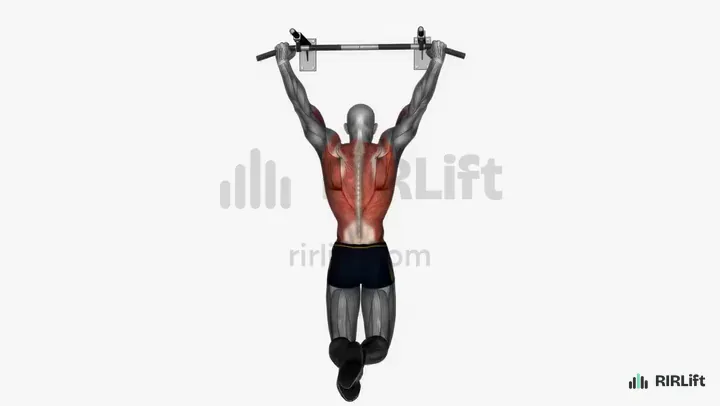
- Pull-Up Lats
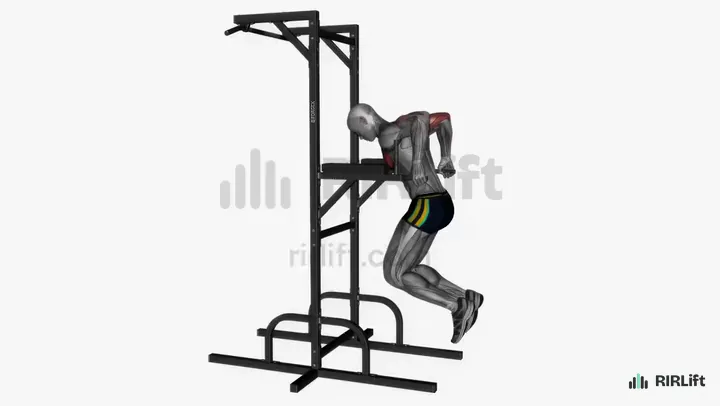
- Chest Dip Chest, Triceps
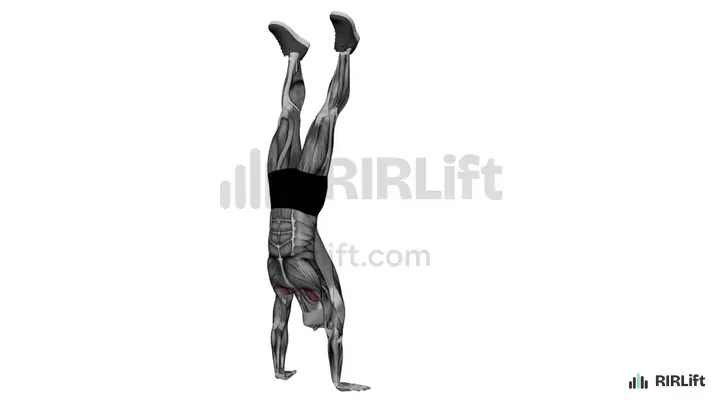
- Handstand Hold Shoulders
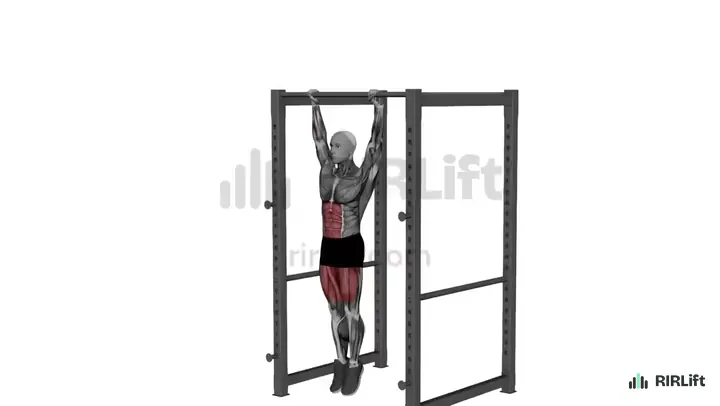
- Front Lever Raise Lats, Abs
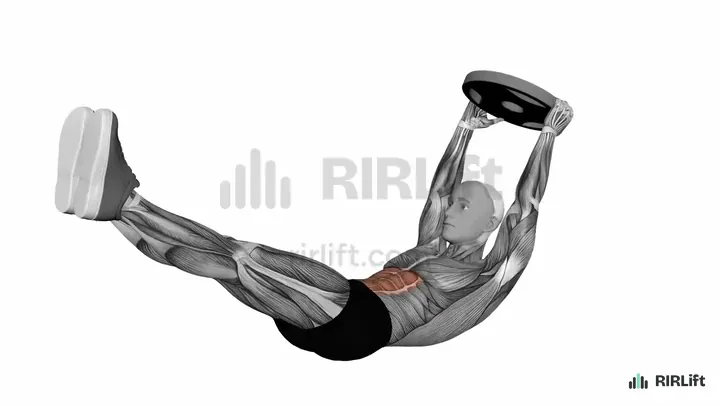
- Plate Hollow Hold Abs
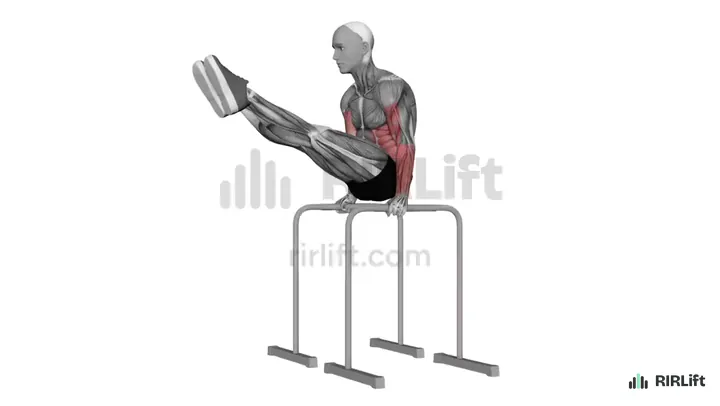
- L-Sit Hold Abs
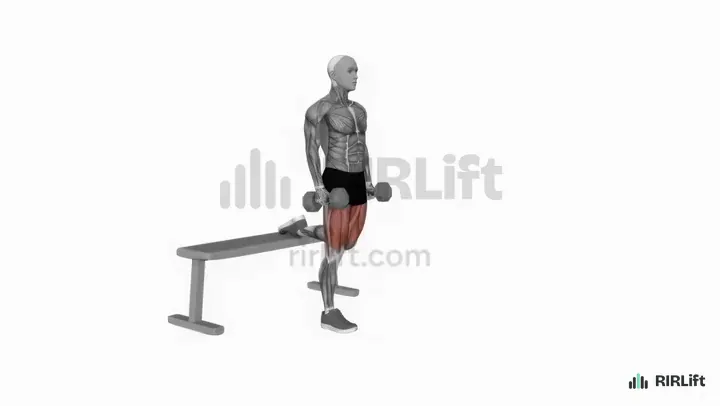
- Bulgarian Split Squat Quads, Glutes
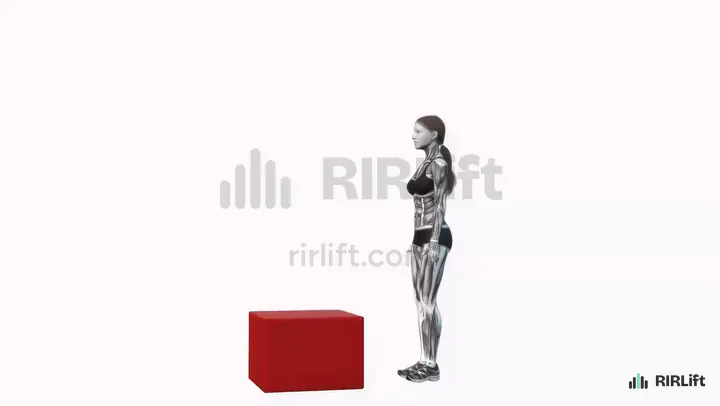
- Box Jump Quads, Glutes, Hamstrings
Put them together: example sessions
Each session below picks from the exercises above for one situation, with the sets, reps, rest and RIR filled in. Open one in the session builder to change a pick, price it from a recent set, and add it to RIRLift.
-
Session 1
Two short sessions next to full practice
You train in the gym three or more days a week for skills and routines, and you have two extra windows of about 40 minutes for strength.
2× a week · 21 sets a week · ~25 min
-
Session 2
Three days in the off-season or a summer block
Competition is weeks away, practice volume is lower, and you have room for three real strength sessions a week to build a base.
3× a week · 39 sets a week · ~35 min
-
Session 3
New to strength work, building the basics
You are a younger gymnast, an adult returning to the sport, or someone who has done skills but never structured strength training, and strict pull-ups or dips are still a struggle.
2× a week · 24 sets a week · ~30 min
Session 1
Two short sessions next to full practice
- Workouts2× a week
- Working sets21 a week
- Per workout~25 min
- EquipmentPull-Up Bar, Dip Bar, Barbells, Plyo Box +1
You train in the gym three or more days a week for skills and routines, and you have two extra windows of about 40 minutes for strength.
Practice already loads your wrists, shoulders and legs hard, so these sessions keep each exercise at 2 to 3 reps in reserve, use 2 to 3 sets, and put jumps first only on the leg day. Session A is upper body and trunk with 13 working sets; session B is legs and trunk with 12. Ending sets short of failure means you leave with the strength stimulus and still have fresh shoulders for the next practice.
| Exercise | Sets × reps | RIR | Rest |
|---|---|---|---|
| Pull-UpStrict. Dead hang every rep. | 3 × 4–8 | 2 | 2:30 min |
| Chest DipHold the locked support 1 s. | 3 × 5–10 | 2 | 2 min |
| Pike Push-UpHips high. Head in front of hands. | 3 × 6–10 | 2 | 90 s |
| Plate Hollow HoldSeconds. Light plate. | 2 × 20–40 | 2 | 1 min |
Open A: Upper and trunk in the session builder
| Exercise | Sets × reps | RIR | Rest |
|---|---|---|---|
| Box JumpStep down. Reset fully. | 3 × 3–5 | 3 | 90 s |
| Bulgarian Split SquatPer leg. | 3 × 6–10 | 2 | 90 s |
| Nordic Hamstring CurlPartner on ankles. Slow lower. | 2 × 3–6 | 2 | 2 min |
| Hanging Leg RaiseNo swing. | 2 × 6–12 | 2 | 90 s |
Open B: Legs and trunk in the session builder
- How to run it
- Do A and B on separate days, ideally after a lighter skills practice or on a day without one. Leave at least one day between B and a hard tumbling or vault session.
- How to progress
- Add one rep per set each week at the same reps in reserve. When the pull-up or dip hits 8 strict reps at 2 in reserve, add a small weight; for holds, add 5 seconds once every set reaches the top of the range.
Session 2
Three days in the off-season or a summer block
- Workouts3× a week
- Working sets39 a week
- Per workout~35 min
- EquipmentPull-Up Bar, Barbells, Dip Bar, Plyo Box +1
Competition is weeks away, practice volume is lower, and you have room for three real strength sessions a week to build a base.
With less practice load, sets move closer to failure at 1 to 2 reps in reserve and each session runs 14 to 15 working sets. The three days split pulling and straight-arm work, pressing and handstands, and legs, so each part gets a hard day and two days of rest before it is trained again.
| Exercise | Sets × reps | RIR | Rest |
|---|---|---|---|
| Pull-UpAdd weight past 8 strict reps. | 4 × 4–8 | 1 | 2:30 min |
| Front Lever RaiseTuck as needed. Arms locked. | 4 × 3–6 | 2 | 2:30 min |
| Hanging Leg RaiseStrict. | 3 × 6–12 | 1 | 90 s |
| Plate Hollow HoldSeconds. | 3 × 20–45 | 1 | 1 min |
Open Pull in the session builder
| Exercise | Sets × reps | RIR | Rest |
|---|---|---|---|
| Chest DipAdd weight past 10 reps. | 4 × 5–10 | 1 | 2 min |
| Pike Push-UpElevate feet as it gets easy. | 4 × 6–12 | 1 | 90 s |
| Handstand HoldSeconds. Wall if needed. | 3 × 20–45 | 2 | 90 s |
| L-Sit HoldSeconds. Tuck if the L sags. | 3 × 10–25 | 1 | 1 min |
Open Push in the session builder
| Exercise | Sets × reps | RIR | Rest |
|---|---|---|---|
| Box JumpMax height, soft landing. | 4 × 3–5 | 3 | 90 s |
| Bulgarian Split SquatPer leg. | 4 × 6–10 | 1 | 2 min |
| Nordic Hamstring CurlSlow lower. | 3 × 3–6 | 1 | 2:30 min |
Open Legs in the session builder
- How to run it
- Run Pull, Push and Legs on non-consecutive days, such as Monday, Wednesday and Friday. Do skills practice after the session or on the off days.
- How to progress
- Add reps until each set reaches the top of its range at the target reps in reserve, then add load to pull-ups, dips and split squats. For the front lever raise, move from tucked knees to one leg extended, then both, only when you can lower every rep slowly with straight arms.
Session 3
New to strength work, building the basics
- Workouts2× a week
- Working sets24 a week
- Per workout~30 min
- EquipmentBarbells, Pull-Up Bar, Dumbbells
You are a younger gymnast, an adult returning to the sport, or someone who has done skills but never structured strength training, and strict pull-ups or dips are still a struggle.
This plan uses the most learnable versions and keeps every set at 2 to 3 reps in reserve so you finish each rep in clean form. One full-body session twice a week with 10 working sets builds the habit and the base without eating into practice energy. Holds come before the harder bar work so the hollow and support shapes are learned first.
| Exercise | Sets × reps | RIR | Rest |
|---|---|---|---|
| Plate Hollow HoldSeconds. No plate at first. | 2 × 15–30 | 3 | 1 min |
| Pull-UpOr slow lowerings from the top. | 3 × 2–6 | 2 | 2 min |
| Pike Push-UpHips high. | 3 × 5–10 | 2 | 90 s |
| Bulgarian Split SquatPer leg. Bodyweight to start. | 2 × 6–10 | 3 | 90 s |
| L-Sit HoldSeconds. Knees tucked is fine. | 2 × 10–20 | 2 | 1 min |
- How to run it
- Do the same session twice a week with two or three days between. If a strict pull-up is not there yet, do slow lowerings from the top for the rep range instead.
- How to progress
- Add a rep or 5 seconds of hold time each week. When pull-ups reach 6 strict reps and dips reach 8, move to the in-season plan.
Make it fit you
-
Wrists are sore from practice
Swap the pike push-up for a set of dips that day and do handstand holds on fists or parallettes instead of flat palms. Keep the pulling and leg work as written.
-
Strict pull-ups come easy
Once you can do 10 clean reps, add a light vest or dip belt and drop back to the 4 to 8 range. Weighted strict reps build the pulling base faster than chasing 20 bodyweight reps.
-
Competition week
Cut every exercise to one or two sets at 3 reps in reserve and drop the Nordic curls and box jumps, so your legs are fresh for routines.
-
Front lever raise is out of reach
Tuck your knees all the way to your chest and raise only as high as you can with straight arms. Open one leg at a time over the weeks.
-
Short on time
Pair the pull-up with the dip and the hollow hold with the split squat as supersets, resting only after both. That brings the in-season sessions down to about 30 minutes.
-
Log the reps in reserve
Write down how many clean reps you had left after each set. If you log it in RIRLift, the next session's weight or rep target is picked from that number, so you add load only when the last session says you are ready.
Questions
What strength training do gymnasts do?
Mostly bodyweight work done strictly: pull-ups, dips, handstand and pike presses, straight-arm pulling like front lever raises, and holds for the hollow and L-sit shapes. Legs get jumps plus single-leg and hamstring work. Many gymnasts also add light weights, such as a vest on pull-ups or dumbbells on split squats, once bodyweight reps get easy.
Does gymnastics help with strength?
Yes. Holding your body in handstands, supports and swings builds a lot of relative strength, especially in the shoulders, back and trunk. Strength sessions outside practice add the parts skill work leaves out, such as loaded single-leg strength and hamstring braking, and let you push specific weak links.
How many days a week should a gymnast lift?
Two short sessions are enough during heavy practice periods, with every set ending 2 to 3 reps short of failure. In an off-season or lighter block, three sessions a week at 1 to 2 reps in reserve build more strength without crowding out skill work.
Should gymnasts lift weights?
Yes, in sensible amounts. Weights let you keep progressing once bodyweight exercises stop being hard, and they are the easiest way to load the legs. The sessions here add weight gradually to pull-ups, dips and split squats and keep sets short of failure.
What are the hardest gymnastics strength exercises?
Straight-arm holds and raises like the front lever, back lever and planche are the hardest because your arms stay locked and your body acts as a long lever. Build them with tucked versions and strict pull-ups and dips before you try the full shapes.
Related templates
-
Calisthenics exercises: the pulls, pushes, holds and skills worth training
More bodyweight pulling, pushing and lever progressions for bar and floor work.
-
Pull-up bar exercises for back, arms, grip and abs, with plans for your first rep to your first muscle-up
Every exercise you can do on a single bar, from hangs to leg raises.
-
Bodyweight core exercises: front, sides, back and bar work
More hollow, plank and compression work without equipment.
-
Figure skating exercises: off-ice strength for jumps, edges and spins
Another jumping and landing sport, with more single-leg and rotation work.
-
How to use reps in reserve (RIR)
How to judge the 1 to 3 reps in reserve targets used in these plans.