
Hip adduction alternatives: inner-thigh work without the machine
Published October 23, 2026
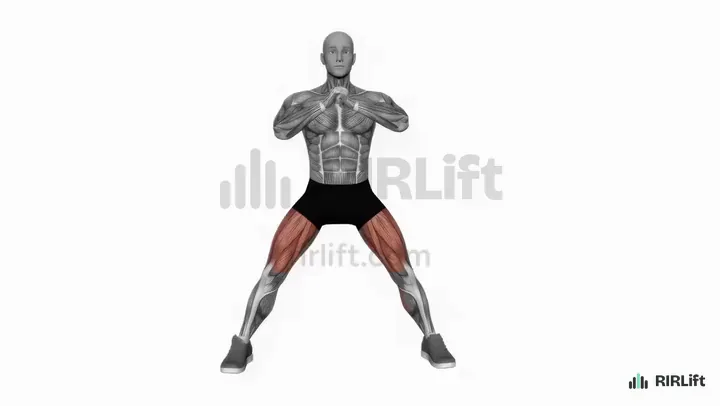
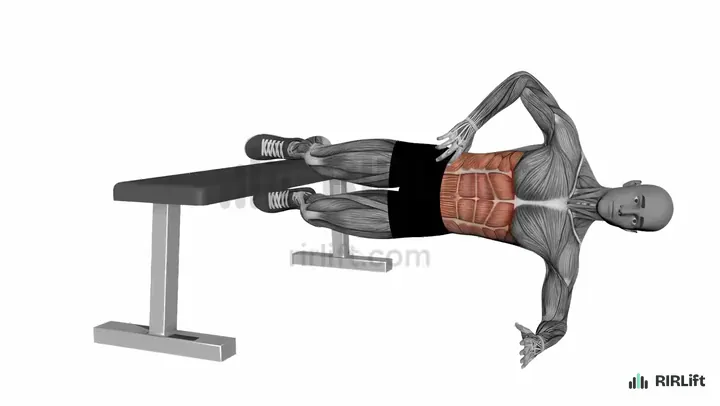
The closest hip adduction machine alternative is a standing adduction: on a multi-hip machine at the gym, or with a band anchored low at home. Both pull your leg in toward your midline against resistance, just like the machine. For heavier inner-thigh work, wide-stance lifts like the sumo deadlift, sumo squat and lateral lunges load your adductors in a deep stretch, and with no equipment at all the Cossack squat and Copenhagen plank do the job.
- Machine taken Multi-Hip Adduction The same inward squeeze, one leg at a time.
- Barbell gym Sumo Deadlift Wide stance loads your inner thighs heavier than any machine.
- Dumbbells only Sumo Squat Wide, deep squat that stretches the adductors under load.
- Just a band Band Hip Adduction Copies the machine's motion with a band anchored low.
- No equipment Cossack Squat Deep side squat that stretches one inner thigh at a time.
- Want it hard, no weights Copenhagen Plank Your bodyweight on the top leg's inner thigh.
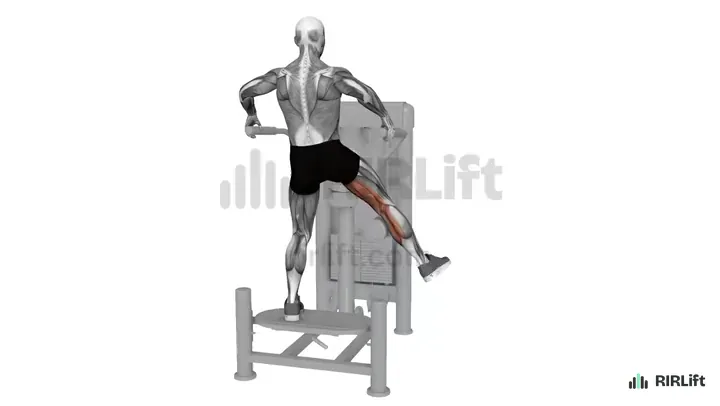
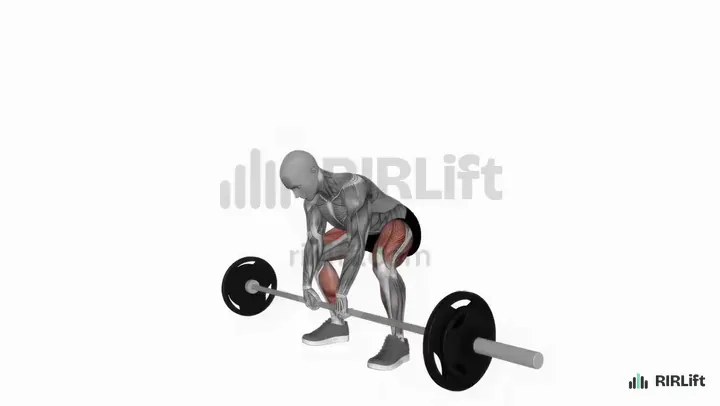
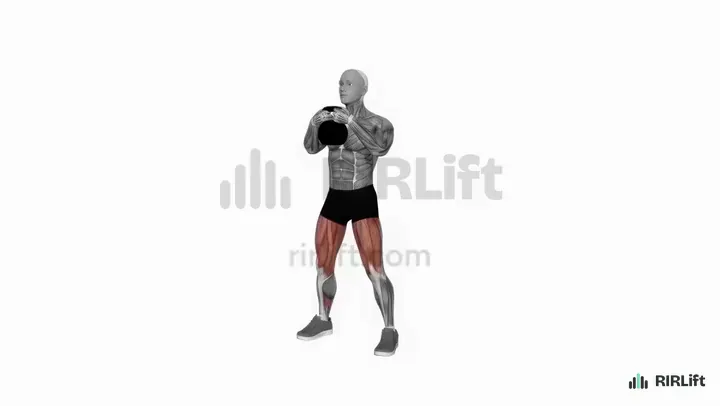
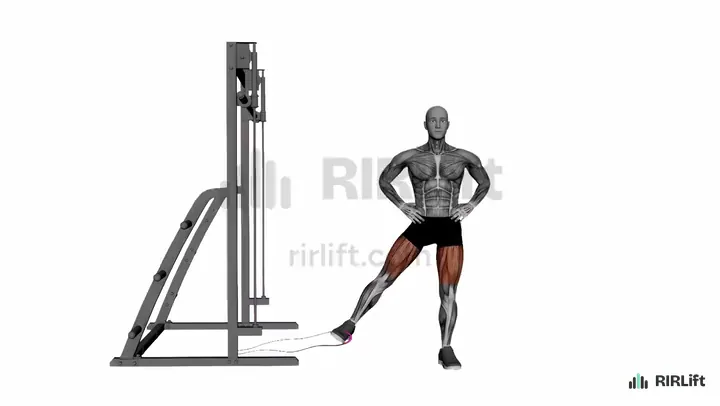
What a hip adduction machine alternative has to replace
The hip adduction machine trains your adductors, the inner-thigh muscles that pull your legs together. They work hardest at the start of each rep, when your knees are wide and the inner thighs are stretched, and again as you squeeze the pads shut.
A replacement has to load that same inward pull, or put your inner thighs under load in a wide, deep position.
Example sessions without the hip adduction machine
-
Session 1
Gym, adduction machine taken or missing
You train in a gym with a barbell and machines, but the adduction machine is busy or not there.
2× a week · 24 sets a week · ~40 min
-
Session 2
Home, dumbbells and a band
You train at home with a pair of dumbbells and one long band.
2× a week · 20 sets a week · ~25 min
-
Session 3
No equipment, or one band
You train at home with your bodyweight, a sturdy chair or bench, and maybe a band.
3× a week · 30 sets a week · ~25 min
Session 1
Gym, adduction machine taken or missing
- Workouts2× a week
- Working sets24 a week
- Per workout~40 min
- EquipmentBarbells, Leg Press, Hip Adductor, Landmine
You train in a gym with a barbell and machines, but the adduction machine is busy or not there.
The sumo deadlift loads your inner thighs heavy, the wide-stance leg press adds volume in a deep stretch, and the multi-hip adduction takes the machine's place to finish them on their own. The landmine lateral lunge adds side-to-side work. 12 working sets.
| Exercise | Sets × reps | RIR | Rest |
|---|---|---|---|
| Sumo Deadlift2 warm-up sets first | 3 × 5–8 | 2 | 3 min |
| Wide-Stance Leg Press | 3 × 10–15 | 2 | 2 min |
| Multi-Hip AdductionSets are per leg. | 3 × 12–15 | 1 | 1 min |
| Landmine Lateral LungeSets are per side. | 3 × 8–12 | 2 | 75 s |
- How to run it
- Use it as your leg day once or twice a week, or do the last two exercises after your usual squats.
- How to progress
- When every set reaches the top of its rep range at the RIR shown, add the smallest weight jump next session and start again at the bottom of the range.
Session 2
Home, dumbbells and a band
- Workouts2× a week
- Working sets20 a week
- Per workout~25 min
- EquipmentDumbbells, Resistance Bands
You train at home with a pair of dumbbells and one long band.
Dumbbells are lighter than a gym's machines, so the sumo squat and lateral lunge use moderate reps for the heavy work, and the band adduction finishes your inner thighs with high reps close to failure. 10 working sets.
| Exercise | Sets × reps | RIR | Rest |
|---|---|---|---|
| Sumo Squat1 warm-up set firstKnees out over your toes. | 4 × 10–15 | 2 | 90 s |
| Dumbbell Lateral LungeSets are per side. | 3 × 10–12 | 2 | 75 s |
| Band Hip AdductionSets are per leg. | 3 × 15–25 | 1 | 45 s |
- How to run it
- Twice a week on non-consecutive days. Hold the deepest point of each sumo squat for a second.
- How to progress
- Add reps until every set reaches the top of the range, then move up a dumbbell or step farther from the band's anchor.
Session 3
No equipment, or one band
- Workouts3× a week
- Working sets30 a week
- Per workout~25 min
- EquipmentResistance Bands
You train at home with your bodyweight, a sturdy chair or bench, and maybe a band.
Bodyweight is enough here because each exercise loads one inner thigh at a time: deep Cossack squats for the stretch, Copenhagen plank holds for the squeeze, and band adductions for high reps. 10 working sets.
| Exercise | Sets × reps | RIR | Rest |
|---|---|---|---|
| Cossack SquatSets are per side. | 4 × 6–10 | 1 | 75 s |
| Copenhagen PlankSeconds per side. Knee on the bench. | 3 × 15–30 | 2 | 45 s |
| Band Hip AdductionSets are per leg. | 3 × 20–30 | 1 | 45 s |
- How to run it
- Two or three times a week; stop each set one rep short of failure.
- How to progress
- Add reps, or seconds on the plank, until you hit the top of each range. Then sink deeper on the Cossack squat, move from your knee to your foot on the plank's bench, or use a thicker band.
Make it fit you
-
Stretch is the point
On every swap, go to the widest position you can control and pause there for a second. The deep, wide position is where the machine loads your inner thighs most.
-
Groin feels tight
Start the Cossack squat and lateral lunges with a shallow depth you can hold without strain and go a little deeper each week. Do the Copenhagen plank with your knee on the bench, not your foot.
-
Want glutes too
Use the sumo deadlift, sumo squat and lateral lunges: they train your glutes along with your inner thighs. The band and multi-hip adductions train the inner thighs alone.
-
Light dumbbells
Use a slow three-second lowering on sumo squats and lateral lunges, and take each set to one rep short of failure. The lighter the weight, the closer to failure you need to go.
-
Short on time
Superset the band adduction with your last lift of the day, alternating sets with no extra rest. It adds little fatigue and takes a few minutes.
Questions
How can I train hip adduction without a machine?
Use a band anchored low and sweep one leg across your body, or do Cossack squats, sumo squats and Copenhagen planks. All of them load your inner thighs without the machine.
What exercises work hip adduction?
The adduction machine, multi-hip and band adductions train it directly. Sumo deadlifts, sumo squats, wide-stance leg presses and lateral lunges train it as part of bigger leg lifts.
Is the hip adductor machine necessary?
No. Wide-stance squats, deadlifts and lunges already train your adductors hard, and a band or Copenhagen plank covers the direct work. The machine is simply the easiest way to train them on their own.
Do hip adductions grow your glutes?
Not much. Adduction trains your inner thighs; for glutes, use hip thrusts, squats and lunges. Sumo squats and lateral lunges train both.
What is the difference between hip adduction and abduction?
Adduction pulls your legs together and trains your inner thighs. Abduction pushes them apart and trains the sides of your hips; for that, use the hip abduction machine, a lateral band walk or a fire hydrant.
Do lateral lunges work your inner thighs?
Yes. The straight leg's inner thigh stretches under load as you sit into the other hip, and the bent leg's adductors help push you back up. Step wide enough to feel that stretch.
Related templates
-
Hip adduction machine: how to set it up, use it, and program it
How to set up and use the machine itself.
-
Adductor exercises at home: direct squeezes, side lunges and deep squats
More inner-thigh work with dumbbells, bands or bodyweight.
-
Inner thigh exercises at home, no machine needed
Home sessions built around the inner thighs.
-
Sumo squat: how to do it with a kettlebell or dumbbell
Full form for the best one-dumbbell swap.
-
Lateral lunge: how to do a side lunge with dumbbells or bodyweight
How to do the side lunge well, and how to load it.
-
Hip abduction machine: how to use it and what it works
The machine for the outer hips, if that is what you were after.