
Lateral lunge: how to do a side lunge with dumbbells or bodyweight
Published October 19, 2026
A lateral lunge, or side lunge, is a lunge where you step out to the side instead of forward. You sit your hips back into the stepping leg while the other leg stays straight, then push back to standing. Keep both feet pointing forward, your heel down and your chest up; hold dumbbells at your sides once bodyweight reps are easy.
- WorksQuads, Glutes, Adductors
- EquipmentDumbbells
- Start with3 × 8–12, 2 in reserve, 2:30 min rest
How to do the dumbbell lateral lunge
Most leg training moves forward and back. Stepping sideways trains your legs in a direction squats and regular lunges miss, stretches and loads the adductors of the straight leg, and works each leg on its own, so it fits well next to squats or as the main leg move in a home session.
Steps
- Stand tall, feet under your hips, holding two dumbbells by your thighs.
- Take a big step out to one side, landing with your toes pointing forward or turned out slightly.
- Sit your hips back and down into that leg, bending the knee over your foot while the other leg stays straight with its foot flat.
- Lower until your bent thigh is near parallel to the floor, letting the dumbbells hang on either side of the working knee.
- Push hard through the whole foot of the bent leg to return to standing, then repeat to the other side or finish one side first.
Cues
- Sit back, not just down
- Heel stays heavy
- Straight leg stays long
Common mistakes
- Knee caving in or shooting past the toes: push your hips back first and keep the knee tracking over your middle toes.
- Heel lifting on the working foot: take a slightly shorter step and keep your weight toward the middle of the foot.
- Rounding forward to reach depth: keep your torso upright and go only as low as your hips and inner thigh allow; depth improves with practice.
Swap for: Cossack Squat, Goblet Squat, Dumbbell Reverse Lunge
Muscles the dumbbell lateral lunge works
The lateral lunge works the glutes and quads of the bent leg as it lowers and drives back up, with the hamstrings helping. The adductors on the inner thigh of both legs are heavily involved, stretching on the straight leg and working to pull you back to center. Your glute med and core keep your trunk steady over the bent leg.
Sets, reps and reps in reserve for the dumbbell lateral lunge
| Goal | Sets × reps | RIR | Rest |
|---|---|---|---|
| Build muscle | 3 × 8–12 per side | 1–2 | 90 s |
| Finish all reps on one side to keep tension on that leg, then switch. | |||
| Learning the movement | 2–3 × 6–8 per side | 3 | 60–90 s |
| Use bodyweight or one light dumbbell held at your chest until depth and balance feel steady. | |||
| Conditioning or warm-up | 2 × 10 per side, alternating | 3 | 60 s |
| Alternate sides with bodyweight before squats or field sports. | |||
Dumbbell lateral lunge variations
-
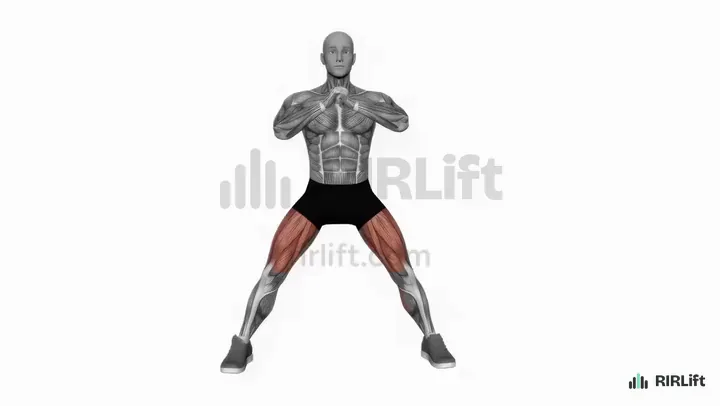
Cossack Squat
Stay wide and shift from side to side without stepping when you want more depth and inner-thigh stretch.
Build a session with it -
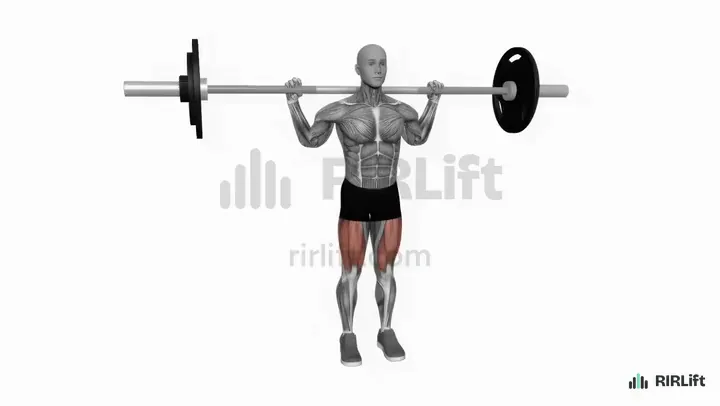
Barbell Lateral Lunge
Hold a barbell on your back when dumbbells are not heavy enough and your balance is solid.
Build a session with it -
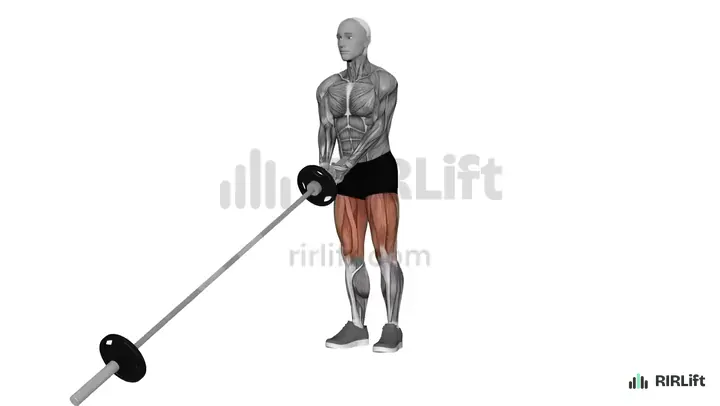
Landmine Lateral Lunge
Hold the end of a landmine bar at your chest when you want to load the lunge but keep the weight steady in front of you.
Build a session with it
Dumbbell lateral lunge alternatives
Inner thighs
-
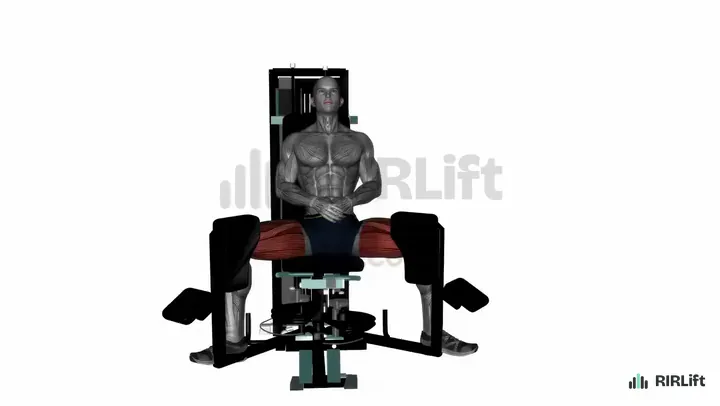
Hip Adduction Machine
Use the adduction machine when you want to train the inner thighs directly and heavily.
Build a session with it -
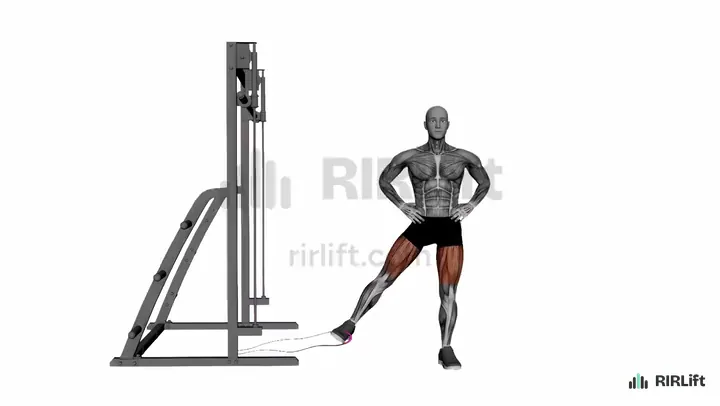
Band Hip Adduction
Pull a band across your body at home when you want direct inner-thigh work without a machine.
Build a session with it
Other single-leg moves
-
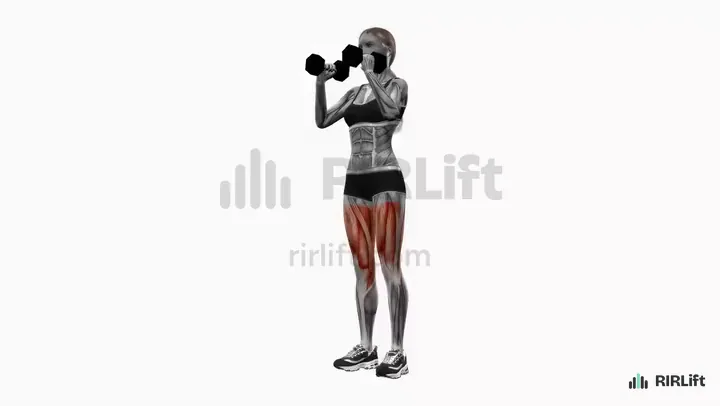
Dumbbell Curtsy Lunge
Step behind and across when you want more glute med and outer hip.
Build a session with it -
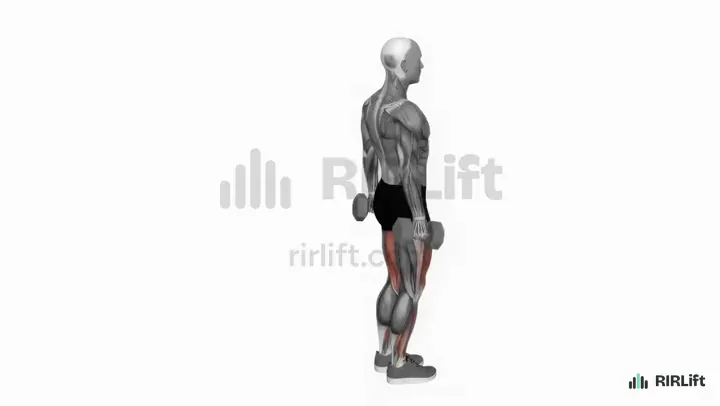
Dumbbell Reverse Lunge
Step back instead of sideways when you want an easier-to-balance lunge with more glute and quad.
Build a session with it
Outer hip
-
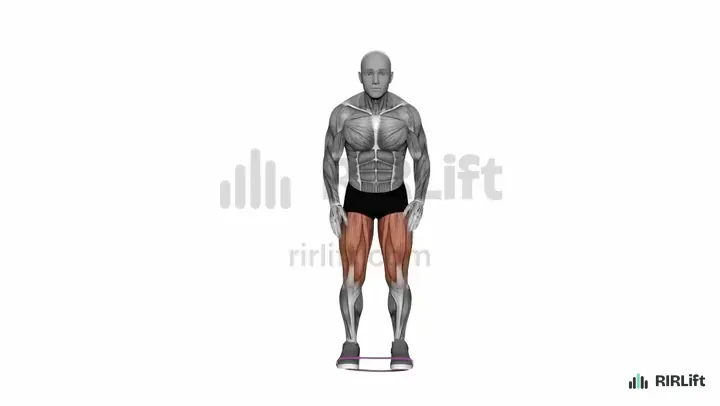
Lateral Band Walk
Walk sideways with a band around your legs when you want to warm up or work the side glutes.
Build a session with it
Is a lateral lunge the same as a side lunge?
Yes. Lateral lunge and side lunge are two names for the same move: a step out to the side, bending the stepping leg while the other stays straight. A cossack squat is a close cousin where you stay in a wide stance and shift side to side, going deeper and often lifting the toes of the straight leg.
Do side lunges work the inner thighs?
Yes. The adductors on the straight leg stretch under load as you sit into the other side, and the adductors on the bent leg help drive you back to the middle. If inner thighs are your main goal, pair lateral lunges with a direct adduction exercise, and go deep enough on every rep to feel that stretch.
Questions
What do lateral lunges work?
The glutes and quads of the bent leg, the inner thighs of both legs, and the hamstrings, glute med and core as stabilizers.
Why are lateral lunges so hard?
Most people rarely move sideways under load, so the hip and inner-thigh range is new. Start with bodyweight or one light dumbbell at your chest and a shallower depth.
Are side lunges good for your knees?
Done with the knee tracking over the toes and your hips sitting back, most people find them comfortable. Use a depth you can control without pain.
Should you alternate sides or do one side at a time?
For muscle, finish all reps on one side before switching, which keeps tension on that leg. Alternating is fine for warm-ups and conditioning.
What is a good replacement for lateral lunges?
A cossack squat, a curtsy lunge or a reverse lunge, plus a hip adduction exercise if you want the inner-thigh work.
How heavy should dumbbells be for lateral lunges?
Use dumbbells that let you reach the same depth on every rep and still finish one or two reps short of failure.
Related templates
-
Curtsy lunge: how to do it, what it works, and how it differs from a lunge
Another lunge variation that works the side of the hips.
-
Reverse lunge: how to do it, what it works, and how to load it
The step-back lunge to pair with side lunges.
-
Inner thigh exercises at home, no machine needed
More adductor work with little equipment.
-
Leg exercises with dumbbells: quads, hamstrings, glutes and calves
A full dumbbell leg list.
-
How to use RIR
How to count reps left on each lunge set.