
Sumo squat: how to do it with a kettlebell or dumbbell
Published October 19, 2026
A sumo squat (also called a plie squat) is a squat with your feet set wide and your toes turned out, holding a kettlebell or dumbbell in front of you. The wide stance puts more of the work on your glutes and inner thighs than a regular squat. Push your knees out in line with your toes, keep your chest up, sit straight down between your heels, and stand by squeezing your glutes.
- WorksQuads, Glutes, Adductors
- EquipmentDumbbells
- Start with3 × 8–12, 2 in reserve, 2:30 min rest
How to do the sumo squat
The wide stance and turned-out toes let you sit down between your legs with a very upright torso, which is comfortable for most backs and hips. It trains the adductors along with the quads and glutes, and it only needs one kettlebell or dumbbell, so it works at home and as a gym warm-up for heavier squats.
Steps
- Stand with your feet wide, roughly one and a half to two times your shoulder width, toes turned out around 30–45 degrees.
- Hold a kettlebell by the horns at your chest, or let it hang at arm's length between your legs; with a dumbbell, hold one end with both hands.
- Brace your stomach and sit straight down, pushing your knees out so they point the same way as your toes.
- Lower until your thighs are about level with the floor, or as deep as you can go with your chest up and heels down.
- Drive through your whole foot and squeeze your glutes to stand, keeping your knees pushed out on the way up.
Cues
- Knees follow toes
- Sit between your heels
- Chest tall, squeeze to stand
Common mistakes
- Knees caving in: keep them tracking over your toes; if they keep collapsing, narrow your stance a little or turn your toes out more.
- Leaning forward to get deeper: stop where your torso stays upright; the depth comes from your hips opening, not from bending over.
- Heels lifting: shift your weight back to your mid-foot and reduce the stance width until your whole foot stays down.
Swap for: Goblet Squat, Cossack Squat, Wide-Stance Leg Press
Muscles the sumo squat works
The sumo squat works your quads, glutes and adductors (inner thighs). The wide stance puts more of the work on the adductors and glutes and a little less on the quads than a narrow squat. Your core and upper back hold the weight in place.
Sets, reps and reps in reserve for the sumo squat
| Goal | Sets × reps | RIR | Rest |
|---|---|---|---|
| Build glutes and legs | 3–4 × 10–15 | 1–2 | 90 s–2 min |
| Pause briefly at the bottom to keep the glutes loaded. | |||
| One light weight at home | 3–4 × 15–25 | 1 | 90 s |
| Slow the lowering to three seconds or add a pause when the bell gets easy. | |||
| Warm-up or beginner | 2–3 × 10–12 | 3 | 60–90 s |
| Use it to practice depth and knee tracking before heavier lifts. | |||
Sumo squat variations
-
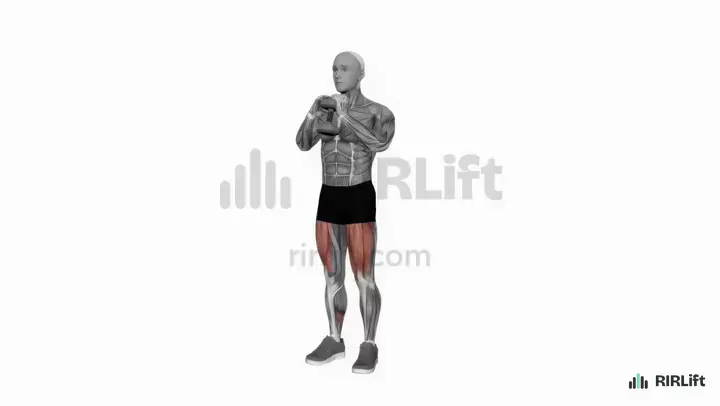
Goblet Squat
Bring your feet in to shoulder width when you want more quads with the same single weight.
Build a session with it -
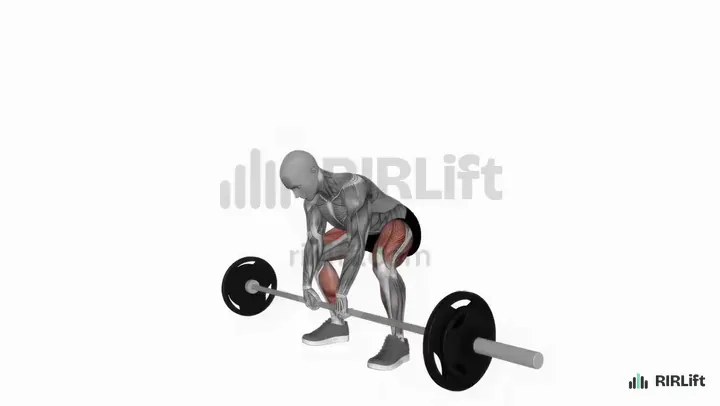
Sumo Deadlift
Pull a barbell from the floor in the same wide stance when you want to load the glutes and adductors much heavier.
Build a session with it -
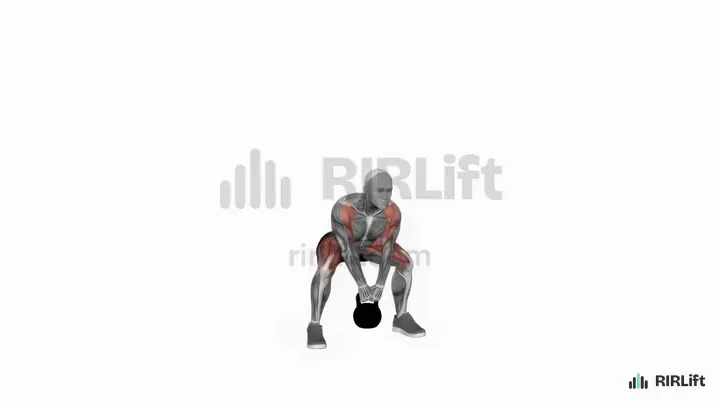
Kettlebell Sumo Deadlift High Pull
Pull the bell to your chin from the sumo stance when you want a faster, conditioning-style version.
Build a session with it
Sumo squat alternatives
Glute focus
-
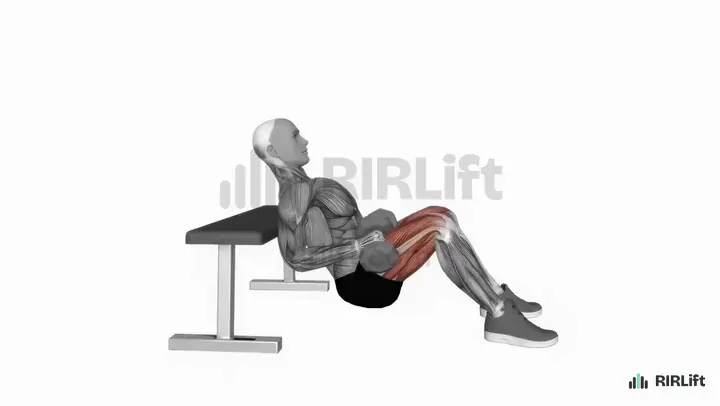
Dumbbell Hip Thrust
Thrust a dumbbell from a bench when you want the glutes worked harder than any squat can.
Build a session with it -
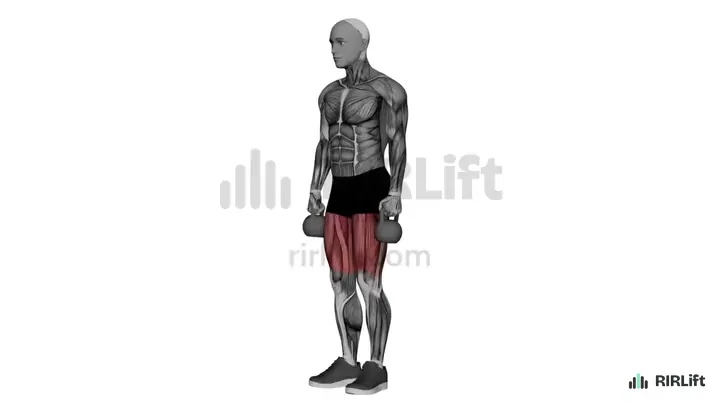
Reverse Lunge
Step back into a lunge when you want each glute trained on its own.
Build a session with it
Inner thighs
-
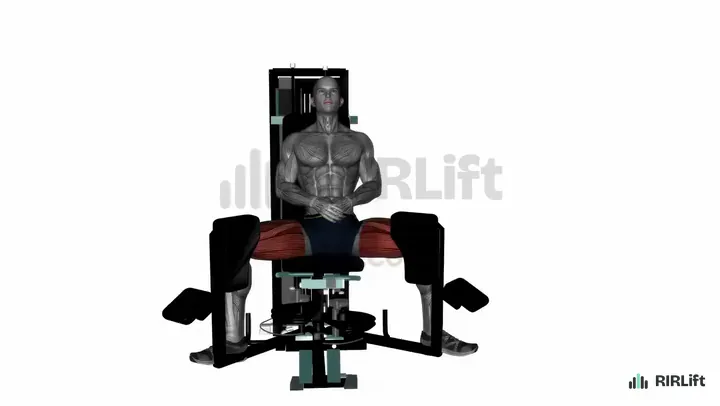
Hip Adduction Machine
Squeeze your legs together on the machine when you want the adductors isolated.
Build a session with it -
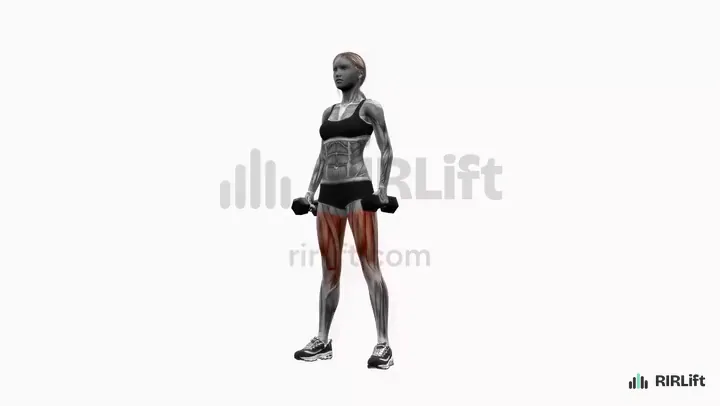
Dumbbell Lateral Lunge
Step out to the side when you want a deeper stretch on one inner thigh at a time.
Build a session with it
Heavier at the gym
-
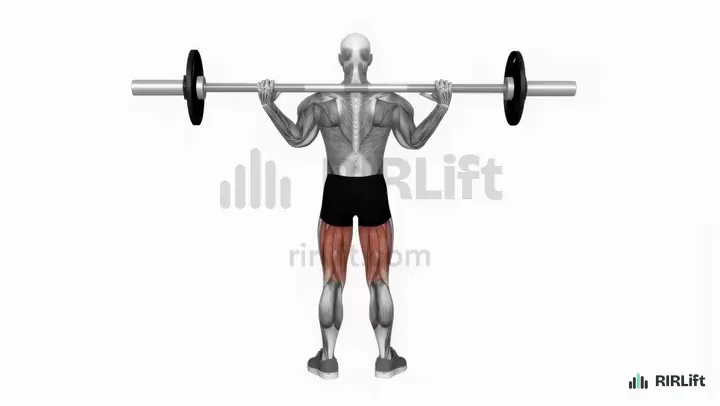
Barbell Back Squat
Squat a barbell with a slightly wide stance when your heaviest dumbbell is no longer enough.
Build a session with it
Sumo squat vs regular squat
A regular squat uses a stance about shoulder-width with the toes slightly out, so your knees travel forward and the quads do most of the work. In a sumo squat the feet are much wider and the toes turned out, so your knees move out to the side, your torso stays more upright, and the glutes and inner thighs pick up more of the load.
You usually cannot load a sumo squat as heavy, because you hold the weight in your hands. Use it alongside a regular squat, or as your main squat at home.
How wide should your stance be?
Start with your heels about one and a half times shoulder width and your toes out 30–45 degrees. Go wider only if you can still reach parallel with your knees over your toes and your heels down. If your hips pinch or your knees cave, bring your feet in. The right width is the widest one where your knees and toes still point the same way.
Are sumo squats good for glutes and hip dips?
Sumo squats train the glutes well, especially at the bottom, and pair well with hip thrusts and lunges. Hip dips are mostly the shape of your pelvis, so no exercise removes them; building the glutes, including the upper side of the hip with the abduction machine or band walks, can make the area look fuller.
Questions
Are sumo squats beneficial?
Yes. They train the quads, glutes and inner thighs with an upright torso and only one weight, which makes them a good home or warm-up squat.
What is the difference between a sumo squat and a plie squat?
They are the same movement. Plie is the dance term for the wide, turned-out stance; some people use plie for a narrower, deeper version with the heels together.
Which squat is best for glutes?
Wide-stance squats like the sumo squat and deep squats with a pause work the glutes well. For the most glute work, add hip thrusts.
What exercise is equivalent to the sumo squat?
The goblet squat, wide-stance leg press, and sumo deadlift train similar muscles. The wide-stance leg press is closest at the gym.
Should I use a kettlebell or dumbbell for sumo squats?
Either works. A kettlebell is easier to hold at the chest by the horns; a dumbbell held vertically is fine and often available in heavier weights.
How heavy should sumo squats be?
Pick a weight you can squat for 10–15 reps with one or two left in reserve. Once you hit 20 or more, use a heavier bell or slow the reps down.
Related templates
-
Goblet squat: how to do it, what it works and what to swap in
The narrow-stance version with the same single weight.
-
Sumo deadlift: how to do it, muscles worked and alternatives
The heavy barbell lift in the same wide stance.
-
Kettlebell glute exercises for strength and size
More kettlebell lifts to build the glutes.
-
Inner thigh exercises at home, no machine needed
More home exercises for the adductors.
-
The best workout for your glutes and butt
A full glute session to slot it into.