Lateral raise alternatives that still grow your side delts

The best lateral raise alternative is the cable lateral raise: the cable pulls across your body, so your side delts work from the very start of the rep, where a dumbbell weighs almost nothing. The machine lateral raise is just as good and the easiest to do without swinging. With dumbbells, a leaning raise adds stretch and a seated raise stops momentum; at home, a band lateral raise works with one band.

What a dumbbell lateral raise alternative has to replace

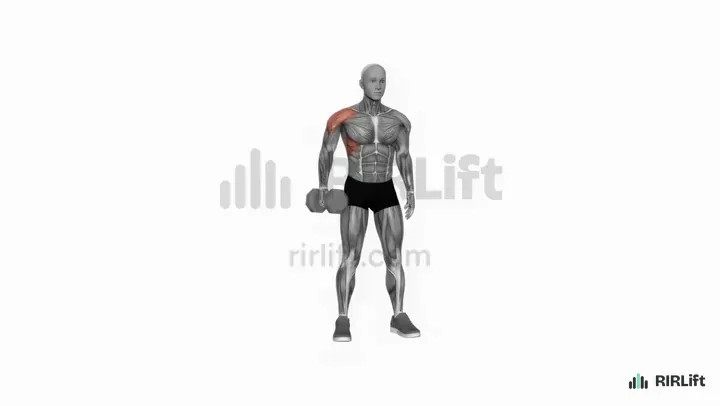
The dumbbell lateral raise trains your side delts, the part of your shoulder that makes it look wider from the front. Your arm moves out to the side, and because the dumbbell pulls straight down, the load is lightest at the start and hardest as your arm reaches shoulder height.

A replacement has to keep your arm moving out to the side, not forward, and should fix whatever made you swap: too little tension at the bottom, swinging, dumbbell jumps that are too big, or no dumbbells at all.

How to do the dumbbell lateral raise

Cables and machines

Cables and machines fix the lateral raise's main weakness: they keep your side delts loaded at the bottom of the rep, where a dumbbell does almost nothing.

Closest swap, more tension at the bottom

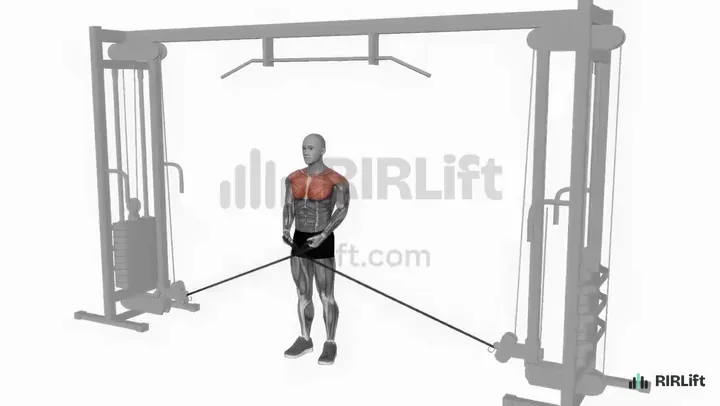
Cable Lateral Raise

Shoulders

Crossed cables pull across your body, so your side delts work from the very start of the rep, where a dumbbell hanging straight down weighs almost nothing. Use the same sets and reps you ran with dumbbells.

How to do it

  1. Set both pulleys of a crossover at the bottom and stand in the middle.
  2. Cross your arms low in front of your thighs: your right hand holds the left handle, your left hand the right one.
  3. Stand tall and raise both arms out to the sides, elbows slightly bent, until your hands reach shoulder height.
  4. Lower slowly until the handles cross again in front of your thighs, and repeat.

Cues

  • Lead with the elbow
  • Push the handle out, not up
  • Shoulder height and stop

Common mistakes

  • Heaving the handles up with a lean and a shrug: if your torso moves, drop the pin a step.
  • Raising past shoulder height: above that point your traps take over.

One arm on the cable, biggest stretch

Leaning Cable Lateral Raise

Shoulders

Leaning away from the stack starts your arm across your body, so the side delt works from a stretched position. Doing one arm at a time also lets you pick a lighter load than two dumbbells.

How to do it

  1. Set a single handle at the bottom pulley and hold the machine's upright with your near hand.
  2. Lean your body away until your support arm is straight.
  3. With the far hand, raise the handle sideways until your arm is level with your shoulder.
  4. Return slowly across your body, finish your reps, then switch sides.

Cues

  • Lean out
  • Stretch at the bottom
  • Hold the frame lightly

Common mistakes

  • Leaning back instead of to the side: you should be tilted sideways, facing straight ahead.
  • Using the support arm to swing: it only holds the lean.

Machine swap, easiest to do strictly

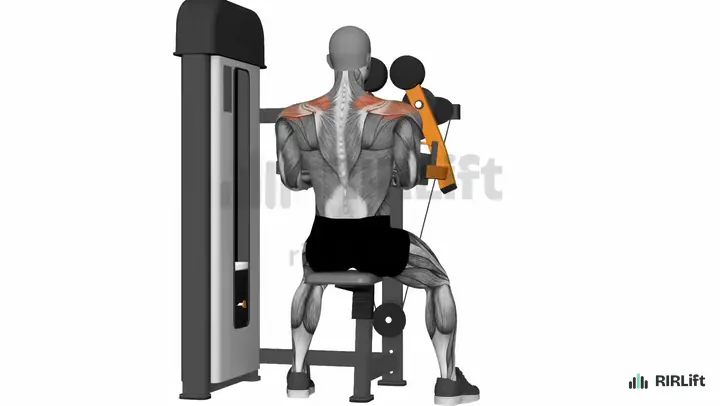
Machine Lateral Raise

Shoulders

The pads sit on your upper arms and the path is fixed, so you cannot swing. It is the simplest way to take your side delts close to failure.

How to do it

  1. Set the seat so the machine's pivot lines up with your shoulder joint.
  2. Sit tall with the pads resting on your upper arms, just above the elbows.
  3. Raise your elbows out to the sides until your upper arms are level with the floor.
  4. Lower slowly until the pads nearly touch your sides, then raise again.

Cues

  • Lead with your elbows
  • Shoulders down, away from your ears
  • Slow on the way down

Common mistakes

  • Shrugging the weight up with your traps when the set gets hard: keep your shoulders down and end the set at the last clean rep.
  • Swinging the pads up and letting them fall: lower over two seconds so the bottom of the rep still works.

Cable swap that raises higher

Cable Y Raise

Shoulders, Upper Back

Raising your arms up and out into a Y works your side delts with the muscles that rotate your shoulder blades. Use it light, as a second side delt exercise.

How to do it

  1. Set both pulleys at the bottom and cross the cables so each hand holds the opposite handle.
  2. Step back to center with your arms crossed low ahead of your hips.
  3. Raise both arms up and out into a Y, thumbs pointing up.
  4. Bring the arms back down and across in front of your hips.

Cues

  • Thumbs up
  • Up and out
  • Light weight

Common mistakes

  • Raising straight forward: the arms should travel out at about 30 degrees from your head.
  • Arching your lower back at the top: brace and stop when your arms are overhead.

Cable swap you can load heavier

Cable Upright Row

Shoulders, Traps

Pulling a bar up your body with your elbows leading trains your side delts with a bent arm, so it takes more weight than a raise. Use a grip about shoulder width and let your elbows rise out to the sides.

How to do it

  1. Attach a straight bar to the low pulley and hold it with an overhand grip about shoulder width.
  2. Stand close to the machine with the bar against your thighs.
  3. Pull it up along your body, elbows leading, until your elbows reach shoulder height and the bar is near your upper chest.
  4. Lower it back to your thighs.

Cues

  • Elbows lead
  • Elbows to shoulder height
  • Wide enough grip

Common mistakes

  • Hands rising higher than your elbows: lead with the elbows the whole way and stop when they reach shoulder height.
  • Gripping close together: a shoulder-width grip lets the elbows rise out to the side.

Other ways to raise with dumbbells

If you stay with dumbbells, change your position: lean, sit, lie on an incline, or work one arm at a time. Each fixes a different problem.

Dumbbell swap with more stretch

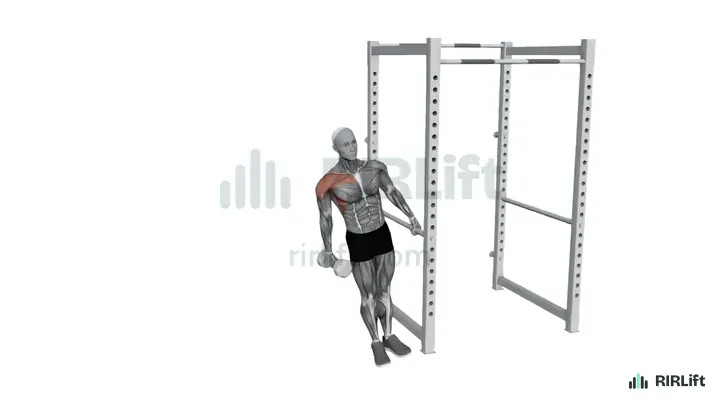
Leaning Dumbbell Lateral Raise

Shoulders

Holding a post and leaning away tilts the start of the rep, so the dumbbell loads your side delt from lower down. One arm at a time, which also suits light dumbbells.

How to do it

  1. Hold a sturdy post or rack with your left hand, take the dumbbell in your right, and lean away from the support.
  2. Let the dumbbell hang in front of your hip with a slight bend in the elbow.
  3. Raise your right arm out to the side until it reaches shoulder level.
  4. Lower slowly, finish the set, and switch sides.

Cues

  • Lean away from the support
  • Raise to shoulder level
  • Control the bottom

Common mistakes

  • Pulling with your free hand to swing the body: the lean stays still through the set.
  • Raising too high above shoulder height: stop at shoulder level.

When you swing the dumbbells

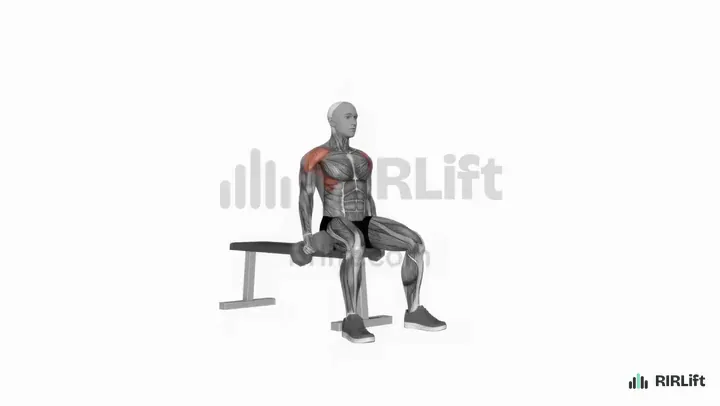
Seated Dumbbell Lateral Raise

Shoulders

Sitting takes your legs and hips out of the lift, so momentum cannot help. Expect to use a little less weight than standing.

How to do it

  1. Sit upright with a dumbbell hanging at each side.
  2. Bend your elbows just a little.
  3. Raise both dumbbells sideways until your arms are level with your shoulders.
  4. Lower slowly, stopping just before the dumbbells touch the chair.

Cues

  • Sit tall
  • Wide arc
  • No rest at the bottom

Common mistakes

  • Leaning back to finish the rep: stay upright; the set ends when you cannot.
  • Raising the hands higher than the elbows: keep the elbows the highest point.

When the next dumbbell is a big jump

Single-Arm Dumbbell Lateral Raise

Shoulders

One arm at a time lets you stay strict with a heavier dumbbell than you could raise with both, and keeps your weaker side honest.

How to do it

  1. Stand tall holding one dumbbell at your side, palm facing your leg, with your free hand on your hip.
  2. Keep the working elbow slightly bent.
  3. Raise the dumbbell sideways to shoulder height.
  4. Lower it over two seconds, finish your reps, then switch arms.

Cues

  • Free hand on your hip
  • Shoulder height
  • Two seconds down

Common mistakes

  • Tilting your body to help lift: stay upright and let the arm do the work.
  • Doing extra reps on your better side: match the weaker arm.

Side-lying, tension at the bottom

Incline Dumbbell Lateral Raise

Shoulders

Lying on your side on an incline bench changes the angle of pull, so the dumbbell loads your side delt hardest early in the rep instead of at the top.

How to do it

  1. Set the bench to about 45 degrees and lie sideways against it, propped on your bottom forearm.
  2. Hold a dumbbell in your top hand with the arm hanging straight down, palm facing your body.
  3. Raise it out in an arc until your arm is roughly parallel to the floor.
  4. Pause briefly, then lower slowly back across your body.
  5. Finish all reps, then switch sides.

Cues

  • Reach out, not up
  • Elbow slightly bent and fixed
  • Slow on the way down

Common mistakes

  • Rotating your thumb up and turning it into a front raise: keep your palm facing the floor at the top.
  • Rushing the bottom of the rep: that is where this version earns its place.

Dumbbell swap you can load heavier

Dumbbell Upright Row

Shoulders, Traps

Pulling the dumbbells up close to your body with your elbows leading works the side delts with a bent arm. Stop when your elbows reach shoulder height.

How to do it

  1. Stand holding the dumbbells in front of your thighs, palms toward you.
  2. Lead with your elbows and pull the dumbbells up close to your body.
  3. Stop when your elbows reach shoulder height and your hands are at chest level.
  4. Lower slowly back to your thighs.

Cues

  • Elbows lead
  • Stop at shoulder height
  • Dumbbells close to you

Common mistakes

  • Pulling the hands higher than the elbows: let the elbows lead the whole way.
  • Going past shoulder height if it pinches: stop lower, at the height that feels fine.

Kettlebell and landmine

No dumbbells, but a kettlebell or a barbell in a landmine corner: both work for one-arm raises.

Barbell in a landmine

Landmine Lateral Raise

Shoulders

One arm lifts the end of a landmine bar out to the side. The bar's arc gives a different resistance curve than a dumbbell, and you can load it in small plate steps.

How to do it

  1. Stand side-on to the landmine and grip the end of the bar with the far hand, arm across your body.
  2. Keep your elbow softly bent and raise the bar up and out to the side.
  3. Stop around shoulder height.
  4. Lower it slowly across your body.

Cues

  • Arm long
  • Out, not up
  • Slow down

Common mistakes

  • Rotating your torso to swing the bar up: keep your chest facing forward and use fewer plates.
  • Using a load that only moves with momentum: pause for a beat at shoulder height on every rep.

One kettlebell

Kettlebell Lateral Raise

Shoulders

A one-arm raise with a light bell. The weight hangs below your hand, so keep the bell steady and the reps slow.

How to do it

  1. Stand tall holding one light kettlebell by the handle at your side, the bell hanging below your hand.
  2. Brace your free hand on your hip or a support.
  3. Raise the bell out to the side, elbow slightly bent, until your hand reaches shoulder height.
  4. Lower it slowly to your side, finish the reps, then switch arms.

Cues

  • Lead with elbows
  • Stop at shoulder height
  • Slow lowering

Common mistakes

  • Shrugging the bell up with your traps: keep your shoulder down and stop at shoulder height.
  • Leaning away from the bell to start each rep: stay upright and use a lighter bell.

Bands

A band is the best side delt tool without weights: it gets harder as your arm rises, so even a light one makes the top of the rep hard.

Best swap at home with a band

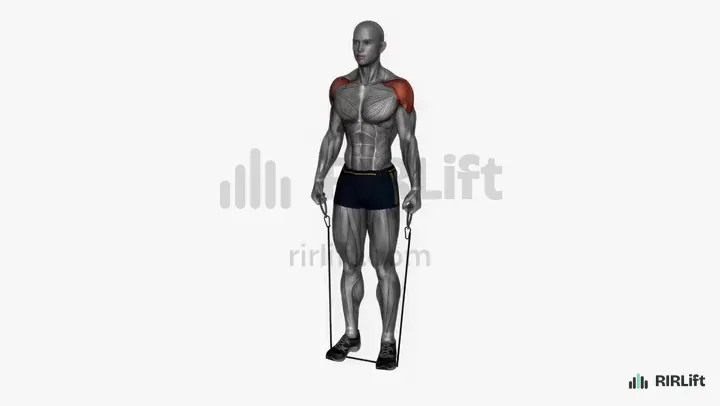
Band Lateral Raise

Shoulders

Stand on a band and raise your arms out to the sides. The band gets harder as your arms rise, so the top of the rep stays hard even when the band is light.

How to do it

  1. Stand on the middle of the band with both feet and hold an end in each hand by your thighs, palms facing your legs.
  2. Raise both arms out to the sides, leading with your elbows, until your hands reach shoulder height.
  3. Pause for a beat at the top.
  4. Lower over two seconds and keep a little tension at the bottom.

Cues

  • Lead with the elbows
  • Pinkies level with thumbs
  • Slow on the way down

Common mistakes

  • Shrugging the band up with your traps: keep your shoulders down and stop at shoulder height.
  • Letting the band go slack at the bottom: widen your stance so there is tension on every rep.

Presses and rear delt work to pair with them

Lateral raises are one part of a shoulder day. The example sessions open with a press and finish with a rear delt exercise.

Press, to pair in the gym

Machine Shoulder Press

Shoulders

A shoulder day needs one heavy press before the raises. The machine keeps it simple and lets you push close to failure.

How to do it

  1. Set the seat so the handles start at about shoulder height.
  2. Sit with your back flat against the pad and grip the handles, palms facing forward or in, whichever the machine gives you.
  3. Press up until your arms are nearly straight overhead.
  4. Lower the handles back to shoulder height under control and press again.

Cues

  • Back stays on the pad
  • Press up, not forward
  • Control the way down

Common mistakes

  • Arching hard off the backrest to finish a rep: lighten the stack and keep your ribs down.
  • Cutting the rep short at the top: finish each press with your arms almost fully extended.

Rear delts, to pair in the gym

Reverse Pec Deck

Shoulders

The machine fly for the back of your shoulders, to finish a gym shoulder day.

How to do it

  1. Set the handles to the rear position, sit facing the pad, and adjust the seat so the handles are at shoulder height.
  2. Hold the handles with arms straight in front of you, palms down or facing in.
  3. Sweep your arms out and back in a wide arc until they are in line with your body.
  4. Return slowly, stopping just before the weight touches the stack, and repeat.

Cues

  • Wide arc, not a row
  • Arms almost straight
  • Keep the stack off the rest

Common mistakes

  • Pulling the elbows back like a row: the arms move out to the side.
  • Too much weight with jerky reps: these grow on 12 to 20 controlled reps.

Press, to pair with dumbbells

Dumbbell Shoulder Press

Shoulders

The heavy lift of a dumbbell shoulder day; the raises after it train the side delts the press works least.

How to do it

  1. Sit on a bench with the back set upright, or stand with your feet hip-width apart, and bring the dumbbells to shoulder height, palms facing forward.
  2. Brace your abs so your ribs stay down.
  3. Drive both dumbbells overhead on a slight inward path until they nearly meet with your arms locked out.
  4. Lower until the dumbbells are level with your ears, then press again.

Cues

  • Ribs down, abs tight
  • Dumbbells to ear level
  • Press to a full lockout

Common mistakes

  • Arching your lower back to get the weight up, which turns it into a standing incline press. Lighten the load and brace.
  • Stopping each rep with the dumbbells above your head: lower them all the way to ear level.

Rear delts, to pair with dumbbells

Dumbbell Rear Delt Fly

Shoulders

A light fly for the back of your shoulders rounds out a dumbbell shoulder day.

How to do it

  1. Sit on the end of a bench holding a light pair of dumbbells and lean your chest toward your thighs.
  2. Let the dumbbells hang beside your calves, elbows just unlocked.
  3. Raise them out wide until your arms reach shoulder height.
  4. Lower slowly to the start.

Cues

  • Lead with the pinkies
  • Chest stays down
  • Small weight, slow reps

Common mistakes

  • Sitting up as you lift: stay folded over your legs.
  • Going too heavy: these work best with light weights and 15 to 25 reps.

Rear delts, to pair with bands

Band Rear Delt Fly

Shoulders

The band version of the rear delt fly, to round out a band shoulder session.

How to do it

  1. Stand on the middle of a band with your feet about hip-width apart and hold one end in each hand.
  2. Hinge forward from the hips with soft knees until your torso is close to level with the floor.
  3. With your elbows slightly bent, lift your arms wide until they reach shoulder height.
  4. Lower back down with control and repeat.

Cues

  • Torso still
  • Arms make a T
  • Control the band down

Common mistakes

  • Letting the band snap your arms back down: take as long to lower as to lift.
  • Standing too upright, which shifts the work to the side delts: keep the hinge.

Press, to pair with bands

Band Overhead Press

Shoulders

The press of a band-only shoulder day, done one arm at a time. It trains the front of your shoulders and triceps so the band raises after it can focus on the side delts.

How to do it

  1. Stand on one end of the band with the foot on your pressing side and hold the other end at your shoulder, palm facing in.
  2. Brace your stomach and squeeze your glutes so your ribs stay down.
  3. Press the band straight up until your arm is nearly straight beside your ear.
  4. Lower it slowly to your shoulder, finish all reps, then switch arms.

Cues

  • Ribs down, no lean
  • Press beside your ear
  • Choke up on the band to add load

Common mistakes

  • Leaning away from the working arm: brace harder or use a lighter band.
  • Pressing out in front of you: finish with your hand over your shoulder.

Example sessions without the dumbbell lateral raise

Session 1

Gym with cables and machines

Open in the session builder
  • Workouts2× a week
  • Working sets26 a week
  • Per workout~25 min
  • EquipmentShoulder Press, Adjustable Cable, Lateral Raise Machine, Fly Machine

You train in a gym and want side delt work that is not limited by how a dumbbell loads.

A machine press leads at moderate reps, then the cable lateral raise and machine lateral raise train your side delts two ways, and the reverse pec deck covers the rear delts. 13 working sets.

Shoulders
ExerciseSets × repsRIRRest
Machine Shoulder Press1 warm-up set first 3 × 8–12 2 2 min
Cable Lateral Raise 4 × 12–20 1 1 min
Machine Lateral Raise 3 × 12–15 1 1 min
Reverse Pec Deck 3 × 12–20 1 1 min
How to run it
Run it as a shoulder day once or twice a week, or split it across two upper-body days.
How to progress
Add the smallest weight step on the press once every set reaches 12 reps at 2 RIR. On the raises, add reps up to 20, then the next pin.

Session 2

Home with dumbbells

Open in the session builder
  • Workouts2× a week
  • Working sets24 a week
  • Per workout~25 min
  • EquipmentDumbbells

You train at home with dumbbells and a bench, and standing lateral raises either swing or stop feeling like they work.

A seated dumbbell press leads, the leaning raise loads the bottom of the rep, the seated raise stops the swing, and rear delt flies finish the back of your shoulders. 12 working sets.

Shoulders
ExerciseSets × repsRIRRest
Dumbbell Shoulder Press1 warm-up set first 3 × 8–12 2 2 min
Leaning Dumbbell Lateral RaiseSets are per arm. 3 × 12–20 1 1 min
Seated Dumbbell Lateral Raise 3 × 12–20 1 1 min
Dumbbell Rear Delt Fly 3 × 15–25 1 45 s
How to run it
Twice a week. If the next dumbbell up is a big jump, do the raises one arm at a time with the heavier one.
How to progress
Add reps first on every raise up to 20, then move up a dumbbell and start again at 12. On the press, move up once every set reaches 12.

Session 3

Resistance bands only

Open in the session builder
  • Workouts3× a week
  • Working sets30 a week
  • Per workout~20 min
  • EquipmentResistance Bands

You have a resistance band or two and floor space, and no dumbbells.

A one-arm band press gives the session its press, band lateral raises train the side delts at high reps close to failure, and band rear delt flies cover the back of your shoulders. 10 working sets.

Shoulders
ExerciseSets × repsRIRRest
Band Overhead PressSets are per arm. 3 × 10–15 2 1 min
Band Lateral Raise 4 × 15–25 0 45 s
Band Rear Delt Fly 3 × 15–25 1 45 s
How to run it
Two or three times a week; short rest keeps it to about twenty minutes.
How to progress
Add reps until you reach the top of each range, then use a thicker band, widen your stance on it, or choke up on the press.

Make it fit you

Questions

What can I do instead of lateral raises?

Cable lateral raises and machine lateral raises are the best swaps. With dumbbells, try leaning or seated raises; at home, band lateral raises work with one band.

Do you have to lean forward for lateral raises?

A slight lean of the torso, with your arms a little in front of your body, is fine and often feels better on the shoulder. Just keep your arms moving out to the sides, not forward.

What is the best rep range for lateral raises?

Most people do best with 12 to 20 reps, close to failure. Heavier sets of 6 to 8 usually turn into swinging and shift the work away from the side delts.

How do you replace a lateral raise machine?

Use a cable lateral raise, which keeps the same tension through the rep, or a seated dumbbell lateral raise to keep the strict, no-swing feel.

Are upright rows a good lateral raise alternative?

Yes, if you use a grip at least shoulder-width wide and stop when your elbows reach shoulder height. They let you load your side delts heavier than raises.

Is a 10 kg lateral raise good?

If you can raise 10 kg dumbbells to shoulder height for 12 strict reps, yes. If you have to swing them, use less: the weight matters less than reaching shoulder height cleanly.

What is a good lateral raise alternative at home?

A band lateral raise is the best home swap. With dumbbells, use leaning, seated or single-arm raises.