
Leg exercises at home: squats, lunges, hinges, glutes and calves without a gym
Published October 19, 2026
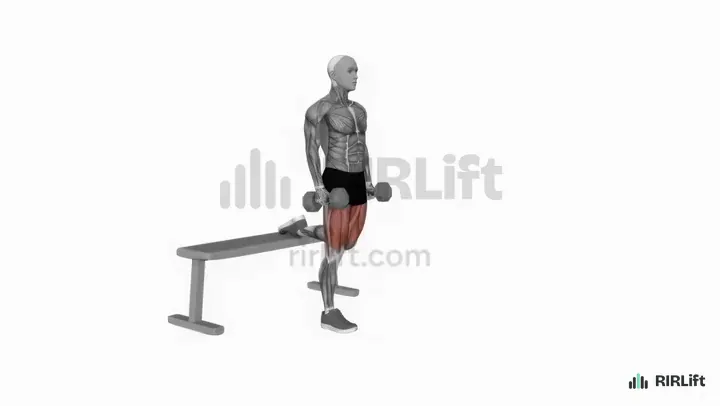
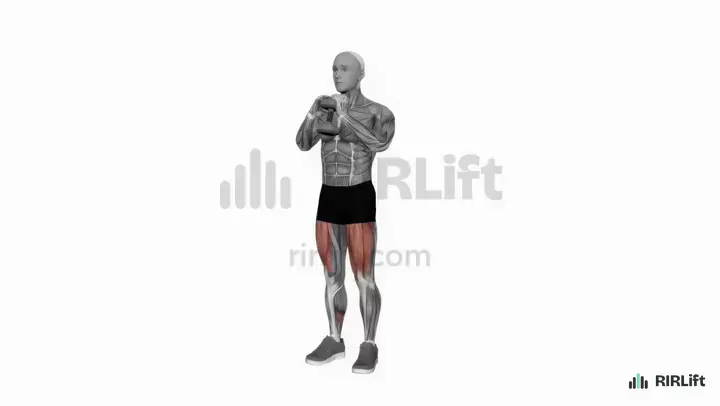
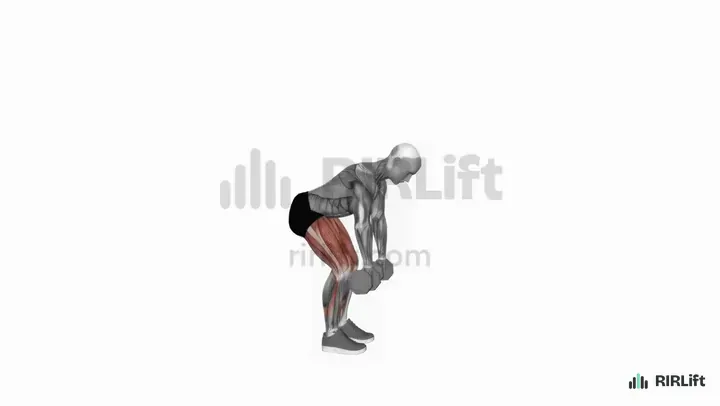
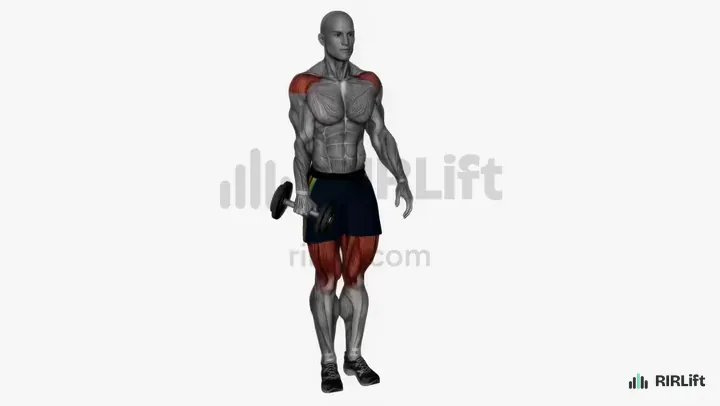
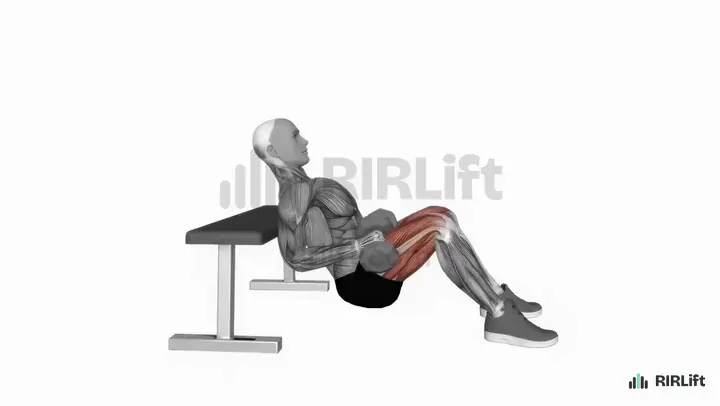
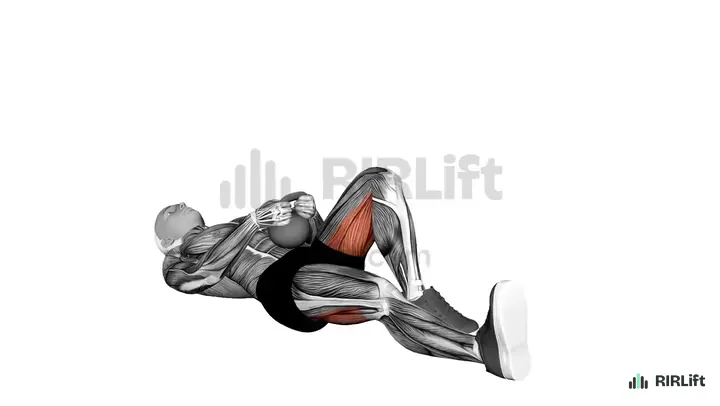
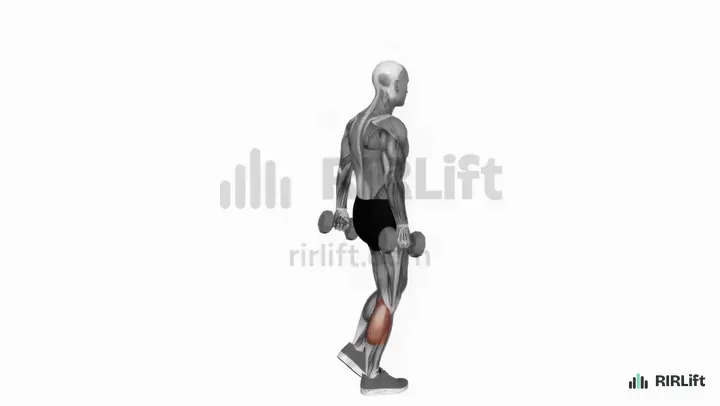
The best leg exercises at home are the Bulgarian split squat and the goblet squat for your quads and glutes, the dumbbell Romanian deadlift and the single-leg RDL for your hamstrings, the hip thrust or single-leg glute bridge for your glutes, and single-leg calf raises on a stair. With no weights at all, swap in the bodyweight squat, the Nordic curl and the sissy squat. One-leg exercises are the key at home: they make light dumbbells, or no dumbbells, heavy enough to build your legs.
- Bulgarian Split Squat Quads, Glutes
- Goblet Squat Quads, Glutes
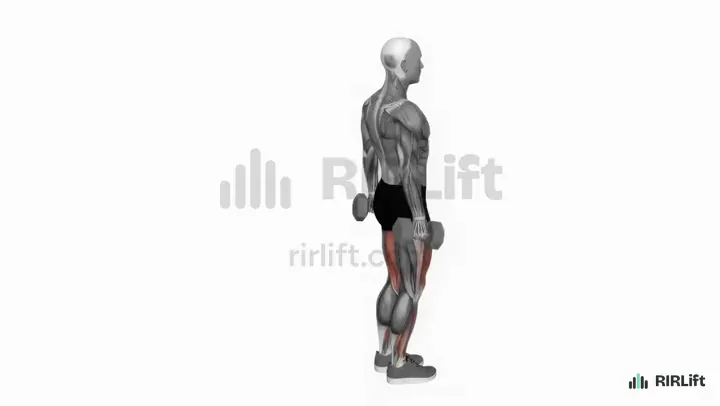
- Dumbbell Reverse Lunge Quads, Glutes
- Dumbbell Romanian Deadlift Hamstrings, Glutes
- Single-Leg RDL Hamstrings, Glutes
- Dumbbell Hip Thrust Glutes
- Single-Leg Glute Bridge Glutes
- Single-Leg Calf Raise Calves
Put them together: example sessions
Each session below picks from the exercises above for one situation, with the sets, reps, rest and RIR filled in. Open one in the session builder to change a pick, price it from a recent set, and add it to RIRLift.
-
Session 1
Nothing but your bodyweight
You have floor space, a couch or sturdy chair and a stair, and no weights at all.
2× a week · 23 sets a week · ~25 min
-
Session 2
One pair of dumbbells and a couch
You have one or two fixed pairs of dumbbells, a couch or bench, and 40 minutes twice a week.
2× a week · 24 sets a week · ~30 min
-
Session 3
Knees that hurt on deep squats
You want stronger legs at home but deep squats and lunges hurt your knees right now.
2× a week · 24 sets a week · ~30 min
Session 1
Nothing but your bodyweight
- Workouts2× a week
- Working sets23 a week
- Per workout~25 min
- EquipmentDumbbells, Flat Bench
You have floor space, a couch or sturdy chair and a stair, and no weights at all.
Without weight the only ways to make a set hard are one leg at a time, slow lowering and short rests. So every lift here is single-leg or a slow lowering, and the sets run 10 to 25 reps to 0 to 1 reps in reserve, which builds muscle about as well as heavier sets when you take them that close. The Nordic curl stays at 1 to 2 in reserve because a failed rep there drops you on your hands. Session A has 12 working sets and session B has 11.
| Exercise | Sets × reps | RIR | Rest |
|---|---|---|---|
| Bulgarian Split SquatPer leg. Rear foot on the couch. | 3 × 10–20 | 1 | 90 s |
| Single-Leg Glute BridgePer leg. 2 s hold at the top. | 3 × 12–20 | 0 | 1 min |
| Sissy SquatKneeling. Small range first. | 3 × 8–15 | 1 | 1 min |
| Single-Leg Calf RaisePer leg, on a stair. | 3 × 12–20 | 0 | 45 s |
Open Legs A in the session builder
| Exercise | Sets × reps | RIR | Rest |
|---|---|---|---|
| Bodyweight Squat3 s down, 1 s pause. | 3 × 15–25 | 1 | 1 min |
| Nordic Hamstring CurlFeet under the couch. Lower slowly. | 3 × 3–8 | 2 | 2 min |
| Step-UpPer leg. Highest stable step. | 3 × 10–15 | 1 | 1 min |
| Single-Leg Calf RaisePer leg. | 2 × 12–20 | 0 | 45 s |
Open Legs B in the session builder
- How to run it
- Do Legs A and Legs B once each per week with a day or more between them. For the Nordic curl, hook your feet under a couch with a pillow under your knees.
- How to progress
- Add reps until you reach the top of every range, then slow the lowering to three or four seconds and pause at the bottom. When that runs out too, add a backpack with books.
Session 2
One pair of dumbbells and a couch
- Workouts2× a week
- Working sets24 a week
- Per workout~30 min
- EquipmentDumbbells, Exercise Ball
You have one or two fixed pairs of dumbbells, a couch or bench, and 40 minutes twice a week.
Dumbbells make the squats and hinges loadable, so this plan leads each day with one heavy pattern, goblet squat on A and Romanian deadlift on B, and fills in with the one-leg lifts. The leading lifts stop 1 to 2 reps short because they load the back; everything else goes to 0 to 1. Each day has 12 working sets.
| Exercise | Sets × reps | RIR | Rest |
|---|---|---|---|
| Goblet Squat | 3 × 8–15 | 2 | 2 min |
| Bulgarian Split SquatPer leg. | 3 × 8–15 | 1 | 90 s |
| Dumbbell Hip ThrustBack on the couch. | 3 × 10–20 | 1 | 90 s |
| Single-Leg Calf RaisePer leg. Hold a dumbbell. | 3 × 10–20 | 0 | 45 s |
Open Legs A in the session builder
| Exercise | Sets × reps | RIR | Rest |
|---|---|---|---|
| Dumbbell Romanian DeadliftStop at a full stretch. | 3 × 8–15 | 2 | 2 min |
| Dumbbell Reverse LungePer leg. | 3 × 8–12 | 1 | 90 s |
| Stability Ball Leg CurlOr a second set of RDLs. | 3 × 10–15 | 1 | 1 min |
| Heels-Elevated Goblet SquatHeels on a plate or book. | 3 × 12–20 | 0 | 1 min |
Open Legs B in the session builder
- How to run it
- Do both days each week. Hold one dumbbell for the goblet squat and both for the hip thrust if your pair is light.
- How to progress
- When you reach the top of the rep range on every set, add weight if you have it. If not, switch the goblet squat to the heels-elevated version and the Romanian deadlift to the single-leg RDL, which make the same weight harder.
Session 3
Knees that hurt on deep squats
- Workouts2× a week
- Working sets24 a week
- Per workout~30 min
- EquipmentDumbbells, Flat Bench
You want stronger legs at home but deep squats and lunges hurt your knees right now.
This plan leans on hips and hamstrings, which load the knee little, and keeps the knee-bending exercises to step-ups and a partial goblet squat where you control the depth. The knee exercises stay at 2 to 3 reps in reserve so you stop before any pain shows up, while bridges, hinges and calves go closer to failure because the knee is barely involved. Each session has 12 working sets.
| Exercise | Sets × reps | RIR | Rest |
|---|---|---|---|
| Dumbbell Hip Thrust | 3 × 10–20 | 1 | 90 s |
| Dumbbell Romanian Deadlift | 3 × 10–15 | 1 | 90 s |
| Step-UpPer leg. Low step first. | 3 × 10–15 | 2 | 1 min |
| Goblet SquatPain-free depth only. | 3 × 10–15 | 3 | 90 s |
Open Legs in the session builder
| Exercise | Sets × reps | RIR | Rest |
|---|---|---|---|
| Single-Leg Glute BridgePer leg. | 3 × 12–20 | 0 | 1 min |
| Single-Leg RDLPer leg. | 3 × 8–12 | 1 | 1 min |
| Step-UpPer leg. | 3 × 10–15 | 2 | 1 min |
| Single-Leg Calf RaisePer leg. | 3 × 12–20 | 0 | 45 s |
Open Legs (glute focus) in the session builder
- How to run it
- Do it twice a week. Step-ups start on the lowest stair; goblet squats go only as deep as is pain free.
- How to progress
- Raise the step height or squat depth a little each week while your knees stay quiet. Once both are back to full range, move to the dumbbell plan.
Make it fit you
-
You live in an apartment
Skip jumping and the Nordic curl if your floor is shared; the split squat, hip thrust and Romanian deadlift are all quiet. Put a folded towel under your back knee on lunges.
-
Only one dumbbell
Hold it at your chest for goblet squats and split squats, on your hip for thrusts, and in one hand for the single-leg RDL and calf raises. Every lift in the dumbbell plan works with one.
-
Starting out, or starting back
Use the no-equipment plan with 2 to 3 reps in reserve on every set for the first three weeks, and hold a wall or chair on split squats and calf raises until your balance catches up.
-
Hamstrings feel weaker than quads
Swap one quad exercise each session for a second hamstring exercise: Romanian deadlifts on A, ball curls or Nordics on B. Keep the hinge first while you are fresh.
-
Twenty minutes, not forty
Pair the exercises two at a time and go back and forth without rest, for example split squats with hip thrusts, then Romanian deadlifts with calf raises. Three rounds of each pair fit in 20 minutes.
-
Log the RIR, not just the reps
At home the weight rarely changes, so the reps you had left are what tells you whether you got stronger. Log them in RIRLift and you can see each set getting harder to finish at the same reps in reserve, or easier, week to week.
Questions
How can I work out my legs at home?
Pick one squat or split squat, one hinge for your hamstrings, one glute bridge or thrust and one calf raise, and do two or three hard sets of each twice a week. Use one-leg versions and slow lowering if you have little or no weight.
What are the big 3 leg exercises?
In a gym, the squat, the deadlift and the lunge are the usual answer. At home the equivalents are the goblet or Bulgarian split squat, the dumbbell Romanian deadlift and the reverse lunge or step-up.
What leg exercises are good for bad knees?
Hip thrusts, glute bridges, Romanian deadlifts and calf raises load the knee very little. Low step-ups and squats to a depth that does not hurt are usually fine too. Build depth back gradually rather than avoiding knee bending forever.
How do seniors strengthen their legs at home?
The same way as anyone: squats to a chair, step-ups on a low stair, glute bridges and calf raises with a hand on the wall, done for a few sets that end a couple of reps short of failure, two or three times a week. Add weight or reps slowly as they get easier.
Can you build big legs without weights?
You can build a lot of muscle with one-leg exercises, slow lowering and sets taken close to failure. Bulgarian split squats, Nordic curls and single-leg bridges are hard even for trained lifters. Past a point, adding a pair of dumbbells makes progress much easier.
How often should I train legs at home?
Two sessions a week covers most people. If you can only do one, make it the longer of the two days in a plan above and add a set to each exercise.
Related templates
-
Leg exercises with dumbbells: quads, hamstrings, glutes and calves
More dumbbell squats, lunges and hinges if you have a full set of weights.
-
Resistance band leg exercises for quads, hamstrings, glutes and hips
Band versions of the squat, curl and hip thrust for even less gear.
-
Quad exercises at home: squats, split squats and no-equipment moves
Deeper on the front of the thighs.
-
Single-leg glute bridge: how to do it, what it works, and how to make it harder
Full setup and programming for the floor glute exercise.
-
How to use RIR
How to judge reps in reserve when the weight stays the same.