
Low impact exercises for seniors: cardio and strength without jumping
Published October 29, 2026
The best low impact exercises for seniors pair easy-on-the-joints cardio with strength work. For cardio, use brisk walking, a stationary bike, an elliptical or a rowing machine for 20 to 30 minutes on most days. For strength, do chair squats, step-ups or the leg press for the legs, counter push-ups, band rows or cable rows for the upper body, and side leg raises and calf raises for the hips and ankles, 2 or 3 days a week. None of them involve jumping, and each one can be made harder with weight instead of impact.
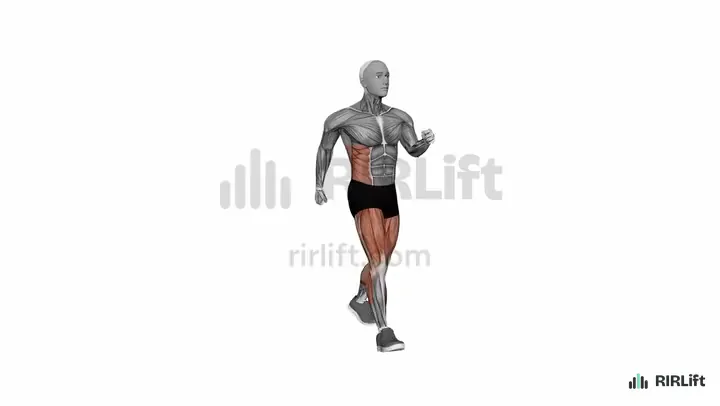
- Brisk Walk Quads, Hamstrings, Glutes, Calves
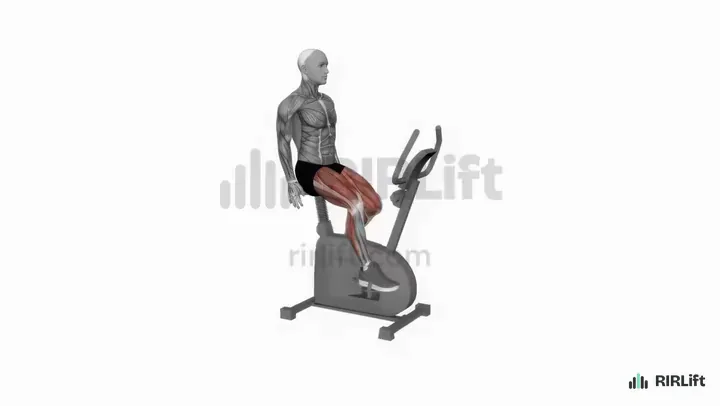
- Stationary Bike Quads, Hamstrings
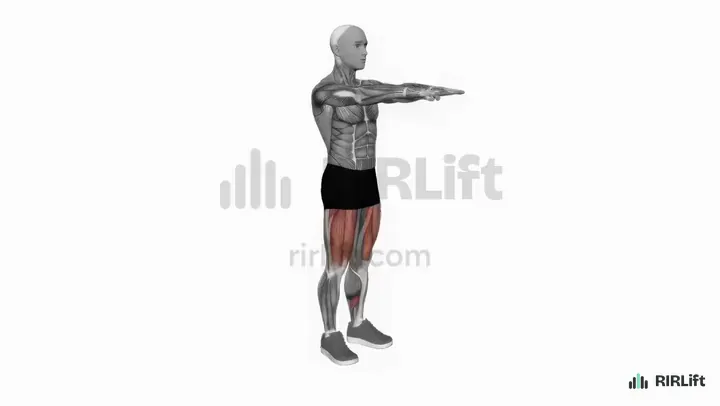
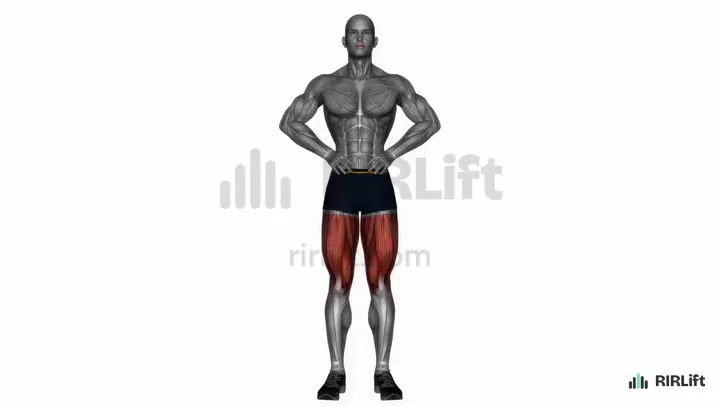
- Bodyweight Squat Quads
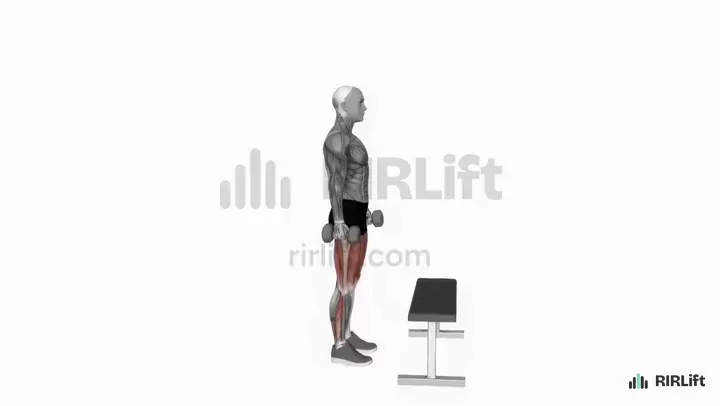
- Step-Up Quads, Glutes
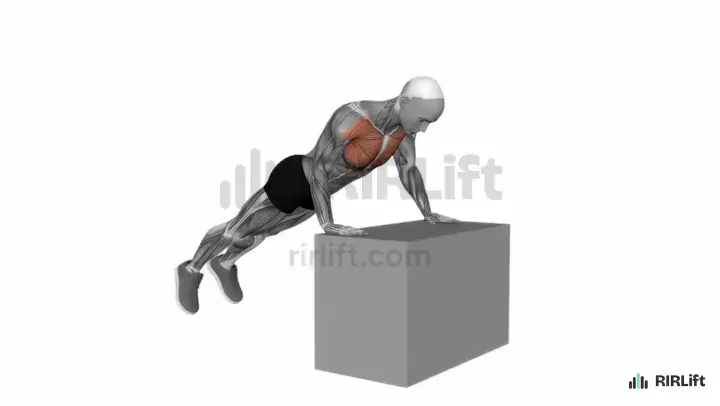
- Incline Push-Up Chest
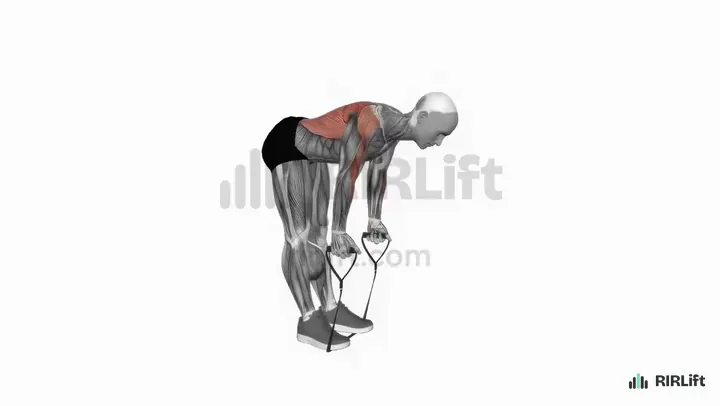
- Band Bent-Over Row Lats, Upper Back
- Standing Side Leg Raise Abductors
Put them together: example sessions
Each session below picks from the exercises above for one situation, with the sets, reps, rest and RIR filled in.
-
Session 1
At home, walking plus a band and a chair
You want to stay active without jumping or running, you have a resistance band and a sturdy chair, and you can walk outdoors or in a mall.
3× a week · 54 sets a week · ~25 min
-
Session 2
A gym with cardio machines and weights
You go to a gym or community center twice a week, and you want cardio and strength in one visit without anything that pounds your joints.
2× a week · 38 sets a week · ~30 min
-
Session 3
Knees or hips that ache when walking
Walking more than a few minutes makes your knees or hips ache, and you want to keep your heart and muscles working anyway.
2× a week · 36 sets a week · ~25 min
Session 1
At home, walking plus a band and a chair
- Workouts3× a week
- Working sets54 a week
- Per workout~25 min
- EquipmentResistance Bands
You want to stay active without jumping or running, you have a resistance band and a sturdy chair, and you can walk outdoors or in a mall.
Each session opens with a 10-minute brisk walk and then four strength exercises at 2 sets each, so 8 strength sets three times a week, or 24 in total. Light, frequent sessions suit bodyweight and band exercises, and every set ends with 2 or 3 reps left so your joints stay fresh for the next day.
| Exercise | Sets × reps | RIR | Rest |
|---|---|---|---|
| Brisk WalkSeconds. Ten one-minute blocks back to back, a pace you can talk in. | 10 × 60 | 4 | 0 s |
| Bodyweight SquatHips touch a chair seat. | 2 × 8–15 | 3 | 90 s |
| Incline Push-UpHands on the kitchen counter. | 2 × 8–15 | 3 | 90 s |
| Band Bent-Over RowStand on the band, flat back. | 2 × 10–20 | 2 | 1 min |
| Standing Side Leg RaisePer leg. Hold the counter. | 2 × 10–15 | 2 | 1 min |
- How to run it
- Do it three times a week, for example Monday, Wednesday and Friday. On the days in between, take a longer walk of 20 to 30 minutes; together it adds up toward 150 minutes a week.
- How to progress
- Once a set reaches the top of its rep range with 2 or 3 reps still in reserve, make that exercise harder: a lower chair or a dumbbell for squats, a lower surface for push-ups, a stronger band for rows. Lengthen the walks on your other days by 5 minutes every couple of weeks until they reach 30.
Session 2
A gym with cardio machines and weights
- Workouts2× a week
- Working sets38 a week
- Per workout~30 min
- EquipmentElliptical, Leg Press, Cable Row, Rowing Machine +2
You go to a gym or community center twice a week, and you want cardio and strength in one visit without anything that pounds your joints.
Each visit has 10 minutes on an elliptical or rower, then 9 strength sets on machines and simple exercises. Twice a week gives 18 strength sets, enough to build strength steadily at 2 reps in reserve, plus 20 minutes of machine cardio on top of any walking you do.
| Exercise | Sets × reps | RIR | Rest |
|---|---|---|---|
| EllipticalSeconds. Ten one-minute blocks back to back, steady pace. | 10 × 60 | 4 | 0 s |
| Leg PressBack flat on the pad. | 3 × 10–12 | 2 | 2 min |
| Seated Cable Row | 3 × 10–12 | 2 | 90 s |
| Incline Push-UpHands on a bench or bar in a rack. | 3 × 8–15 | 2 | 90 s |
| Exercise | Sets × reps | RIR | Rest |
|---|---|---|---|
| Rowing MachineSeconds. Ten one-minute blocks back to back, long easy strokes. | 10 × 60 | 4 | 0 s |
| Step-UpPer leg. Low box beside a rail. | 3 × 8–12 | 2 | 90 s |
| Seated Cable RowPause with the handle at your stomach. | 3 × 10–12 | 2 | 90 s |
| Dumbbell Standing Calf RaiseOn a step, holding a rail. | 3 × 10–15 | 2 | 1 min |
- How to run it
- Leave at least one rest day between Day A and Day B, for example Monday and Thursday. The 10 minutes of cardio is your warm-up, so keep the first few minutes easy.
- How to progress
- Add reps until every set reaches the top of its range, then take the smallest step up: one plate on the machines, slightly heavier dumbbells for step-ups and calf raises, a lower surface for push-ups. On cardio, raise the resistance a level when 10 minutes feels easy, or stay on for longer after the strength work.
Session 3
Knees or hips that ache when walking
- Workouts2× a week
- Working sets36 a week
- Per workout~25 min
- EquipmentExercise Bike, Leg Press, Cable Row
Walking more than a few minutes makes your knees or hips ache, and you want to keep your heart and muscles working anyway.
The bike replaces walking because it takes your body weight off the joints, and the leg press trains the thighs in a range you set. Each session is a 10-minute ride plus four strength exercises at 2 sets, 8 strength sets twice a week, all at 2 to 3 reps in reserve.
| Exercise | Sets × reps | RIR | Rest |
|---|---|---|---|
| Stationary BikeSeconds. Ten one-minute blocks back to back, easy resistance. | 10 × 60 | 4 | 0 s |
| Leg PressFeet high on the platform, comfortable depth. | 2 × 12–15 | 3 | 2 min |
| Seated Cable Row | 2 × 10–12 | 2 | 90 s |
| Incline Push-UpHands on a high bench. | 2 × 8–12 | 2 | 90 s |
| Standing Side Leg RaisePer leg. Hold a rail. | 2 × 10–15 | 2 | 1 min |
- How to run it
- Twice a week, for example Tuesday and Friday. If you have a bike at home, ride for 15 to 20 minutes on one or two other days as well.
- How to progress
- Raise the bike resistance a little each week. On the leg press, add depth before weight: once a range feels fine for two weeks, let the platform come an inch closer.
Make it fit you
-
You want to lose some weight
Add 10 minutes to the cardio part of each session and walk on the days in between. Keep both strength sessions, so the weight you lose comes from fat rather than muscle.
-
Balance is your main worry
Do the step-ups, side leg raises and calf raises in every session, next to a counter you can touch. Practicing on one leg under control is what builds steadiness.
-
You prefer water exercise
Swimming and water aerobics are good low-impact cardio. Keep two strength sessions a week on land as well, because the water carries your weight and loads your legs far less than standing up from a chair or climbing a step.
-
Bodyweight exercises got easy
Hold a dumbbell at your chest for squats, hold dumbbells for step-ups, and move push-ups to a lower surface. Adding weight keeps the exercises low impact while making them harder.
-
Track the reps you had left
After each strength set, note how many more reps you could have done. If you log in RIRLift, it uses that number to suggest the next weight, so the exercises keep getting harder at a pace your joints accept.
Questions
What exercise should a 70 year old do every day?
Walking, at a pace that raises your breathing, for 20 to 30 minutes. Add strength exercises such as chair squats, counter push-ups and band rows 2 or 3 days a week, with a rest day between them so the muscles recover.
How can older adults regain muscle quickly?
Strength training 2 or 3 times a week with loads that make the last reps of each set hard, plus enough protein at each meal. Machines like the leg press and cable row let you load the muscles with no balance needed, and strength usually improves within a few weeks.
What exercise burns the most belly fat for seniors?
No exercise burns fat from one area. Fat comes off the whole body when you burn more than you eat. Walking, the bike or the rower on most days, two strength sessions a week to keep muscle, and eating a little less is the combination that works.
Is strength training low impact?
Yes. Lifting weights or using bands moves the joints slowly against resistance with no landing, which is the definition of low impact. It is also the low-impact exercise that builds muscle best.
What are the best low impact exercises for seniors with bad knees?
The stationary bike for cardio, and the leg press with a comfortable depth, side leg raises and calf raises for strength. Rows and counter push-ups train the upper body without loading the knees at all.
Related templates
-
Low impact exercises: cardio and strength that go easy on your joints
More options for any age, including harder strength moves.
-
Low impact cardio exercises: hard work with no jumping or pounding
More cardio choices and how to build intervals.
-
Standing exercises for seniors: full-body strength with no floor work
Strength work you can do holding a counter.
-
The best workout for seniors: strength, power and balance
Weekly strength programs for older adults.
-
How to use reps in reserve (RIR)
How to stop each set with a few reps left.