
Oblique exercises for men: rotation, side bends, side planks and anti-rotation
Published October 29, 2026
The best oblique exercises for men are the cable woodchop, landmine twist and Russian twist for rotation, the dumbbell side bend and side plank for bending and holding sideways, the Pallof press and suitcase carry for resisting a pull to one side, and the hanging oblique crunch for the hardest bodyweight version. The obliques turn your trunk, bend it sideways and stop it from twisting, so a good routine includes one of each. Do two or three of these for 2 to 3 sets of 8 to 15 per side, twice a week, stopping 1 to 2 reps short of failure.
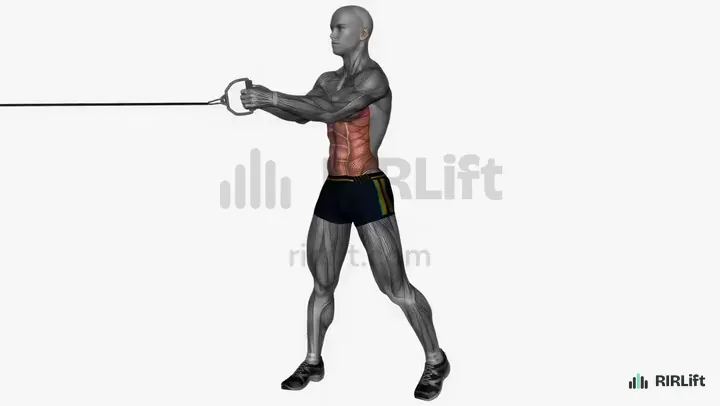
- Cable Woodchop Abs
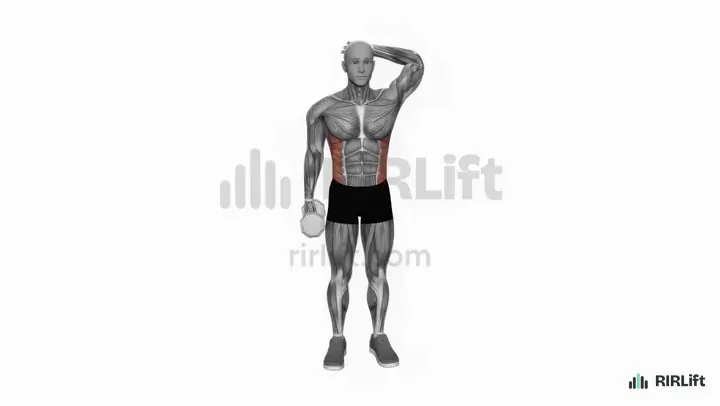
- Dumbbell Side Bend Abs
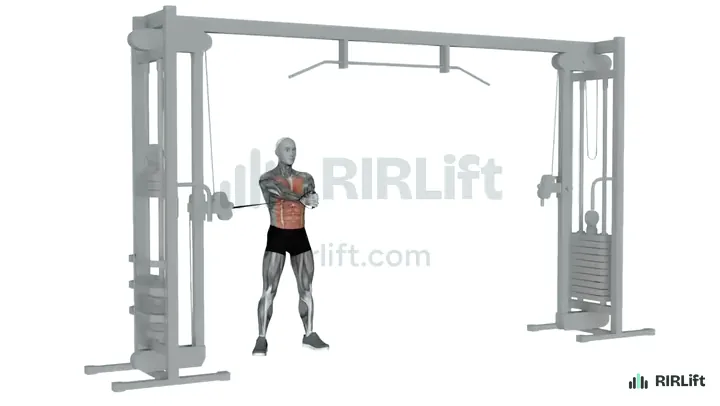
- Pallof Press Abs
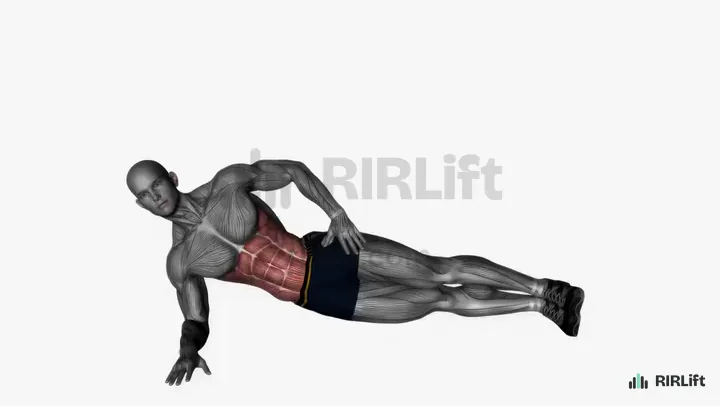
- Side Plank Abs
- Hanging Oblique Crunch Abs
- Landmine Twist Abs
- Russian Twist Abs
- Dumbbell Suitcase Carry Abs, Quads
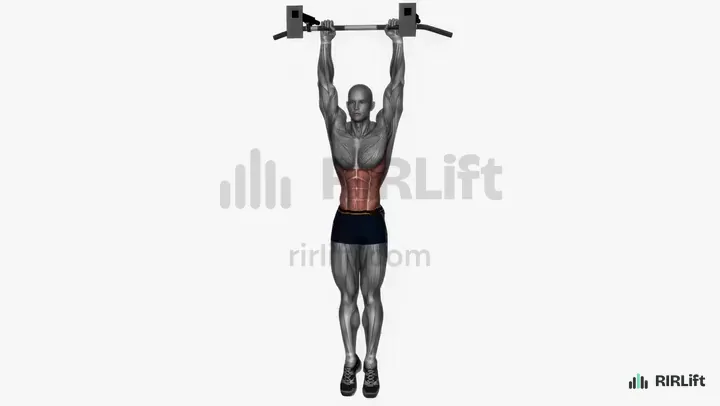
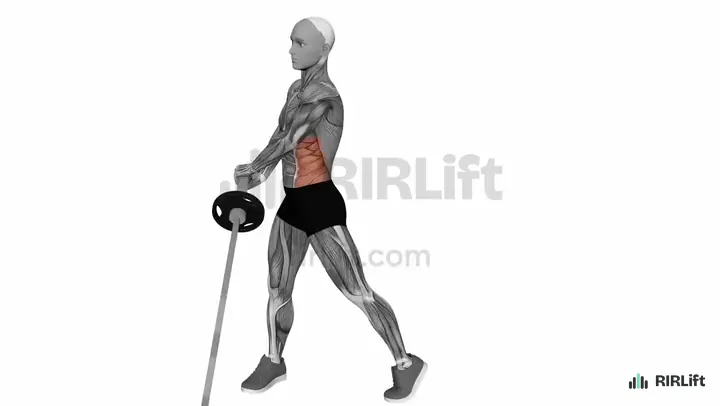
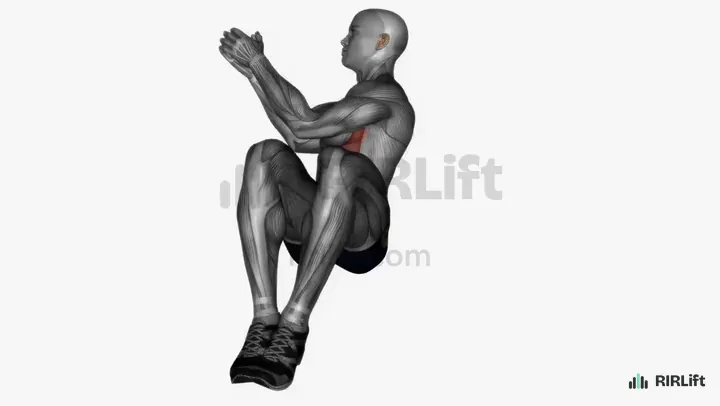
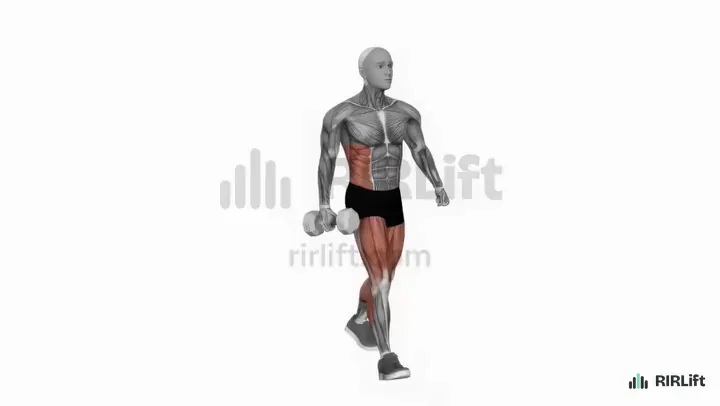
Put them together: example sessions
Each session below picks from the exercises above for one situation, with the sets, reps, rest and RIR filled in.
-
Session 1
At the gym, after your main lifts
You lift three or four times a week and want the obliques trained properly without adding a separate day.
2× a week · 10 sets a week · ~15 min
-
Session 2
At home with one dumbbell
You train at home with a mat and a single dumbbell, and want the sides of your trunk stronger.
3× a week · 15 sets a week · ~10 min
-
Session 3
You swing, throw or punch in your sport
You play golf, baseball, softball, tennis, hockey or a combat sport and want more power through your trunk.
2× a week · 13 sets a week · ~20 min
Session 1
At the gym, after your main lifts
- Workouts2× a week
- Working sets10 a week
- Per workout~15 min
- EquipmentAdjustable Cable, Dumbbells, Pull-Up Bar
You lift three or four times a week and want the obliques trained properly without adding a separate day.
Two exercises at the end of two sessions give about 10 oblique sets a week, one rotation or side-bending move and one anti-rotation or hanging move each time.
| Exercise | Sets × reps | RIR | Rest |
|---|---|---|---|
| Cable WoodchopPer side. | 3 × 8–12 | 1 | 1 min |
| Pallof PressPer side. | 2 × 10–12 | 2 | 1 min |
| Exercise | Sets × reps | RIR | Rest |
|---|---|---|---|
| Dumbbell Side BendPer side. | 3 × 10–15 | 1 | 1 min |
| Hanging Oblique CrunchPer side. | 2 × 6–12 | 2 | 75 s |
- How to run it
- Add Session A after one upper day and Session B after a lower or second upper day. Keep a day between them.
- How to progress
- When every woodchop or side bend set reaches the top of the range at 1 rep in reserve, add one plate or go up 5 lb. On hanging oblique crunches, add reps to 12 per side, then slow the lowering.
Session 2
At home with one dumbbell
- Workouts3× a week
- Working sets15 a week
- Per workout~10 min
- EquipmentDumbbells
You train at home with a mat and a single dumbbell, and want the sides of your trunk stronger.
With one dumbbell the load is light, so the plan uses three short sessions for 14 sets a week, each with one rotation and one side exercise.
| Exercise | Sets × reps | RIR | Rest |
|---|---|---|---|
| Dumbbell WoodchopPer side. | 3 × 10–15 | 2 | 1 min |
| Side PlankSeconds per side. | 2 × 20–40 | 2 | 45 s |
| Exercise | Sets × reps | RIR | Rest |
|---|---|---|---|
| Russian TwistCount both sides; each turn is one rep. | 3 × 10–16 | 2 | 1 min |
| Dumbbell Side Plank Hip DipPer side. | 2 × 8–12 | 2 | 1 min |
| Exercise | Sets × reps | RIR | Rest |
|---|---|---|---|
| Windshield WipersPer side. | 3 × 6–10 | 2 | 1 min |
| Dumbbell Side BendPer side. | 2 × 12–15 | 2 | 1 min |
- How to run it
- Do one session on three non-consecutive days. Each takes about 10 minutes and can follow any home workout.
- How to progress
- Once all your sets on an exercise hit the top of its range with 2 reps still left, make it harder: hold the dumbbell for the Russian twist, place it on your hip for the side plank hip dips, or slow every rep to 3 seconds each way.
Session 3
You swing, throw or punch in your sport
- Workouts2× a week
- Working sets13 a week
- Per workout~20 min
- EquipmentMedicine Ball, Dumbbells, Landmine, Adjustable Cable
You play golf, baseball, softball, tennis, hockey or a combat sport and want more power through your trunk.
Power work needs fresh, full-speed reps, so each session opens with a throw or loaded twist and closes with a heavy carry for control. Six or seven sets per session, twice a week, trains speed without making you sore before games.
| Exercise | Sets × reps | RIR | Rest |
|---|---|---|---|
| Med Ball Rotational ThrowPer side. Full speed. | 4 × 5–6 | 3 | 90 s |
| Dumbbell Suitcase CarrySeconds per side. | 3 × 30–40 | 2 | 90 s |
| Exercise | Sets × reps | RIR | Rest |
|---|---|---|---|
| Landmine TwistPer side. | 3 × 8–10 | 2 | 75 s |
| Pallof PressPer side. | 3 × 8–12 | 2 | 1 min |
- How to run it
- Do these at the start of a gym session on two days away from games or hard practice. In season, keep Day 1 only.
- How to progress
- Keep the medicine ball the same and throw harder; move up a size only when every rep is fast. Add 5 to 10 lb to the landmine twist and carry when sets reach the top of the range at 2 reps in reserve.
Make it fit you
-
Worried about a thicker waist
Oblique muscle adds very little width compared with fat around the waist. If you still want to keep it lean, favor the Pallof press, carries and side planks over heavy side bends.
-
Lower back feels it on twists
Swap Russian twists and windshield wipers for the Pallof press and side plank, which train the obliques without turning the spine under load.
-
Seeing the obliques
The obliques show when overall body fat is low; no exercise burns fat from your sides. These exercises build the muscle so the shape is there when the fat comes down.
-
Count reps per side
Log one side's reps and how many more you could have done on that side. RIRLift sets the next session from those reps in reserve, so the weaker side sets the pace.
Questions
What ab exercises are good for obliques?
Woodchops, Russian twists, side planks, side bends and hanging oblique crunches. Bicycle crunches work them too, but they are hard to load once they get easy.
What gym machines work obliques?
The cable machine is the best one: woodchops and Pallof presses both use it. A landmine and a captain's chair or pull-up bar for hanging oblique crunches cover the rest.
What does a strong oblique look like?
It holds your trunk straight under a heavy one-arm carry or press, and it turns the hips and shoulders hard in a throw or swing. When body fat is low, it shows as lines along the sides of the abs.
Will oblique exercises make my waist bigger?
Not by much. The obliques are thin muscles, and fat changes waist size far more than they do. Heavy side bends can add a little; anti-rotation work hardly any.
What is the single best exercise for obliques?
The cable woodchop, because it trains rotation with load you can increase steadily. At home, the dumbbell side bend is the easiest to load.
Related templates
-
Ab exercises for men: weighted crunches, leg raises, rollouts and rotation
Weighted crunches and leg raises for the front of the abs.
-
Core exercises for men: bracing, carries, lower back and rotation
Planks, rollouts and carries for the whole trunk.
-
Dumbbell oblique exercises: bend, chop, plank and carry
More oblique work with a single dumbbell.
-
Russian twist alternatives: oblique swaps that load more and are easier on your back
Other rotation exercises when twists bother your back.
-
How to use RIR
How to judge reps in reserve on per-side exercises.