
Core exercises for men: bracing, carries, lower back and rotation
Published October 29, 2026
The best core exercises for men are the ab wheel rollout, plank and dead bug for keeping your lower back from arching, the Pallof press and side plank for resisting twisting and side bending, the farmer's walk and suitcase carry for holding your trunk steady under load, and the back extension for the muscles along your spine. Your core's main job is to keep your trunk still while your arms and legs produce force, so most of these train holding position, not crunching. Do three of them, one from each group, for 2 to 3 sets, twice a week after your main lifts.
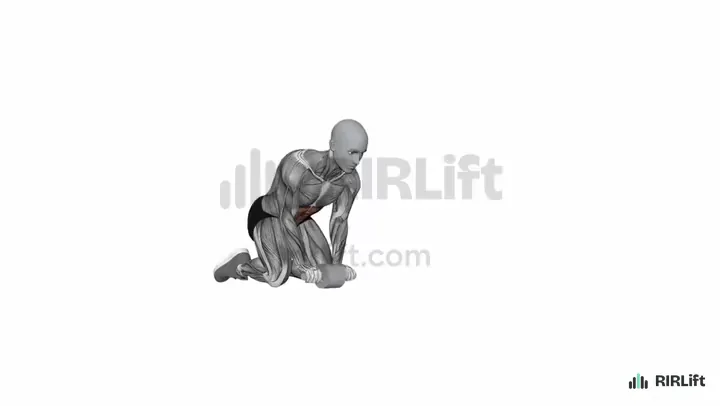
- Ab Wheel Rollout Abs
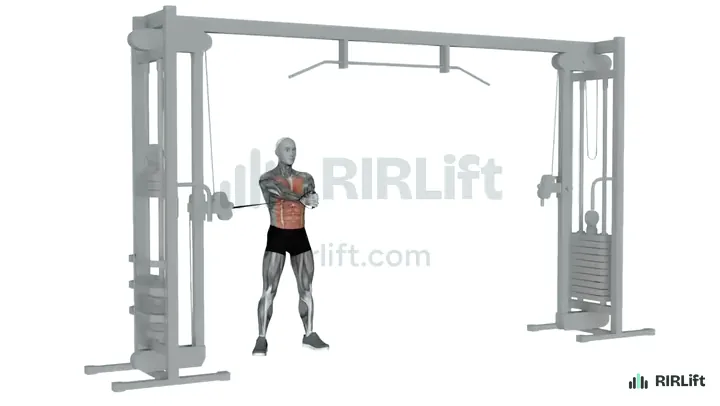
- Pallof Press Abs
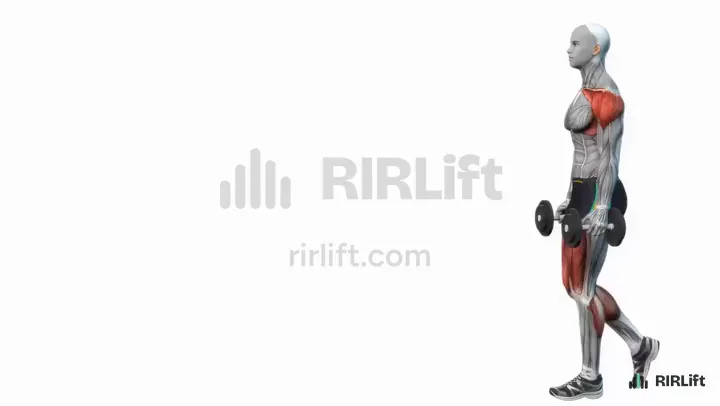
- Farmer's Walk Forearms, Traps, Shoulders
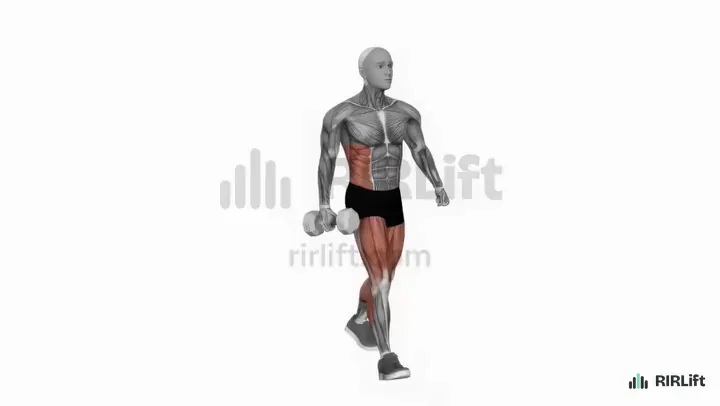
- Dumbbell Suitcase Carry Abs, Quads
- Plank Abs
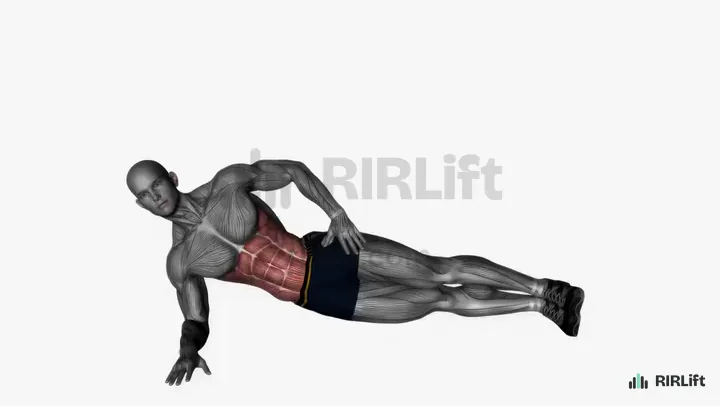
- Side Plank Abs
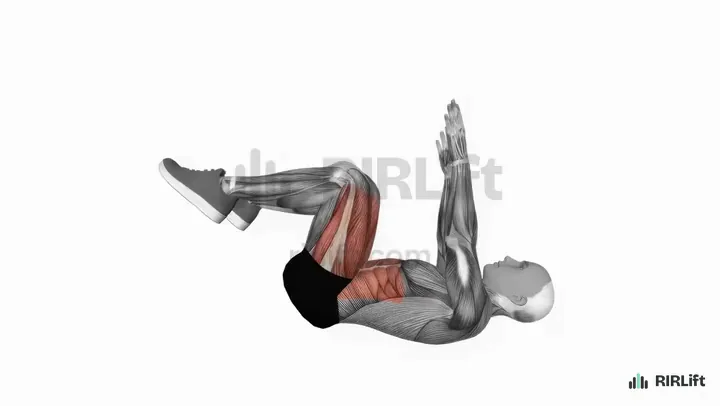
- Dead Bug Abs
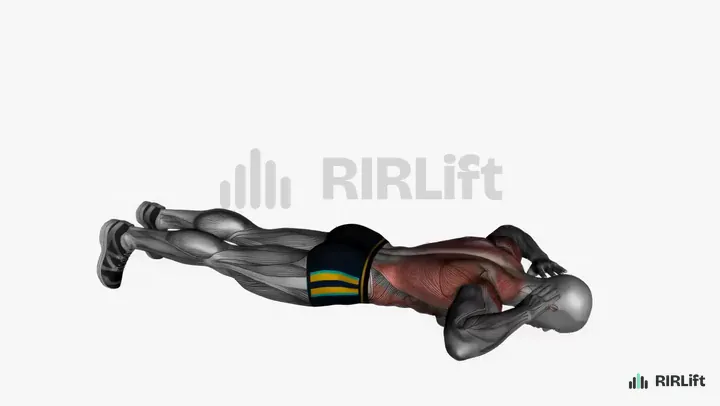
- Back Extension Lower Back
Put them together: example sessions
Each session below picks from the exercises above for one situation, with the sets, reps, rest and RIR filled in.
-
Session 1
First core routine at home, 15 minutes
You sit most of the day, your back gets stiff, and you want a core routine you can do on the floor with no equipment.
3× a week · 15 sets a week · ~10 min
-
Session 2
Gym lifter who wants a stronger squat and deadlift
You squat, deadlift and press, and you feel your trunk fold or your back round before your legs give out.
2× a week · 13 sets a week · ~15 min
-
Session 3
Rotational sport: golf, baseball, hockey or combat
You play a sport where you swing, throw or hit, and you want a core that turns fast and stays steady when you are bumped.
2× a week · 13 sets a week · ~15 min
Session 1
First core routine at home, 15 minutes
- Workouts3× a week
- Working sets15 a week
- Per workout~10 min
- EquipmentBodyweight
You sit most of the day, your back gets stiff, and you want a core routine you can do on the floor with no equipment.
Floor exercises recover fast, so three short sessions give about 15 sets a week without leaving you sore. Across the three days, the front, side and back of the core all get trained.
| Exercise | Sets × reps | RIR | Rest |
|---|---|---|---|
| Dead BugPer side. | 3 × 6–10 | 3 | 1 min |
| Side PlankSeconds per side. | 2 × 15–30 | 2 | 45 s |
| Exercise | Sets × reps | RIR | Rest |
|---|---|---|---|
| PlankSeconds per hold. | 3 × 20–40 | 2 | 1 min |
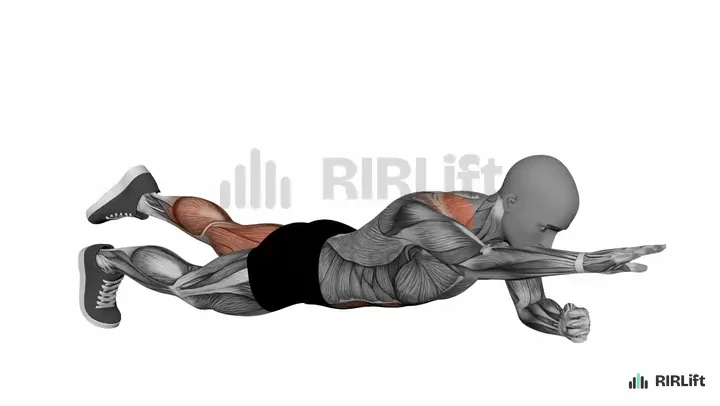
| SupermanHold 2 seconds at the top. | 2 × 8–12 | 3 | 1 min |
| Exercise | Sets × reps | RIR | Rest |
|---|---|---|---|
| Plank Shoulder TapPer side. | 3 × 8–12 | 2 | 1 min |
| Bear CrawlSeconds per crawl. | 2 × 20–40 | 2 | 1 min |
- How to run it
- Do one session on three days a week, such as before work. Each day takes about 15 minutes.
- How to progress
- Stay at 2 to 3 reps in reserve. Add 5 seconds to each hold or 2 reps to each set per week. When the plank passes 45 seconds, start the ab wheel from your knees at a short range instead.
Session 2
Gym lifter who wants a stronger squat and deadlift
- Workouts2× a week
- Working sets13 a week
- Per workout~15 min
- EquipmentAb Wheel, Dumbbells, Adjustable Cable, Hyperextension
You squat, deadlift and press, and you feel your trunk fold or your back round before your legs give out.
Your heavy lifts already train the core, so two short blocks of 6 and 7 sets are enough on top. They target what the barbell does not: rollouts for the front, carries and the Pallof press for the sides, and back extensions for the spine.
| Exercise | Sets × reps | RIR | Rest |
|---|---|---|---|
| Ab Wheel Rollout | 3 × 6–12 | 2 | 90 s |
| Dumbbell Suitcase CarrySeconds per side. | 3 × 30–45 | 2 | 90 s |
| Exercise | Sets × reps | RIR | Rest |
|---|---|---|---|
| Pallof PressPer side. | 3 × 10–12 | 2 | 1 min |
| Back Extension | 2 × 10–15 | 2 | 90 s |
| Farmer's WalkSeconds per carry. | 2 × 30–45 | 2 | 2 min |
- How to run it
- Do Block A after your squat day and Block B after your deadlift or upper day. Never before heavy lifts, since a tired core gives way under the bar.
- How to progress
- Add 10 lb to the carries when you can walk the full time with an upright trunk. On rollouts, extend further before you add reps. On the Pallof press and back extension, add load when every set reaches the top of the range at 1 to 2 reps in reserve.
Session 3
Rotational sport: golf, baseball, hockey or combat
- Workouts2× a week
- Working sets13 a week
- Per workout~15 min
- EquipmentMedicine Ball, Landmine, Dumbbells
You play a sport where you swing, throw or hit, and you want a core that turns fast and stays steady when you are bumped.
Power training needs fresh, short sets, so the plan uses about 6 to 8 sets per session twice a week. Each day pairs an explosive throw or twist with an exercise that resists rotation, so you learn to both produce and stop it.
| Exercise | Sets × reps | RIR | Rest |
|---|---|---|---|
| Med Ball Rotational ThrowPer side. Every throw at full speed. | 4 × 5–8 | 3 | 90 s |
| Side PlankSeconds per side. | 2 × 20–40 | 2 | 45 s |
| Exercise | Sets × reps | RIR | Rest |
|---|---|---|---|
| Landmine TwistPer side. | 3 × 8–12 | 2 | 75 s |
| Dumbbell Suitcase CarrySeconds per side. | 2 × 30–40 | 2 | 90 s |
| Bear CrawlSeconds per crawl. | 2 × 20–30 | 2 | 1 min |
- How to run it
- Do these early in a gym session, after your warm-up, on two days away from games. In season, keep only Day 1.
- How to progress
- On the throws, keep the ball weight and focus on speed; move up a ball size when every throw feels fast. On the landmine twist and side plank, add load or time when sets reach the top of the range at 2 reps in reserve.
Make it fit you
-
If your lower back aches during planks
Go back to the dead bug and keep your lower back pressed into the floor the whole set. Return to planks with your glutes squeezed hard and stop the hold as soon as your hips sag.
-
Over 40 and new to core work
Use the home plan for four weeks before adding rollouts or heavy carries. Your core gets stronger quickly, but the rollout is hard on a back that is not ready for it.
-
Only a pair of dumbbells
Farmer's walks, suitcase carries, dead bugs and side planks cover almost the whole core. Swap the Pallof press for plank shoulder taps.
-
Log holds and carries too
Record the seconds and the weight, and how much you had left. RIRLift sets the next session from the reps in reserve you log, which keeps carries getting heavier rather than just longer.
Questions
What are the best 3 core exercises?
The ab wheel rollout, the Pallof press and the suitcase carry. Between them they train the core against arching, twisting and bending sideways, which is most of what it does.
What are the 10 best core exercises?
The rollout, plank, dead bug, Pallof press, side plank, farmer's walk, suitcase carry, back extension, bear crawl and a med ball rotational throw. Pick a few from different groups rather than doing all ten.
Is 20 minutes of core enough?
Yes, 20 minutes is plenty, and 10 minutes twice a week works for most men who already lift. Hard sets matter more than total time.
Is core the same as abs?
No. Abs are one part. The core also includes the obliques, the deep muscles under the abs, the muscles along your spine and the hips, all working to keep your trunk steady.
Do squats and deadlifts train the core?
Yes, heavily, but mostly against bending forward. Add carries and anti-rotation work to train the directions the barbell does not.
Related templates
-
Ab exercises for men: weighted crunches, leg raises, rollouts and rotation
Weighted crunches and leg raises when you want the abs themselves to grow.
-
Oblique exercises for men: rotation, side bends, side planks and anti-rotation
More rotation and side work for the sides of the trunk.
-
Core exercises with weights, grouped by how they train your trunk
Loaded core options with dumbbells, plates and cables.
-
Lower back exercises for men: hinges, back extensions and loaded carries
More work for the back half of the core.
-
How to brace your core
The bracing technique these exercises train, applied to your heavy lifts.