
Pickleball warm up: a 7-minute routine before you step on the court
Published October 24, 2026
Do 2 minutes of jumping jacks and butt kicks, then 3 minutes of moving mobility: 10 leg swings each way per leg, 10 ankle circles per foot, 10 arm circles each direction and 5 cossack squats per side. Add 15 band pull-aparts and 10 lateral band steps each way, then 1-2 minutes of quick side shuffles or ladder steps before you start dinking at the kitchen line. Seven minutes, and the dinks themselves become the last stage.
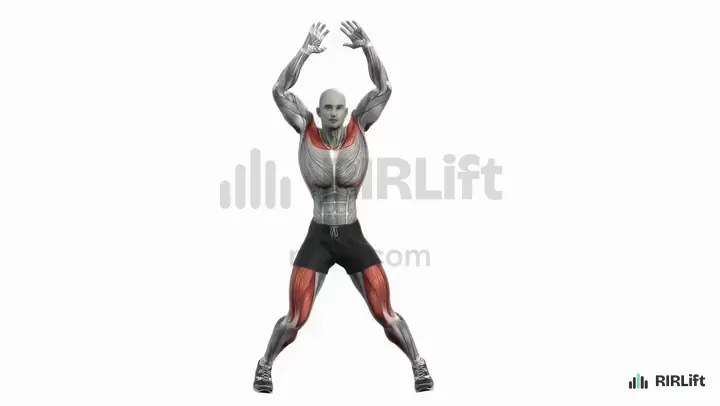
- Jumping Jack Calves, Quads
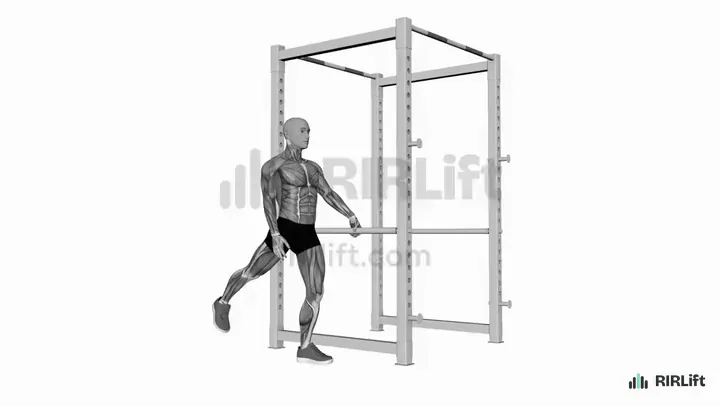
- Leg Swings Hamstrings, Glutes
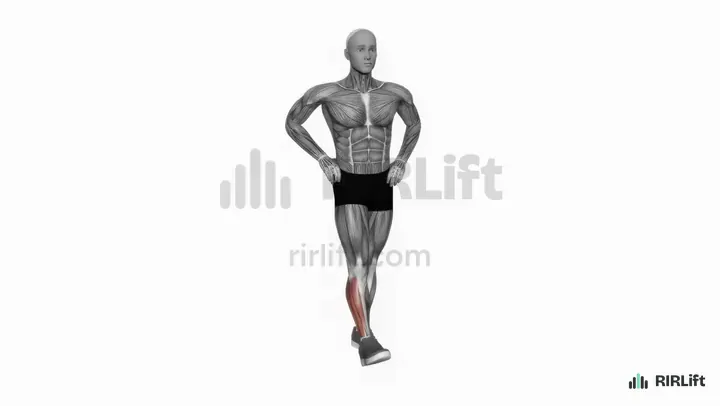
- Ankle Circles Calves
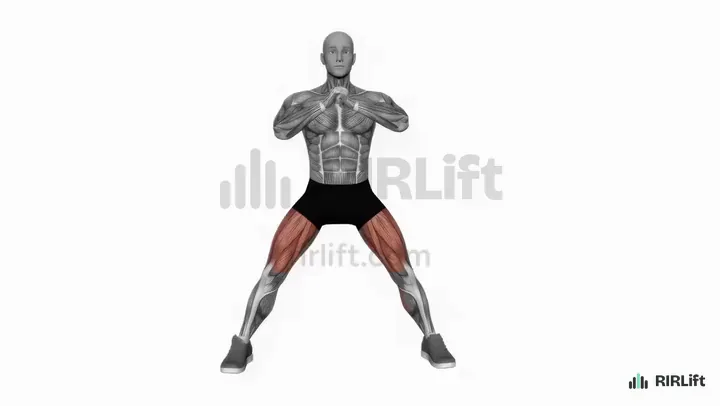
- Cossack Squat Quads, Adductors
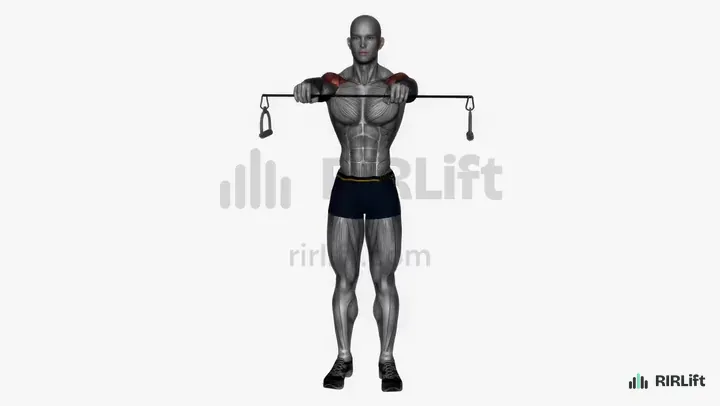
- Band Pull-Apart Shoulders, Upper Back
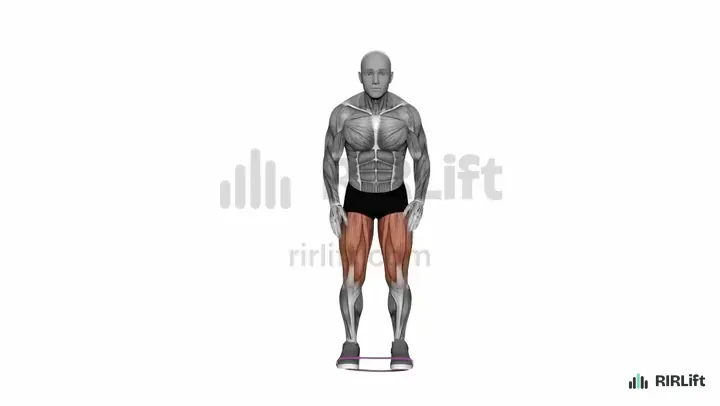
- Lateral Band Walk Abductors
- Skater Hop Glutes, Quads, Abductors

Put them together: example sessions
Each session below picks from the exercises above for one situation, with the sets, reps, rest and RIR filled in. Open one in the session builder to change a pick, price it from a recent set, and add it to RIRLift.
-
Session 1
Before open play
You play social games a few times a week and want to feel loose from the first rally.
3× a week · 30 sets a week · ~15 min
-
Session 2
Before a tournament match
You play competitive brackets and need to be fast from the first point.
2× a week · 26 sets a week · ~15 min
-
Session 3
Cold early-morning games
You play outdoors early, and the first games feel stiff.
2× a week · 24 sets a week · ~10 min
Session 1
Before open play
- Workouts3× a week
- Working sets30 a week
- Per workout~15 min
- EquipmentResistance Bands
You play social games a few times a week and want to feel loose from the first rally.
A complete court warm-up that takes seven minutes and needs only a mini band. It stays easy so you start your games fresh.
| Exercise | Sets × reps | RIR | Rest |
|---|---|---|---|
| Jumping JackSeconds. | 2 × 30 | 4 | 10 s |
| Butt KicksSeconds. | 1 × 30 | 4 | 10 s |
| Leg SwingsPer leg, both directions. | 1 × 10 | 4 | 0 s |
| Ankle CirclesPer foot. | 1 × 10 | 4 | 0 s |
| Cossack SquatPer side. | 1 × 5 | 4 | 15 s |
| Band Pull-Apart | 1 × 15 | 3 | 15 s |
| Lateral Band WalkSteps each way. | 1 × 10 | 3 | 15 s |
| Skater HopPer side. | 2 × 6–8 | 3 | 30 s |
- How to run it
- Do it on the court before your first game of the session.
- How to progress
- Once it feels easy, add a second round of skater hops at a faster pace.
Session 2
Before a tournament match
- Workouts2× a week
- Working sets26 a week
- Per workout~15 min
- EquipmentResistance Bands
You play competitive brackets and need to be fast from the first point.
Adds the ladder and a second round of hops so your first rally is already at match speed. The order is the same; the last minutes get faster.
| Exercise | Sets × reps | RIR | Rest |
|---|---|---|---|
| Jumping JackSeconds. | 2 × 30–45 | 4 | 10 s |
| Leg SwingsPer leg. | 1 × 12 | 4 | 0 s |
| Arm CirclesEach direction. | 1 × 10 | 4 | 0 s |
| Cossack SquatPer side. | 2 × 5 | 4 | 15 s |
| Lateral Band WalkSteps each way. | 2 × 10 | 3 | 15 s |
| Agility Ladder DrillSeconds. Faster each round. | 3 × 20–30 | 3 | 30 s |
| Skater HopPer side. | 2 × 6 | 3 | 30 s |
- How to run it
- Start 15 minutes before your match, then dink for the last few minutes.
- How to progress
- Increase the speed of the ladder work before adding rounds.
Session 3
Cold early-morning games
- Workouts2× a week
- Working sets24 a week
- Per workout~10 min
- EquipmentResistance Bands
You play outdoors early, and the first games feel stiff.
Longer raise and more ankle and hip work, because cold joints take longer to loosen. The primers stay short.
| Exercise | Sets × reps | RIR | Rest |
|---|---|---|---|
| Jumping JackSeconds. | 3 × 30 | 4 | 10 s |
| Butt KicksSeconds. | 2 × 30 | 4 | 10 s |
| Ankle CirclesPer foot. | 2 × 10 | 4 | 0 s |
| Leg SwingsPer leg. | 2 × 10 | 4 | 0 s |
| Arm CirclesEach direction. | 1 × 12 | 4 | 0 s |
| Band Pull-Apart | 2 × 12–15 | 3 | 15 s |
- How to run it
- Use it on cold or early days before open play.
- How to progress
- Shorten the raise as the weather warms up.
Make it fit you
-
No band
Swap the band work for fire hydrants and an extra set of arm circles. The rest of the routine needs nothing.
-
Knees feel stiff
Do the cossack squat only as deep as feels smooth and add a set of slow bodyweight squats before the hops.
-
Short on time
Keep jumping jacks, leg swings, one set of pull-aparts and the skater hops. Three minutes still gets you moving.
-
Dink as the last stage
Start with soft dinks at the kitchen line, then move back for drives and serves. The ball work finishes the warm-up for you.
-
Train for the court too
If you lift for pickleball, log each set's reps in reserve in RIRLift so the next session's weight is picked from it.
Questions
How do you warm up for pickleball?
Two minutes of easy cardio, three minutes of dynamic moves for the ankles, hips and shoulders, a little band work, and a minute of quick footwork. Then dink at the kitchen line.
What is a good dynamic warm-up for pickleball?
Leg swings, ankle circles, arm circles, cossack squats and skater hops, done in that order and getting a little faster as you go.
How long should a pickleball warm-up be?
About seven minutes is enough for most players. On cold mornings, take ten.
Should I stretch before playing pickleball?
Move rather than hold. Dynamic drills prepare you for the court, and longer static stretches fit better after you finish.
How do I train for pickleball?
Practice is the core, and two short strength sessions a week for the legs, hips and shoulders back it up. The exercises for pickleball page has a full program.
Related templates
-
Exercises for pickleball: legs, lateral speed, rotation and arm care
The strength program to pair with this warm-up.
-
Warm up exercises for tennis: a 10-minute dynamic routine before you hit
A longer court warm-up for bigger swings.
-
Seniors warm up exercises: a gentle 10-minute routine
A gentler routine if you are getting back into play.
-
Dynamic warm up: skips, crawls and jumps that build to game speed
A general moving warm-up for any session.