
Strength training for athletes: power, legs, upper body and trunk
Published October 29, 2026
Strength training for athletes is built on a few movement patterns trained hard and fast: power from power cleans, box jumps and rotational med ball throws; legs from back squats, trap bar deadlifts, Romanian deadlifts and Bulgarian split squats; upper body from the bench press, landmine press, chin-ups and one-arm rows; and trunk from Pallof presses and Copenhagen planks. Lift three days a week in the off-season and two short days in season, put power work first, and keep most sets 1 to 3 reps short of failure.
- Power Clean Glutes, Hamstrings, Traps
- Barbell Back Squat Quads, Glutes, Adductors
- Trap Bar Deadlift Quads, Glutes
- Bulgarian Split Squat Quads, Glutes
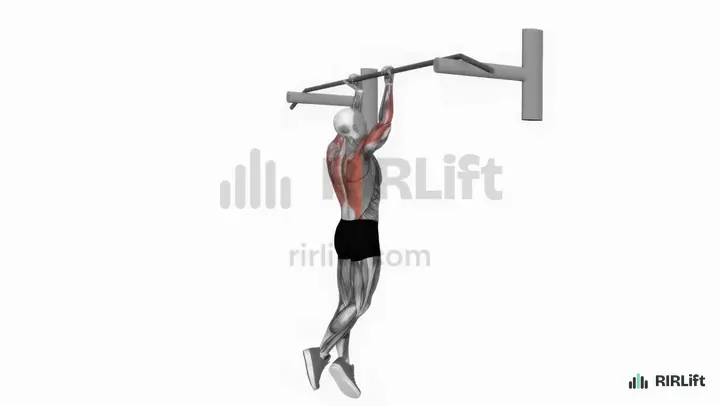
- Chin-Up Lats
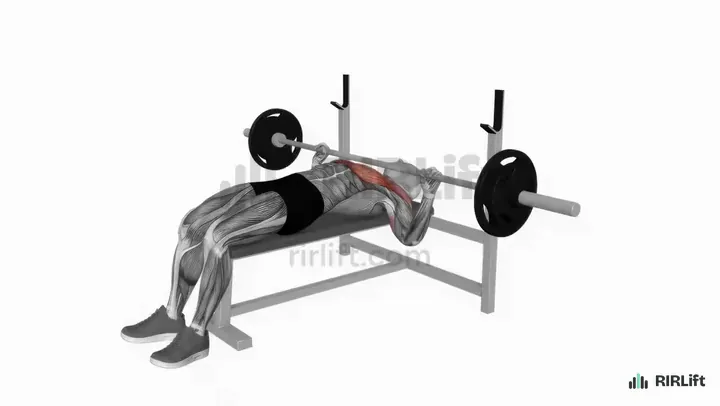
- Barbell Bench Press Chest
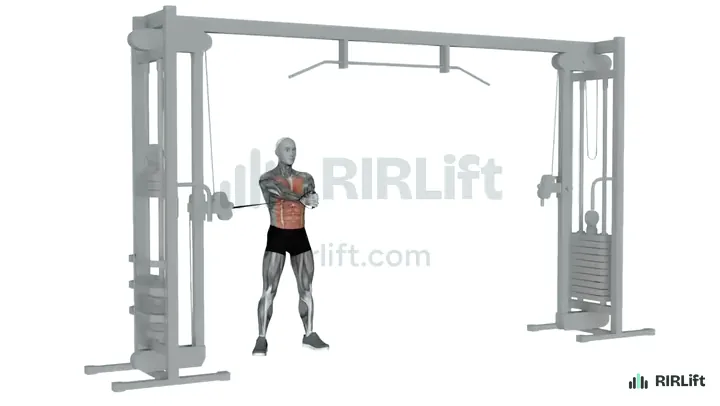
- Pallof Press Abs
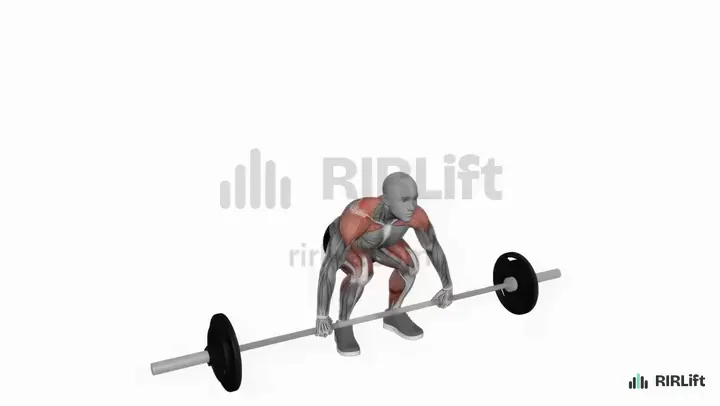
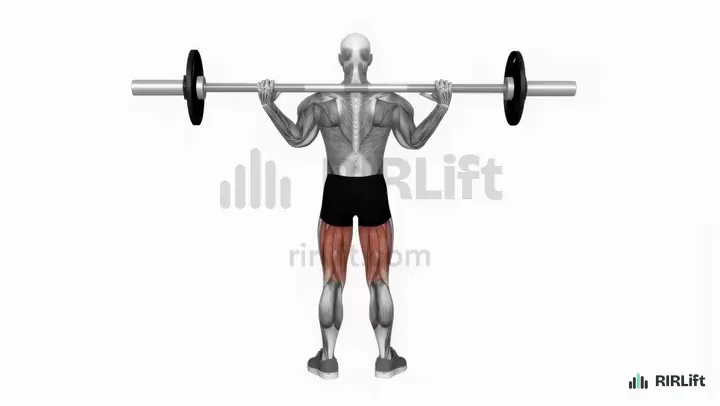
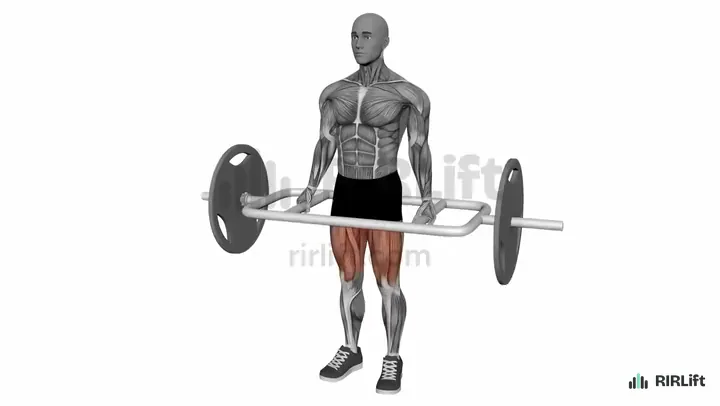
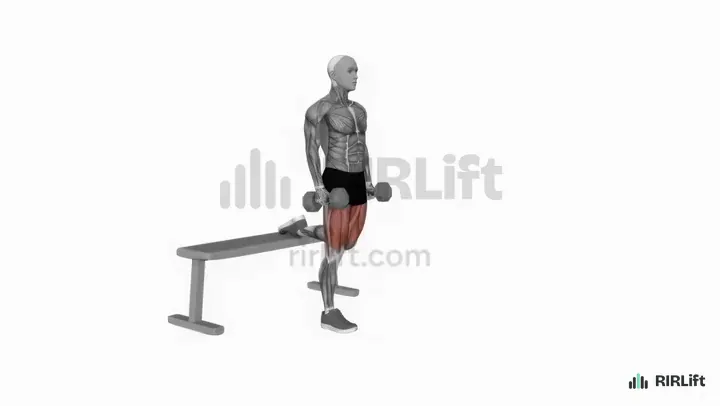
Put them together: example sessions
Each session below picks from the exercises above for one situation, with the sets, reps, rest and RIR filled in.
-
Session 1
Off-season, three days a week
You have a training history, your season is over, and you have two to four months to get stronger and more powerful before preseason.
3× a week · 48 sets a week · ~55 min
-
Session 2
In season, two short sessions
You are competing every week and practicing several times, and you want to keep the strength you built without carrying fatigue into games.
2× a week · 22 sets a week · ~35 min
-
Session 3
First year in the weight room
You are a high school or college athlete, or an adult picking up a sport, and you have lifted little or not at all.
3× a week · 33 sets a week · ~35 min
Session 1
Off-season, three days a week
- Workouts3× a week
- Working sets48 a week
- Per workout~55 min
- EquipmentPlyo Box, Barbells, Dumbbells, Flat Bench +5
You have a training history, your season is over, and you have two to four months to get stronger and more powerful before preseason.
The off-season is when strength gets built, so the week has the most volume: 48 working sets across a lower day, an upper day and a power day. Heavy sets stay at 2 reps in reserve, enough to drive strength without grinding.
| Exercise | Sets × reps | RIR | Rest |
|---|---|---|---|
| Box Jump | 4 × 3 | 3 | 90 s |
| Barbell Back Squat3 warm-up sets first | 4 × 3–5 | 2 | 3:30 min |
| Romanian Deadlift | 3 × 6–8 | 2 | 2:30 min |
| Bulgarian Split SquatPer leg. | 3 × 6–8 | 2 | 2 min |
| Copenhagen PlankSeconds per side. | 3 × 15–30 | 2 | 1 min |
| Exercise | Sets × reps | RIR | Rest |
|---|---|---|---|
| Barbell Bench Press2 warm-up sets first | 4 × 4–6 | 2 | 3 min |
| Chin-Up | 4 × 5–8 | 2 | 2:30 min |
| Landmine PressPer arm. | 3 × 6–8 | 2 | 90 s |
| One-Arm Dumbbell RowPer arm. | 3 × 8–10 | 2 | 90 s |
| Pallof PressPer side. | 3 × 8–10 | 2 | 1 min |
| Exercise | Sets × reps | RIR | Rest |
|---|---|---|---|
| Power Clean3 warm-up sets first | 5 × 2–3 | 3 | 2:30 min |
| Med Ball Rotational ThrowPer side. | 3 × 5–6 | 3 | 75 s |
| Trap Bar Deadlift2 warm-up sets first | 3 × 3–5 | 2 | 3 min |
| One-Arm Dumbbell RowPer arm. | 3 × 10–12 | 2 | 75 s |
- How to run it
- Lift on three non-consecutive days, such as Monday, Wednesday and Friday. Do conditioning and skill work on the other days, and keep the power day at least 48 hours away from the lower day.
- How to progress
- Use double progression: add 5 to 10 pounds when every set reaches the top of its rep range at the target reps in reserve. Every fourth or fifth week, cut the sets in half for a lighter week before pushing on.
Session 2
In season, two short sessions
- Workouts2× a week
- Working sets22 a week
- Per workout~35 min
- EquipmentPlyo Box, Trap Bar, Pull-Up Bar, Adjustable Cable +4
You are competing every week and practicing several times, and you want to keep the strength you built without carrying fatigue into games.
In season, practice and games take most of your recovery, so each session drops to 11 working sets at 2 to 3 reps in reserve. Low volume with heavy loads is meant to hold strength and power, not build them.
| Exercise | Sets × reps | RIR | Rest |
|---|---|---|---|
| Box Jump | 3 × 3 | 3 | 90 s |
| Trap Bar Deadlift2 warm-up sets first | 3 × 3–4 | 3 | 3 min |
| Chin-Up | 3 × 5–6 | 2 | 2 min |
| Pallof PressPer side. | 2 × 8–10 | 2 | 1 min |
| Exercise | Sets × reps | RIR | Rest |
|---|---|---|---|
| Med Ball Rotational ThrowPer side. | 3 × 4–5 | 3 | 1 min |
| Barbell Bench Press2 warm-up sets first | 3 × 3–5 | 3 | 2:30 min |
| Bulgarian Split SquatPer leg. | 3 × 5–6 | 3 | 90 s |
| Copenhagen PlankSeconds per side. | 2 × 15–20 | 3 | 1 min |
- How to run it
- Do Day A early in the week, about three days after a game, and Day B at least two days before the next one. With two games in a week, do Day A only.
- How to progress
- Do not chase new maxes. Keep the off-season loads; if a set moves fast at 3 reps in reserve, add 5 pounds. If you feel flat in games, drop one set from every lift.
Session 3
First year in the weight room
- Workouts3× a week
- Working sets33 a week
- Per workout~35 min
- EquipmentBarbells, Flat Bench, Dumbbells, Adjustable Cable +2
You are a high school or college athlete, or an adult picking up a sport, and you have lifted little or not at all.
In your first year, almost any well-done strength work makes you stronger, so the plan teaches the main patterns with moderate weights at 3 reps in reserve. Two alternating full-body days, three times a week, give each pattern 3 to 6 sets a week.
| Exercise | Sets × reps | RIR | Rest |
|---|---|---|---|
| Barbell Back Squat2 warm-up sets first | 3 × 6–8 | 3 | 2:30 min |
| Barbell Bench Press1 warm-up set first | 3 × 6–8 | 3 | 2 min |
| One-Arm Dumbbell RowPer arm. | 3 × 8–12 | 3 | 90 s |
| Pallof PressPer side. | 2 × 8–12 | 3 | 1 min |
| Exercise | Sets × reps | RIR | Rest |
|---|---|---|---|
| Box Jump | 3 × 3 | 3 | 75 s |
| Romanian Deadlift2 warm-up sets first | 3 × 6–8 | 3 | 2:30 min |
| Chin-Up | 3 × 3–8 | 2 | 2 min |
| Bulgarian Split SquatPer leg. | 2 × 8–10 | 3 | 90 s |
- How to run it
- Lift three times a week on non-consecutive days and alternate A and B: A, B, A one week, then B, A, B the next. Learn the power clean from a coach later; box jumps cover power for now.
- How to progress
- Add 5 pounds to the squat and Romanian deadlift and the smallest jump to the bench and rows each time every set reaches the top of the rep range at 3 reps in reserve. After three months, move to 2 reps in reserve.
Make it fit you
-
Match the plan to the season
Off-season builds, preseason sharpens, in-season holds. Move from the three-day plan to the two-day plan when practices and games pick up, and back again when the season ends.
-
Throwing and overhead athletes
Baseball, softball, volleyball and tennis players can replace the bench press with push-ups or a second landmine press and keep the chin-ups and rows. Add the throws to both sides.
-
Contact sports
Rugby, football and wrestling players can add a set to the bench press and the trap bar deadlift in the off-season and train the neck and grip on the upper day.
-
Log every set
Record every set with how many reps were left before failure. RIRLift sets the next session's weight from that number, so a tough week of practice automatically shows up as a lighter session instead of a missed lift.
-
No barbell
Swap the back squat for goblet squats, the bench press for dumbbell presses and the power clean for kettlebell swings or dumbbell snatches. Keep the rest of each plan as written.
Questions
What is the best strength training routine for athletes?
A routine that trains power, squats, hinges, single-leg lifts, presses, pulls and trunk work, three days a week in the off-season and two in season. The plans on this page follow that split: lower, upper and power days, then two short full-body days in season.
What are the 5 basic strength exercises?
Most programs are built on five patterns: squat, hinge, push, pull and single-leg work, often with a carry or trunk exercise as a sixth. For athletes that is the back squat, trap bar deadlift, bench press, chin-up and Bulgarian split squat.
What are the best strength exercises for athletes?
Power cleans, back squats, trap bar and Romanian deadlifts, Bulgarian split squats, bench press, chin-ups, one-arm rows and box jumps. Add a trunk exercise like the Pallof press and the Copenhagen plank for the adductors.
How often should athletes lift during the season?
Twice a week, short and heavy, with fewer sets than the off-season. One session in weeks with two or more games. The goal in season is to keep strength, not to build it.
Will lifting make athletes slower or bulky?
Not when the lifting is aimed at strength and power. Low-rep heavy sets and fast lifts make athletes stronger without much added weight. Size gain is slow and depends mostly on eating more.
Related templates
-
Explosive exercises: jumps, cleans, swings, throws and sled pushes
More jumps, throws and Olympic lifts for the power day.
-
Exercises for speed: the gym work behind a faster sprint
The sprint-focused side of athletic training.
-
Exercises for agility: footwork, lateral jumps and the strength to stop
Change of direction drills and lateral strength.
-
Dynamic warm up for athletes: before speed, power and lifting days
The warm-up before every session on this page.
-
Macrocycle, mesocycle, microcycle
How off-season and in-season blocks fit into a training year.