
Exercises for agility: footwork, lateral jumps and the strength to stop
Published October 29, 2026
Agility is starting, stopping and changing direction quickly. The best exercises for agility are agility ladder drills and fast feet for footwork; skater hops, lateral box jumps and 180 jump turns for sideways and turning power; lateral lunges, Cossack squats, lateral sled drags and band walks for side-to-side strength; and single-leg RDLs and skater squats for the one-leg control that lets you stop. Do drills right after the warm-up, two to four times a week, and stop each set before your feet get sloppy.
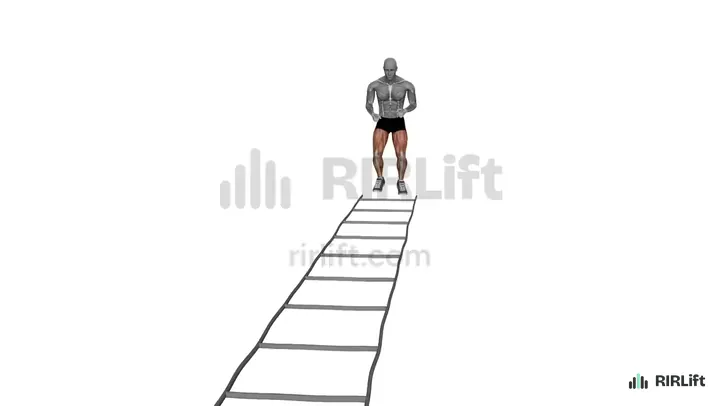
- Agility Ladder Drill Calves, Quads
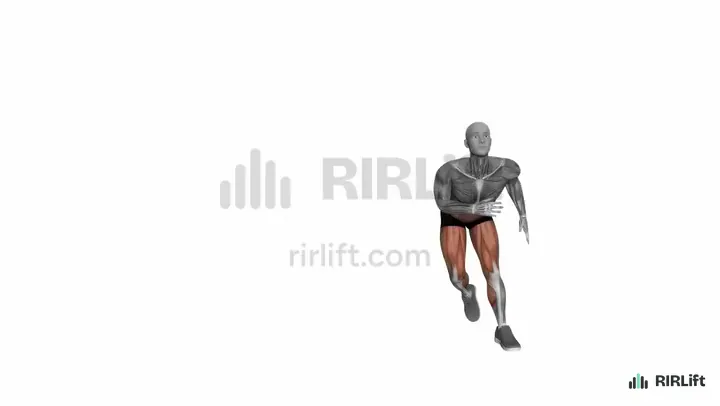
- Skater Hop Glutes, Quads, Abductors
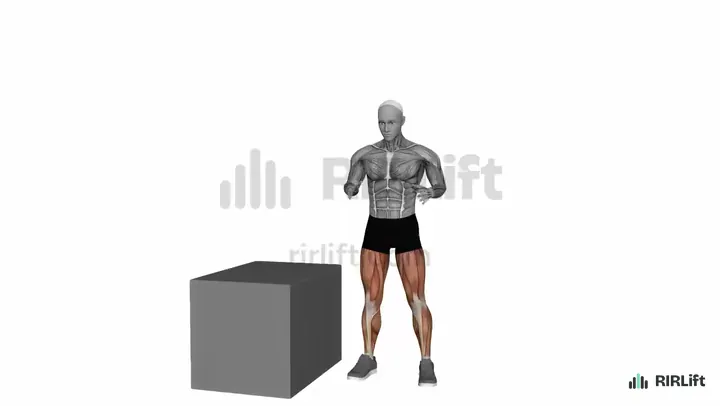
- Lateral Box Jump Quads, Glutes, Abductors
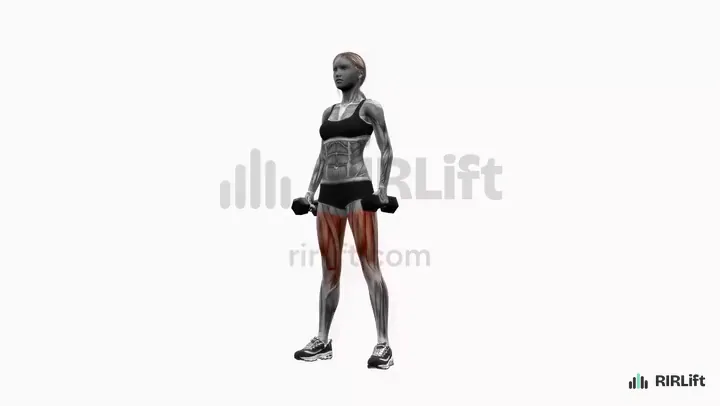
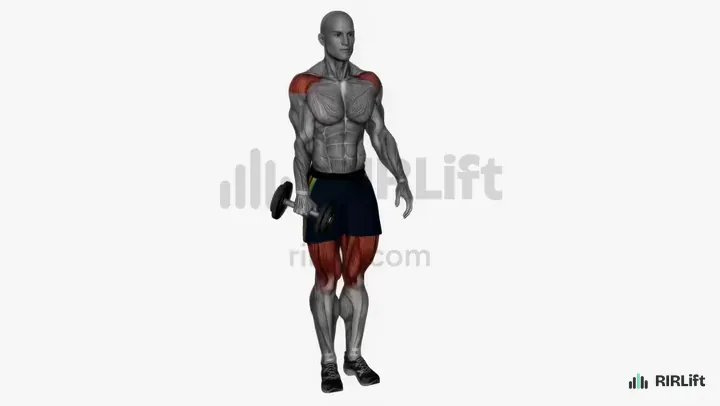
- Dumbbell Lateral Lunge Quads, Glutes, Adductors
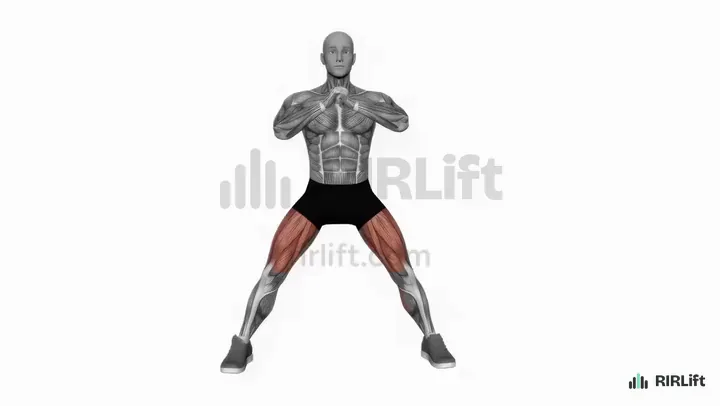
- Cossack Squat Quads, Adductors
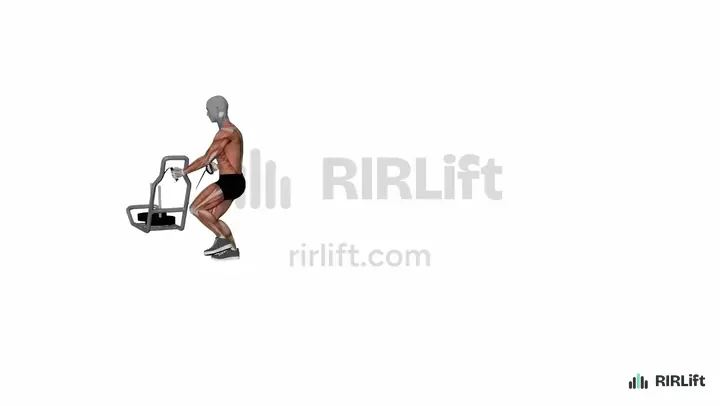
- Lateral Sled Drag Abductors, Glutes, Quads
- Single-Leg RDL Hamstrings, Glutes
Put them together: example sessions
Each session below picks from the exercises above for one situation, with the sets, reps, rest and RIR filled in.
-
Session 1
Court or field sport, two days a week
You play basketball, soccer, tennis, pickleball or another sport full of cuts, and you want to change direction faster and more under control.
2× a week · 32 sets a week · ~40 min
-
Session 2
Beginner, at home or in a park
You are new to agility work and train at home or outside with an agility ladder (or chalk lines) and a mini band.
2× a week · 28 sets a week · ~30 min
-
Session 3
Over 50 and want to stay quick on your feet
You are in your fifties, sixties or beyond, you want to keep moving quickly and confidently in every direction, and jumping is not on your list.
2× a week · 22 sets a week · ~25 min
Session 1
Court or field sport, two days a week
- Workouts2× a week
- Working sets32 a week
- Per workout~40 min
- EquipmentPlyo Box, Dumbbells, Sled
You play basketball, soccer, tennis, pickleball or another sport full of cuts, and you want to change direction faster and more under control.
Each day starts with drills and jumps while you are fresh, then strength in the lateral and one-leg positions a cut demands. That is 32 working sets a week with about 60 to 70 jumps and hops, short enough to fit beside practice.
| Exercise | Sets × reps | RIR | Rest |
|---|---|---|---|
| Agility Ladder DrillSeconds per pass. | 4 × 10–20 | 3 | 45 s |
| Skater HopPer side. Stick each landing. | 3 × 4–6 | 3 | 75 s |
| Lateral Box JumpPer side. | 3 × 3–4 | 3 | 75 s |
| Dumbbell Lateral Lunge1 warm-up set firstPer side. | 3 × 6–8 | 2 | 90 s |
| Single-Leg RDLPer leg. | 3 × 8–10 | 2 | 75 s |
| Exercise | Sets × reps | RIR | Rest |
|---|---|---|---|
| Fast FeetSeconds per round. | 3 × 10–15 | 3 | 45 s |
| 180 Jump Turn | 3 × 4–6 | 3 | 75 s |
| Lateral Sled DragSeconds per drag. Alternate the lead side. | 4 × 15–20 | 2 | 90 s |
| Cossack SquatPer side. | 3 × 5–8 | 2 | 75 s |
| Skater SquatPer leg. | 3 × 5–8 | 2 | 75 s |
- How to run it
- Train on two non-consecutive days that are not the day before a game. After the ladder drills, add a few rounds of a cone drill such as the 5-10-5 shuttle if you have space.
- How to progress
- Drills progress by new patterns and speed once the current one is clean. Jumps progress by distance or box height. Add 5 pounds to the lateral lunge and single-leg RDL when every set reaches the top of the range at 2 reps in reserve.
Session 2
Beginner, at home or in a park
- Workouts2× a week
- Working sets28 a week
- Per workout~30 min
- EquipmentResistance Bands, Dumbbells
You are new to agility work and train at home or outside with an agility ladder (or chalk lines) and a mini band.
Footwork, one lateral jump and two strength exercises in 14 sets, about 25 minutes. Twice a week is enough to learn the patterns and build the lateral strength before adding faster jumps.
| Exercise | Sets × reps | RIR | Rest |
|---|---|---|---|
| Agility Ladder DrillSeconds per pass. Clean before fast. | 4 × 15–25 | 3 | 45 s |
| Lateral Band WalkSteps per direction. | 2 × 10–15 | 2 | 45 s |
| Skater HopPer side. Small hops, stick each landing. | 3 × 4–6 | 3 | 1 min |
| Cossack SquatPer side. | 3 × 5–8 | 2 | 1 min |
| Single-Leg RDLPer leg. Touch a wall if needed. | 2 × 8–10 | 2 | 1 min |
- How to run it
- Twice a week on non-consecutive days, after a five-minute warm-up. If you have no ladder, chalk or tape a row of squares about 18 inches apart.
- How to progress
- Speed up the ladder only when you go a full pass without touching a rung. Make skater hops longer before you make them faster. Add reps to the Cossack squat as you sink deeper, then hold a light weight.
Session 3
Over 50 and want to stay quick on your feet
- Workouts2× a week
- Working sets22 a week
- Per workout~25 min
- EquipmentResistance Bands, Dumbbells
You are in your fifties, sixties or beyond, you want to keep moving quickly and confidently in every direction, and jumping is not on your list.
No jumps: the ladder trains quick, accurate steps, and three strength exercises load the side-to-side and one-leg positions you use when you step off a curb, turn quickly or catch yourself. Eleven sets, twice a week, about 25 minutes.
| Exercise | Sets × reps | RIR | Rest |
|---|---|---|---|
| Agility Ladder DrillSeconds per pass. Walk it first. | 3 × 20–30 | 3 | 1 min |
| Lateral Band WalkSteps per direction. | 2 × 10–12 | 3 | 1 min |
| Dumbbell Lateral LungePer side. Shallow at first. | 3 × 6–10 | 3 | 90 s |
| Single-Leg RDLPer leg. Hand on a chair. | 3 × 6–10 | 3 | 75 s |
- How to run it
- Twice a week on non-consecutive days. Put the ladder next to a wall or counter so you can touch it, and do the single-leg RDL with a hand on a chair.
- How to progress
- Walk the ladder pattern slowly until it is automatic, then speed it up a little each week. Add a light dumbbell to the lateral lunge, then go a bit lower. Let go of the chair on the single-leg RDL once you can hold the bottom for two seconds.
Make it fit you
-
Add cone drills when you have space
The 5-10-5 shuttle and a T-drill need only two to four cones and fit after the ladder work. Run each at full effort with a full walk back, three to five times.
-
Add a reaction cue
Agility in a game responds to something. Have a partner point left or right, or call a color, and react from your fast-feet stance. Even a coin toss for direction is better than a fixed pattern.
-
Quality ends the set
Once your feet start missing squares or your landings get loud, the set is over. Tired, sloppy footwork is practice of the wrong pattern.
-
Log the strength work
Log the lateral lunges, Cossack squats and RDLs with the reps you had left. RIRLift sets the next session's weight from the reps in reserve you log, so the strength side keeps moving up while drills stay about speed.
-
In season
Practice and games already have a lot of cutting, so keep the ladder and band work, drop the jumps, and do one set less of each strength exercise.
Questions
What are agility drills good for?
They train you to start, stop and change direction quickly and in control. Combined with lateral strength and one-leg control, they help you move better in any sport with cuts, shuffles and quick turns.
What is the 5-10-5 agility test?
Also called the pro agility shuttle: start straddling a line, sprint 5 yards to one side and touch the line, sprint 10 yards the other way and touch, then sprint 5 yards back through the start. Time the whole run.
What are ladder drills good for?
Coordination, foot speed and rhythm. They train fast, accurate steps in a small space. They work best as a warm-up and footwork practice next to lateral jumps and strength work, not as your whole agility program.
How often should you do agility exercises?
Two to four times a week, right after the warm-up and before heavy lifting. Keep the sets short and stop while your feet are still sharp.
Can you train agility at home?
Yes. A ladder or chalk squares, skater hops, Cossack squats, band walks and single-leg RDLs need almost no space or equipment. The beginner plan above is built for that.
Related templates
-
Exercises for speed: the gym work behind a faster sprint
The straight-line sprint side of moving fast.
-
Single leg exercises: split squats, one-leg squats, hinges and lateral work
More one-leg strength for planting and stopping.
-
Exercises for basketball: strength, jumps and durability
Agility and jumping inside a full basketball program.
-
Exercises for soccer players: speed, strength and durable legs
Cutting, sprinting and kicking strength for soccer.
-
Dynamic warm up for athletes: before speed, power and lifting days
The warm-up to run before agility drills.