
Exercises for speed: the gym work behind a faster sprint
Published October 29, 2026
Sprinting itself is the main speed exercise; the gym makes each stride push harder. The best exercises for speed are sled pushes, box jumps, one-leg hops and power cleans for fast force; trap bar deadlifts, step-ups and hip thrusts for the strength behind acceleration; Nordic hamstring curls, single-leg calf raises and cable hip flexion for the muscles that cycle the leg; and high knees and fast feet to prime the sprint. Lift two days a week after short, fully rested sprints, at 2 to 3 reps in reserve.
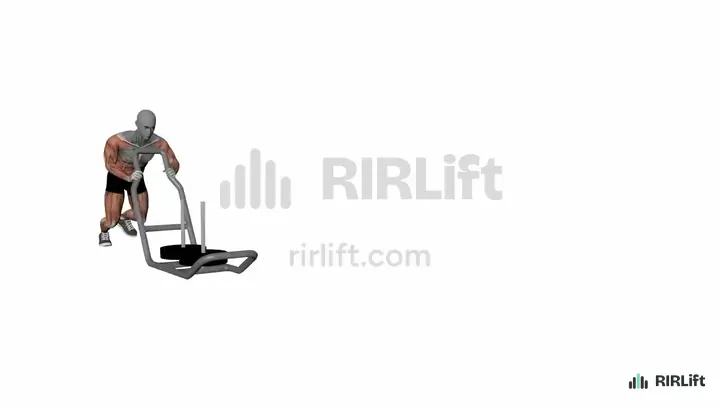
- Sled Push Quads, Glutes
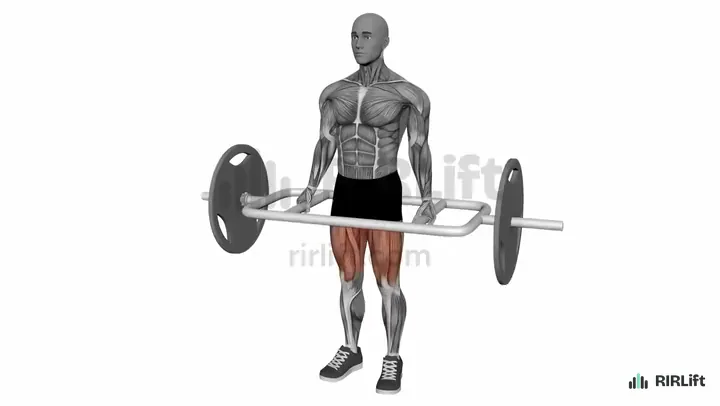
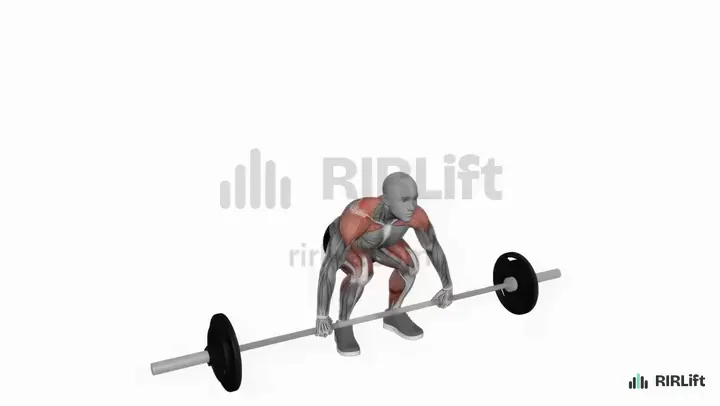
- Trap Bar Deadlift Quads, Glutes
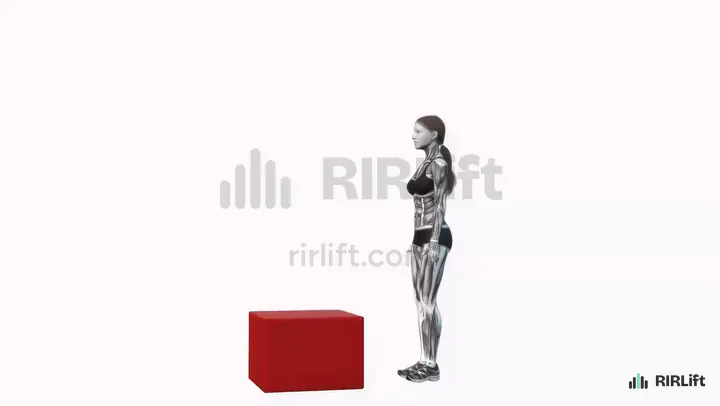
- Box Jump Quads, Glutes, Hamstrings
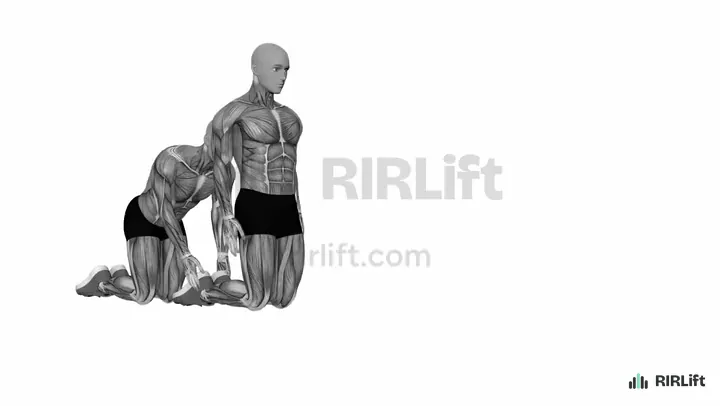
- Nordic Hamstring Curl Hamstrings
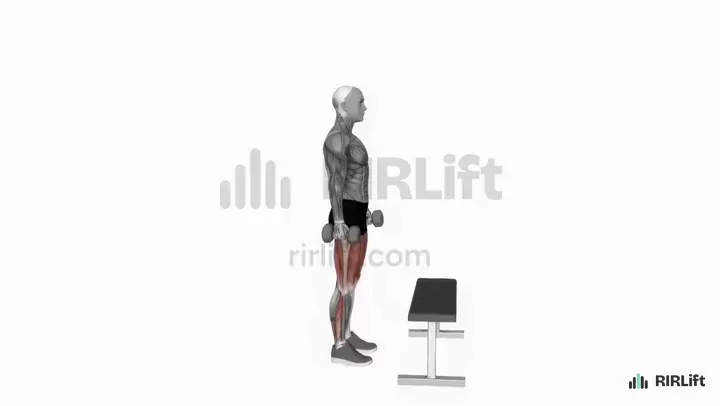
- Step-Up Quads, Glutes
- Power Clean Glutes, Hamstrings, Traps
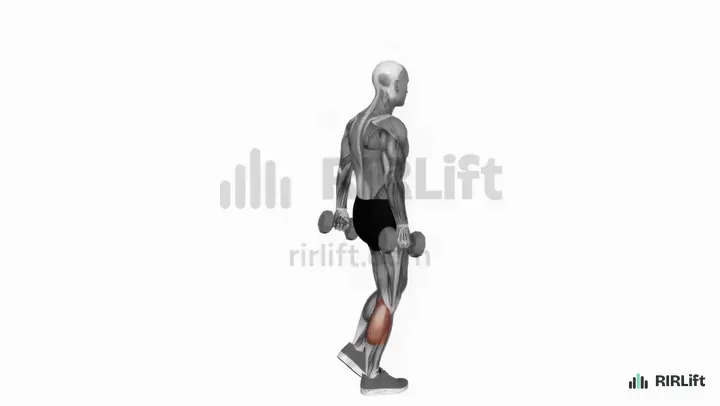
- Single-Leg Calf Raise Calves
Put them together: example sessions
Each session below picks from the exercises above for one situation, with the sets, reps, rest and RIR filled in.
-
Session 1
Team sport, two gym days
You play soccer, football, rugby or another field or court sport, you practice two or three times a week, and you want a faster first step and top speed.
2× a week · 33 sets a week · ~50 min
-
Session 2
One session a week, no Olympic lifts
You play a weekend league or pickup games, you are past your early twenties, and you want to stay quick without learning cleans or doing a lot of jumping.
1× a week · 15 sets a week · ~45 min
-
Session 3
Sprints at a field, strength at home
You have a track, field or quiet road to sprint on but no gym, and you want to get faster with body weight and a bench or step.
2× a week · 30 sets a week · ~35 min
Session 1
Team sport, two gym days
- Workouts2× a week
- Working sets33 a week
- Per workout~50 min
- EquipmentPlyo Box, Trap Bar, Dumbbells, Flat Bench +1
You play soccer, football, rugby or another field or court sport, you practice two or three times a week, and you want a faster first step and top speed.
Each day starts with drills and fast work while you are fresh, then one heavy lift and two leg-cycle exercises. That is 33 working sets a week, about a third of them short drills and jumps, enough to get stronger without leaving your legs heavy for practice.
| Exercise | Sets × reps | RIR | Rest |
|---|---|---|---|
| Fast FeetSeconds per round. | 3 × 10–15 | 3 | 45 s |
| Box Jump | 4 × 3 | 3 | 90 s |
| Trap Bar Deadlift3 warm-up sets first | 4 × 3–5 | 2 | 3 min |
| Step-UpPer leg. Drive the free knee up at the top. | 3 × 6–8 | 2 | 90 s |
| Nordic Hamstring Curl | 3 × 3–5 | 2 | 2 min |
| Exercise | Sets × reps | RIR | Rest |
|---|---|---|---|
| High KneesSeconds per round. | 3 × 10–15 | 3 | 45 s |
| Single-Leg JumpPer leg. | 3 × 4–5 | 3 | 75 s |
| Power Clean3 warm-up sets first | 4 × 2–3 | 3 | 2:30 min |
| Hip Thrust1 warm-up set first | 3 × 6–8 | 2 | 2 min |
| Single-Leg Calf RaisePer leg. | 3 × 8–12 | 1 | 1 min |
- How to run it
- Lift on two non-consecutive days that are not the day before a game. If you do sprint work the same day, sprint first, rest 15 minutes, then start with the box jumps or hops.
- How to progress
- Add 5 to 10 pounds to the trap bar deadlift and hip thrust when every set reaches the top of the rep range at 2 reps in reserve. Add sled weight when each push feels fast for the full time. Nordic curls progress by lowering more slowly before you catch yourself.
Session 2
One session a week, no Olympic lifts
- Workouts1× a week
- Working sets15 a week
- Per workout~45 min
- EquipmentSled, Trap Bar, Dumbbells, Flat Bench +1
You play a weekend league or pickup games, you are past your early twenties, and you want to stay quick without learning cleans or doing a lot of jumping.
One session of 15 sets covers resisted acceleration, a heavy hinge, a one-leg drive and the hamstring, calf and hip flexor work. Hamstrings and calves get the most attention because they take the hardest load when an adult who rarely sprints suddenly runs flat out.
| Exercise | Sets × reps | RIR | Rest |
|---|---|---|---|
| Sled PushSeconds per push. | 4 × 10–15 | 2 | 2 min |
| Trap Bar Deadlift2 warm-up sets first | 3 × 5–6 | 2 | 2:30 min |
| Step-UpPer leg. | 2 × 8–10 | 2 | 90 s |
| Nordic Hamstring Curl | 2 × 3–6 | 2 | 2 min |
| Single-Leg Calf RaisePer leg. | 2 × 10–15 | 2 | 1 min |
| Standing Cable Hip FlexionPer leg. | 2 × 10–12 | 2 | 1 min |
- How to run it
- Do it once a week, three or more days before your game. Warm up with a few minutes of easy movement and two sled pushes at half effort.
- How to progress
- Add sled weight and trap bar weight when every set feels fast at the target reps in reserve. Add one rep to the Nordic curls every two weeks until you reach 6, then lower more slowly.
Session 3
Sprints at a field, strength at home
- Workouts2× a week
- Working sets30 a week
- Per workout~35 min
- EquipmentDumbbells, Flat Bench
You have a track, field or quiet road to sprint on but no gym, and you want to get faster with body weight and a bench or step.
Without heavy weights, the hops, step-ups, Nordic curls and calf raises carry the strength work, and the sprints do the rest. The session is 15 sets with about 30 one-leg hops, short enough to do right after your sprints twice a week.
| Exercise | Sets × reps | RIR | Rest |
|---|---|---|---|
| High KneesSeconds per round. | 3 × 10–15 | 3 | 45 s |
| Single-Leg JumpPer leg. | 3 × 4–6 | 3 | 75 s |
| Step-UpPer leg. | 3 × 10–15 | 2 | 75 s |
| Nordic Hamstring Curl | 3 × 3–5 | 2 | 2 min |
| Single-Leg Calf RaisePer leg. | 3 × 12–20 | 1 | 1 min |
- How to run it
- Twice a week: warm up, run 4 to 8 sprints of 10 to 30 meters with full walk-back rest, then do this session on the same day. Keep at least one day between sessions.
- How to progress
- Hops progress by distance per hop. Step-ups progress by reps, then by holding a loaded backpack. Nordic curls progress by lowering more slowly, calf raises by holding a weight once 20 reps is easy.
Make it fit you
-
Sprint before you lift
Do sprint work on fresh legs, then lift. Lifting first leaves the legs too tired to sprint at full speed, and speed only improves when you run near your fastest.
-
Rest fully between sprints
For speed, rest long enough that the next sprint is as fast as the last: walk back slowly and start again only when your breathing has settled. If the reps are getting slower, you are training conditioning, not speed.
-
No sled
Use hill sprints of 10 to 20 seconds on a moderate slope as your resisted work, and do the box jumps from the team plan in place of the sled pushes.
-
Keep the lifts sharp
Lift the concentric part of every rep as fast as you can while lowering under control. Log each set with the reps you had left; RIRLift sets the next session's weight from the reps in reserve you log, so the bar stays at a speed you can move quickly.
-
During the season
Cut each lift to two sets and drop the box jumps or hops in weeks with two or more games. Keep the Nordic curls and calf raises.
Questions
What exercises help make you faster?
Sprinting is first. In the gym, the most useful are heavy hinges such as the trap bar deadlift, single-leg work such as step-ups, explosive work such as sled pushes, jumps and power cleans, and hamstring and calf strength from Nordic curls and calf raises.
How do you do sprint training for speed?
Warm up well, then run 4 to 8 sprints of 10 to 40 meters at full effort with long rest, walking back slowly between reps. Stop when your sprints start getting slower. Twice a week is enough.
Does lifting weights make you slower?
Not when you lift for strength and power. Heavy lower-body strength and fast lifts are part of most sprint programs. What slows you is lifting to exhaustion right before running, or adding a lot of body weight in a short time.
Can you get faster at home?
Yes, if you have somewhere to sprint. Short sprints plus one-leg hops, step-ups, Nordic curls and calf raises cover most of what a gym adds. The home plan above is built that way.
How often should you train for speed?
Two sprint sessions and two lifting sessions a week suit most people, and they can share a day: sprint first, lift after. Leave at least one easy day between hard leg days.
Related templates
-
Sprinter workout: track sessions and gym training for sprinters
Lifting plans built around a track sprinter's week.
-
Exercises for agility: footwork, lateral jumps and the strength to stop
Change of direction, cutting and deceleration work.
-
Explosive exercises: jumps, cleans, swings, throws and sled pushes
More jumps, throws and Olympic lifts for power.
-
Warm up for sprints: build from a jog to full speed
The warm-up to run before any speed session.
-
Track and field workout: the weight room sessions behind the track
Strength plans for sprinters, jumpers and throwers.