
Strength training for teenagers: the lifts, the loads and three programs
Published October 29, 2026
Strength training for teenagers should start with dumbbell lifts that are easy to learn, the goblet squat, reverse lunge, dumbbell bench press and one-arm row, then add the barbell back squat, bench press and trap bar deadlift once those look the same on every rep. Lift two or three days a week, 2 to 3 sets of 8 to 15 reps for beginners and 5 to 10 reps later, and end each set with 2 or 3 good reps left instead of testing a one-rep max. When all your sets hit the top of the rep range, go up by the smallest jump the gym has.
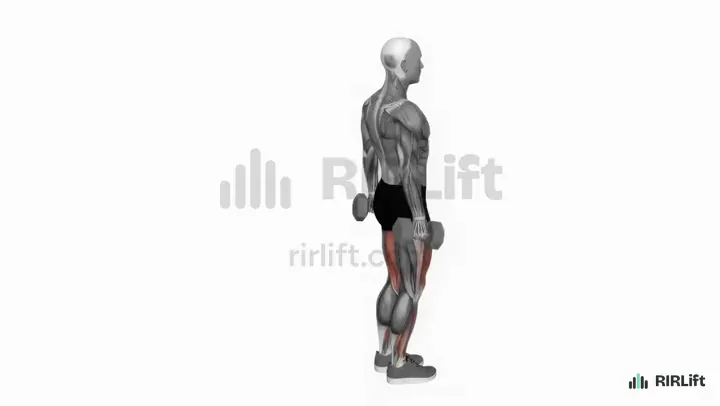
- Goblet Squat Quads, Glutes
- Trap Bar Deadlift Quads, Glutes
- Flat Dumbbell Press Chest
- One-Arm Dumbbell Row Lats, Upper Back
- Dumbbell Reverse Lunge Quads, Glutes
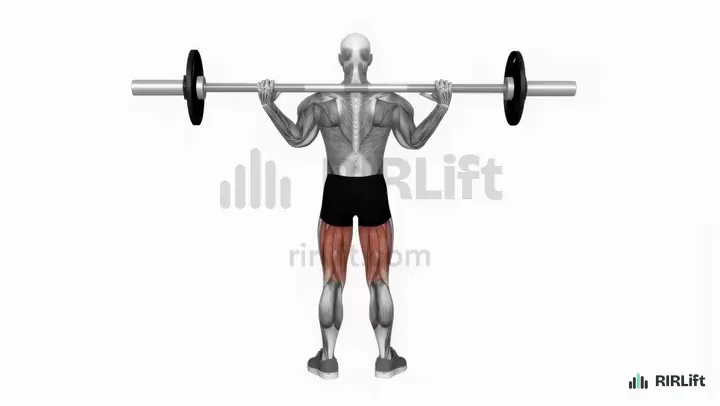
- Barbell Back Squat Quads, Glutes, Adductors
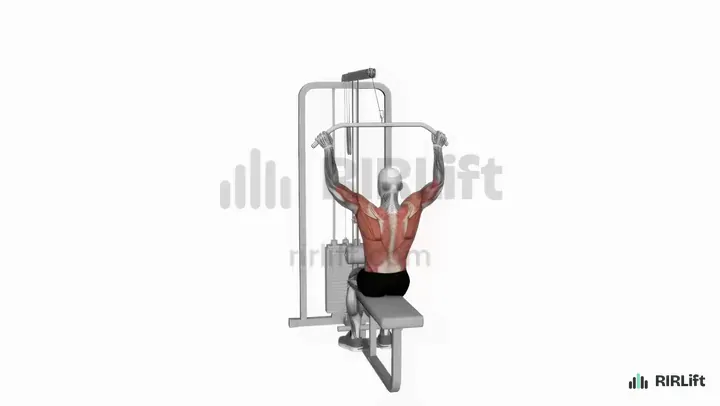
- Lat Pulldown Lats
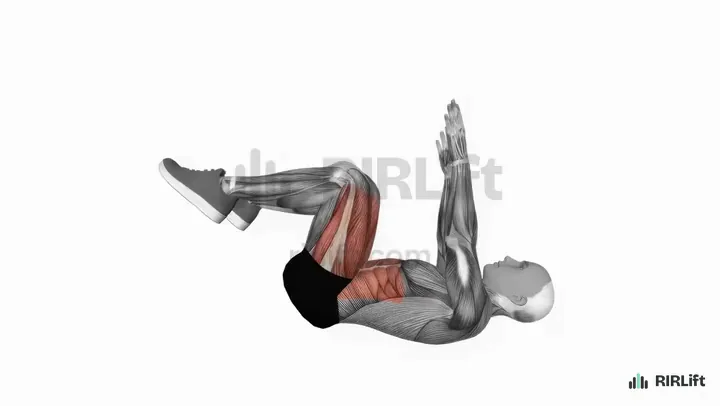
- Dead Bug Abs
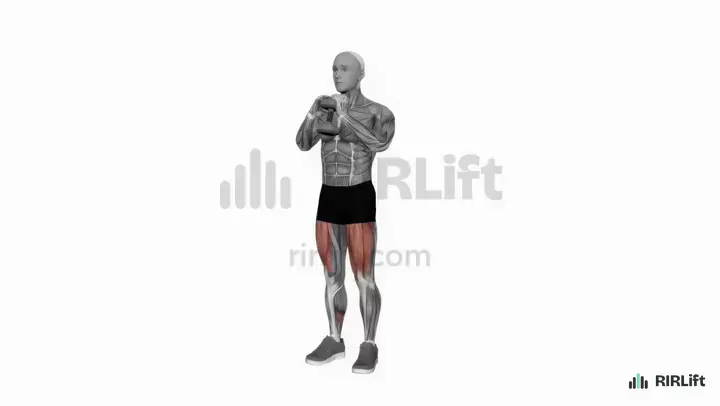
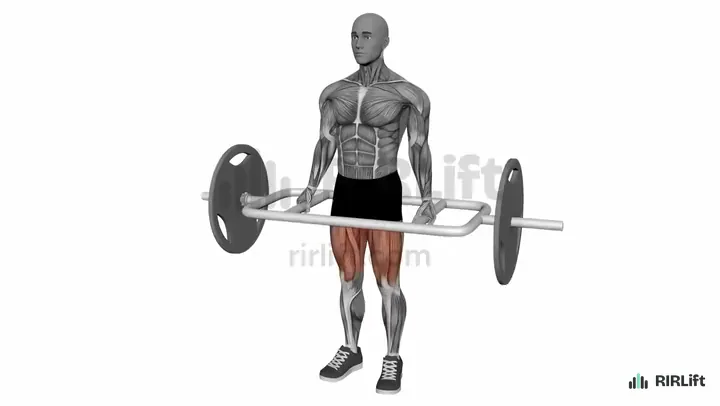
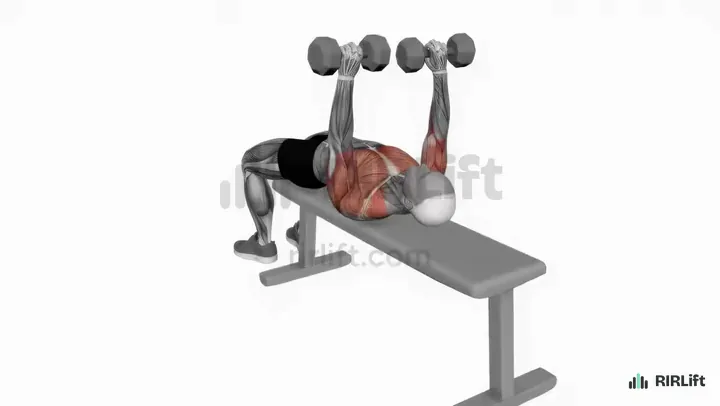
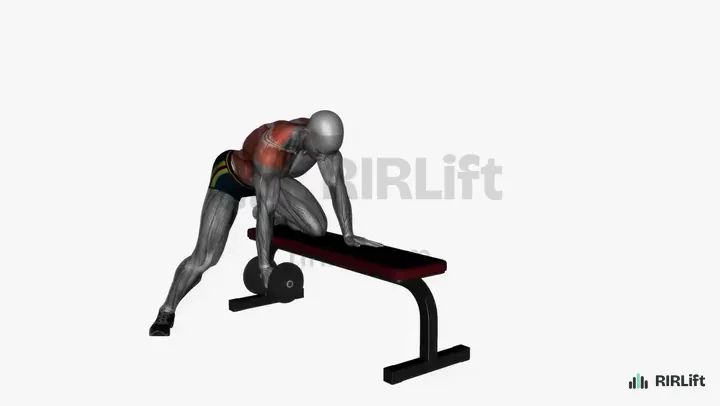
Put them together: example sessions
Each session below picks from the exercises above for one situation, with the sets, reps, rest and RIR filled in.
-
Session 1
13 or 14, a first program with dumbbells and a bench
You are new to lifting, you have a pair of adjustable dumbbells and a bench at home or in the school gym, and you want to learn the main lifts properly before going heavy.
2× a week · 20 sets a week · ~25 min
-
Session 2
15 to 17, gym access, learning the barbell lifts
You have a few months of dumbbell training behind you, a gym or school weight room with racks, and someone who can coach or spot you on the barbell lifts.
3× a week · 33 sets a week · ~35 min
-
Session 3
Off-season athlete adding muscle and power
Your season is over, you have 8 to 12 weeks before preseason, you already know the barbell lifts, and you want to come back bigger, stronger and faster.
3× a week · 40 sets a week · ~40 min
Session 1
13 or 14, a first program with dumbbells and a bench
- Workouts2× a week
- Working sets20 a week
- Per workout~25 min
- EquipmentDumbbells, Flat Bench
You are new to lifting, you have a pair of adjustable dumbbells and a bench at home or in the school gym, and you want to learn the main lifts properly before going heavy.
Five exercises for two sets is 10 working sets, about 30 minutes, covering squat, lunge, press, row and trunk twice a week. Higher reps and 3 reps in reserve keep the weights light enough to learn good technique while still getting stronger.
| Exercise | Sets × reps | RIR | Rest |
|---|---|---|---|
| Goblet Squat1 warm-up set first | 2 × 10–15 | 3 | 90 s |
| Flat Dumbbell Press | 2 × 10–15 | 3 | 90 s |
| One-Arm Dumbbell RowPer arm. | 2 × 10–15 | 3 | 1 min |
| Dumbbell Reverse LungePer leg. | 2 × 8–12 | 3 | 90 s |
| Dead BugPer side. | 2 × 8–12 | 3 | 1 min |
- How to run it
- Train on two days that are at least two days apart, such as Tuesday and Friday, and avoid the day before a game. Warm up with five minutes of easy movement and one light set of each lift.
- How to progress
- Once both sets reach the top of the rep range with 3 reps still in reserve, add the smallest weight jump you have, usually 2.5 to 5 pounds per dumbbell. After six weeks of steady technique, add a third set to the squat, press and row.
Session 2
15 to 17, gym access, learning the barbell lifts
- Workouts3× a week
- Working sets33 a week
- Per workout~35 min
- EquipmentBarbells, Flat Bench, Lat Pulldown, Trap Bar +2
You have a few months of dumbbell training behind you, a gym or school weight room with racks, and someone who can coach or spot you on the barbell lifts.
Alternating two sessions over three days gives each muscle about 7 to 10 sets a week, plenty for someone in their first year of barbell work. The barbell lifts come first in each session, in the 5 to 10 rep range at 2 reps in reserve, so you build strength without ever testing a max.
| Exercise | Sets × reps | RIR | Rest |
|---|---|---|---|
| Barbell Back Squat2 warm-up sets first | 3 × 6–10 | 2 | 2:30 min |
| Barbell Bench Press1 warm-up set first | 3 × 6–10 | 2 | 2:30 min |
| Lat Pulldown | 3 × 8–12 | 2 | 90 s |
| Dead BugPer side. | 2 × 8–12 | 2 | 1 min |
| Exercise | Sets × reps | RIR | Rest |
|---|---|---|---|
| Trap Bar Deadlift2 warm-up sets first | 3 × 5–8 | 2 | 2:30 min |
| Landmine Press | 3 × 8–10 | 2 | 90 s |
| One-Arm Dumbbell RowPer arm. | 3 × 8–12 | 2 | 90 s |
| Dumbbell Reverse LungePer leg. | 2 × 8–10 | 2 | 90 s |
- How to run it
- Lift Monday, Wednesday and Friday, alternating A and B, so one week is A-B-A and the next is B-A-B. Rest a full day between sessions, and put the warm-up sets on the barbell lifts.
- How to progress
- Add 5 pounds to the squat, deadlift and bench whenever all sets reach the top of the rep range with 2 reps in reserve. When a lift stalls for two weeks, drop the weight by 10 percent and work back up.
Session 3
Off-season athlete adding muscle and power
- Workouts3× a week
- Working sets40 a week
- Per workout~40 min
- EquipmentPlyo Box, Barbells, Dumbbells, Kettlebells +4
Your season is over, you have 8 to 12 weeks before preseason, you already know the barbell lifts, and you want to come back bigger, stronger and faster.
Three sessions split into lower, upper and full body give each muscle about 10 to 20 sets a week, legs highest, more than in season because there are no games to recover for. Jumps and swings come first while you are fresh, so the power work is never done tired.
| Exercise | Sets × reps | RIR | Rest |
|---|---|---|---|
| Box JumpStep down between reps. | 3 × 3–5 | 3 | 90 s |
| Barbell Back Squat2 warm-up sets first | 4 × 5–8 | 2 | 3 min |
| Dumbbell Reverse LungePer leg. | 3 × 8–10 | 2 | 90 s |
| Kettlebell Swing | 3 × 10–15 | 3 | 90 s |
| Exercise | Sets × reps | RIR | Rest |
|---|---|---|---|
| Barbell Bench Press2 warm-up sets first | 4 × 5–8 | 2 | 3 min |
| Lat Pulldown | 4 × 8–12 | 2 | 90 s |
| Landmine Press | 3 × 8–10 | 2 | 90 s |
| One-Arm Dumbbell RowPer arm. | 3 × 8–12 | 2 | 90 s |
| Exercise | Sets × reps | RIR | Rest |
|---|---|---|---|
| Trap Bar Deadlift2 warm-up sets first | 4 × 4–6 | 2 | 3 min |
| Flat Dumbbell Press | 3 × 8–12 | 2 | 90 s |
| Goblet Squat | 3 × 10–12 | 2 | 90 s |
| Dead BugPer side. | 3 × 8–12 | 2 | 1 min |
- How to run it
- Lift three days a week with a day off after each, and keep conditioning on the off days. Stop this program and switch to two shorter sessions when preseason practices start.
- How to progress
- Add weight to the barbell lifts when all sets reach the top of the range with 2 reps in reserve. Keep box jumps at the same height and focus on landing quietly; add a set rather than height. Every fourth week, drop one set from each exercise to recover.
Make it fit you
-
Learn each lift before you load it
Practice a new lift with an empty bar, a broomstick or the lightest dumbbell until five reps in a row look identical. A coach, a PE teacher or an experienced lifter watching your first sessions saves months of fixing habits later.
-
Training at home with no barbell
The first program runs entirely on dumbbells and a bench. When you outgrow it, keep the same layout and add a third set and a third day before buying more gear; adjustable dumbbells that go to 50 pounds cover most teens for a long time.
-
Teen girls
The programs are the same. Many girls start with stronger legs than upper body, so expect the squat and lunge to move up faster than the press and row, and progress each lift on its own schedule.
-
Fitting lifting around a sport
During the season, cut to the first program's two days at 2 sets each and keep the weights you finished the off-season with. Lift after practice or on days off, not on game day or the day before.
-
Eat and sleep for it
Muscle and strength are built between sessions. Eat three full meals with protein in each, plus snacks if you are trying to gain weight, and aim for eight or more hours of sleep on school nights.
-
Keep a record
Writing down the weight, reps and how many reps you had left is how you know when to go up. RIRLift sets the next session's weight from the reps in reserve you log, so you add weight steadily instead of guessing.
Questions
Should a 14 year old do strength training?
Yes, with the right setup: two or three sessions a week, lifts learned with light weights first, 8 to 15 reps per set and every set ended with a few reps left. The first program on this page is built for that age.
When should a teenager start lifting weights?
As soon as they can follow coaching and repeat a movement the same way, which for most kids is well before the teen years. Start with body weight and light dumbbells, add load gradually, and leave one-rep max tests until you have a coach who can run them.
What strength exercises are appropriate for a 12-year-old?
Bodyweight squats, push-ups, planks, lunges and light goblet squats and dumbbell rows. At 12 the goal is learning to move well under a light load, in sets of 10 to 15 with plenty left in the tank, under an adult who knows the lifts.
How can a teenager gain muscle?
Lift three days a week with enough sets per muscle, about 10 to 15 a week, add weight whenever you hit the top of your rep range, and eat enough to gain weight slowly. Muscle gain speeds up after puberty, so older teens usually see faster results.
What is the 3-3-3 rule for strength training?
It is usually given as three exercises, three sets, three days a week. For teens it is a reasonable first structure; the barbell program here uses four exercises per session so each day can cover legs, push, pull and trunk.
Related templates
-
Exercises for teens: getting stronger at home, in the weight room and in season
Bodyweight-first picks and a plan for teens who are in season.
-
Full body exercises for beginners: one squat, hinge, push, pull and core
More beginner-friendly lifts to swap into the first program.
-
Beginner strength program
How a beginner barbell program is structured and how long it lasts.
-
One-rep max calculator
Estimate your max from a normal set instead of testing a single.
-
How to use reps in reserve (RIR)
How to judge 2 or 3 reps left, the effort target used throughout.