
Exercises for teens: getting stronger at home, in the weight room and in season
Published October 29, 2026
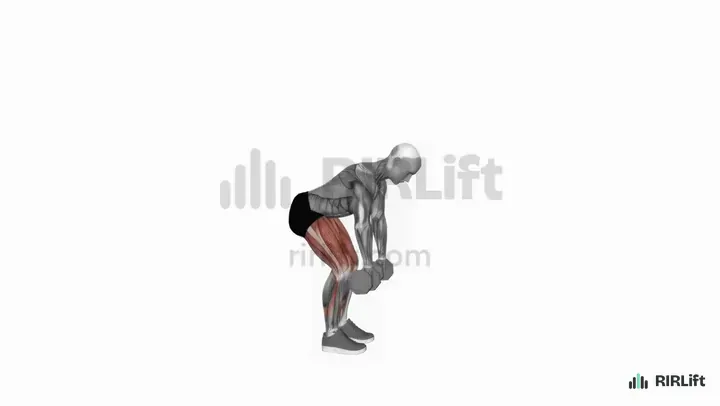
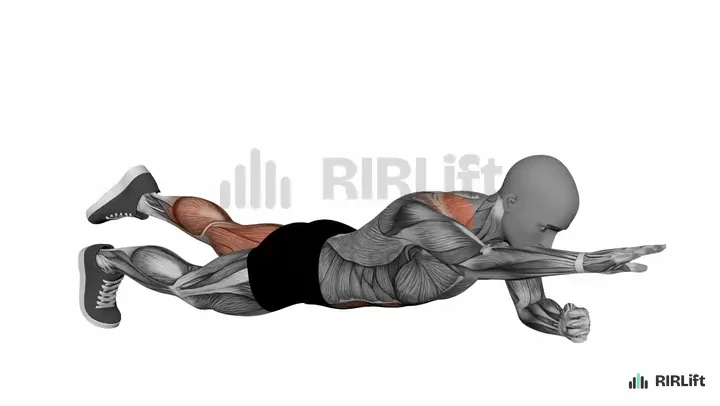
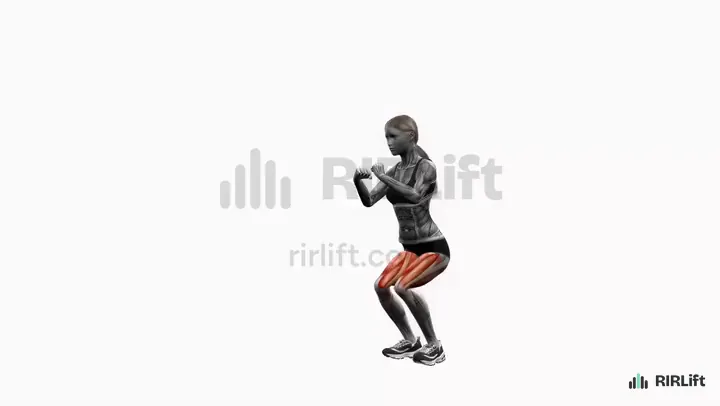
The best exercises for teens are the basics adults use: bodyweight or goblet squats and reverse lunges for legs, the dumbbell Romanian deadlift for the back of the legs, push-ups and dumbbell shoulder presses for pushing, inverted rows and chin-ups for pulling, planks for the trunk, and jump squats or jump rope for jumping. Do 2 or 3 full-body sessions a week, 2 to 3 sets of 8 to 15 reps, and stop each set with 2 or 3 good reps left. Start with your body weight and add load once each move looks the same on every rep.
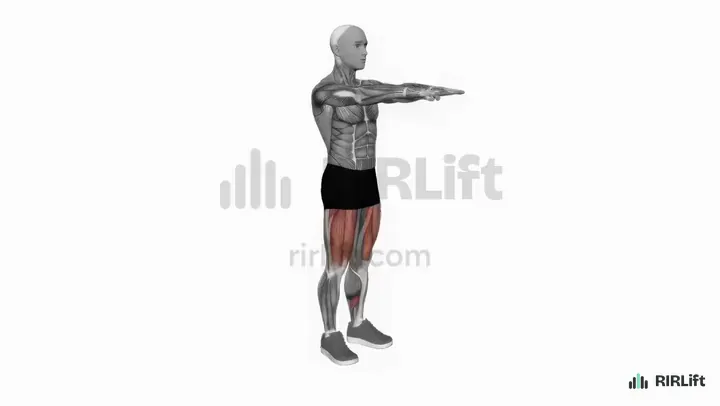
- Bodyweight Squat Quads
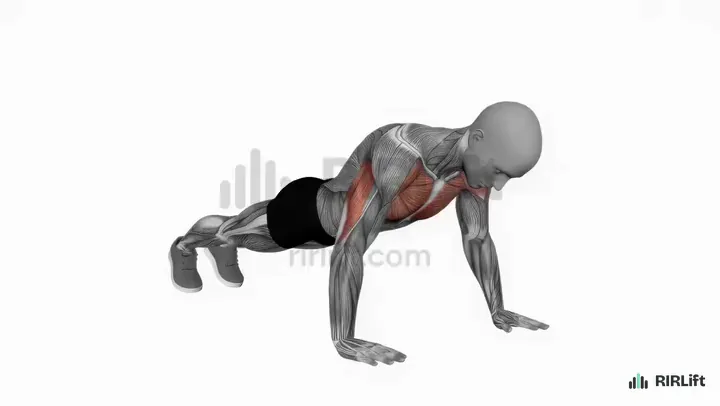
- Push-Up Chest
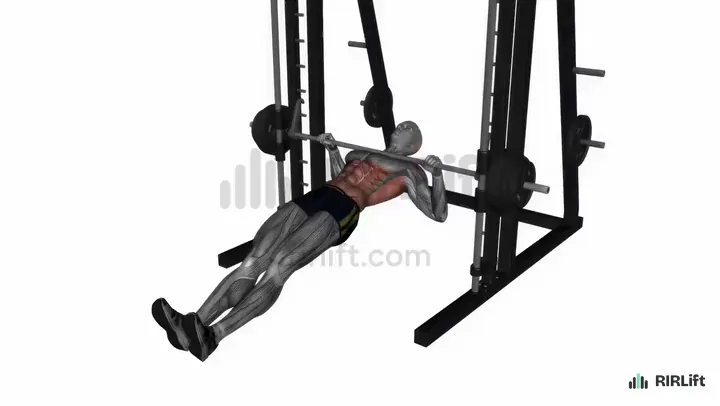
- Inverted Row Upper Back, Lats
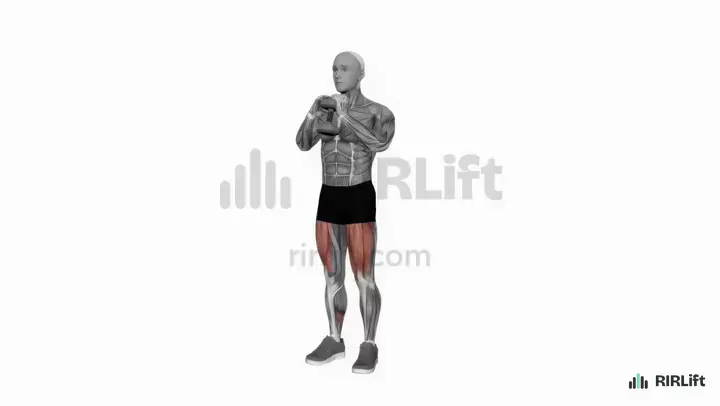
- Goblet Squat Quads, Glutes
- Dumbbell Romanian Deadlift Hamstrings, Glutes
- Plank Abs
- Jump Squat Quads, Glutes
Put them together: example sessions
Each session below picks from the exercises above for one situation, with the sets, reps, rest and RIR filled in.
-
Session 1
At home with no equipment, three days
You want to get stronger at home, have no weights, and can give it about 25 minutes three times a week.
3× a week · 29 sets a week · ~20 min
-
Session 2
School weight room or gym, two days
You have access to a school weight room or gym with dumbbells, a pull-up bar and a cable row, ideally with a coach around.
2× a week · 22 sets a week · ~25 min
-
Session 3
Teen athlete in season
You play a sport with practices most days and want to keep your strength through the season without being tired for games.
2× a week · 15 sets a week · ~20 min
Session 1
At home with no equipment, three days
- Workouts3× a week
- Working sets29 a week
- Per workout~20 min
- EquipmentBarbells, Jump Rope
You want to get stronger at home, have no weights, and can give it about 25 minutes three times a week.
Three short full-body days give your legs about 11 hard sets a week, pushing 6 and pulling 5, a good start for anyone new to lifting. Jumps go at the start of a day while your legs are fresh, and every set stops with 2 or 3 reps left.
| Exercise | Sets × reps | RIR | Rest |
|---|---|---|---|
| Jump SquatLand quietly. | 2 × 5–8 | 3 | 1 min |
| Bodyweight Squat | 3 × 12–20 | 2 | 1 min |
| Incline Push-Up | 3 × 8–12 | 2 | 1 min |
| PlankSeconds per hold. | 2 × 20–40 | 2 | 1 min |
| Exercise | Sets × reps | RIR | Rest |
|---|---|---|---|
| Reverse LungePer leg. | 3 × 8–12 | 2 | 75 s |
| Push-UpKnees down for the last reps if needed. | 3 × 5–12 | 2 | 75 s |
| Inverted RowUnder a sturdy table or low bar. | 2 × 6–12 | 2 | 75 s |
| Side PlankSeconds per side. | 2 × 15–30 | 2 | 1 min |
| Exercise | Sets × reps | RIR | Rest |
|---|---|---|---|
| Bodyweight Squat3 s down. | 3 × 15–20 | 2 | 1 min |
| Inverted RowUnder a sturdy table or low bar. | 3 × 6–12 | 2 | 75 s |
| Jump RopeSeconds per round. | 3 × 30–60 | 3 | 1 min |
- How to run it
- Monday, Wednesday and Friday, or any three days with a day between. Sports practice or games count as activity on the other days.
- How to progress
- When you reach the top of the rep range on every set with 2 reps in reserve, move to the harder version: incline push-up to push-up, two-leg squat to slower squats, then a backpack for load.
Session 2
School weight room or gym, two days
- Workouts2× a week
- Working sets22 a week
- Per workout~25 min
- EquipmentDumbbells, Cable Row, Pull-Up Bar
You have access to a school weight room or gym with dumbbells, a pull-up bar and a cable row, ideally with a coach around.
Two full-body sessions cover a squat, a hinge, a push and a pull each time, 11 sets per session. Loads stay light enough for 2 to 3 reps in reserve so every rep looks the same while you learn the lifts.
| Exercise | Sets × reps | RIR | Rest |
|---|---|---|---|
| Goblet Squat1 warm-up set first | 3 × 8–12 | 3 | 90 s |
| Dumbbell Shoulder Press | 3 × 8–12 | 2 | 90 s |
| Seated Cable Row | 3 × 10–12 | 2 | 75 s |
| PlankSeconds per hold. | 2 × 30–45 | 2 | 1 min |
| Exercise | Sets × reps | RIR | Rest |
|---|---|---|---|
| Dumbbell Romanian Deadlift1 warm-up set first | 3 × 8–12 | 3 | 90 s |
| Push-Up | 3 × 6–15 | 2 | 75 s |
| Chin-UpJump up and lower slowly if needed. | 3 × 2–6 | 2 | 2 min |
| Reverse LungePer leg. | 2 × 8–10 | 2 | 75 s |
- How to run it
- Two days with at least two days between them, such as Tuesday and Friday. Warm up with a lighter set of the first lift each day.
- How to progress
- Double progression: add the next dumbbell once every set reaches the top of the range with 2 or more reps left. Small, steady jumps are the goal, not a heavy single.
Session 3
Teen athlete in season
- Workouts2× a week
- Working sets15 a week
- Per workout~20 min
- EquipmentDumbbells, Barbells, Pull-Up Bar
You play a sport with practices most days and want to keep your strength through the season without being tired for games.
Practice already covers running and jumping, so this plan keeps only the strength work: four exercises of 1 or 2 sets, 7 or 8 sets per session. Two short sessions hold your strength without leaving you sore on game day.
| Exercise | Sets × reps | RIR | Rest |
|---|---|---|---|
| Goblet Squat1 warm-up set first | 2 × 6–8 | 3 | 90 s |
| Inverted Row | 2 × 8–12 | 3 | 75 s |
| Push-Up | 2 × 8–15 | 3 | 75 s |
| Side PlankSeconds per side. | 2 × 20–30 | 3 | 1 min |
| Exercise | Sets × reps | RIR | Rest |
|---|---|---|---|
| Dumbbell Romanian Deadlift1 warm-up set first | 2 × 6–8 | 3 | 90 s |
| Chin-Up | 2 × 3–6 | 3 | 2 min |
| Dumbbell Shoulder Press | 2 × 8–10 | 3 | 90 s |
| PlankSeconds per hold. | 1 × 30–45 | 3 | 1 min |
- How to run it
- Lift right after a lighter practice, never the day before a game. On a two-game week, do one session.
- How to progress
- Keep the same weights while they feel like 3 reps in reserve. If a lift feels easier for two weeks, add the smallest step. The off-season is the time to build; this is maintenance.
Make it fit you
-
Under 16 with no gym access
Many gyms have an age limit, so use the home plan and add a pull-up bar in a doorway when you can. It gives you chin-ups and hangs at home.
-
Learn with someone who knows the lifts
Ask a PE teacher or coach to watch your first sessions of the squat, Romanian deadlift and shoulder press. A second pair of eyes catches what you cannot feel.
-
Fit it around sport
Count practices and games as your hard running and jumping, and cut the jump and rope sets on days with practice.
-
Track it
Write down your reps and how many you had left, or log them in RIRLift, which sets your next weight from the reps in reserve you log. Seeing the numbers go up keeps you coming back.
-
Eat and sleep
Strength comes from training plus food and sleep. Regular meals with protein and a consistent bedtime matter more than any extra set.
Questions
What exercises should a 14-year-old do?
Bodyweight squats, lunges, push-ups, inverted rows, planks and some jumping, two or three times a week. Add light dumbbells once each move looks the same on every rep.
Which exercise is best for teenagers?
No single one. A routine with a squat, a hinge, a push, a pull and a core exercise covers everything, and that is how all three plans here are built.
What is a good workout routine for a teenager?
Two or three full-body sessions a week of 25 to 45 minutes, plus the daily activity guidelines recommend: at least 60 minutes a day for ages 6 to 17, with muscle- and bone-strengthening on at least 3 days.
What are some fun exercises for teenagers?
Jump rope, jump squats, pull-up challenges and sports. Pick a goal, like your first chin-up or 20 push-ups, and track the reps each week.
Can teenagers lift weights?
Yes. Start with your body weight, learn each lift with light dumbbells, and add weight in small steps while every rep stays controlled. Avoid testing maximum lifts while you are learning.
How can teens build muscle?
Train each muscle two or three times a week, take sets close to failure while form holds, add reps or weight over time, and eat enough. The weight-room plan here is a good place to start.
Related templates
-
Bodyweight exercises for beginners: squat, lunge, push, pull and brace at home
More no-equipment moves for the home plan.
-
Full body exercises for beginners: one squat, hinge, push, pull and core
Beginner full-body sessions with dumbbells and machines.
-
Calisthenics exercises for beginners: the progressions from first rep to pull-ups and dips
A path to pull-ups, dips and harder bodyweight skills.
-
Exercises for vertical jump: squat strength, power lifts, jumps and ankles
For teen athletes who want to jump higher.
-
Newbie gains
How fast beginners get stronger in the first months.