Upper body exercises for women: back, chest, shoulders and arms

The best upper body exercises for women are the lat pulldown, assisted pull-up and seated cable row for your back, the incline dumbbell press and chest press machine for your chest, the shoulder press and cable lateral raise for your shoulders, and the face pull, triceps pressdown and cable curl to round it out. Each session needs two pulls, a press, a shoulder raise and an arm move, about five exercises. Train them 8 to 15 reps, 1 to 2 reps short of failure, and add weight whenever you hit the top of the range.

  1. Lat Pulldown Lats
  2. Assisted Pull-Up Lats
  3. Seated Cable Row Upper Back, Lats
  4. Incline Dumbbell Press Chest
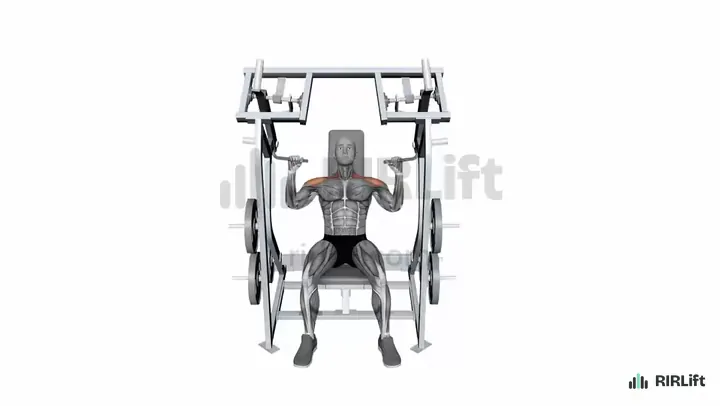
  5. Machine Shoulder Press Shoulders
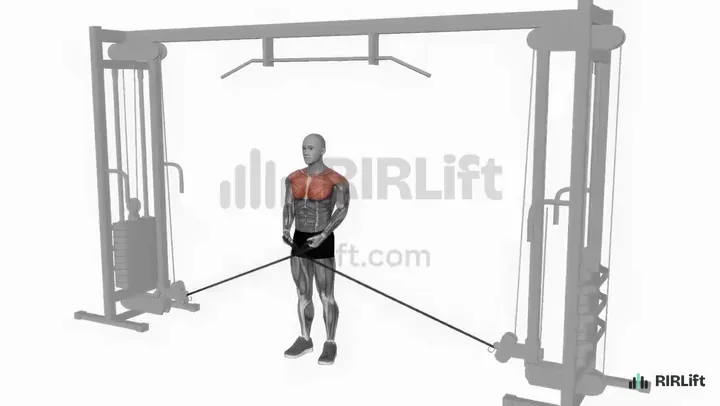
  6. Cable Lateral Raise Shoulders
  7. Face Pull Shoulders, Upper Back
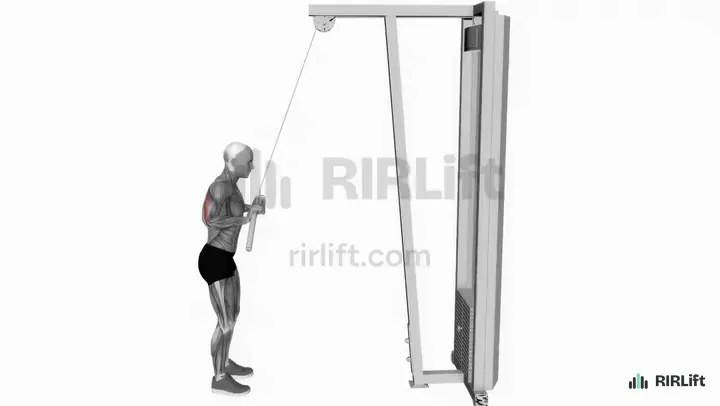
  8. Cable Triceps Pressdown Triceps
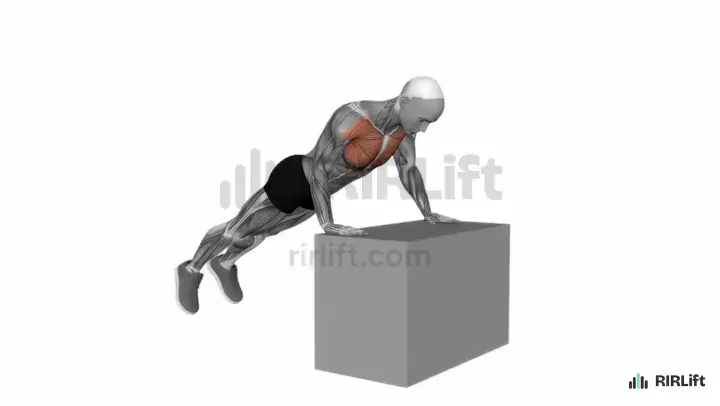
  9. Incline Push-Up Chest

Back exercises: pulldowns and rows

Start here. The back is the biggest muscle group in the upper body and the one most women want stronger, and two pulls per session, one vertical and one horizontal, cover it.

Lats, wide vertical pull

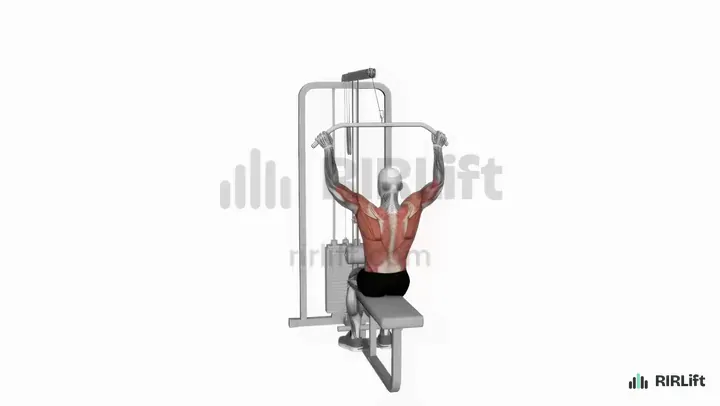
Lat Pulldown

Lats

Your lats run from under your arms down to your lower back, and training them gives the upper body its tapered shape. The pulldown is the easiest way to load them in a gym, at any weight you choose.

How to do it

  1. Adjust the thigh pad so your legs are locked in snugly, then take the bar a bit outside shoulder-width.
  2. Sit with your arms fully straight and your chest lifted.
  3. Bring the bar to your collarbone, thinking about pulling your elbows into your back pockets.
  4. Return the bar slowly until your arms are long again, and repeat.

Cues

  • Chest lifts to the bar
  • Elbows sweep down and back
  • Arms fully long at the top

Common mistakes

  • Leaning way back to drag the bar: hold a small, fixed lean.
  • Letting the weight yank your arms up: control the bar on its way back.

Swap for: Assisted Pull-Up, Neutral-Grip Lat Pulldown, Single-Arm Lat Pulldown

Lats and biceps, path to a pull-up

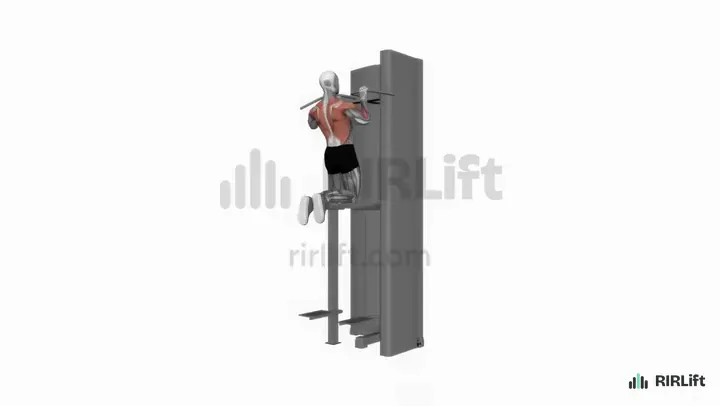
Assisted Pull-Up

Lats

Many women say pull-ups feel out of reach, and the assisted machine is the straight road to one. It is the real movement with a counterweight, so the strength transfers directly.

How to do it

  1. Choose a counterweight, climb onto the platform, and grip the handles palms forward.
  2. Sink down until your arms are straight.
  3. Pull until your chin rises past your hands, elbows drawing down toward your ribs.
  4. Lower yourself slowly back to straight arms.

Cues

  • Shoulders set down before you pull
  • Chin past the handles
  • Three seconds down

Common mistakes

  • So much counterweight that the reps never slow: the last two reps of each set should be a fight.
  • Shortening the bottom: start every rep from straight arms.

Swap for: Lat Pulldown, Band-Assisted Pull-Up, Chin-Up

Mid-back, cable row

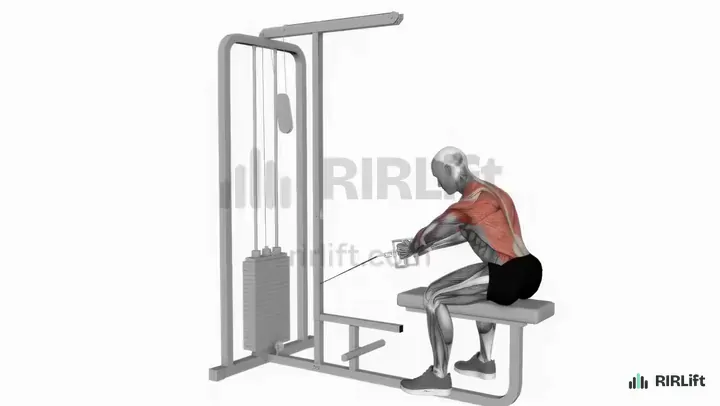
Seated Cable Row

Upper Back, Lats

Rows train the muscles between your shoulder blades that pull your shoulders back, which helps you stand taller and balances all the pressing in a session. The cable keeps the load smooth from start to finish.

How to do it

  1. Sit at the row station with your feet on the platform and knees slightly bent.
  2. Hold the handle with straight arms and sit up tall.
  3. Row the handle into your stomach, driving your elbows behind you, and hold for a moment.
  4. Let your arms reach forward again slowly, letting your shoulder blades spread.

Cues

  • Sit tall the whole set
  • Handle to the belly button
  • Reach forward between reps

Common mistakes

  • Swinging your torso back to move the stack: the torso stays still.
  • Pulling toward the chest with the shoulders up: aim lower and keep the shoulders down.

Swap for: One-Arm Dumbbell Row, Chest-Supported Row, Wide-Grip Cable Row

Lats and upper back, one-arm row

One-Arm Dumbbell Row

Lats, Upper Back

A dumbbell row lets each side work alone, which shows up and fixes a weaker side, and you can do it at home or in any corner of the gym.

How to do it

  1. Brace one hand and knee on a bench, back flat.
  2. Let the dumbbell hang straight down from your shoulder.
  3. Row it up beside your ribs, elbow tight to your side.
  4. Lower it to a long arm and repeat. Finish all reps, then switch sides.

Cues

  • Elbow skims your ribs
  • Flat, still back
  • Long arm at the bottom

Common mistakes

  • Twisting your chest to the ceiling: lighten the weight.
  • Yanking the weight up: control it both ways.

Swap for: Seated Cable Row, Incline Dumbbell Row, Band Bent-Over Row

Chest exercises

One press per session is enough for the chest. The machine is easiest to push hard; the incline press works the upper chest; the incline push-up builds toward a full push-up.

Upper chest, dumbbell press

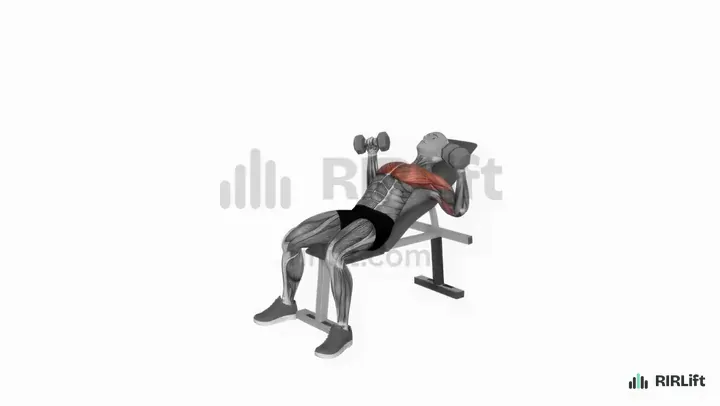
Incline Dumbbell Press

Chest

The incline press builds the upper chest and front shoulders, the area just below the collarbone. With dumbbells, each arm moves freely, which tends to suit the shoulders well.

How to do it

  1. Set a bench at a low incline, about 30 degrees, and lie back with a dumbbell held at each side of your chest.
  2. Pull your shoulder blades back into the bench.
  3. Press up until your arms are straight above your shoulders.
  4. Lower the dumbbells slowly to the sides of your chest and press again.

Cues

  • Low incline
  • Shoulder blades back and down
  • Slow lowering

Common mistakes

  • A bench angle so steep it becomes a shoulder press: keep it low.
  • Elbows straight out to the sides: tuck them a little.

Swap for: Machine Chest Press, Incline Push-Up, Flat Dumbbell Press

Chest, machine press

Machine Chest Press

Chest

A chest press machine lets you work hard on pressing without balancing anything or needing a spotter, so it is ideal for building strength while learning how close to failure you can go.

How to do it

  1. Adjust the seat so the handles sit level with the middle of your chest.
  2. Settle back against the pad and grip the handles.
  3. Push them forward to straight arms, shoulders staying back on the pad.
  4. Bring them back slowly until you feel a stretch across your chest.

Cues

  • Handles level with mid-chest
  • Shoulders back
  • Stretch on the return

Common mistakes

  • Rolling the shoulders forward to finish: keep them on the pad.
  • Short returns: let the handles come all the way back.

Swap for: Incline Dumbbell Press, Incline Push-Up, Barbell Bench Press

Chest and triceps, raised push-up

Incline Push-Up

Chest

With your hands on a bench or box, a push-up becomes lighter, so you can do full, strict reps and build up to the floor. Many women use it to reach their first full push-up.

How to do it

  1. Put your hands on a bench, box or bar a bit outside shoulder-width.
  2. Walk your feet back until your body is one straight line.
  3. Lower your chest to the edge, elbows angled back.
  4. Push back to straight arms and repeat.

Cues

  • Straight line from head to heels
  • Chest to the edge
  • Lower the surface over time

Common mistakes

  • Letting the hips sag: squeeze your glutes.
  • Staying at the same height for months: drop the surface when you reach 15 reps.

Swap for: Push-Up, Kneeling Push-Up, Machine Chest Press

Shoulder exercises

Train the shoulders with one press and one side raise, and add the face pull for the backs of the shoulders. This is where the rounded, defined look comes from.

Shoulders, machine overhead press

Machine Shoulder Press

Shoulders

The shoulder press machine guides the path overhead, so you can press heavy without balancing dumbbells. It is a strong first choice for shoulder size and strength.

How to do it

  1. Set the seat so the handles start at about shoulder height.
  2. Rest your back on the pad and grip the handles.
  3. Press up until your arms are nearly straight.
  4. Lower under control until your hands return to shoulder level.

Cues

  • Back on the pad
  • Handles start at shoulder height
  • Smooth, full range

Common mistakes

  • Arching off the pad to press: lighten the stack.
  • Stopping short at the bottom: return to shoulder level.

Swap for: Dumbbell Shoulder Press, Arnold Press, Landmine Press

Shoulders, seated dumbbell press

Dumbbell Shoulder Press

Shoulders

Pressing dumbbells overhead trains the shoulders and the triceps, and it works anywhere you have a bench and a pair.

How to do it

  1. Sit on a bench set upright with dumbbells at shoulder height, palms forward.
  2. Brace your stomach.
  3. Press both dumbbells overhead until your arms are straight.
  4. Lower them back to ear height and repeat.

Cues

  • Ribs down
  • Press up and slightly in
  • Back to ear height

Common mistakes

  • Arching to finish the rep: go lighter.
  • Half reps: lower to ear height every time.

Swap for: Machine Shoulder Press, Alternating Dumbbell Shoulder Press, Arnold Press

Side delts, cable raise

Cable Lateral Raise

Shoulders

The cable keeps tension on the side delts low in the raise, where dumbbells feel weightless. Wider side delts make the shoulders look rounder and the waist smaller by contrast.

How to do it

  1. Stand between two low cable pulleys and hold each handle in the opposite hand, so the cables cross in front of you.
  2. Bend your elbows slightly and stand tall.
  3. Sweep both arms up to shoulder height, leading with your elbows.
  4. Lower slowly until your hands cross in front of your hips again.

Cues

  • Cables cross in front
  • Elbows lead
  • Shoulder height, no higher

Common mistakes

  • Shrugging as you raise: keep the shoulders low.
  • Using too much weight and leaning back: this is a light, strict exercise.

Swap for: Dumbbell Lateral Raise, Machine Lateral Raise, Leaning Cable Lateral Raise

Side delts, dumbbell raise

Dumbbell Lateral Raise

Shoulders

The dumbbell lateral raise works the side delts with the lightest pair you own, so it is the shoulder width exercise for home and for a crowded gym.

How to do it

  1. Stand tall with light dumbbells hanging at your sides.
  2. Keep a small bend in your elbows.
  3. Lift your arms sideways to shoulder height.
  4. Lower slowly and repeat.

Cues

  • Light weight, strict reps
  • Elbows lead the hands
  • Slow lowering

Common mistakes

  • Swinging from the hips: choose lighter dumbbells.
  • Lifting above shoulder height with a shrug: stop at shoulder height.

Swap for: Cable Lateral Raise, Seated Dumbbell Lateral Raise, Band Lateral Raise

Rear delts and upper back, cable

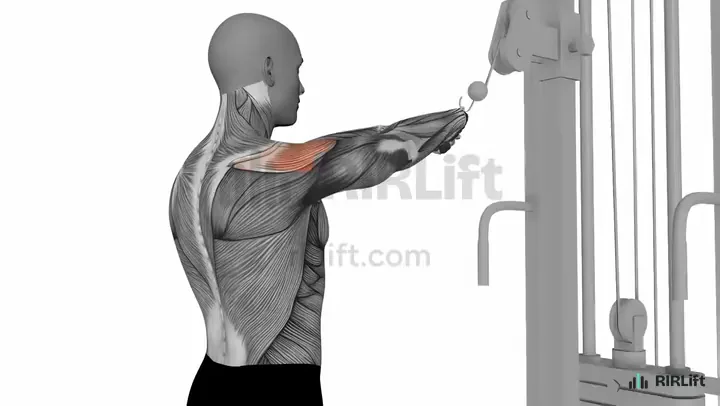
Face Pull

Shoulders, Upper Back

The face pull trains the backs of the shoulders and the muscles that rotate them outward, which helps balance a lot of pressing and supports good posture. A rope on a high cable is all it needs.

How to do it

  1. Set a rope on a cable at face height and hold an end in each hand, palms facing down.
  2. Step back until your arms are straight and the cable is taut.
  3. Pull the rope toward your face, splitting the ends apart, so your hands finish beside your ears.
  4. Return slowly to straight arms and repeat.

Cues

  • Pull to the face, not the chest
  • Split the rope apart
  • Elbows high

Common mistakes

  • Leaning back to pull: step closer and lighten it.
  • Pulling the elbows down into a row: keep them at shoulder height.

Swap for: Band Pull-Apart, Incline Dumbbell Rear Delt Raise, Reverse Pec Deck

Build a session with Face Pull

Arm exercises

Rows train the biceps and presses train the triceps, so two short arm exercises at the end of a session are all you need.

Triceps, cable pressdown

Cable Triceps Pressdown

Triceps

The triceps make up most of the back of the upper arm, and the pressdown trains them directly with a load that is easy to adjust.

How to do it

  1. Attach a straight bar to a high pulley and grip it with palms down.
  2. Pin your elbows to your sides with your forearms parallel to the floor.
  3. Drive the bar toward your thighs until your arms are straight.
  4. Let it rise back to the start slowly, elbows fixed.

Cues

  • Elbows glued to your sides
  • Full lockout
  • Slow return

Common mistakes

  • Elbows drifting forward and up: keep them at your sides.
  • Leaning over the bar to push with body weight: stand tall.

Swap for: Seated Dumbbell Overhead Triceps Extension, Bench Dip, Triceps Kickback

Biceps, cable curl

Cable Curl

Biceps

The cable curl keeps the biceps loaded through the whole movement and lets you make small weight jumps, which is useful when dumbbells jump in big steps.

How to do it

  1. Attach a bar to a low pulley and stand facing it, palms up.
  2. Keep your elbows at your sides.
  3. Curl the bar up until your forearms are near vertical.
  4. Lower it slowly to straight arms.

Cues

  • Elbows still
  • Squeeze at the top
  • Straight arms at the bottom

Common mistakes

  • Rocking your body to start the curl: lighten the stack.
  • Stopping short of straight arms: full range builds more.

Swap for: Dumbbell Curl, Hammer Curl, EZ-Bar Curl

Put them together: example sessions

Each session below picks from the exercises above for one situation, with the sets, reps, rest and RIR filled in. Open one in the session builder to change a pick, price it from a recent set, and add it to RIRLift.

Session 1

Gym, machines and cables, twice a week

Open in the session builder
  • Workouts2× a week
  • Working sets27 a week
  • Per workout~30 min
  • EquipmentLat Pulldown, Chest Press, Cable Row, Adjustable Cable +1

You have gym access and want an upper body that looks defined and feels strong, starting from the machines.

Machines and cables let you work close to failure safely from day one, so most sets stop at 1 rep in reserve. Each session has two pulls, one press, one shoulder raise and one arm move, about 15 sets, giving the back a little more volume than the chest because it does more for posture and shape.

Upper A
ExerciseSets × repsRIRRest
Lat Pulldown1 warm-up set first 3 × 8–12 1 90 s
Machine Chest Press 3 × 8–12 1 90 s
Seated Cable Row 3 × 10–12 1 90 s
Cable Lateral Raise 3 × 12–20 0 45 s
Cable Triceps Pressdown 2 × 10–15 1 45 s

Open Upper A in the session builder

Upper B
ExerciseSets × repsRIRRest
Seated Cable Row1 warm-up set firstPause 1 s at the belly. 3 × 8–12 1 90 s
Machine Shoulder Press 3 × 8–12 1 90 s
Lat Pulldown 2 × 10–15 1 90 s
Face Pull 3 × 12–20 1 45 s
Cable Curl 2 × 10–15 1 45 s

Open Upper B in the session builder

How to run it
Do Upper A and Upper B once each per week, on days between your lower-body sessions.
How to progress
When every set reaches the top of its rep range, move the pin down one plate. If a plate jump is too large, add reps until you can make it.

Session 2

Weak up top: first pull-up and push-up

Open in the session builder
  • Workouts3× a week
  • Working sets35 a week
  • Per workout~30 min
  • EquipmentAssisted Machine, Dumbbells, Incline Bench, Lat Pulldown +1

Your upper body feels weak, and your goal is strength you can measure: a first pull-up and a full push-up.

Pull-ups and push-ups improve with practice, so both appear three times a week in some form, with lower reps and longer rest at 1 to 2 reps in reserve. Pulldowns and rows add back volume without the same skill demand. Accessory work is kept short so the main lifts stay fresh.

Strength A
ExerciseSets × repsRIRRest
Assisted Pull-Up1 warm-up set first3 s lowering. 4 × 5–8 1 2:30 min
Incline Push-Up 3 × 6–12 1 2 min
One-Arm Dumbbell RowPer arm. 3 × 8–12 1 90 s
Dumbbell Shoulder Press 2 × 8–12 2 90 s

Open Strength A in the session builder

Strength B
ExerciseSets × repsRIRRest
Assisted Pull-Up 3 × 6–10 2 2 min
Incline Dumbbell Press1 warm-up set first 3 × 6–10 2 2 min
Lat Pulldown 3 × 8–12 1 90 s
Face Pull 2 × 12–20 1 45 s

Open Strength B in the session builder

How to run it
Three days a week, at least one day apart. Rotate A, B, A one week and B, A, B the next.
How to progress
Remove one step of assistance on the pull-up each time all sets hit 8 reps. Lower the push-up surface when you reach 12 reps per set.

Session 3

Home, dumbbells and a bench, 25 minutes

Open in the session builder
  • Workouts2× a week
  • Working sets23 a week
  • Per workout~20 min
  • EquipmentDumbbells, Incline Bench

You train at home with adjustable dumbbells and an incline bench, with about 25 minutes per session.

Without cables or machines, every pick here uses dumbbells or the bench. Pairs are done as supersets of a push and a pull, so the session fits in 25 minutes while each muscle still rests between its own sets. Sets stop at 1 rep in reserve, or 0 on the lateral raise, because home dumbbells stop getting heavier sooner than a stack.

Home A
ExerciseSets × repsRIRRest
A1 Incline Dumbbell PressThen straight to the row. 3 × 8–12 1 30 s
A2 One-Arm Dumbbell RowPer arm. 3 × 8–12 1 75 s
B1 Dumbbell Shoulder Press 3 × 8–12 1 30 s
B2 Dumbbell Lateral Raise 3 × 12–20 0 1 min

Open Home A in the session builder

Home B
ExerciseSets × repsRIRRest
A1 One-Arm Dumbbell RowPer arm. 3 × 10–15 1 30 s
A2 Incline Push-UpHands on the bench. 3 × 8–15 1 75 s
B1 Dumbbell Lateral Raise 3 × 12–20 0 30 s
B2 Dumbbell Shoulder Press 2 × 10–15 1 75 s

Open Home B in the session builder

How to run it
Do one session two or three times a week, alternating A and B.
How to progress
Add a rep each session until you hit the top of the range, then move up one dumbbell step.

Make it fit you

Questions

How to gain upper body strength as a woman?

Train your upper body two or three times a week with pulls, presses and shoulder raises, take sets 1 to 2 reps short of failure, and add weight or reps every week or two. The first-pull-up plan above is built around exactly this. Women gain strength the same way men do.

Are 3 exercises enough for the upper body?

Three can work if they are a pull, a press and a second pull or a shoulder raise, each done for 3 to 4 hard sets. Most women get better results from four or five, because the shoulders and back then get enough direct work.

What are some good exercises for arm and shoulder workouts?

For shoulders, the shoulder press, the cable lateral raise and the face pull; for arms, the triceps pressdown and the cable curl. Rows and pulldowns already work your biceps, and presses work your triceps.

Will upper body exercises make me look bulky?

No. Adding visible muscle is slow, and it takes years of hard training to look very muscular. Lifting gives your shoulders and arms shape; your diet decides how lean they look.

How often should women train upper body?

Two or three times a week. Two sessions give each muscle about 10 hard sets weekly, which is plenty for most people.

What weight should I use for upper body exercises?

A weight you can lift for the target reps with only 1 or 2 more in the tank. If you could do five more, go heavier; if the last rep fails, go lighter. For lateral raises that is often 5 to 10 pounds; for pulldowns and rows it is much more.