
Wrist curl: how to do it for bigger forearms and a stronger grip
Published October 19, 2026
A wrist curl trains the forearm flexors, the muscles on the palm side of your forearm. Rest your forearms on a bench or your thighs with your palms up, let the bar roll down into your fingers, then curl your wrists up as high as they go. Use a light weight for 12 to 20 slow reps and keep your forearms flat; only your hands should move.
- WorksForearms
- EquipmentBarbells
- Start with3 × 10–15, 1 in reserve, 90 s rest
How to do the wrist curl
Big curls and rows train your grip only as hard as they need to. The wrist curl works the flexors directly through their full range, which is what builds the inner forearm and helps grip strength. A barbell lets both hands work together and progress in small steps.
Steps
- Kneel or sit at a flat bench and lay both forearms along it with your hands past the edge, palms up, holding a barbell about shoulder width apart.
- Keep your forearms pressed into the bench for the whole set.
- Open your hands a little and let the bar roll down toward your fingertips while your wrists bend back.
- Close your fingers around the bar, then bend your wrists up as far as they go and hold for a moment.
- Lower slowly through the same path and let the bar roll back into your fingers before the next rep.
Cues
- Forearms stay flat
- Roll it to the fingers
- Slow both ways
Common mistakes
- Lifting the forearms off the bench: once your elbows help, the wrist muscles do less. Lighten the bar if you need to lift your arms.
- Going too heavy and bouncing: these are small muscles that respond to controlled, higher-rep sets. Bouncing just strains the wrist.
- Cutting the range short at the bottom: letting the bar roll to your fingers trains your finger flexors and grip too.
Swap for: Kettlebell Wrist Curl, Reverse Wrist Curl, Farmer's Walk
Muscles the wrist curl works
The wrist curl works the wrist flexors on the palm side of your forearm, and when you let the bar roll into your fingers, the finger flexors that drive your grip. The brachioradialis on top of the forearm helps only a little; the reverse wrist curl trains the extensors on the back of the forearm.
Sets, reps and reps in reserve for the wrist curl
| Goal | Sets × reps | RIR | Rest |
|---|---|---|---|
| Bigger forearms | 3 × 12–20 | 1–2 | 60 s |
| Superset with reverse wrist curls to train both sides in the same time. | |||
| Grip strength | 3 × 10–15 | 1 | 60–90 s |
| Use the full roll to the fingertips on every rep. | |||
| Starting out | 2 × 15–20 | 3 | 60 s |
| Start light; forearm tendons need a few weeks to get used to direct work. | |||
Wrist curl variations
-
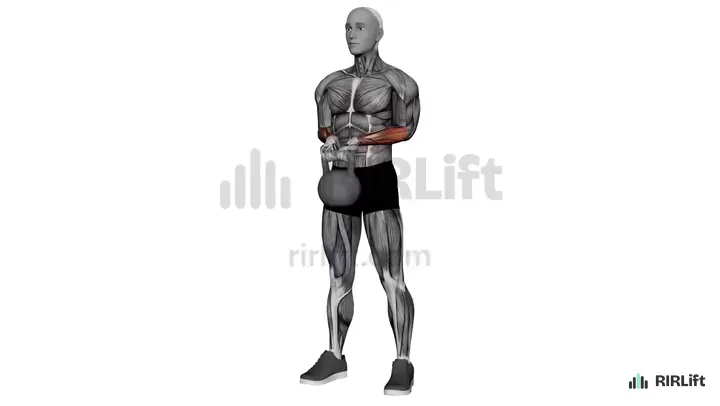
Kettlebell Wrist Curl
Curl a kettlebell over your knee when you train at home or want one hand at a time.
Build a session with it -
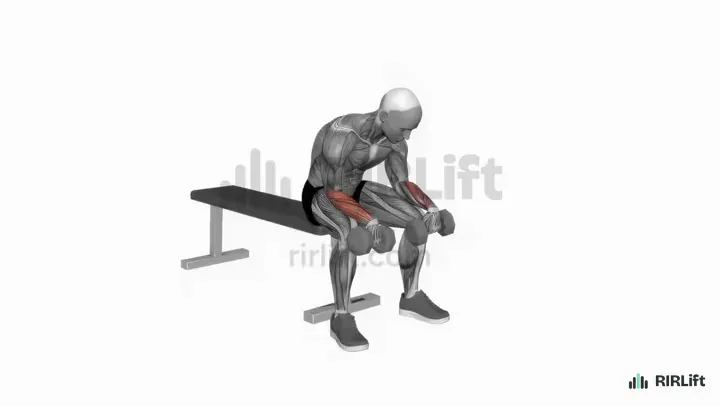
Reverse Wrist Curl
Turn your palms down to train the back of the forearm and balance your wrist curls.
Build a session with it -
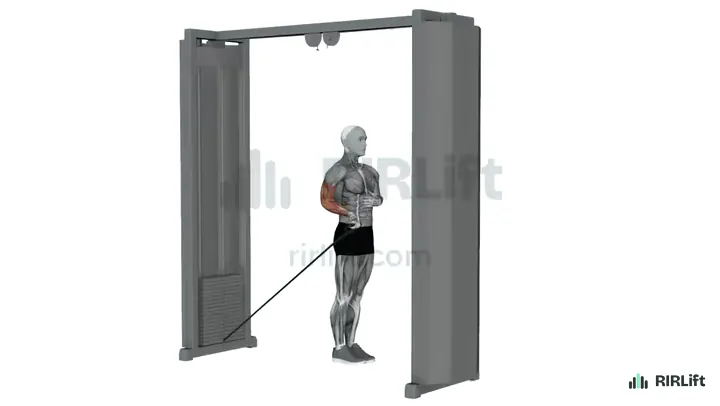
Cable Wrist Extension
Use a low cable for wrist extensions when you want steady tension on the back of the forearm.
Build a session with it
Wrist curl alternatives
Grip and carries
-
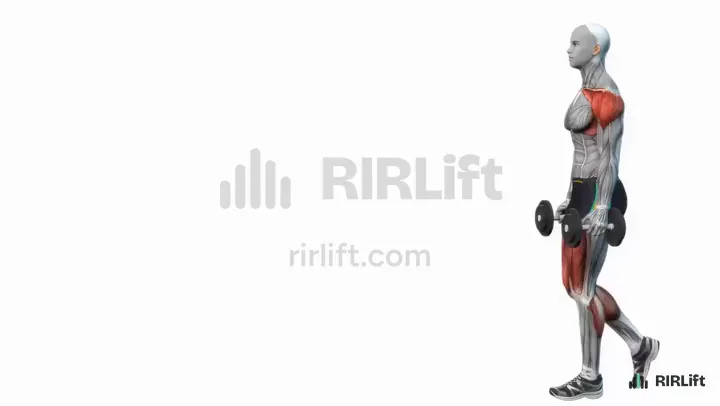
Farmer's Walk
Carry heavy dumbbells when you want grip strength that transfers to deadlifts and rows.
Build a session with it -
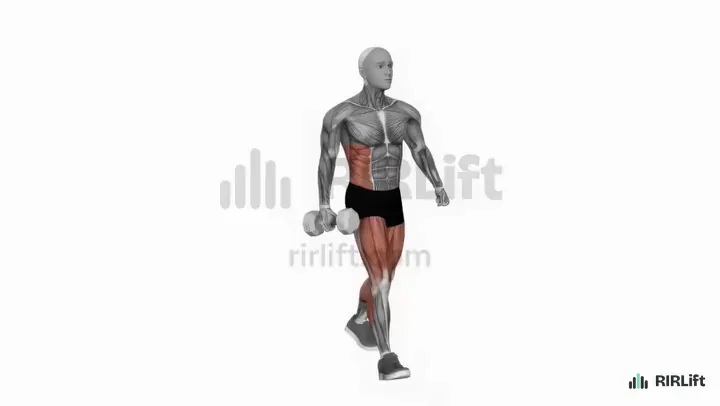
Dumbbell Suitcase Carry
Carry one dumbbell when you want grip work and your abs fighting the lean.
Build a session with it
Forearm curls
-
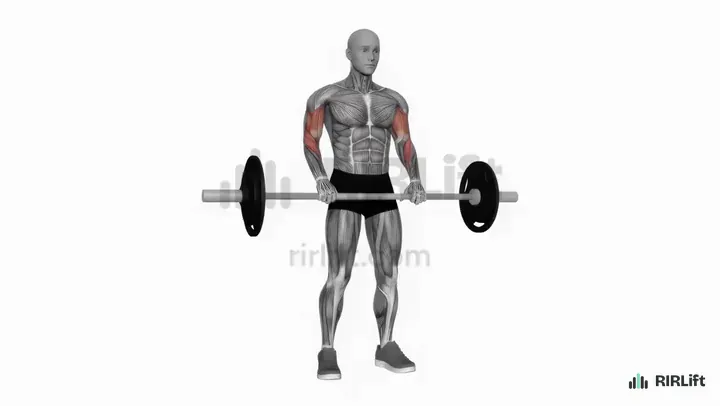
Reverse Curl
Curl a barbell palms down when you want the top of the forearm and the brachioradialis.
Build a session with it -
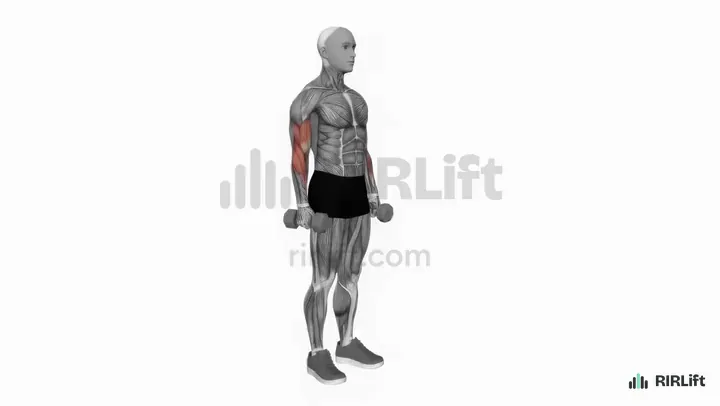
Hammer Curl
Curl dumbbells thumbs up when you want forearm work inside your biceps training.
Build a session with it -
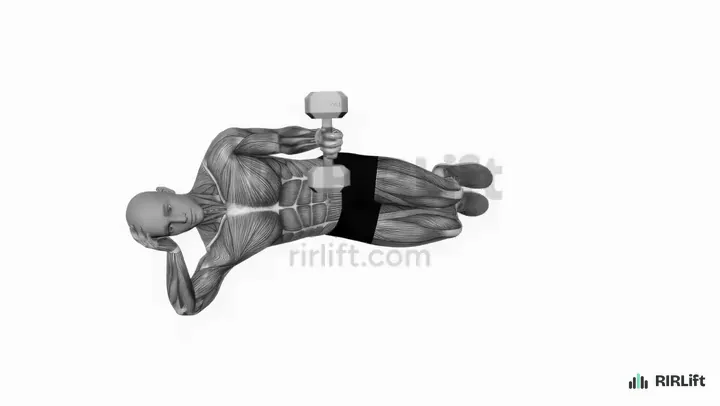
Dumbbell Wrist Pronation-Supination
Rotate a dumbbell when you want to train forearm rotation, which wrist curls skip.
Build a session with it
What do wrist curls help with?
They grow the inner forearm and strengthen the flexors that close your hand, which helps you hold heavy bars on pulls and carries. They also make your forearms less of a weak link in any lift that needs grip. They will not make your wrists bigger, since the wrist is mostly bone and tendon.
How to get bigger forearms
Train both sides of the forearm. Pair wrist curls with reverse wrist curls or reverse curls, two or three times a week, in sets of 12 to 20 taken close to failure. Add heavy carries or deadlifts without straps for grip. Forearms grow slowly for most people, so log your reps and weights and look for progress over months rather than weeks.
Questions
What do wrist curls help with?
They build the forearm flexors and grip strength, which helps on deadlifts, rows, pull-ups and carries, and makes the inner forearm bigger.
How long does it take to see forearm gains?
Strength goes up in a few weeks. Visible size usually takes a few months of consistent training, as with any small muscle group.
Are wrist curls safe?
Yes, with a weight you can control. Use slow reps, start light, and leave the heavy loading for grip work like carries.
What are good dumbbell wrist exercises?
Dumbbell wrist curls, reverse wrist curls, wrist rotations and hammer curls, plus farmer's walks for grip.
Should you do wrist curls seated or kneeling?
Either works. Sitting with forearms resting along your thighs is simple; kneeling with your forearms on a bench keeps them flatter and steadier.
What are the best exercises for strong forearms?
Wrist curls for the flexors, reverse wrist curls or reverse curls for the extensors, and heavy carries for grip cover the forearm well.
Related templates
-
Forearm exercises with dumbbells: wrist curls, hammer curls and carries
More forearm exercises to build a full forearm day.
-
Farmer's walk: how to do it, what it works, and what to swap it for
Heavy grip work to pair with your wrist curls.
-
Hammer curl: how to do it, what it works, and what to swap it for
A curl that trains the top of the forearm.
-
The best workout for forearms, for your situation
A complete forearm session to follow.
-
How to use RIR
How to judge the reps you leave in reserve on every set.