
Ab exercises for weight loss: build the muscle, lose the fat over it
Published October 29, 2026
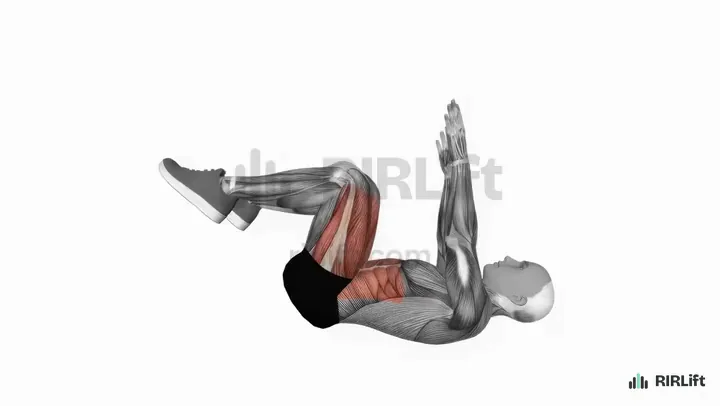
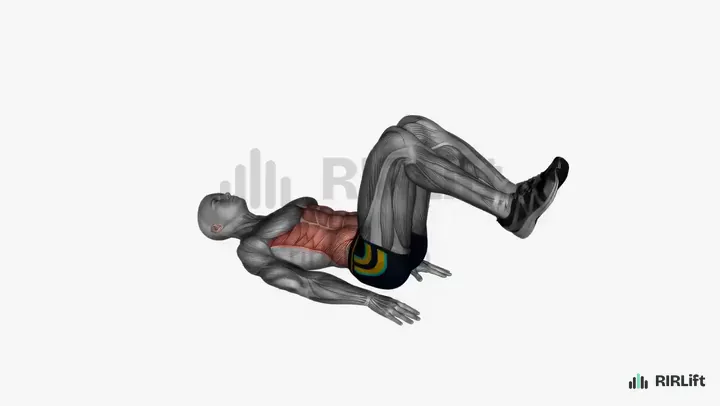
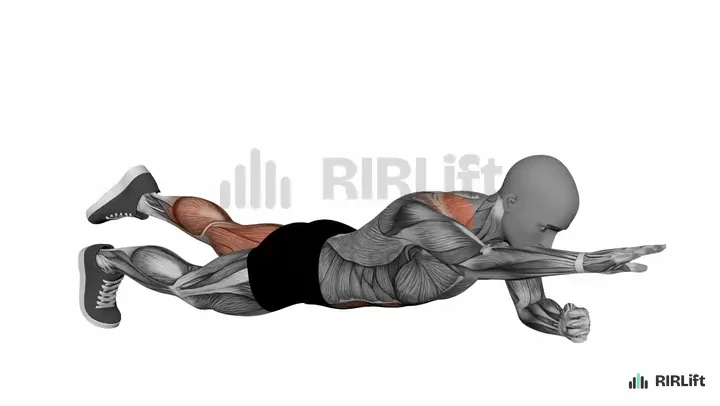
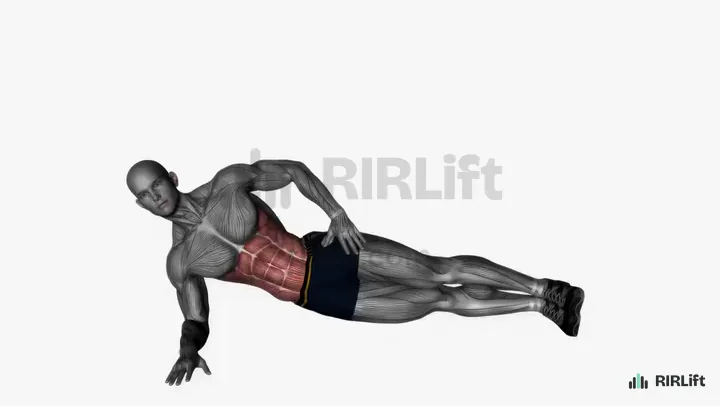
Ab exercises do not burn belly fat directly; it comes off with the rest of your body fat when you eat in a calorie deficit. What they do is build the abs that show as the fat drops. The best ones are the dead bug, crunch, reverse crunch, plank and side plank at home; mountain climbers and shoulder taps when you want your heart rate up; and the hanging knee raise, cable crunch, Pallof press and ab wheel in a gym. Do 3 or 4 of them, 2 or 3 times a week, 2 to 3 sets each, after your main workout.
- Dead Bug Abs
- Reverse Crunch Abs
- Plank Abs
- Side Plank Abs
- Hanging Knee Raise Abs
- Cable Crunch Abs
- Pallof Press Abs
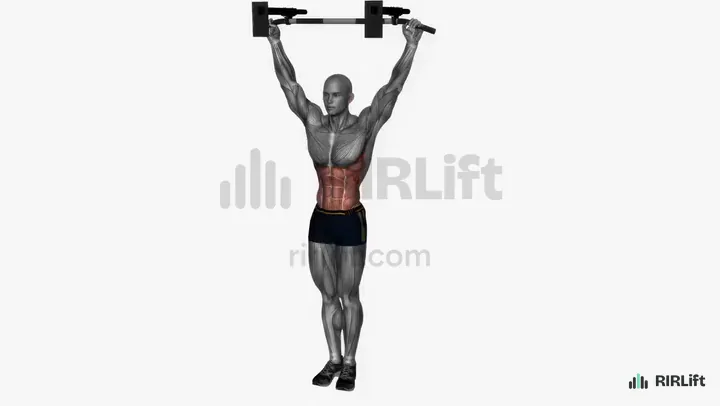
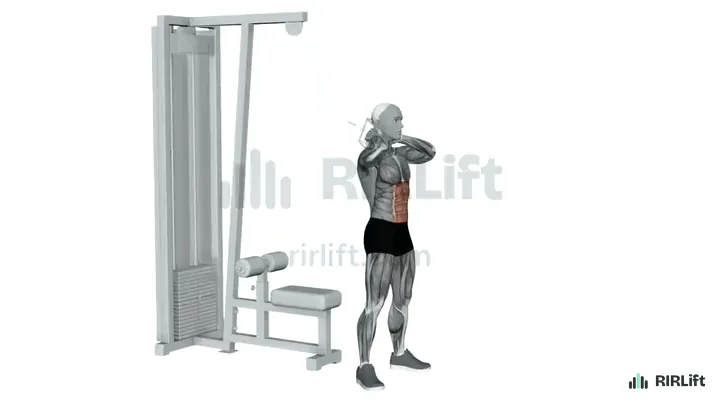
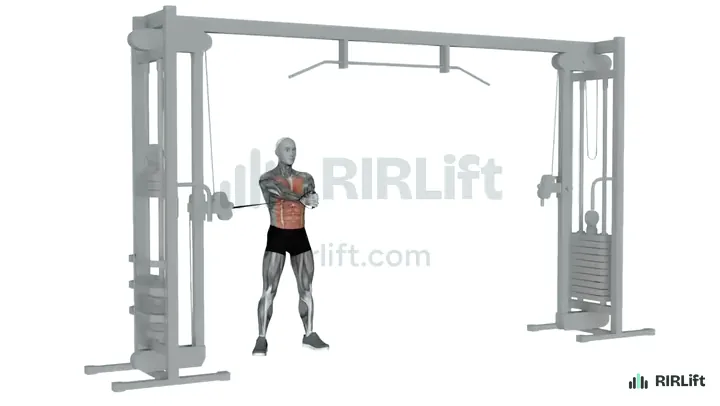
Put them together: example sessions
Each session below picks from the exercises above for one situation, with the sets, reps, rest and RIR filled in.
-
Session 1
Beginner, ten minutes at home
You are starting out, you train at home on a mat, and you want a short ab routine to add after your workout or walk two or three times a week.
3× a week · 21 sets a week · ~15 min
-
Session 2
In the gym, after lifting
You lift two to four times a week, you are dieting to see your abs, and you want ab work at the end of sessions that actually builds them.
2× a week · 16 sets a week · ~15 min
-
Session 3
A larger belly, no floor work
You have a lot of weight to lose, lying on the floor and getting back up is uncomfortable, and you go to a gym twice a week.
2× a week · 16 sets a week · ~15 min
Session 1
Beginner, ten minutes at home
- Workouts3× a week
- Working sets21 a week
- Per workout~15 min
- EquipmentBodyweight
You are starting out, you train at home on a mat, and you want a short ab routine to add after your workout or walk two or three times a week.
Each routine is 7 short sets, so two or three sessions a week give your abs and obliques 14 to 21 sets, a dose a beginner recovers from because every set is a short curl or hold. Every set stops with 2 reps or 10 seconds left.
| Exercise | Sets × reps | RIR | Rest |
|---|---|---|---|
| Dead BugPer side. | 2 × 8–12 | 2 | 1 min |
| CrunchPause 1 s at the top. | 2 × 10–20 | 2 | 1 min |
| PlankSeconds per hold. | 3 × 20–45 | 2 | 1 min |
| Exercise | Sets × reps | RIR | Rest |
|---|---|---|---|
| Reverse Crunch | 3 × 8–15 | 2 | 1 min |
| Side PlankSeconds per side. Knees down if needed. | 2 × 15–30 | 2 | 1 min |
| Mountain ClimberSeconds per set. | 2 × 20–30 | 2 | 1 min |
- How to run it
- Add Abs A or Abs B to the end of your workouts, alternating, two or three times a week.
- How to progress
- Add reps or seconds until you reach the top of each range, then make it harder: slow the lowering, lift a limb in the plank, or straighten your legs on the reverse crunch.
Session 2
In the gym, after lifting
- Workouts2× a week
- Working sets16 a week
- Per workout~15 min
- EquipmentAdjustable Cable, Pull-Up Bar, Ab Wheel, Dip Bar
You lift two to four times a week, you are dieting to see your abs, and you want ab work at the end of sessions that actually builds them.
Abs respond to load and effort like any muscle, so these routines use weighted crunches, hanging raises and the ab wheel near failure, about 8 hard sets each. Done twice a week, that is 16 sets for the abs on top of what heavy lifts already give them.
| Exercise | Sets × reps | RIR | Rest |
|---|---|---|---|
| Cable Crunch | 3 × 10–15 | 1 | 1 min |
| Hanging Knee Raise | 3 × 8–15 | 1 | 75 s |
| Pallof PressPer side. 2 s hold at full reach. | 2 × 10–12 | 2 | 1 min |
| Exercise | Sets × reps | RIR | Rest |
|---|---|---|---|
| Ab Wheel RolloutFrom the knees. Short roll at first. | 3 × 6–12 | 2 | 90 s |
| Captain's Chair Knee Raise | 3 × 10–15 | 1 | 1 min |
| Side PlankSeconds per side. | 2 × 30–45 | 1 | 1 min |
- How to run it
- Add Core 1 after your first lifting day of the week and Core 2 after a later one, with two days between.
- How to progress
- Double progression on the cable crunch: reach 15 reps on every set, then add a plate. On hanging raises and rollouts, add reps, then range: straighter legs, a longer roll.
Session 3
A larger belly, no floor work
- Workouts2× a week
- Working sets16 a week
- Per workout~15 min
- EquipmentAdjustable Cable, Dip Bar
You have a lot of weight to lose, lying on the floor and getting back up is uncomfortable, and you go to a gym twice a week.
Every exercise is done standing or supported: the cable crunch and Pallof press standing, the knee raise with your back against the captain's chair. About 8 sets twice a week trains your abs while you lose weight, with 2 to 3 reps in reserve.
| Exercise | Sets × reps | RIR | Rest |
|---|---|---|---|
| Pallof PressPer side. | 3 × 8–12 | 3 | 1 min |
| Cable Crunch | 3 × 10–15 | 2 | 1 min |
| Captain's Chair Knee RaiseKnees to hip height to start. | 2 × 6–12 | 3 | 75 s |
- How to run it
- Do Standing Core after both of your weekly gym sessions.
- How to progress
- Add reps first. On the cable crunch and Pallof press, add one weight step once every set reaches the top of the range. On the captain's chair, lift your knees higher before adding reps.
Make it fit you
-
You want to lose belly fat faster
Spend the extra time walking, not on more ab sets. A daily 30 to 45 minute walk burns far more than 10 minutes of crunches, and it is the calorie deficit that takes the fat off your stomach.
-
Your lower back aches on floor exercises
Start with dead bugs and side planks, and keep your lower back pressed into the floor on crunches. Skip leg raises with straight legs until that control is there.
-
You want visible abs
Train them like any other muscle: weighted cable crunches and hanging raises for 10 to 15 reps near failure. The other half is getting lean enough to see them, which takes the diet.
-
You already lift heavy
Squats, deadlifts and overhead presses train your trunk hard. Two short ab sessions a week on top is enough; more will not show faster.
Questions
Can you lose weight with ab exercises?
Not by themselves. Ab exercises burn very few calories, and doing them does not take fat from your belly specifically. Lose weight with a calorie deficit and full-body training; ab exercises build the muscle that shows once you do.
What ab workouts burn the most fat?
The ones that move the most: mountain climbers and plank variations raise your heart rate more than crunches. Even so, a brisk walk or a full-body workout burns more than any ab routine.
How do I flatten my lower belly pooch?
Lower belly fat is often the last to go, so it needs patience and a steady calorie deficit. Reverse crunches and hanging knee raises strengthen the lower abs underneath, and planks and dead bugs help you hold your belly in.
How often should I do ab exercises?
Two or three times a week, 6 to 10 hard sets per session, is enough. Abs recover quickly but still need to be pushed close to failure to grow.
Are planks or crunches better for belly fat?
Neither burns belly fat. Planks train your abs to hold your trunk still and crunches train them to curl it; doing both builds the whole muscle.
Related templates
-
Lower ab exercises at home: floor, pull-up bar and ab wheel
More reverse crunches, leg raises and floor work for the lower abs.
-
Ab exercises at home, with or without equipment
More floor and bodyweight ab exercises.
-
Ab exercises at the gym: machines, cables and stations
Cable, machine and hanging ab exercises.
-
Full body exercises for weight loss: train everything, every session
The workouts these ab routines go on the end of.
-
The best workout for abs, for your situation
Full ab programs for when abs are the main goal.