
Arm exercises at home: biceps, triceps and grip with whatever you have
Published October 19, 2026
The best arm exercises at home are close-grip push-ups and chair dips for the triceps, the doorway curl or chin-ups for the biceps, and, if you own dumbbells, the overhead triceps extension and the dumbbell curl. Pair one biceps and one triceps exercise as a superset, do 3 sets of each, and stop 1 to 2 reps short of failure. Two or three short sessions a week are enough to build or firm up your arms.
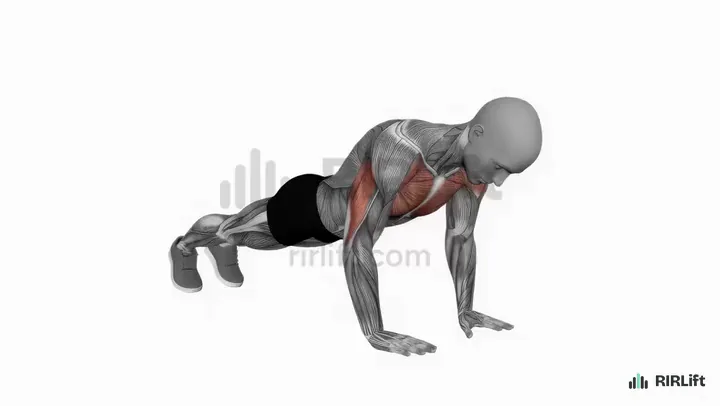
- Close-Grip Push-Up Triceps, Chest
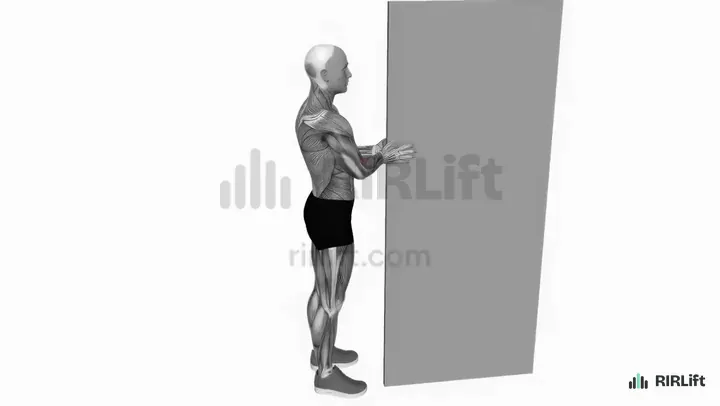
- Bodyweight Bicep Curl Biceps
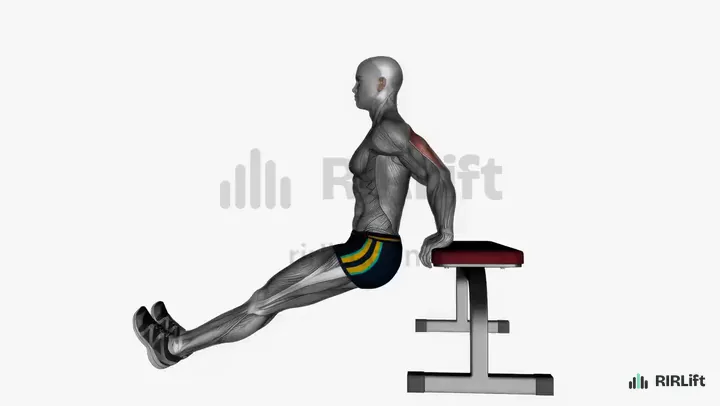
- Bench Dip Triceps
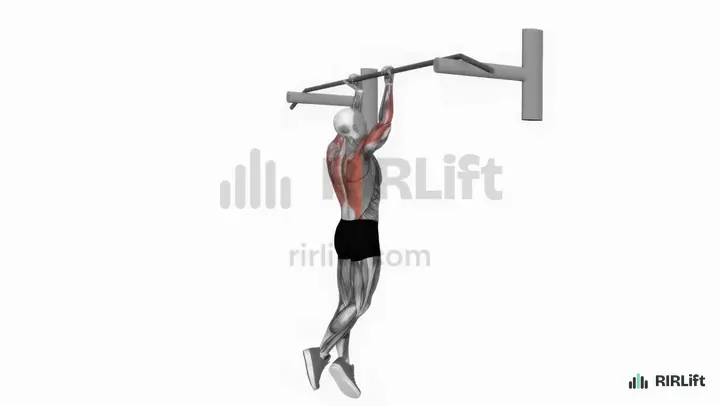
- Chin-Up Lats
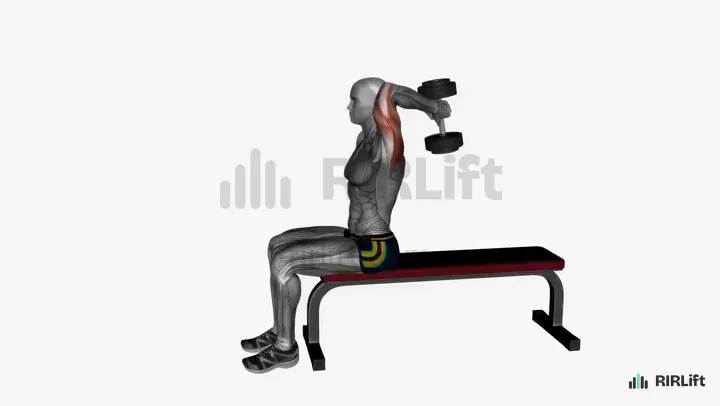
- Seated Dumbbell Overhead Triceps Extension Triceps
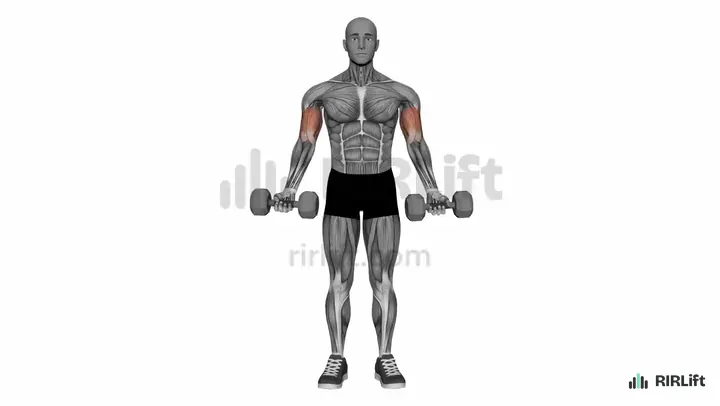
- Dumbbell Curl Biceps
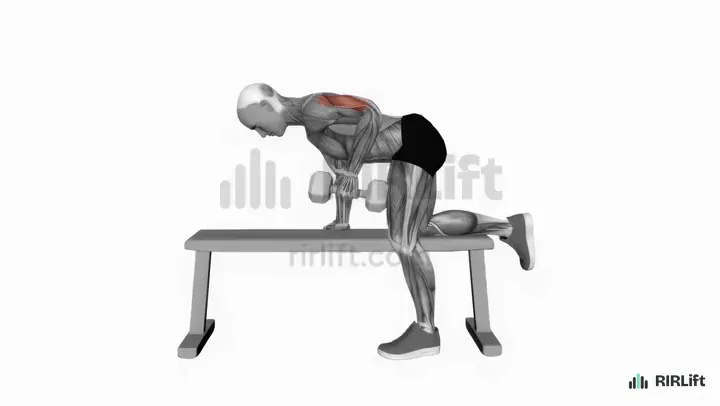
- Triceps Kickback Triceps
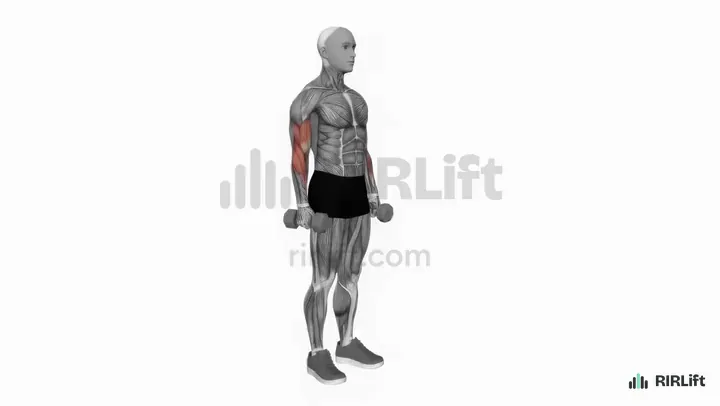
- Hammer Curl Biceps, Forearms
Put them together: example sessions
Each session below picks from the exercises above for one situation, with the sets, reps, rest and RIR filled in. Open one in the session builder to change a pick, price it from a recent set, and add it to RIRLift.
-
Session 1
No equipment, 15 minutes
You have no weights, a door frame and a chair, and want a short arm workout you can do in the living room.
3× a week · 39 sets a week · ~20 min
-
Session 2
One light pair of dumbbells, firmer arms
You own a pair of light to moderate dumbbells and want firmer, more defined arms, whether you are new to lifting or returning to it later in life.
2× a week · 24 sets a week · ~15 min
-
Session 3
Pull-up bar plus dumbbells, bigger arms
You have a doorway bar, a few dumbbells or a kettlebell, and want to add arm size with two arm-focused days a week.
2× a week · 24 sets a week · ~25 min
Session 1
No equipment, 15 minutes
- Workouts3× a week
- Working sets39 a week
- Per workout~20 min
- EquipmentFlat Bench
You have no weights, a door frame and a chair, and want a short arm workout you can do in the living room.
The doorway curl is the only biceps exercise without gear, so it is paired with close-grip push-ups in a superset: one arm group rests while the other works. Chair dips and then floor dips follow, because the triceps is the larger muscle and handles more sets. Push-ups stop at 2 RIR so the curl that follows is not hurt by a tired body; curls and chair dips go to 1, and floor dips, the last and safest, to 0. It fits in about 15 minutes.
| Exercise | Sets × reps | RIR | Rest |
|---|---|---|---|
| A1 Close-Grip Push-UpKnees down when form breaks. | 4 × 6–15 | 2 | 1 min |
| A2 Bodyweight Bicep CurlDoor frame. | 4 × 8–15 | 1 | 1 min |
| Bench DipChair against the wall. | 3 × 8–20 | 1 | 1 min |
| Floor Triceps DipHips hover. | 2 × 12–25 | 0 | 45 s |
- How to run it
- Do the session two or three times a week on non-consecutive days. Rest 60 seconds after each round of the superset, not between its two exercises.
- How to progress
- Add reps until each set hits the top of the range. Then make it harder: walk your feet closer on doorway curls, straighten your legs on dips, and slow every lowering to three seconds.
Session 2
One light pair of dumbbells, firmer arms
- Workouts2× a week
- Working sets24 a week
- Per workout~15 min
- EquipmentDumbbells
You own a pair of light to moderate dumbbells and want firmer, more defined arms, whether you are new to lifting or returning to it later in life.
Firmer arms come from more muscle under the skin, so the plan uses real sets close to failure rather than many light reps. Light dumbbells suit the overhead extension and kickback for the back of the arm and the curl and Zottman curl for the front. Each pair runs as a superset to keep the session to 20 minutes. RIR 1 to 2 is the target for anyone new; returning lifters can go to 1 on the last set. About 12 sets.
| Exercise | Sets × reps | RIR | Rest |
|---|---|---|---|
| A1 Seated Dumbbell Overhead Triceps ExtensionOne dumbbell, both hands. | 3 × 10–15 | 2 | 1 min |
| A2 Dumbbell CurlElbows still. | 3 × 10–15 | 2 | 1 min |
| B1 Triceps KickbackPer arm. Hold the lockout. | 3 × 12–15 | 1 | 1 min |
| B2 Zottman CurlSlow on the way down. | 3 × 10–15 | 1 | 1 min |
- How to run it
- Twice a week, two or more days apart. Warm up with a set of 15 easy curls and extensions with no weight.
- How to progress
- Add reps until all sets reach 15 at the target RIR, then slow the lowering to three seconds. Once that is easy too, step up to the next dumbbell.
Session 3
Pull-up bar plus dumbbells, bigger arms
- Workouts2× a week
- Working sets24 a week
- Per workout~25 min
- EquipmentPull-Up Bar, Dumbbells, Kettlebells, Resistance Bands
You have a doorway bar, a few dumbbells or a kettlebell, and want to add arm size with two arm-focused days a week.
With a bar, chin-ups become the heavy biceps lift and close-grip push-ups the heavy triceps lift, each at 1 to 2 RIR with long rests. Then each session adds isolation work for the parts those miss: the overhead extension and skullcrusher for the long head of the triceps, the hammer curl for the brachialis. Isolation goes to 0 to 1 RIR. Day B finishes with a carry for grip. Roughly 12 sets per session, enough for growth when arms are the priority.
| Exercise | Sets × reps | RIR | Rest |
|---|---|---|---|
| Chin-Up1 warm-up set firstFull hang. | 4 × 5–10 | 2 | 2:30 min |
| Close-Grip Push-UpElbows to ribs. | 3 × 8–15 | 1 | 90 s |
| Hammer Curl | 3 × 8–12 | 1 | 75 s |
| Seated Dumbbell Overhead Triceps ExtensionDeep stretch. | 3 × 10–15 | 0 | 75 s |
Open Day A in the session builder
| Exercise | Sets × reps | RIR | Rest |
|---|---|---|---|
| Dumbbell CurlOne arm at a time if needed. | 3 × 8–12 | 1 | 75 s |
| Kettlebell SkullcrusherLie on the floor. | 3 × 10–15 | 1 | 75 s |
| Band Hammer CurlHold the top. | 3 × 15–20 | 0 | 1 min |
| Farmer's WalkSeconds, not reps. Heaviest dumbbells. | 2 × 30–45 | 1 | 90 s |
Open Day B in the session builder
- How to run it
- Alternate Day A and Day B, two days per week, or do both in one week alongside your other training on different days.
- How to progress
- On chin-ups and push-ups, add reps up to 12, then slow the lowering. On dumbbell work, add reps to the top of the range, then move up a weight.
Make it fit you
-
Arms feel soft at the back
Spend more of each session on triceps than biceps, since they are the larger muscle. Put the overhead extension first, while you are fresh, and keep kickbacks in every session.
-
Want to slim your arms
Arm exercises do not burn fat from the arms themselves; overall fat loss does that. What arm training adds is muscle, which makes the arm look firmer as you lose fat. Keep these sessions and pair them with your diet and daily activity.
-
Starting out at 60 or older
Begin with floor dips, incline push-ups on a counter and light curls, and keep every set at 2 to 3 RIR for the first month. Add one rep at a time; the same rules for growth apply at any age.
-
Only 10 minutes
Do the push-up and doorway curl superset from the no-equipment plan for 4 rounds and skip the dips. Short sessions three times a week add up to the same weekly sets as one long one.
-
Elbows ache
Use floor dips in place of chair dips, keep extensions at 12 to 20 reps, and warm up with a set of band hammer curls before any heavier work.
-
Log the RIR, not just the reps
Write down the reps you had left after every arm set. RIRLift logs RIR with each set and uses it to suggest your next weight, so you know when to move from light dumbbells to the next pair.
Questions
How many reps should I do for arm exercises?
Between 8 and 20 per set for most arm exercises, with each set ending 0 to 2 reps short of failure. Heavier moves like chin-ups and close-grip push-ups can go as low as 5; light isolation like kickbacks works best at 12 to 20.
Can I build arms at home without weights?
Yes. Close-grip push-ups and dips train the triceps, and doorway curls or chin-ups train the biceps. Make them harder as you get stronger by changing body position and slowing the lowering, and add a band or a single dumbbell when bodyweight gets too easy.
Can a 70 year old get rid of flabby arms?
Yes. Muscle responds to training at any age. Twice-weekly sessions of push-ups against a counter, floor dips and light curls, with gradually more reps or weight, build muscle under the skin. Losing body fat overall, through diet and activity, does the rest.
How do I slim my arms?
You cannot burn fat from one body part by training it. Overall fat loss slims the arms, and arm exercises add muscle so they look toned rather than just smaller. Train them two or three times a week alongside that.
How often should I train arms at home?
Two or three times a week with at least a day between sessions. Each session should have 3 to 6 hard sets per muscle.
Related templates
-
Tricep exercises at home: from push-ups and dips to one dumbbell
All the home triceps options, including floor presses, for more triceps work.
-
Bicep exercises at home: chin-ups, bands and curls with one weight
Biceps plans for bar, bands or one weight.
-
Dumbbell arm exercises for biceps, triceps and forearms
Bench and full dumbbell-set arm days for when you add equipment.
-
Bodyweight arm exercises: triceps, biceps and grip without weights
More bodyweight progressions for arms with no weights.
-
The best workout for arms: biceps, triceps and forearms together
Full arm programs with gym equipment.