
Band pull-apart: how to do it for your rear delts and upper back
Published October 19, 2026
A band pull-apart is a resistance band exercise where you hold a band at shoulder height with straight arms and pull it apart until it touches your chest, pinching your shoulder blades toward each other. Keep a soft bend in your elbows, your shoulders down and your ribs in, and let the band back slowly.
- WorksShoulders, Upper Back
- AlsoTraps
- EquipmentResistance Bands
- Start with3 × 8–12, 2 in reserve, 1 min rest
How to do the band pull-apart
It trains the rear delts and the muscles between your shoulder blades with almost no setup and little fatigue, so you can do it before pressing as a warm-up, between sets, or in high reps at the end of a session. All you need is a light band.
Steps
- Stand tall and hold a light band with both hands about shoulder-width apart, palms down, arms reaching forward level with your shoulders.
- Unlock your elbows slightly, set your shoulders down away from your ears and brace your stomach so your ribs stay in.
- Pull your hands out to the sides in a wide arc until the band touches your chest and your arms make a T.
- Pinch your shoulder blades toward each other for a moment at the end.
- Return your hands to the front slowly, keeping some tension in the band, and start the next rep.
Cues
- Arms long, hands wide
- Shoulders down, then apart
- Slow on the way back
Common mistakes
- Bending your elbows to finish: keep the same small bend from start to end; if you have to bend more, use a lighter band or a wider grip.
- Shrugging: think of pulling your shoulder blades down toward your back pockets before you pull apart.
- Arching your back and pushing your ribs out: brace and keep your ribs stacked over your hips so the pull comes from your shoulders.
Swap for: Band Face Pull, Band Rear Delt Fly, Face Pull
Muscles the band pull-apart works
The band pull-apart works the rear delts and the mid traps and rhomboids that pull your shoulder blades together. The lower traps and rotator cuff help hold your shoulders in place, and your abs stop your lower back from arching.
Sets, reps and reps in reserve for the band pull-apart
| Goal | Sets × reps | RIR | Rest |
|---|---|---|---|
| Warm-up before pressing | 2 × 15–20 | 3 | None |
| Use a light band and stop well before burning out. | |||
| Build rear delts and upper back | 3 × 15–25 | 1–2 | 45–60 s |
| Go to a heavier band or narrower grip once 25 reps leaves more than two in reserve. | |||
| Daily posture work | 1–2 × 20 | 3 | As needed |
| Spread sets through the day if you sit for long periods. | |||
Band pull-apart variations
-
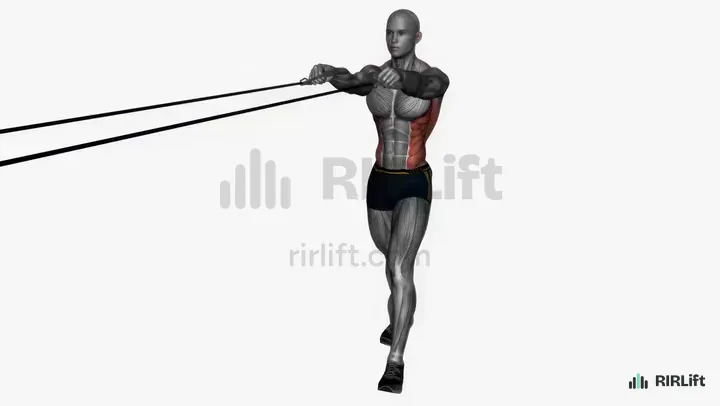
Band Face Pull
Anchor the band at face height and pull toward your forehead when you want more rear delt and rotator cuff.
Build a session with it -
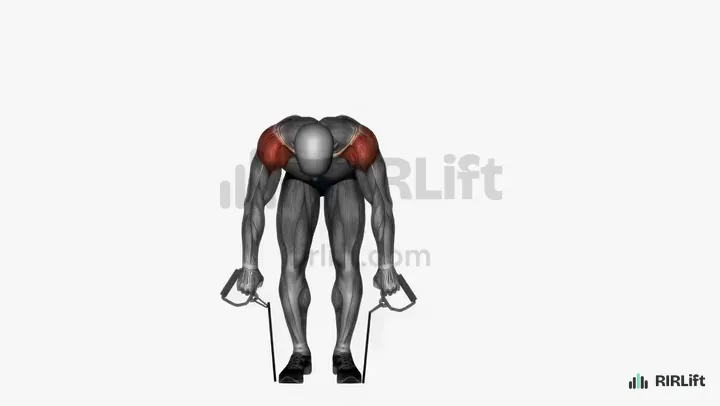
Band Rear Delt Fly
Hinge forward and sweep your arms wide with the band when you want the rear delts to work against gravity too.
Build a session with it -
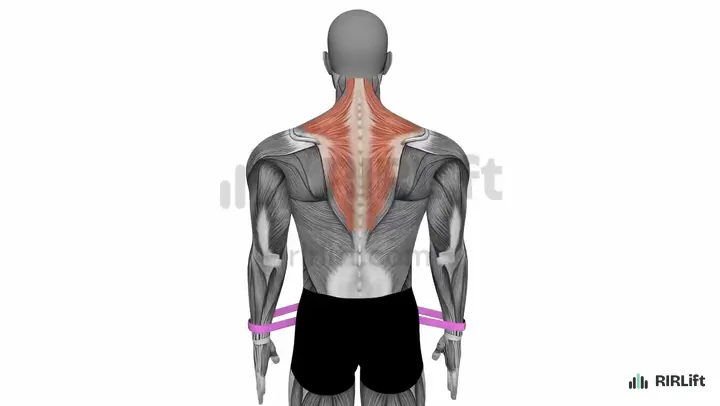
Band Scapular Retraction
Keep your arms still and only pinch your shoulder blades when you want to learn the squeeze before adding the arm movement.
Build a session with it
Band pull-apart alternatives
Cable
-
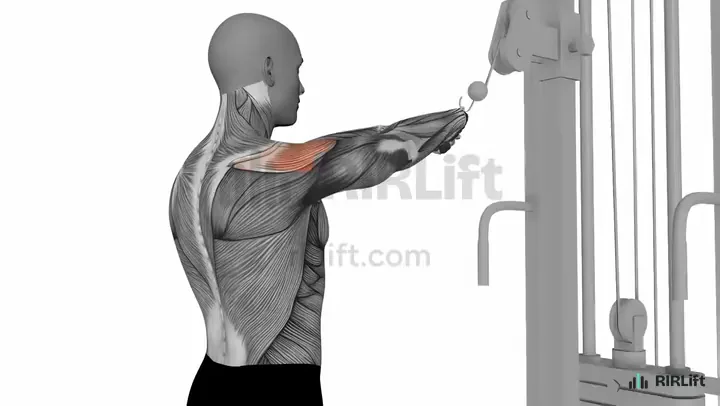
Face Pull
Use a rope on a cable when you want to load the same muscles heavier and keep tension the whole rep.
Build a session with it -
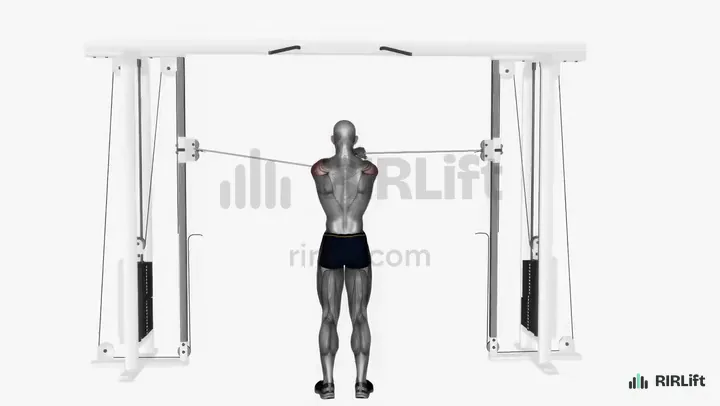
Rear Delt Cable Fly
Cross two cables when you want a rear delt fly with even tension through the range.
Build a session with it
Dumbbell
-
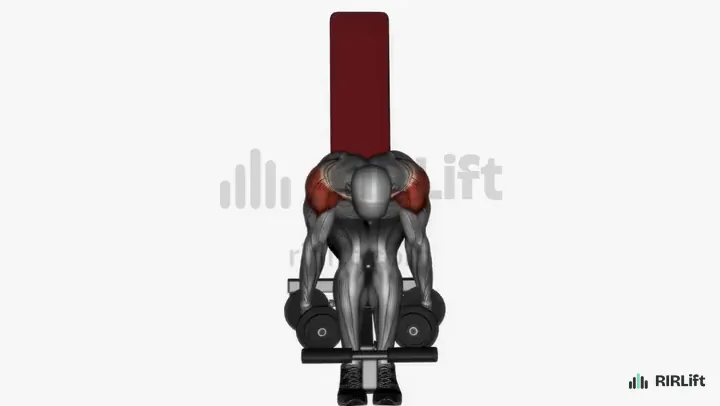
Dumbbell Rear Delt Fly
Bend over with light dumbbells when you have no band.
Build a session with it -
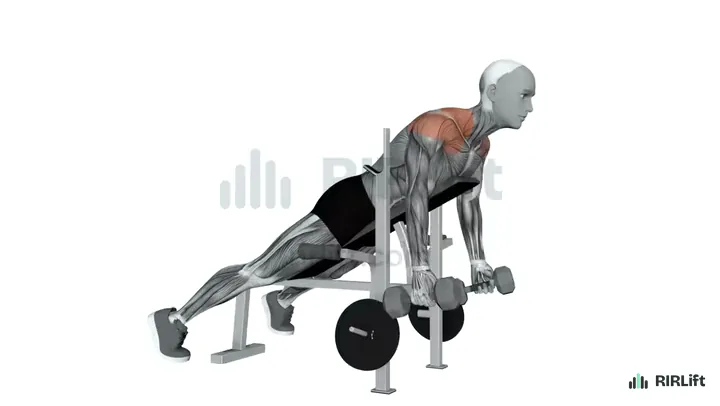
Dumbbell Chest-Supported Y Raise
Lie face down on an incline bench and raise your arms in a Y when you want more lower traps.
Build a session with it
Band pull-apart vs reverse fly
Both spread the arms wide to train the rear delts and upper back. In a pull-apart you stand upright and the band gets hardest at the end, when your arms are wide. In a bent-over reverse fly with dumbbells, gravity pulls straight down, so the hardest point comes midway and the rear delts work through more range.
Use pull-aparts for warm-ups and frequent high-rep work, and reverse flies or cable flies when you want to progress the load in a hypertrophy block.
Choosing the band and grip
Start with a light loop or flat band you can pull apart for 20 smooth reps. To make it harder without a new band, move your hands closer together; to make it easier, slide them wider. Palms down hits the rear delts most, and palms up brings in more of the muscles that rotate the shoulder outward.
Questions
What muscles do band pull-aparts work?
The rear delts and the mid traps and rhomboids between your shoulder blades, with the lower traps and rotator cuff helping.
What can I do instead of band pull-aparts?
Face pulls, rear delt flies with dumbbells or cables, and Y raises on an incline bench all train the same area.
How many band pull-aparts should I do?
Two or three sets of 15 to 25 reps works for most people, either as a warm-up or at the end of an upper-body session.
Can you do band pull-aparts every day?
Yes, with a light band and sets that end well short of failure. If you want them to build muscle, treat them like any other exercise and push sets closer to failure two or three times a week.
Are band pull-aparts good for posture?
They strengthen the muscles that pull your shoulders back, which helps you hold an upright position. Changing how long you sit still matters too.
Should your arms be straight during band pull-aparts?
Nearly straight. Keep a small, fixed bend in the elbows so the pull comes from your shoulders, not your arms.
Related templates
-
Face pulls: how to do them, what they work, and what to do instead
The cable version for heavier rear delt and upper back work.
-
Reverse fly: how to do it, and what to do instead
The bent-over fly to progress after pull-aparts.
-
Resistance band exercises for every muscle, with the bands you own
More moves you can do with the same band.
-
Resistance band back exercises: lats, posture and lower back
A full back session with bands.
-
How to use RIR
How to tell how many reps you have left in high-rep sets.