
Bodyweight back exercises, with and without a pull-up bar
Published October 19, 2026
With no equipment at all, the superman and the plank IYTW are the back exercises you can do on the floor: one trains your lower back, the other your upper back and shoulder blades. To train your lats with bodyweight you need something to hang from, and then the pull-up, chin-up and neutral-grip pull-up are the core, with the archer pull-up and front lever raise as the next steps once you can do 10 or more clean reps.
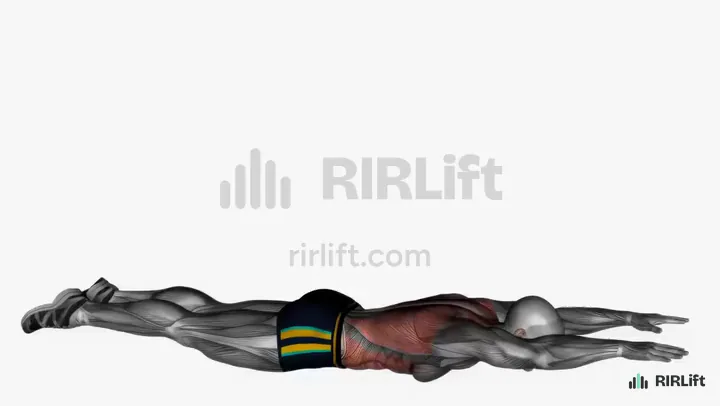
- Superman Lower Back
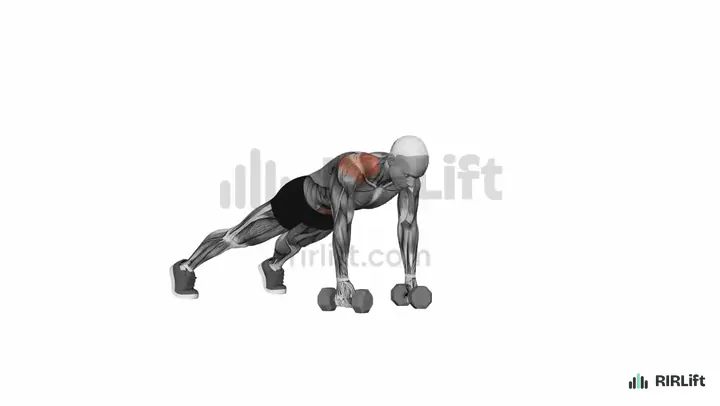
- Plank IYTW Abs, Upper Back
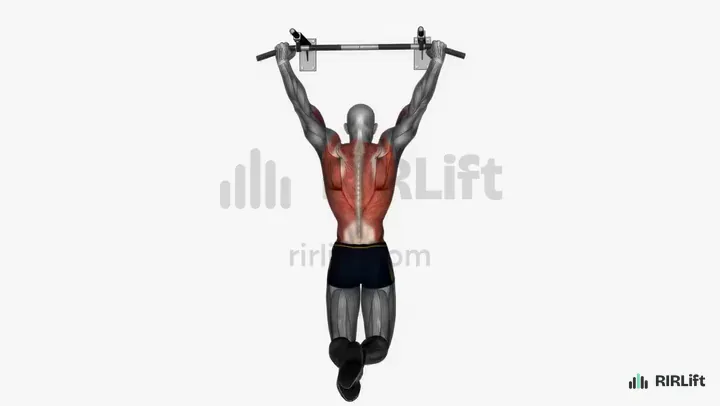
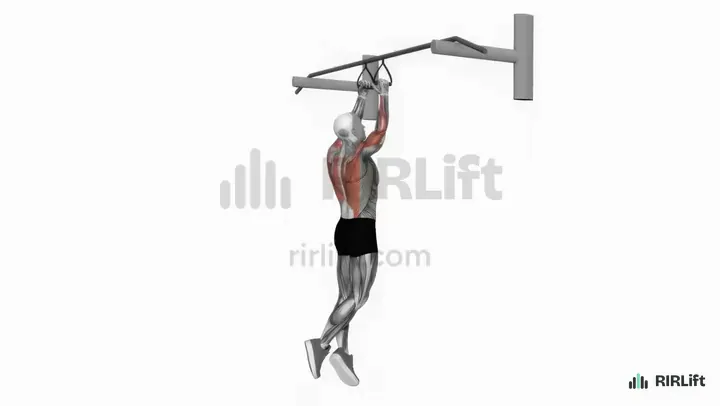
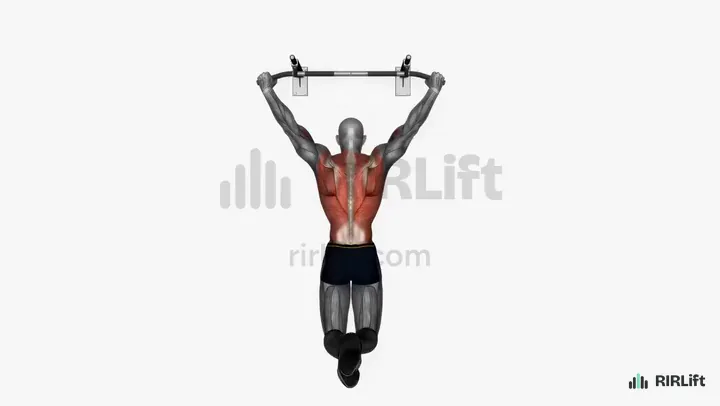
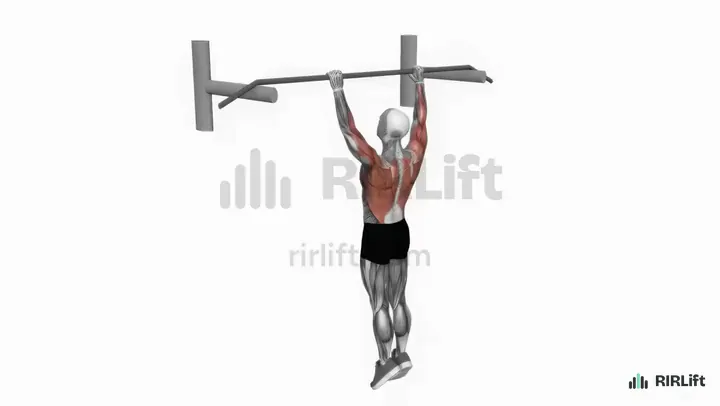
- Pull-Up Lats
- Chin-Up Lats
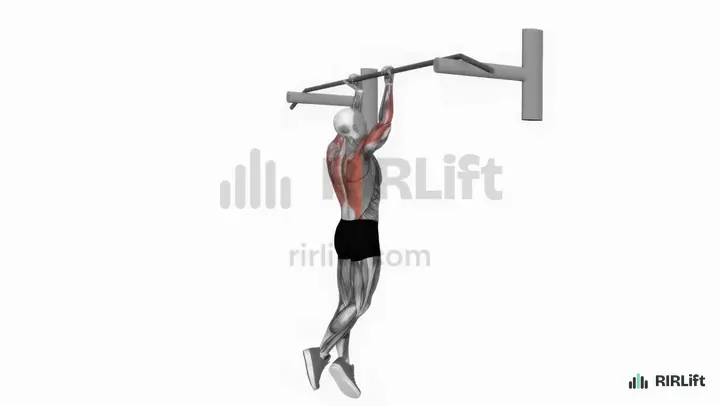
- Neutral-Grip Pull-Up Lats
- Wide-Grip Pull-Up Lats
- Archer Pull-Up Lats, Upper Back
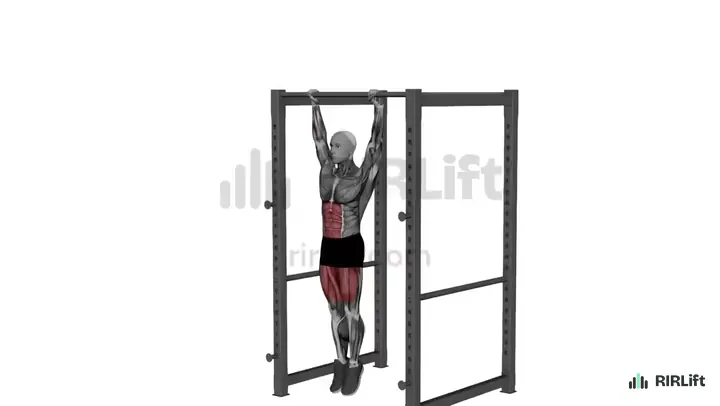
- Front Lever Raise Lats, Abs
Put them together: example sessions
Each session below picks from the exercises above for one situation, with the sets, reps, rest and RIR filled in. Open one in the session builder to change a pick, price it from a recent set, and add it to RIRLift.
-
Session 1
No equipment, floor only
You have no pull-up bar, no weights and only a floor, and want to start training your back today.
3× a week · 24 sets a week · ~15 min
-
Session 2
A bar, and 1 to 8 pull-ups
You have a pull-up bar at home or in a park and can do somewhere between one and eight strict chin-ups.
2× a week · 19 sets a week · ~25 min
-
Session 3
10 or more strict pull-ups
You can do at least 10 strict pull-ups and your bodyweight no longer feels heavy, but you don't want to add a weight belt.
2× a week · 23 sets a week · ~35 min
Session 1
No equipment, floor only
- Workouts3× a week
- Working sets24 a week
- Per workout~15 min
- EquipmentBodyweight
You have no pull-up bar, no weights and only a floor, and want to start training your back today.
Without anything to pull from, the two floor exercises are all that honestly train the back: the superman for your lower back and the plank IYTW for your upper back and shoulder blades. With only two exercises, you do them more often and with more sets, three short sessions a week, stopping 1 to 2 reps short of failure because the holds get sloppy before your muscles give out. 8 working sets, about 15 minutes. A doorway pull-up bar is the single purchase that unlocks the rest of this page.
| Exercise | Sets × reps | RIR | Rest |
|---|---|---|---|
| SupermanHold the top 2 to 3 s. | 4 × 10–15 | 1 | 45 s |
| Plank IYTWReps are full IYTW rounds per arm. | 4 × 4–8 | 2 | 1 min |
- How to run it
- Do the session three times a week on non-consecutive days. Add a 2-3 second hold at the top of every superman rep.
- How to progress
- Add a rep each session until you reach the top of the range. Then make it harder: longer holds on the superman, and a slower count through the IYTW shapes.
Session 2
A bar, and 1 to 8 pull-ups
- Workouts2× a week
- Working sets19 a week
- Per workout~25 min
- EquipmentPull-Up Bar
You have a pull-up bar at home or in a park and can do somewhere between one and eight strict chin-ups.
Chin-ups and neutral-grip pull-ups are the grips you are strongest on, so they get the most sets and come first. The dead hang builds the grip that otherwise ends sets early, and the superman keeps the lower back trained. Pulling sets stop 1 rep short of failure so the last rep stays clean, and when you can't get a rep at all, the notes have you lower slowly instead. Session A has 10 working sets, session B has 9.
| Exercise | Sets × reps | RIR | Rest |
|---|---|---|---|
| Chin-UpIf a rep fails, jump up and lower over 5 s. | 4 × 3–8 | 1 | 2 min |
| Dead HangReps are seconds. | 3 × 20–40 | 1 | 90 s |
| SupermanHold the top 2 s. | 3 × 10–15 | 1 | 45 s |
Open Pull A in the session builder
| Exercise | Sets × reps | RIR | Rest |
|---|---|---|---|
| Neutral-Grip Pull-UpFull hang every rep. | 4 × 3–8 | 1 | 2 min |
| Close-Grip Chin-UpSlow 3 s lowering. | 3 × 3–8 | 1 | 2 min |
| Dead HangReps are seconds. | 2 × 20–40 | 1 | 90 s |
Open Pull B in the session builder
- How to run it
- Do Pull A and Pull B once each per week with at least a day between them. Rest 2 minutes between pulling sets; it matters more than you'd expect at low reps.
- How to progress
- Once you hit 8 on every set of chin-ups, start Pull A with neutral-grip pull-ups instead. When both hit 10, move to the next plan.
Session 3
10 or more strict pull-ups
- Workouts2× a week
- Working sets23 a week
- Per workout~35 min
- EquipmentPull-Up Bar
You can do at least 10 strict pull-ups and your bodyweight no longer feels heavy, but you don't want to add a weight belt.
When your bodyweight is light for 10+, the fix is leverage instead of load. The archer pull-up and the front lever raise put most of your weight on one lat or on a long lever, so reps come back down to 5 to 8. The commando pull-up and wide-grip pull-up add volume at a different angle, and the plank IYTW keeps the shoulder blades trained. RIR is 1 on the hard variations and 0 to 1 on the familiar ones. 12 working sets in session A, 11 in session B.
| Exercise | Sets × reps | RIR | Rest |
|---|---|---|---|
| Archer Pull-UpReps per side. | 4 × 3–6 | 1 | 2:30 min |
| Wide-Grip Pull-UpChin over the bar. | 4 × 6–10 | 1 | 2 min |
| Plank IYTWRounds per arm. | 4 × 5–8 | 1 | 1 min |
Open Pull A in the session builder
| Exercise | Sets × reps | RIR | Rest |
|---|---|---|---|
| Front Lever RaiseTuck if needed. | 4 × 5–8 | 1 | 2 min |
| Commando Pull-UpReps per side. | 4 × 6–10 | 0 | 2 min |
| Pull-UpFull hang. | 3 × 8–15 | 1 | 2 min |
Open Pull B in the session builder
- How to run it
- Do Pull A and Pull B once each per week, with two days between them if you can.
- How to progress
- Add a rep per set until you hit the top of each range. Then make the archer more one-sided by straightening the assisting arm more, and progress the front lever from tucked knees to one leg straight.
Make it fit you
-
No bar and no plans to buy one
Find a sturdy tree branch, a playground bar or a stairwell railing you can hang from. If none of those exist, keep the floor-only plan and hold each superman and IYTW shape twice as long as you are now.
-
Zero pull-ups
Start every pull session with three sets of slow lowerings: jump to the top of a chin-up and take five seconds to come down. Add a dead hang after them. Most people get their first rep within a few weeks of doing both twice a week.
-
Shoulders ache on overhand grips
Use the neutral grip or chin-up for all your pulling for a couple of weeks. They let your elbows travel in a more natural line, and the plank IYTW helps your shoulder blades move well under load.
-
Pull-ups stuck at the same number
Drop the RIR to 2 for two weeks and add a set instead. The extra clean reps usually move the number more than more grinding sets at failure.
-
Want a wider back
Do the wide-grip pull-up first in each session while you are fresh, and add the front lever raise. Both load the lats from the arm-overhead position.
-
Track your reps in reserve
On bodyweight pulls, the reps you had left are your only way to tell good days from bad when the load never changes. If you log in RIRLift, you can see when a set at 1 in reserve has grown from 5 reps to 8 and it's time for a harder variation.
Questions
How do you do back exercises without any equipment?
On the floor, the superman trains your lower back and the plank IYTW trains your upper back and shoulder blades. Do them three times a week and hold each rep at the top. Your lats need something to pull against, so once you can, add a doorway bar or any sturdy bar you can hang from.
Can you build a big back with bodyweight only?
Yes, if you have a bar. Pull-ups, chin-ups and their harder variations train your lats and upper back as hard as most weighted rows, and when they get easy, the archer pull-up and front lever make them heavy again. Floor-only exercises alone will not build much lat size.
Is 5 exercises enough for back day?
Yes. Even two or three are enough if you take them close to failure. On a bodyweight back day, one main pull-up grip, a second grip, and one floor or hanging exercise for 3 to 4 sets each is a complete session.
What is the best bodyweight back exercise?
The pull-up. It trains your lats through their full range under your whole bodyweight. If you can't do one yet, the chin-up is the easiest grip to start with.
How do I get my first pull-up?
Hang from the bar for time, then jump to the top and lower yourself as slowly as you can, five seconds or more. Do three to five of those lowerings twice a week. They build strength in the same range, and most people are pulling a full rep within a few weeks.
How many times a week should I do bodyweight back exercises?
Two or three times. Pull-ups recover fast enough to do every other day, and two sessions with a day or more between them gives each one enough rest to be done well. Floor exercises can be done three times a week.
Related templates
-
Pull-up bar exercises for back, arms, grip and abs, with plans for your first rep to your first muscle-up
Everything else a single bar can train, including your abs.
-
Pull ups: form, your first rep and the best alternatives
A full technique guide for the main exercise on this page.
-
Bodyweight exercises: the 18 that build muscle, by muscle group
Push and leg exercises to turn these back sessions into full-body training.
-
Back exercises with dumbbells: lats, upper back, traps and lower back
Rows and shrugs when you add a pair of dumbbells to your setup.
-
How to use RIR
How to judge reps left on pull-ups, where the load never changes.