
Bodyweight exercises for beginners: squat, lunge, push, pull and brace at home
Published October 29, 2026
The best bodyweight exercises for beginners are the bodyweight squat, reverse lunge and wall sit for your legs, the donkey kick and superman for your glutes and back, the incline push-up, kneeling push-up and floor triceps dip for pushing, the doorway curl for pulling, and the plank, side plank and dead bug for your trunk. Do 6 to 8 of them as a full-body session two or three days a week, 2 to 3 sets each, and stop every set with 2 or 3 good reps left. When you hit the top of the rep range, move to the harder version.
- Bodyweight Squat Quads
- Reverse Lunge Quads, Glutes
- Incline Push-Up Chest
- Kneeling Push-Up Chest
- Donkey Kick Glutes
- Bodyweight Bicep Curl Biceps
- Plank Abs
- Dead Bug Abs
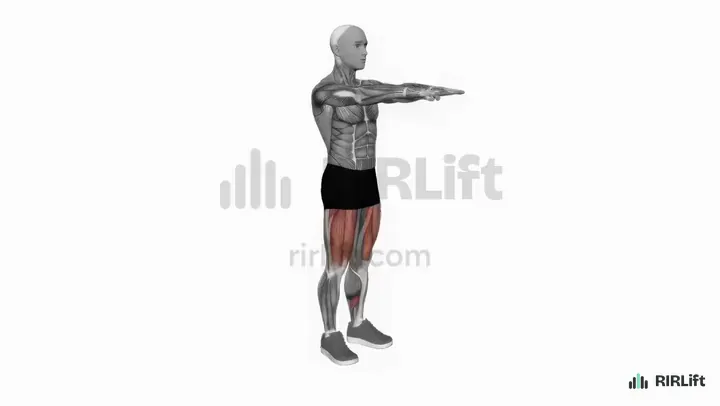
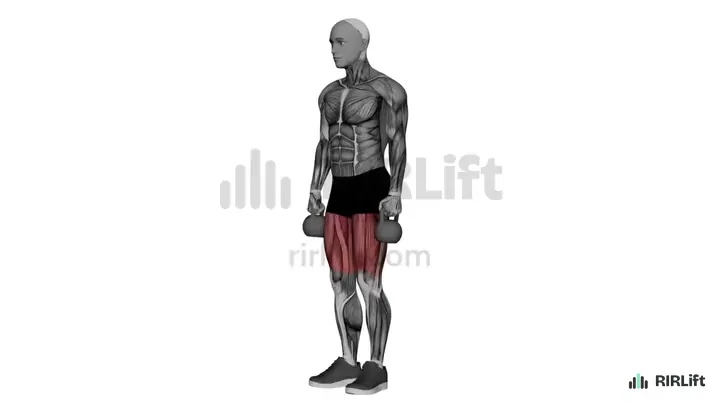
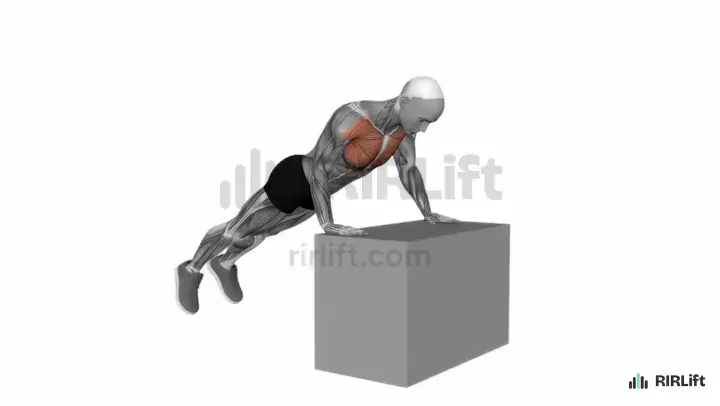
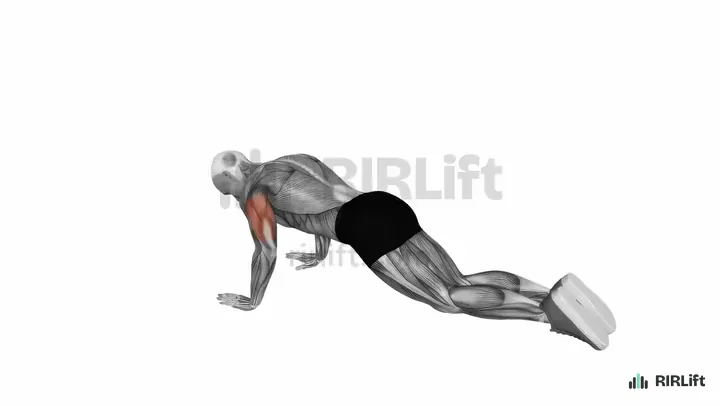
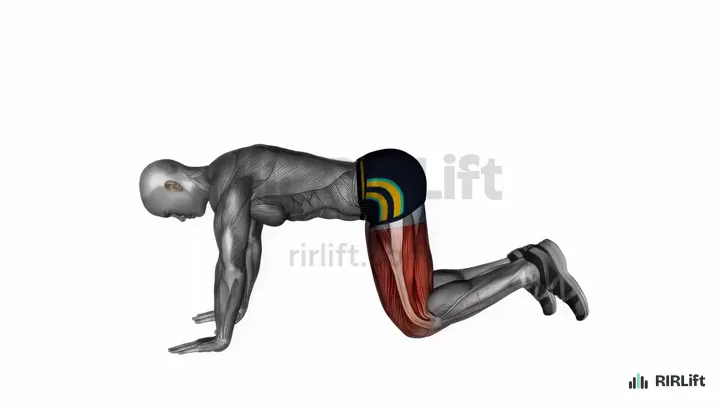
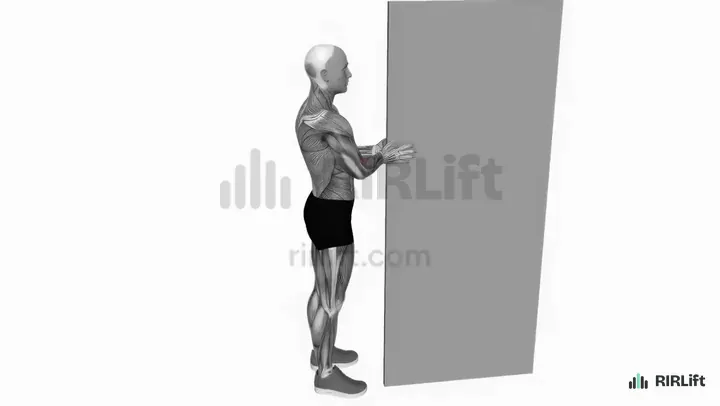
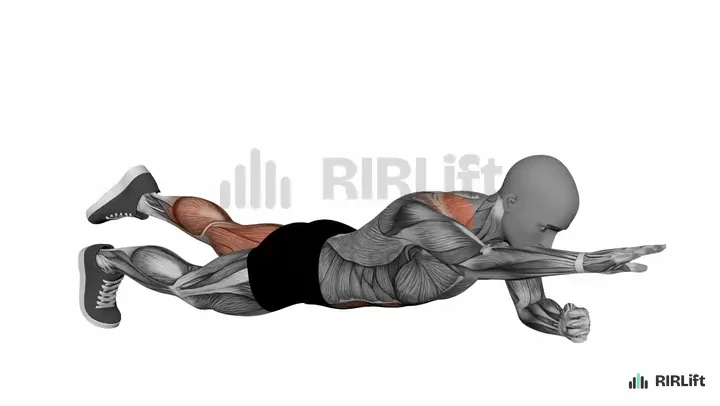
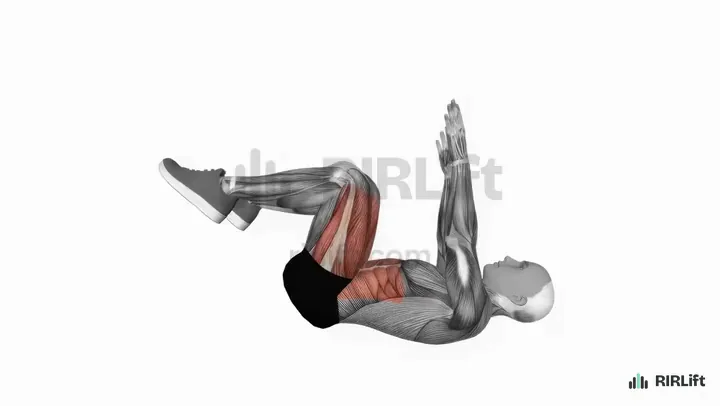
Put them together: example sessions
Each session below picks from the exercises above for one situation, with the sets, reps, rest and RIR filled in.
-
Session 1
First month, three short sessions a week
You have never trained, or not for years, and you want a routine you can finish in about 20 minutes in your living room.
3× a week · 29 sets a week · ~20 min
-
Session 2
Two days a week, working toward full push-ups
You have done a few weeks of basics, can manage 10 incline push-ups, and want your first sets of real push-ups.
2× a week · 21 sets a week · ~20 min
-
Session 3
Busy weeks: four 15-minute sessions
Long sessions do not happen in your week, but 15 minutes before work four days a week does.
4× a week · 32 sets a week · ~15 min
Session 1
First month, three short sessions a week
- Workouts3× a week
- Working sets29 a week
- Per workout~20 min
- EquipmentBodyweight
You have never trained, or not for years, and you want a routine you can finish in about 20 minutes in your living room.
Two alternating full-body sessions, three times a week, give each muscle about 4 to 6 sets a week, which is plenty while your technique is new. Everything stays at 2 to 3 reps in reserve so you finish fresh enough to come back two days later.
| Exercise | Sets × reps | RIR | Rest |
|---|---|---|---|
| Bodyweight SquatSit back to a chair if you need a depth target. | 3 × 10–15 | 3 | 1 min |
| Incline Push-UpHands on a counter or table. | 3 × 8–12 | 2 | 1 min |
| Donkey KickPer leg. | 2 × 10–15 | 2 | 1 min |
| PlankSeconds per hold. | 2 × 20–40 | 2 | 1 min |
| Exercise | Sets × reps | RIR | Rest |
|---|---|---|---|
| Reverse LungePer leg. No weight yet. | 2 × 8–10 | 3 | 75 s |
| Bodyweight Bicep CurlFeet farther from the frame makes it easier. | 3 × 8–12 | 2 | 1 min |
| Wall SitSeconds per hold. | 2 × 20–45 | 2 | 1 min |
| Dead BugPer side. | 2 × 6–10 | 2 | 1 min |
- How to run it
- Train Monday, Wednesday and Friday, alternating A and B so each one comes up three times every two weeks. Any non-consecutive days work.
- How to progress
- Double progression: when every set reaches the top of the rep range with 2 reps still in reserve, add 2 reps to the range or move to the harder version (lower incline, deeper squat). Add 5 to 10 seconds to holds instead.
Session 2
Two days a week, working toward full push-ups
- Workouts2× a week
- Working sets21 a week
- Per workout~20 min
- EquipmentBodyweight
You have done a few weeks of basics, can manage 10 incline push-ups, and want your first sets of real push-ups.
Pushing gets 9 sets a week across the full push-up, kneeling push-up and floor dip, so it improves faster than with a general routine. Legs still get 6 sets and the trunk 4, so nothing falls behind.
| Exercise | Sets × reps | RIR | Rest |
|---|---|---|---|
| Push-UpFinish the set on your knees once full reps run out. | 2 × 3–8 | 2 | 90 s |
| Kneeling Push-Up | 2 × 8–12 | 2 | 75 s |
| Reverse LungePer leg. Hold a backpack once 12 is easy. | 3 × 8–12 | 2 | 75 s |
| Side PlankSeconds per side. | 2 × 15–30 | 2 | 1 min |
| Exercise | Sets × reps | RIR | Rest |
|---|---|---|---|
| Kneeling Push-Up | 3 × 8–15 | 2 | 75 s |
| Bodyweight SquatPause 2 s at the bottom. | 3 × 12–20 | 2 | 1 min |
| Floor Triceps Dip | 2 × 8–12 | 2 | 1 min |
| SupermanHold 2 s at the top. | 2 × 10–12 | 2 | 1 min |
| PlankSeconds per hold. | 2 × 30–45 | 2 | 1 min |
- How to run it
- Two sessions with two or three days between, such as Tuesday and Saturday. Do the push-up work first while you are fresh.
- How to progress
- Do as many clean full push-ups as you can, stopping with 2 in reserve, then finish the set on your knees. When you reach 8 full reps in the first set, drop the kneeling push-ups and add a third full set.
Session 3
Busy weeks: four 15-minute sessions
- Workouts4× a week
- Working sets32 a week
- Per workout~15 min
- EquipmentBodyweight
Long sessions do not happen in your week, but 15 minutes before work four days a week does.
Short paired sessions spread the same weekly work over more days: about 8 sets a week each for legs, pushing, the trunk and the back of the body. Pairing two moves and alternating between them keeps each session to about 15 minutes.
| Exercise | Sets × reps | RIR | Rest |
|---|---|---|---|
| A1 Bodyweight Squat3 s down. | 2 × 12–15 | 3 | 1 min |
| A2 Incline Push-Up | 2 × 8–12 | 2 | 1 min |
| B1 Superman | 2 × 10–12 | 2 | 1 min |
| B2 Dead BugPer side. | 2 × 8–10 | 2 | 1 min |
| Exercise | Sets × reps | RIR | Rest |
|---|---|---|---|
| A1 Reverse LungePer leg. | 2 × 8–10 | 3 | 1 min |
| A2 Floor Triceps Dip | 2 × 8–12 | 2 | 1 min |
| B1 Donkey KickPer leg. | 2 × 12–15 | 2 | 1 min |
| B2 Side PlankSeconds per side. | 2 × 15–30 | 2 | 1 min |
- How to run it
- Four mornings a week, alternating the two sessions. If you miss a day, just pick up with the next one in order.
- How to progress
- Keep each pair at 2 to 3 reps in reserve. Once both moves in a pair hit the top of their range for every round, make one of them harder: a lower incline, slower squats, or longer holds.
Make it fit you
-
If getting down to the floor is hard
Swap the plank and dead bug for incline push-up holds at the top position, use the wall sit instead of lunges, and do donkey kicks standing with one hand on a counter. Everything else can stay on your feet.
-
Make it harder without equipment
Slow the lowering to 3 seconds, add a pause at the bottom, or move from two legs to one: reverse lunges become rear-foot-elevated with your back foot on a couch. These add load the same way more weight would.
-
Add a backpack
A backpack with books or water bottles turns squats, lunges and wall sits into loaded exercises. Add a little at a time and keep 2 reps in reserve.
-
Track your reps
Bodyweight progress is easy to lose track of because the load never changes. Log reps and how many you had left; RIRLift uses the reps in reserve you log to tell you when to add reps or move up a version.
-
Add a pull-up bar later
A doorway bar is the first piece of equipment worth buying. It adds hangs, chin-up negatives and eventually pull-ups, the one movement the floor cannot give you.
Questions
How many days a week should beginners work out?
Two or three full-body sessions a week with a rest day between them. That trains each muscle often enough to improve while leaving time to recover, and it is a schedule most people can keep for months.
Can bodyweight exercises alone build muscle?
Yes for a beginner, as long as the sets are close to failure and you keep moving to harder versions. Push-ups, lunges and rows build real muscle for the first months. Later, most people add a pull-up bar, bands or dumbbells to keep progressing.
What is the 3-3-3 rule for beginners?
Fitness sites use the name for a few different schemes; the common beginner version is three exercises, three sets each, three days a week. The first plan on this page sits close to it, with four moves of 2 to 3 sets on three days.
Is it OK to work out on an empty stomach?
For a 20-minute bodyweight session, yes for most people. If you feel light-headed or weak, eat something small like a banana half an hour before.
How many reps should a beginner do?
Between 8 and 15 for most moves, and 20 to 45 seconds for holds. Pick the version where you can reach that range while still having 2 or 3 reps in reserve.
Which bodyweight exercises should a beginner start with?
The bodyweight squat, incline push-up, doorway curl, donkey kick and plank. They cover legs, pushing, pulling, glutes and trunk, and each has an easier and harder version.
Related templates
-
Bodyweight exercises: the 18 that build muscle, by muscle group
The full list of no-equipment moves, past the beginner versions.
-
Calisthenics exercises for beginners: the progressions from first rep to pull-ups and dips
The next step once you add a pull-up bar and want skills like dips and pull-ups.
-
Full body exercises for beginners: one squat, hinge, push, pull and core
Beginner full-body picks that add dumbbells and machines.
-
Full body exercises without equipment: one squat, push, pull and core move at a time
More no-equipment sessions once these get easy.
-
How to use reps in reserve (RIR)
How to judge the 2 to 3 reps you leave in every set.