
Calisthenics exercises for beginners: the progressions from first rep to pull-ups and dips
Published October 29, 2026
The best calisthenics exercises for beginners are progressions toward the classic skills: incline push-ups, push-ups and pike push-ups for pushing; bench dips, then parallel bar dips; dead hangs, inverted rows, band-assisted pull-ups and chin-ups toward the pull-up; bodyweight squats to pistol squats to a box for legs; and hanging knee raises and the L-sit for the core. Train full body two or three times a week, 3 sets per move, stop each set 1 to 2 reps short of failure, and move to the next step once you reach the top of the rep range.
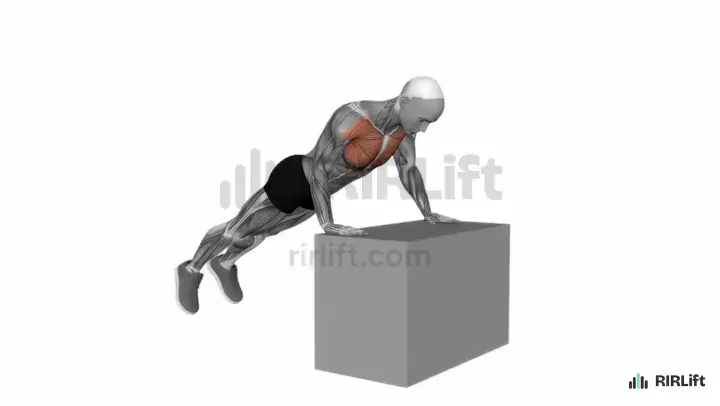
- Incline Push-Up Chest
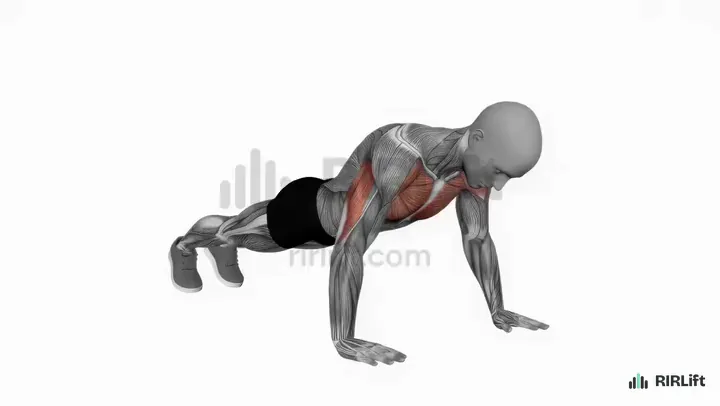
- Push-Up Chest
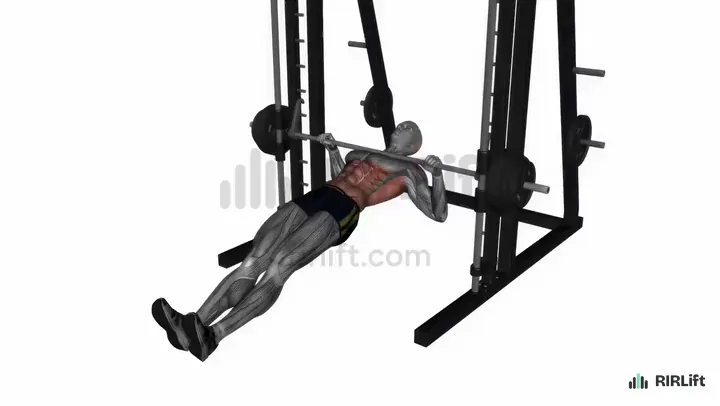
- Inverted Row Upper Back, Lats
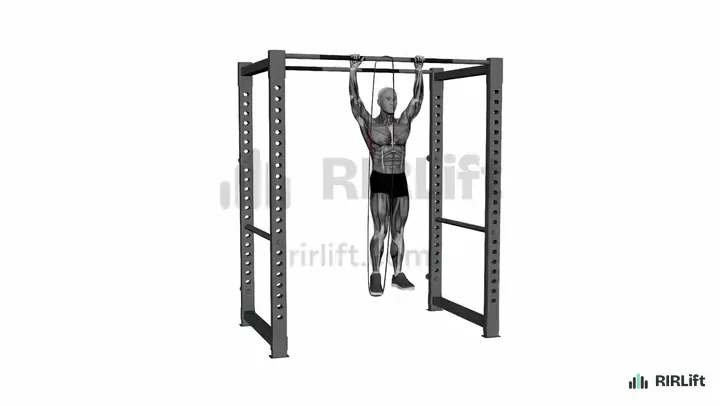
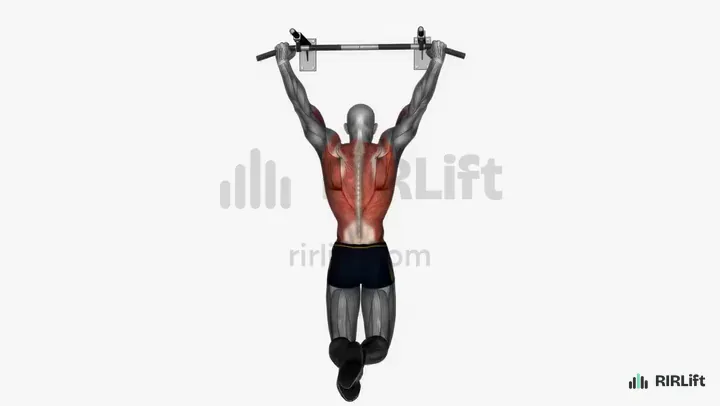
- Band-Assisted Pull-Up Lats
- Pull-Up Lats
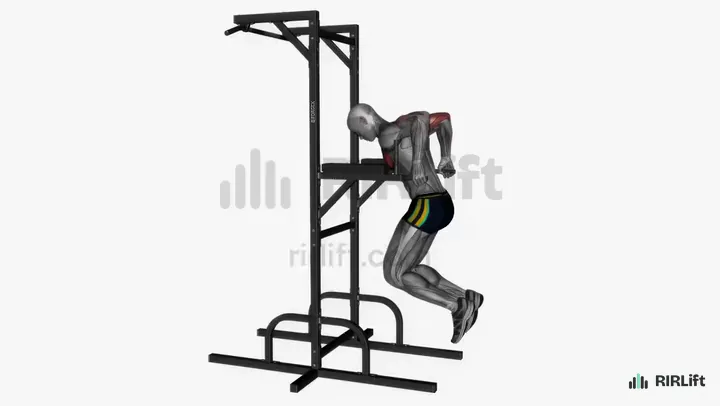
- Chest Dip Chest, Triceps
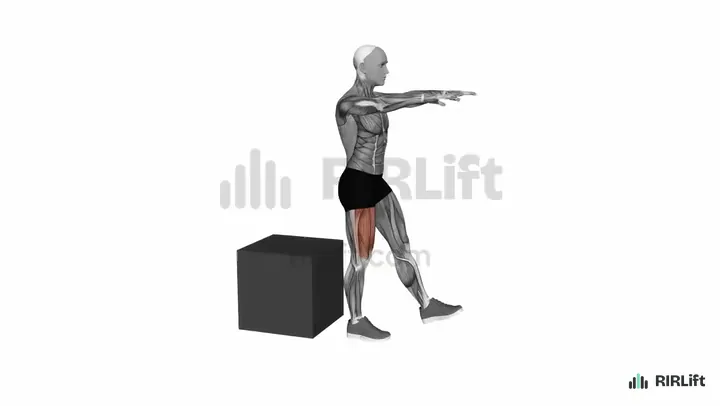
- Pistol Squat Quads, Glutes
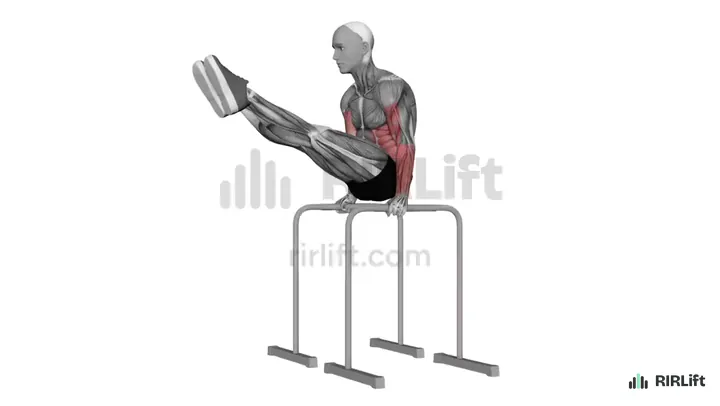
- L-Sit Hold Abs
Put them together: example sessions
Each session below picks from the exercises above for one situation, with the sets, reps, rest and RIR filled in.
-
Session 1
No bar yet: floor and a chair
You have no pull-up bar, just the floor, a sturdy chair or bench and a table to row under.
2× a week · 24 sets a week · ~25 min
-
Session 2
A doorway bar and a band: first pull-up
You have a pull-up bar in a doorway and a resistance band, and the first pull-up is your goal.
3× a week · 29 sets a week · ~20 min
-
Session 3
Park or gym with bars, three days
You can do a few pull-ups and dips already and train at a park or gym with a high bar and dip bars.
3× a week · 34 sets a week · ~30 min
Session 1
No bar yet: floor and a chair
- Workouts2× a week
- Working sets24 a week
- Per workout~25 min
- EquipmentBarbells, Flat Bench
You have no pull-up bar, just the floor, a sturdy chair or bench and a table to row under.
Without a bar, pulling comes from rows under a table, and the rest of the two sessions builds the pushing, dipping and leg ladders: 9 sets of pushing and dips, 6 of rows, 6 for legs and 3 L-sit holds a week.
| Exercise | Sets × reps | RIR | Rest |
|---|---|---|---|
| Push-UpUse the incline version until you can do 5. | 3 × 5–12 | 2 | 90 s |
| Inverted RowUnder a sturdy table. | 3 × 6–12 | 2 | 90 s |
| Bodyweight Squat3 s down. | 3 × 15–25 | 2 | 75 s |
| Exercise | Sets × reps | RIR | Rest |
|---|---|---|---|
| Pike Push-Up | 3 × 5–10 | 2 | 90 s |
| Bench Dip | 3 × 8–15 | 2 | 90 s |
| Inverted RowUnder a sturdy table. | 3 × 6–12 | 2 | 90 s |
| Pistol SquatPer leg. Sit to a box or chair. | 3 × 4–8 | 2 | 90 s |
| L-Sit HoldSeconds per hold. On two chairs, knees tucked. | 3 × 5–15 | 2 | 1 min |
- How to run it
- Two days a week with at least a day between, such as Tuesday and Friday. Repeat the two sessions in order.
- How to progress
- Add reps until all sets reach the top of the range at 1 to 2 reps in reserve, then move up a step on the ladder: incline push-up to push-up, bench dip with bent legs to straight legs, squat to pistol to a box.
Session 2
A doorway bar and a band: first pull-up
- Workouts3× a week
- Working sets29 a week
- Per workout~20 min
- EquipmentPull-Up Bar, Resistance Bands
You have a pull-up bar in a doorway and a resistance band, and the first pull-up is your goal.
Alternating the two sessions over three days gives pulling about 13 sets a week split between hangs, banded pull-ups and chin-up negatives, enough to build toward the first rep in a few months. Push-ups get about 7 sets and squats about 5, so the rest of you keeps training.
| Exercise | Sets × reps | RIR | Rest |
|---|---|---|---|
| Dead HangSeconds per hang. | 2 × 20–45 | 1 | 1 min |
| Band-Assisted Pull-Up | 3 × 5–8 | 1 | 2 min |
| Push-Up | 3 × 6–15 | 2 | 90 s |
| Hanging Knee Raise | 2 × 6–12 | 2 | 75 s |
| Exercise | Sets × reps | RIR | Rest |
|---|---|---|---|
| Chin-UpJump to the top, lower in 4 to 5 s. | 3 × 2–5 | 1 | 2 min |
| Incline Push-Up | 2 × 10–15 | 2 | 75 s |
| Bodyweight SquatPause 2 s at the bottom. | 3 × 15–25 | 2 | 75 s |
| Dead HangSeconds per hang. | 1 × 30–60 | 1 | 1 min |
- How to run it
- Three days a week, such as Monday, Wednesday and Friday, alternating the two sessions. Do the pulling first while you are fresh.
- How to progress
- When you get 3 sets of 8 banded pull-ups, switch to a thinner band. When you can lower from the top for 5 seconds, try one pull from a dead hang at the start of each session.
Session 3
Park or gym with bars, three days
- Workouts3× a week
- Working sets34 a week
- Per workout~30 min
- EquipmentPull-Up Bar, Dip Bar, Barbells
You can do a few pull-ups and dips already and train at a park or gym with a high bar and dip bars.
Three full-body sessions give pull-ups and chin-ups 9 sets a week and bar dips 6, plus legs and core. Main skills stay at 1 to 2 reps in reserve so rep quality holds, which is how skills improve.
| Exercise | Sets × reps | RIR | Rest |
|---|---|---|---|
| Pull-Up | 3 × 3–8 | 1 | 2:30 min |
| Chest Dip | 3 × 5–10 | 1 | 2 min |
| Pistol SquatPer leg. Box lower each week. | 3 × 4–8 | 2 | 90 s |
| L-Sit HoldSeconds per hold. | 3 × 8–20 | 2 | 1 min |
| Exercise | Sets × reps | RIR | Rest |
|---|---|---|---|
| Chin-Up | 3 × 4–8 | 1 | 2:30 min |
| Pike Push-Up | 3 × 6–10 | 2 | 90 s |
| Inverted Row | 3 × 8–12 | 2 | 90 s |
| Hanging Knee Raise | 3 × 8–12 | 2 | 75 s |
| Exercise | Sets × reps | RIR | Rest |
|---|---|---|---|
| Pull-Up | 3 × 3–8 | 1 | 2:30 min |
| Chest Dip | 3 × 5–10 | 1 | 2 min |
| Bodyweight Squat | 2 × 20–30 | 2 | 1 min |
| L-Sit HoldSeconds per hold. | 2 × 8–20 | 2 | 1 min |
- How to run it
- Monday, Wednesday and Friday, running A, B, C in order.
- How to progress
- Add a rep to the first set each session until all sets reach the top of the range. Then slow the lowering to 3 seconds, and once that is easy, add a backpack.
Make it fit you
-
Wrists hurt on push-ups
Use push-up handles or a pair of dumbbells to keep your wrists straight, or make a fist on a soft mat. Pike push-ups put more weight on the wrists, so add them gradually.
-
Stuck at zero pull-ups
Do more negatives: five single reps with a slow 5-second lowering, rest a minute between each. The slow lowering is the most direct practice for the first full rep.
-
Heavier bodies
Calisthenics is harder when you weigh more, so stay longer on each step and use bands. Incline push-ups and band pull-ups are full exercises, not shortcuts.
-
Track the progressions
Log each set with the variation and the reps you had left. RIRLift shows when a level is ready, so you move up at the right time instead of guessing.
-
Handstands later
After a couple of months of pike push-ups, add 3 sets of wall handstand holds at the start of a session to build toward handstand push-ups.
Questions
How do I learn calisthenics at home as a beginner?
Start with the ladders that need only the floor and a chair: incline push-ups, rows under a table, bench dips and squats. Add a doorway pull-up bar as soon as you can, because pulling is the one gap at home.
What is military calisthenics?
Military calisthenics usually means high-rep bodyweight drills like push-ups, sit-ups, pull-ups and jumping jacks, often done for time. It builds work capacity more than skill strength.
Does a 28-day calisthenics challenge work?
It can get you consistent, but strength takes longer than a month. Progress through the steps on this page over three to six months for lasting results.
What can I do in a 15-minute calisthenics workout?
Pair push-ups with rows and squats with knee raises, alternating each pair for 3 rounds. That covers the whole body in 15 minutes.
How long does it take to do a first pull-up?
It depends on your starting strength and body weight. Many beginners get there in two to four months of hangs, rows, band work and negatives two or three times a week.
How often should beginners do calisthenics?
Two or three times a week, with rest days between. Skills like hangs and L-sits can be practiced briefly on other days if your arms feel fresh.
Related templates
-
Calisthenics exercises: the pulls, pushes, holds and skills worth training
The full list, including the advanced skills these ladders lead to.
-
Bodyweight exercises for beginners: squat, lunge, push, pull and brace at home
An easier starting point if the first steps here feel too hard.
-
Pull-up bar exercises for back, arms, grip and abs, with plans for your first rep to your first muscle-up
More ways to use the bar in the second plan.
-
Park workout: pull-up bars, dip bars, a bench and some grass
Taking your calisthenics to an outdoor bar station.
-
Calisthenics warm-up: shoulders, wrists and hips before bodyweight work
How to prepare wrists and shoulders before a session.