
Bodyweight exercises for women over 50: a full-body routine at home
Published October 29, 2026
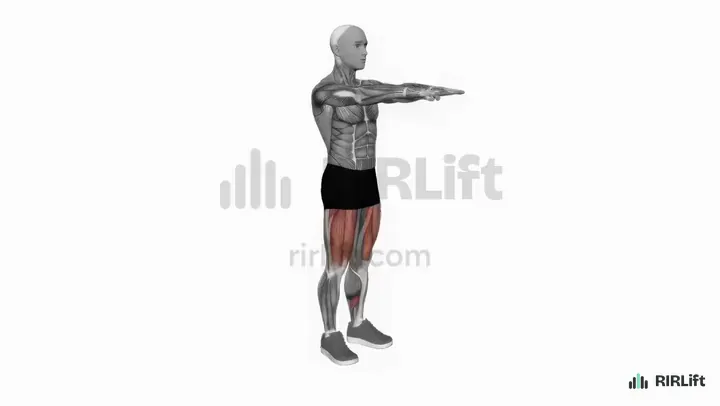
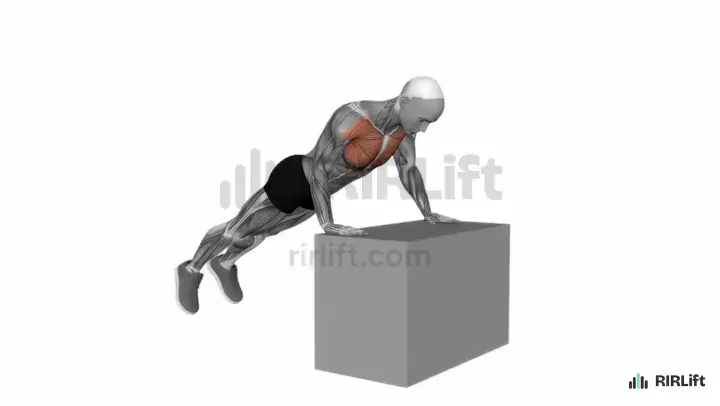
The best bodyweight exercises for women over 50 are the squat (to a chair at first), wall sit, reverse lunge and single-leg glute bridge for the legs and hips, single-leg calf raises and standing side leg raises for balance, incline and kneeling push-ups for the upper body, and the superman, dead bug and side plank for the back and core. Do six of them as one full-body routine three days a week, 2 to 3 sets of 8 to 15 reps, stopping 2 or 3 reps short of failure. When 15 reps gets easy, move to the harder version instead of doing more reps.
- Bodyweight Squat Quads
- Incline Push-Up Chest
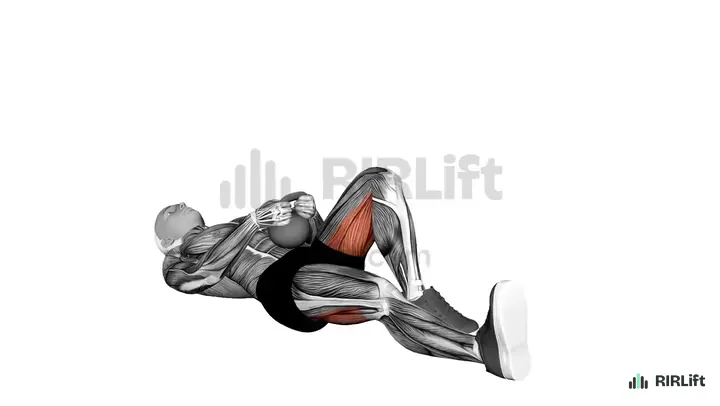
- Single-Leg Glute Bridge Glutes
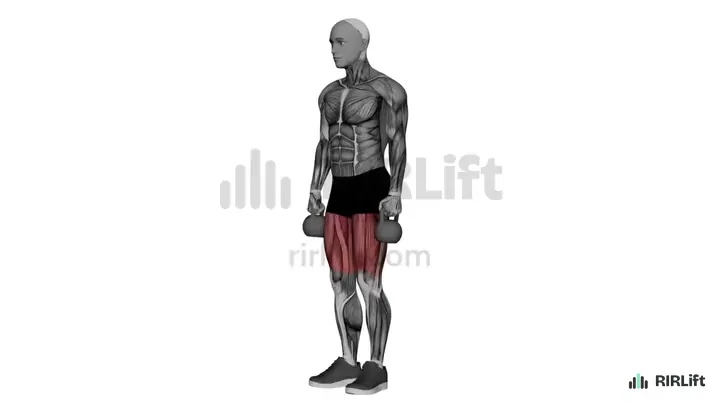
- Reverse Lunge Quads, Glutes
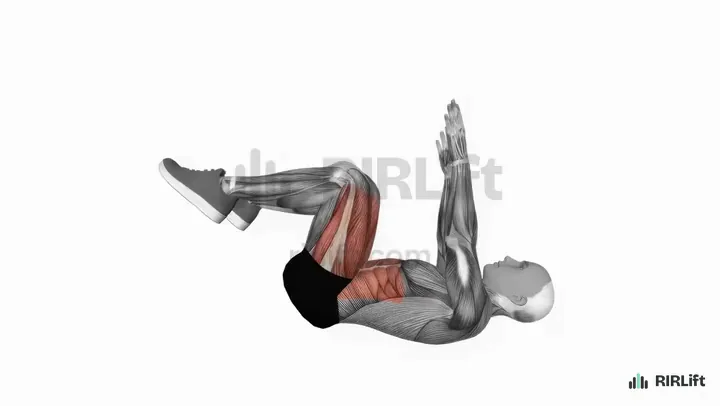
- Dead Bug Abs
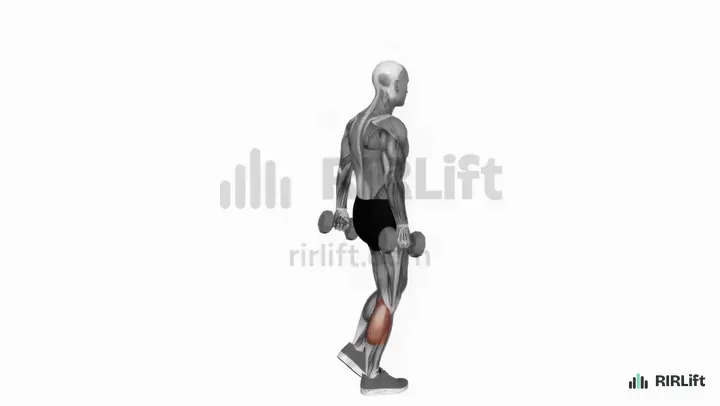
- Single-Leg Calf Raise Calves
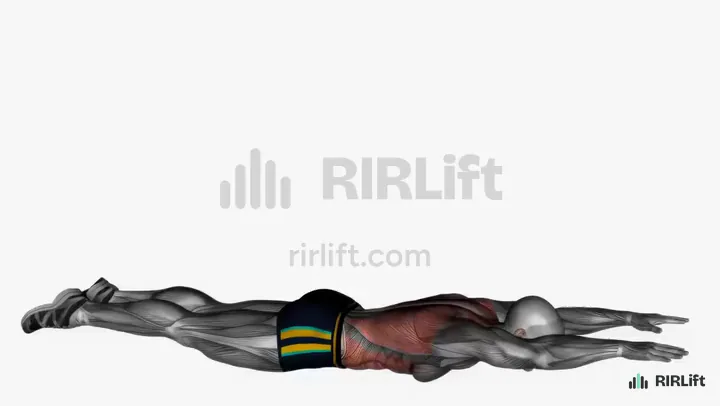
- Superman Lower Back
Put them together: example sessions
Each session below picks from the exercises above for one situation, with the sets, reps, rest and RIR filled in.
-
Session 1
Starting from zero at home, three days a week
You have not trained in years, have no equipment and want one routine that covers the whole body.
3× a week · 45 sets a week · ~30 min
-
Session 2
The starter routine feels easy now
You have done a bodyweight routine for a couple of months and squats to 15 reps are no longer hard, so you need more per exercise.
3× a week · 38 sets a week · ~25 min
-
Session 3
Balance is your main worry
You feel unsteady on stairs or uneven paths and would rather stay on your feet than get down on the floor.
2× a week · 24 sets a week · ~25 min
Session 1
Starting from zero at home, three days a week
- Workouts3× a week
- Working sets45 a week
- Per workout~30 min
- EquipmentDumbbells
You have not trained in years, have no equipment and want one routine that covers the whole body.
Six exercises, one per area, give each muscle group 2 to 3 sets three times a week, about 6 to 9 sets weekly, which is plenty to get stronger at 3 reps in reserve. The session has 15 working sets and takes 25 to 30 minutes.
| Exercise | Sets × reps | RIR | Rest |
|---|---|---|---|
| Bodyweight SquatSit to a chair at first. | 3 × 8–15 | 3 | 1 min |
| Incline Push-Up | 3 × 6–12 | 3 | 1 min |
| Single-Leg Glute BridgePer leg. | 2 × 8–12 | 3 | 1 min |
| Superman | 2 × 8–12 | 3 | 1 min |
| Dead BugPer side. | 2 × 6–10 | 3 | 45 s |
| Single-Leg Calf RaisePer leg. | 3 × 8–15 | 3 | 45 s |
- How to run it
- Train on three days with rest between, such as Monday, Wednesday and Friday. Walking on the days in between is a good match.
- How to progress
- Start at 2 sets for two weeks, then add the third set. When you reach the top of the rep range on every set with 2 or 3 reps left, move to the harder version: chair squat to free squat, counter push-up to chair push-up, two-leg to one-leg bridge.
Session 2
The starter routine feels easy now
- Workouts3× a week
- Working sets38 a week
- Per workout~25 min
- EquipmentDumbbells
You have done a bodyweight routine for a couple of months and squats to 15 reps are no longer hard, so you need more per exercise.
Two alternating routines bring in harder exercises, lunges, kneeling push-ups and wall sits, while keeping each session to 11 to 14 sets. Done three days a week, every muscle still gets 6 to 9 hard sets.
| Exercise | Sets × reps | RIR | Rest |
|---|---|---|---|
| Reverse LungePer leg. | 3 × 8–12 | 2 | 75 s |
| Kneeling Push-Up | 3 × 8–15 | 2 | 75 s |
| Single-Leg Glute BridgePer leg. | 3 × 10–15 | 2 | 1 min |
| Side PlankSeconds per side. | 2 × 20–40 | 2 | 45 s |
| Exercise | Sets × reps | RIR | Rest |
|---|---|---|---|
| Wall SitSeconds per hold. | 3 × 30–60 | 2 | 75 s |
| Incline Push-UpLower surface than before. | 3 × 10–15 | 2 | 1 min |
| Superman | 3 × 10–12 | 2 | 1 min |
| Standing Side Leg RaisePer leg. | 2 × 12–15 | 2 | 45 s |
| Single-Leg Calf RaisePer leg. | 3 × 10–15 | 2 | 45 s |
- How to run it
- Alternate A and B across three days: A, B, A one week and B, A, B the next.
- How to progress
- Push the harder exercises to 2 reps in reserve. When kneeling push-ups reach 15, try a few full push-ups first in each set. Hold the wall sit lower or longer when you reach the top of the range.
Session 3
Balance is your main worry
- Workouts2× a week
- Working sets24 a week
- Per workout~25 min
- EquipmentBodyweight
You feel unsteady on stairs or uneven paths and would rather stay on your feet than get down on the floor.
Everything here is done standing, near a wall or counter, and most of it is one-legged or holds still, the two things that train balance. Twice a week with 12 sets per session is a steady start.
| Exercise | Sets × reps | RIR | Rest |
|---|---|---|---|
| Bodyweight SquatTo a chair. | 3 × 8–12 | 3 | 1 min |
| Single-Leg Calf RaisePer leg. | 3 × 8–12 | 3 | 45 s |
| Standing Side Leg RaisePer leg. | 2 × 10–15 | 3 | 45 s |
| Wall SitSeconds per hold. | 2 × 20–40 | 3 | 1 min |
| Incline Push-Up | 2 × 8–12 | 3 | 1 min |
- How to run it
- Do it twice a week, with a chair behind you and a counter or wall within reach. Add it to walking days if you like.
- How to progress
- Take your hand off the support for one rep, then two, before adding reps. Once the calf raises and side leg raises reach 15 with no hand, add the squat sets without the chair.
Make it fit you
-
When bodyweight gets easy
Bodyweight has a ceiling. Once you do 3 sets of 15 on the harder versions, hold a dumbbell or kettlebell for squats, lunges and bridges, which is what the lunge, bridge and calf raise demos show.
-
Knees that complain
Squat only as deep as your chair, use the wall sit at a comfortable height, and keep lunges short. Bridges and side leg raises load the hips with almost nothing on the knee.
-
No floor work
Swap the dead bug and side plank for a plank with your forearms against a wall, and follow the balance plan above, which keeps you on your feet the whole session.
-
Count the reps you had left
Stop each set with 2 or 3 reps you could still do and log that number. RIRLift reads it and tells you when to add reps or step up to the harder version.
Questions
How much should a 50 year old woman exercise?
Two or three strength sessions a week of 25 to 40 minutes, plus walking or other activity most days, is a good target. The plans on this page fit the strength part.
Can you build muscle with bodyweight exercises after 50?
You can, provided the exercises keep getting harder. Moving from chair squats to lunges and from counter push-ups to kneeling push-ups keeps the challenge high. Once that runs out, add weights.
What exercise burns the most belly fat for women over 50?
Fat does not come off the spot you train. Belly fat comes off through overall fat loss, from eating and total activity. Full-body strength work like this keeps the muscle under it while you lose.
What is the 3-3-3 rule for working out?
The phrase gets used for several things, but a common version is three exercises, three sets, three times a week. The starter plan here follows a similar idea with six exercises, because bodyweight work needs more variety to cover the whole body.
Does weight training burn fat?
It burns calories during the session and builds muscle, which helps you keep a lower weight long term. Most fat loss still comes from eating, so pair the training with a modest calorie cut if fat loss is the goal.
Related templates
-
Bodyweight exercises for women: legs, glutes, upper body and core
Harder bodyweight options once these feel easy.
-
Bodyweight exercises for seniors: strength with no equipment
Chair-supported versions for 65 and older.
-
Ab exercises for women over 50: floor, plank and standing core work
More core work to add to these routines.
-
Strength training at home: the exercises, the equipment and three plans
The next step when you add dumbbells or bands.
-
Progressive overload workout plan
How to keep making exercises harder over time.