
Ab exercises for women over 50: floor, plank and standing core work
Published October 29, 2026
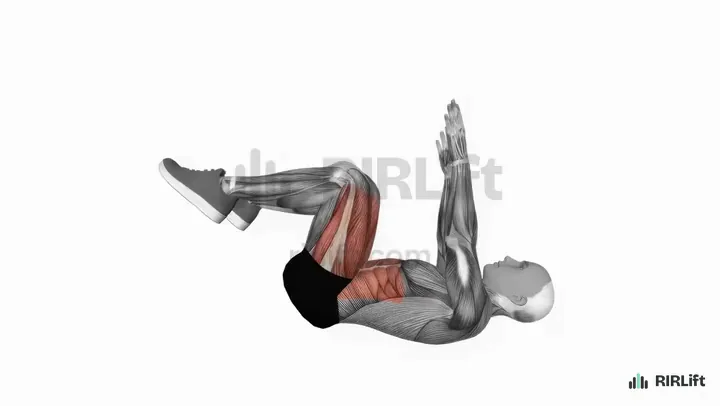
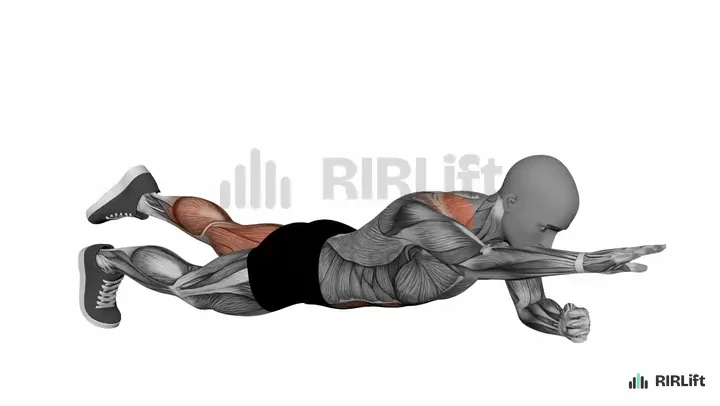
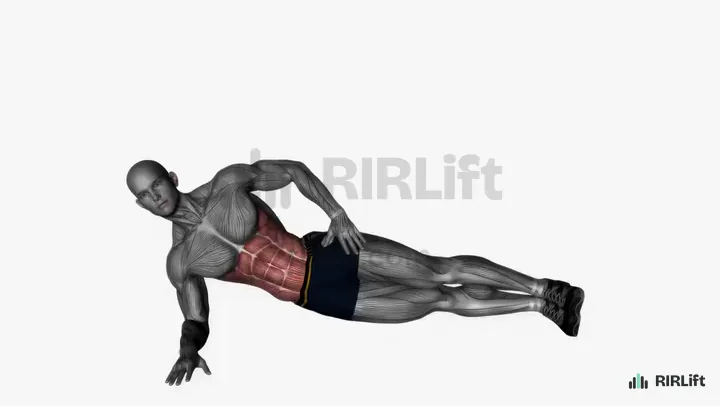
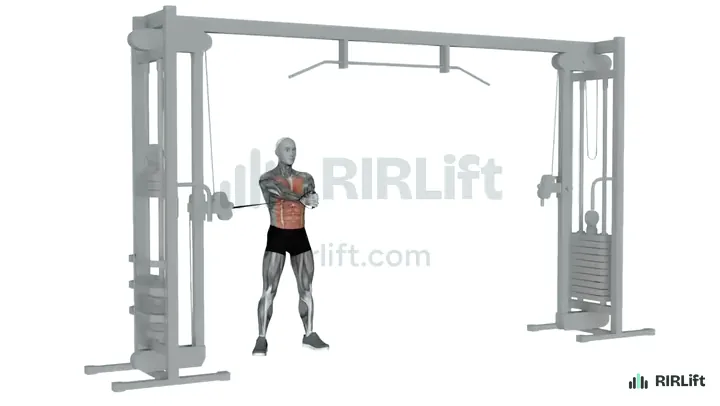
The best ab exercises for women over 50 are the dead bug, lying knee raise and reverse crunch on the floor, the plank and side plank for bracing, the Pallof press and cable woodchop for rotation, and the suitcase carry and farmer's walk for standing core strength. The glute bridge rounds it out for the back of the trunk. Pick four, do 2 or 3 sets two or three times a week, and stop each set when your lower back starts to arch or your form slips, which is usually 2 to 3 reps before you could not do another.
- Dead Bug Abs
- Plank Abs
- Side Plank Abs
- Pallof Press Abs
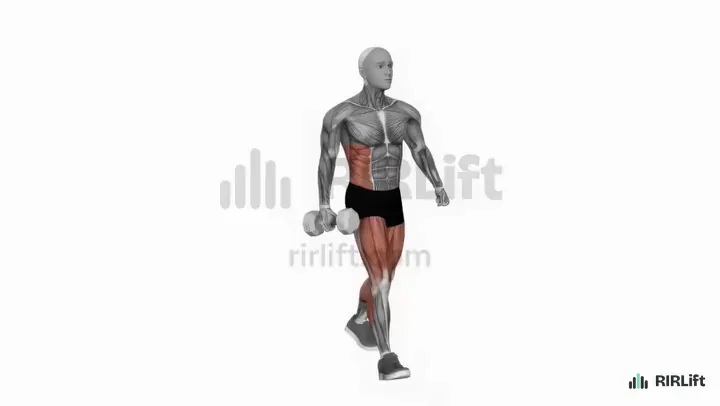
- Dumbbell Suitcase Carry Abs, Quads
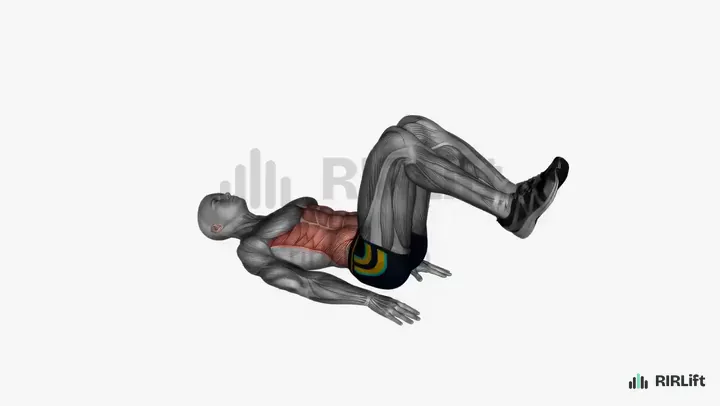
- Reverse Crunch Abs
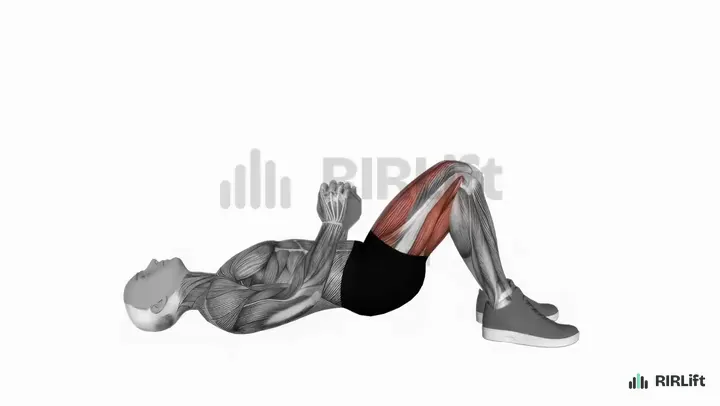
- Dumbbell Glute Bridge Glutes
Put them together: example sessions
Each session below picks from the exercises above for one situation, with the sets, reps, rest and RIR filled in.
-
Session 1
Ten minutes on the floor, three days a week
You are new to core work or coming back to it, you train at home, and you want a short routine you can do after a walk.
3× a week · 36 sets a week · ~25 min
-
Session 2
Core after your gym workout
You already lift at a gym twice a week and want 15 minutes of ab work at the end that goes beyond planks.
2× a week · 22 sets a week · ~20 min
-
Session 3
Standing only, nothing on the floor
Getting down to the floor and up again is slow or uncomfortable, or you simply prefer to train upright, and you have cables and dumbbells at a gym.
2× a week · 22 sets a week · ~25 min
Session 1
Ten minutes on the floor, three days a week
- Workouts3× a week
- Working sets36 a week
- Per workout~25 min
- EquipmentDumbbells
You are new to core work or coming back to it, you train at home, and you want a short routine you can do after a walk.
Ten minutes is enough when every set stops 2 to 3 reps before your form fades: 12 sets a session and 36 a week across the abs, obliques and glutes. Three short sessions build control faster than one long one.
| Exercise | Sets × reps | RIR | Rest |
|---|---|---|---|
| Dead BugPer side. | 3 × 6–10 | 3 | 45 s |
| Lying Knee Raise | 2 × 8–12 | 3 | 45 s |
| PlankSeconds per hold. | 2 × 15–45 | 2 | 45 s |
| Side PlankSeconds per side. | 2 × 15–30 | 2 | 45 s |
| Dumbbell Glute Bridge | 3 × 10–15 | 2 | 1 min |
- How to run it
- Do it three days a week, after a walk or at the end of other training. Leave a day between sessions so you come back fresh.
- How to progress
- Add reps or seconds first. Once you reach the top of every range, move to the harder version: hands on the floor to toes for the plank, knees to feet for the side plank, then a dumbbell on the bridge.
Session 2
Core after your gym workout
- Workouts2× a week
- Working sets22 a week
- Per workout~20 min
- EquipmentAdjustable Cable
You already lift at a gym twice a week and want 15 minutes of ab work at the end that goes beyond planks.
After squats and deadlifts your core is already working, so four short exercises and 11 sets are enough to cover front, sides and rotation. The cable work lets you add load the same way you do on your other lifts.
| Exercise | Sets × reps | RIR | Rest |
|---|---|---|---|
| A1 Pallof PressPer side. | 3 × 8–12 | 2 | 45 s |
| A2 Side PlankSeconds per side. | 3 × 20–40 | 2 | 45 s |
| Reverse Crunch | 3 × 8–15 | 2 | 1 min |
| Plank Shoulder TapTaps per side. | 2 × 10–20 | 2 | 1 min |
- How to run it
- Finish both weekly gym sessions with it. Do the Pallof press and side plank as a superset to save time.
- How to progress
- Add one plate to the Pallof press when every set reaches 12 reps per side at 2 reps in reserve. Progress the reverse crunch by slowing the lowering, then the shoulder taps by adding reps.
Session 3
Standing only, nothing on the floor
- Workouts2× a week
- Working sets22 a week
- Per workout~25 min
- EquipmentAdjustable Cable, Dumbbells
Getting down to the floor and up again is slow or uncomfortable, or you simply prefer to train upright, and you have cables and dumbbells at a gym.
Every exercise here is done on your feet. Carries and anti-rotation work load the same deep abs and obliques as floor work, about 11 sets a session. Twice a week covers it.
| Exercise | Sets × reps | RIR | Rest |
|---|---|---|---|
| Pallof PressPer side. | 3 × 8–12 | 2 | 45 s |
| Cable WoodchopPer side. | 3 × 8–12 | 2 | 1 min |
| Dumbbell Suitcase CarrySeconds per side. | 3 × 20–40 | 2 | 1 min |
| Farmer's WalkSeconds of walking. | 2 × 30–45 | 2 | 90 s |
- How to run it
- Do it twice a week, on its own or after your other lifts. Carry on a clear stretch of floor or a corridor.
- How to progress
- Carries progress by weight: when you can walk 40 seconds tall and steady, go up one dumbbell. Add a plate to the cables when all sets reach the top of the range.
Make it fit you
-
Belly fat after 50
Ab exercises build the muscle under the fat; they do not burn the fat on top of it. That comes off through overall fat loss, from eating and total activity. Strong abs show more once it does.
-
Osteoporosis or low bone density
Skip crunches and sit-ups that curl the spine forward under load, and lean on the dead bug, planks, Pallof press and carries, which keep the spine long while the abs work.
-
Leaking or pelvic floor worries
Breathe out as you do the hard part of each rep and keep the effort at 3 reps in reserve. If a plank or knee raise makes you bear down, go back to the dead bug and side plank.
-
Log holds and reps
Note the seconds and reps you reached and how many you had left. RIRLift sets the next session's target from what you log, so your planks and carries keep moving forward.
Questions
What is the best ab exercise for women over 50?
The dead bug is the best place to start, because it trains the deep abs to keep your back steady and works for every level. Add the side plank and a carry, and you have trained the front, sides and standing strength of your core.
How do you get flat abs in your 40s and 50s?
Flatter abs come from two things: building the ab muscles with exercises like these and losing overall body fat through eating and activity. Exercises alone will not remove fat from the stomach, but they shape what is underneath.
Is 10 minutes of core a day enough?
Ten focused minutes three times a week is enough for most women, as long as you add harder versions over time. Daily is fine too if the sessions are short and you are not sore.
Are crunches bad for women over 50?
Not for everyone, but they are not needed. If you have low bone density or back pain, skip them and use planks, dead bugs and carries, which train the same muscles without curling the spine under load.
How many days a week should a 50 year old work out?
Strength training two or three days a week, plus walking or other activity on most days, suits most people over 50. Core work can go at the end of the strength sessions.
Related templates
-
Core exercises for women: front, sides, lower back and full body
The full core list for women of any age, with heavier options.
-
Ab exercises for seniors: mat, standing and machine options
Seated and chair-supported ab work for 65 and older.
-
Deep core exercises for women: holds, slow lower-ab work and anti-rotation
More on the deep abdominal wall and pelvic floor.
-
Standing ab exercises that load your core, with sessions for home, the gym and sport
More upright core options if you skip the floor.
-
How to brace your core
The breathing and bracing behind every exercise here.