
Cardio exercises for men: running, gym machines and rope work
Published October 29, 2026
The best cardio exercises for men are running, treadmill running and incline walking; the stationary bike, rowing machine, air bike, ski erg, stair climber and sled push in the gym; and jump rope, burpees and shadow boxing with no machine. Do most of your cardio at an easy pace you could hold a conversation at, 30 to 45 minutes two or three times a week, and add one short hard session if you want more conditioning. On a cycling or rowing machine, easy cardio barely touches your leg strength, which makes it the best choice for men who also lift.
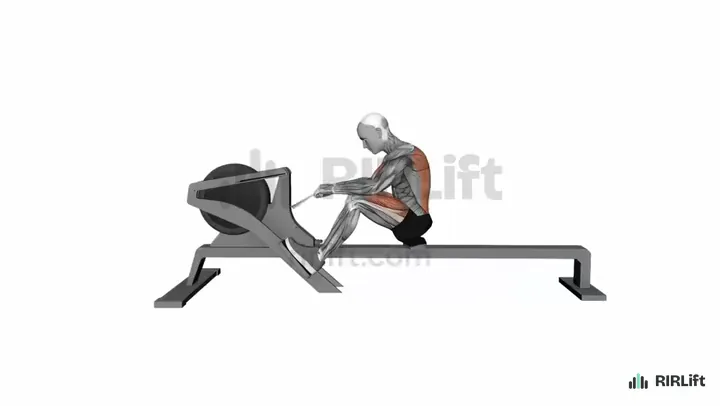
- Rowing Machine Quads, Hamstrings, Glutes, Lats
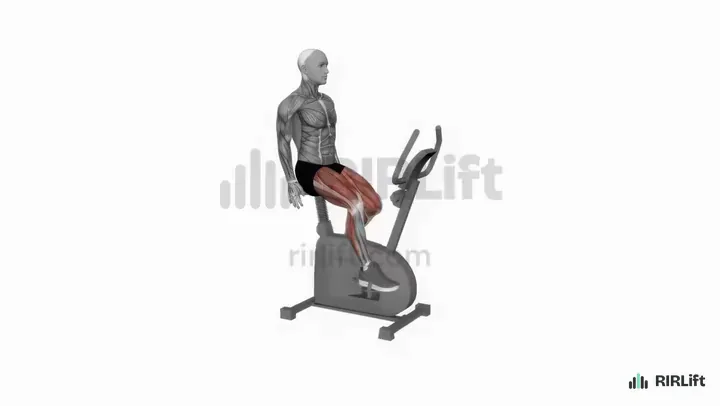
- Stationary Bike Quads, Hamstrings
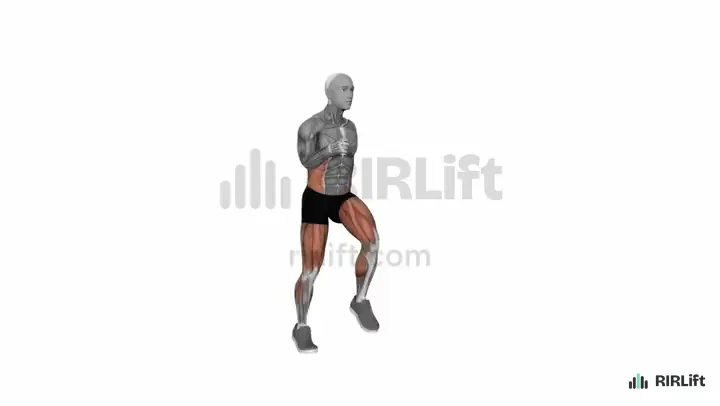
- Running Quads, Hamstrings, Calves
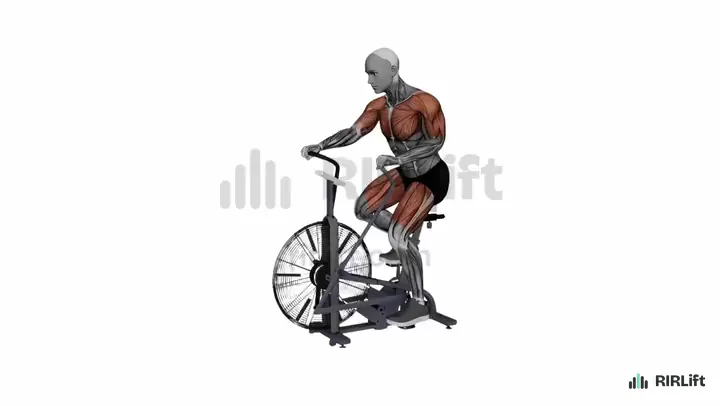
- Air Bike Quads, Hamstrings, Glutes
- Jump Rope Calves, Quads
- Stair Climber Quads, Glutes, Calves
- Treadmill Walk Quads, Glutes, Calves
- Sled Push Quads, Glutes
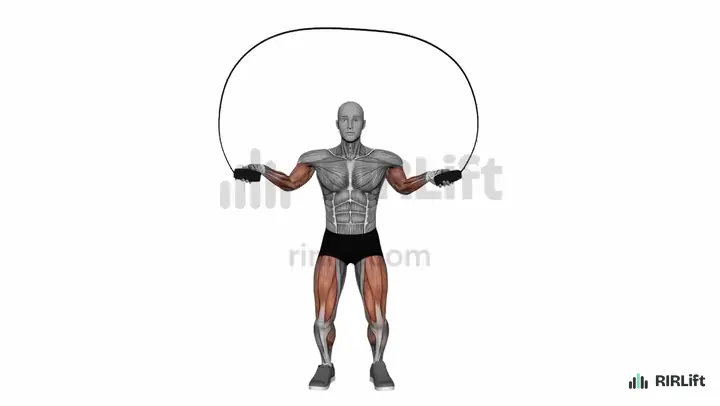
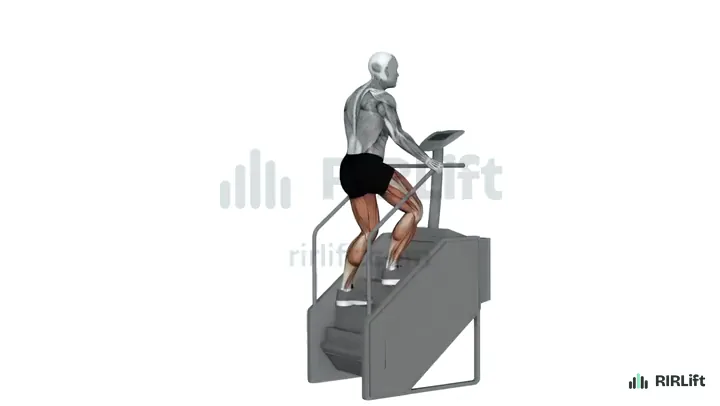
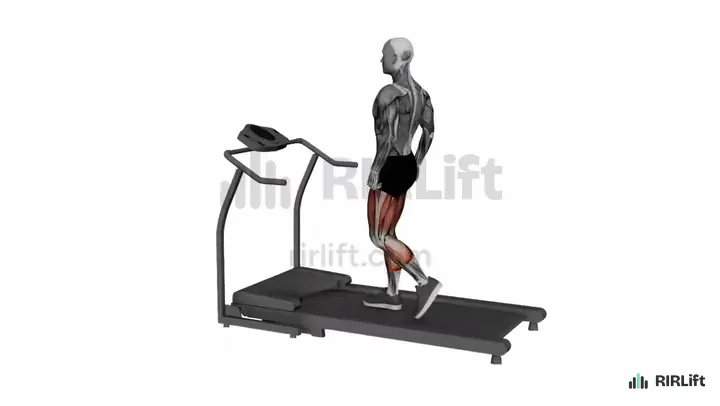

Put them together: example sessions
Each session below picks from the exercises above for one situation, with the sets, reps, rest and RIR filled in.
-
Session 1
You lift four days and want cardio that does not cost strength
Lifting is your priority, you train four days a week, and you want better heart and lung fitness without your squat or deadlift suffering.
2× a week · 12 sets a week · ~10 min
-
Session 2
Building up to running 30 minutes without stopping
You want to start running, or come back to it, and your goal is a 30-minute run or a 5k without walking breaks.
3× a week · 15 sets a week · ~10 min
-
Session 3
At home or in a garage with a rope and no machine
You train at home or in a garage, you have a jump rope and some floor space, and you want 25 minutes of cardio that feels like a workout.
2× a week · 22 sets a week · ~20 min
Session 1
You lift four days and want cardio that does not cost strength
- Workouts2× a week
- Working sets12 a week
- Per workout~10 min
- EquipmentExercise Bike, Rowing Machine
Lifting is your priority, you train four days a week, and you want better heart and lung fitness without your squat or deadlift suffering.
Two easy sessions of 30 minutes on the bike and the rower add an hour of cardio a week at a pace that barely tires your legs. At that pace, cycling and rowing have little effect on strength gains.
| Exercise | Sets × reps | RIR | Rest |
|---|---|---|---|
| Stationary Bike1 rep = a 5-minute block at a pace you can talk through. 30 minutes, no stops. | 6 × 1 | 4 | 0 s |
| Exercise | Sets × reps | RIR | Rest |
|---|---|---|---|
| Rowing Machine1 rep = a 5-minute block at 20 to 22 strokes a minute. 30 minutes, no stops. | 6 × 1 | 4 | 0 s |
- How to run it
- Ride on an upper-body day, after lifting or later in the day, and row on a rest day. Keep the pace easy enough to talk in full sentences the whole time.
- How to progress
- Add one 5-minute block to each session every two weeks until you reach 45 minutes. After that, keep the time and let the pace rise at the same effort.
Session 2
Building up to running 30 minutes without stopping
- Workouts3× a week
- Working sets15 a week
- Per workout~10 min
- EquipmentTreadmill
You want to start running, or come back to it, and your goal is a 30-minute run or a 5k without walking breaks.
Three runs a week is enough for your lungs and legs to adapt without overloading your shins and knees. Two days are run-walk intervals that build time on your feet, and one day is a continuous easy run that grows by 5 minutes at a time, which reaches 30 minutes in about six weeks.
| Exercise | Sets × reps | RIR | Rest |
|---|---|---|---|
| Treadmill Walk1 rep = a 5-minute brisk walk to warm up. | 1 × 1 | 4 | 0 s |
| Running1 rep = a 2-minute easy jog. Walk during the rest. | 6 × 1 | 3 | 1 min |
| Exercise | Sets × reps | RIR | Rest |
|---|---|---|---|
| Treadmill Run1 rep = a 5-minute block of easy running. Run all blocks back to back. | 3 × 1 | 3 | 0 s |
- How to run it
- Do Run-walk on two days and the Steady run on a third, with a day between each run, for example Tuesday, Thursday and Sunday. Every run is at a pace where you could still talk.
- How to progress
- On the run-walk, add one jog interval a week until you reach 8, then shorten the walk breaks to 30 seconds. On the steady run, add one 5-minute block every two weeks until you reach six blocks, which is 30 minutes.
Session 3
At home or in a garage with a rope and no machine
- Workouts2× a week
- Working sets22 a week
- Per workout~20 min
- EquipmentJump Rope
You train at home or in a garage, you have a jump rope and some floor space, and you want 25 minutes of cardio that feels like a workout.
Rounds of rope skipping and shadow boxing make up 20 minutes of steady work with short breaks, and three hard sets of burpees at the end lift your heart rate to the top. Two sessions a week plus a walk or a run on other days covers your weekly cardio.
| Exercise | Sets × reps | RIR | Rest |
|---|---|---|---|
| Jump Rope1 rep = a 2-minute round. | 4 × 1 | 3 | 1 min |
| Shadow Boxing1 rep = a 3-minute round, hands back to your guard after every punch. | 4 × 1 | 3 | 1 min |
| Burpee | 3 × 8–12 | 2 | 1 min |
- How to run it
- Do the session twice a week on non-consecutive days. Skip on a mat or wooden floor rather than concrete, and keep the rope rounds smooth before trying to go faster.
- How to progress
- Add 30 seconds to each rope round once you can finish them without tripping, up to 3 minutes. Then add a burpee to each set every week until all three sets reach 12.
Make it fit you
-
Over 50 or 60
The bike, rower, incline walk and stair climber train your heart and lungs as well as running does, without the impact. Do two easy sessions a week and, once those feel comfortable, add one session of 6 hard 30-second efforts on the air bike.
-
Losing fat
Cardio adds to the calories you burn, but most of the fat loss comes from eating less, and it comes off everywhere, not from where you train. Keep lifting so the weight you lose is fat, and add daily walking before adding more hard cardio.
-
A bigger body or sore knees
Start with incline walking, the bike and the rower, and leave running and rope work for later. Ten-minute sessions twice a day count as much as one 20-minute session.
-
You want more intensity
Replace one easy session with 8 sprints of 20 seconds on the air bike, resting 40 seconds between. Keep the other sessions easy so the hard one stays hard.
-
Fit cardio around lifting
Easy cardio can go anywhere in the week. Hard cardio should go after lifting or on another day, and never the day before your heaviest leg session.
Questions
What does cardio do for men?
It makes your heart and lungs more efficient, so you recover faster between sets, games and rounds, and everyday effort gets easier. It also burns extra calories, which helps with fat loss when your diet is in line.
How much cardio should men do a week?
About 150 minutes of moderate cardio or 75 minutes of hard cardio a week, or a mix. For men who lift, two or three sessions of 30 to 45 minutes, mostly easy, covers it.
Does 20 minutes of cardio burn fat?
It burns calories, including some from fat, but your body fat goes down only when you burn more than you eat over weeks, and it drops from your whole body rather than one area. Twenty minutes most days helps; your diet does most of the work.
Does cardio kill muscle gains?
Not in normal amounts. Two or three sessions a week of cycling, rowing or incline walking have little effect on strength or size. Large amounts of running are what can slow leg gains, which is why the lifting plan here uses the bike and the rower.
What are examples of aerobic exercise?
Running, cycling, rowing, swimming, the stair climber, the ski erg, jump rope, brisk walking and boxing rounds. Anything that keeps your heart rate raised for several minutes counts.
Related templates
-
HIIT exercises for men: machines, kettlebells, sleds and bodyweight
Short, hard interval sessions for when easy cardio is in place.
-
Cardio exercises at home: no treadmill, no bike, no problem
More cardio with no machines or gym.
-
Low impact cardio exercises: hard work with no jumping or pounding
Cardio without running or jumping for sore knees.
-
The best workout routine for men, for your week
Strength programs that fit around these cardio sessions.
-
Warm up for running: a 10-minute pre-run routine
Five minutes to do before every run in the running plan.