
Cardio exercises for women: walking, gym machines and at-home cardio
Published October 29, 2026
The best cardio exercises for women are brisk walking, incline treadmill walking and running for the simplest start; the elliptical, stationary bike, rowing machine and stair climber in the gym; and jumping jacks, jump rope, skipping in place, butt kicks and shadow boxing at home with no machine. Aim for about 150 minutes a week at a pace where you can talk in short sentences, or 75 minutes of harder work, spread over three to five days. Choose the ones you enjoy enough to repeat, and pair them with two strength sessions a week.
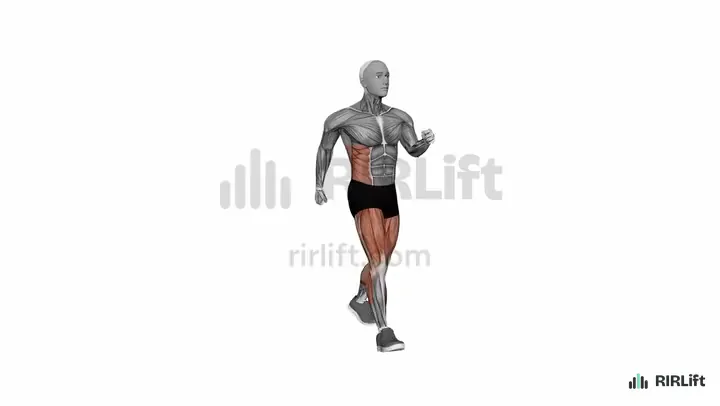
- Brisk Walk Quads, Hamstrings, Glutes, Calves
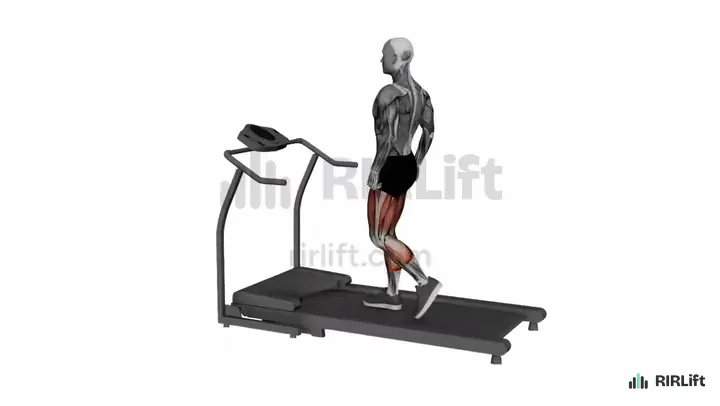
- Treadmill Walk Quads, Glutes, Calves
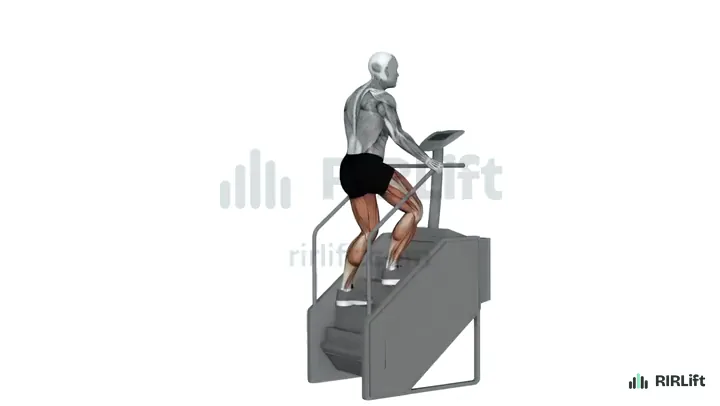
- Stair Climber Quads, Glutes, Calves
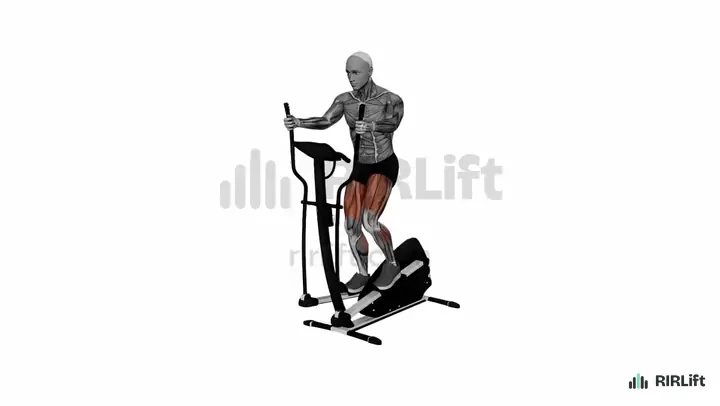
- Elliptical Quads, Hamstrings, Glutes
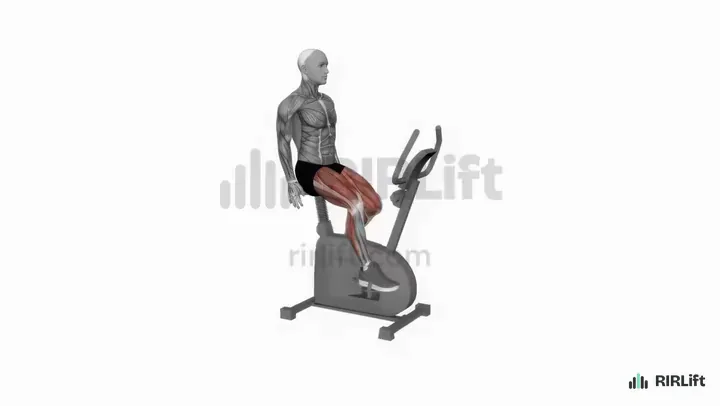
- Stationary Bike Quads, Hamstrings
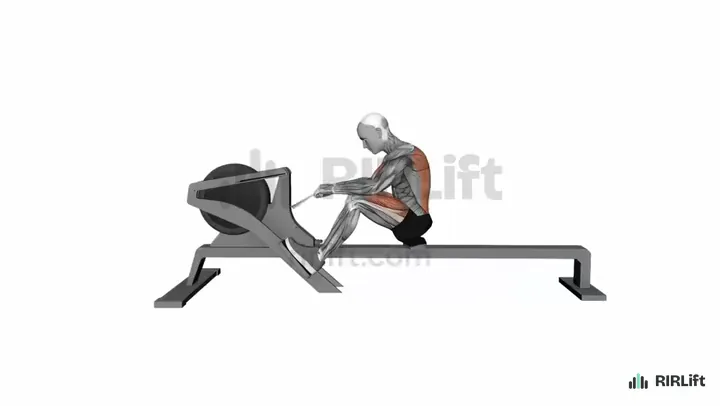
- Rowing Machine Quads, Hamstrings, Glutes, Lats
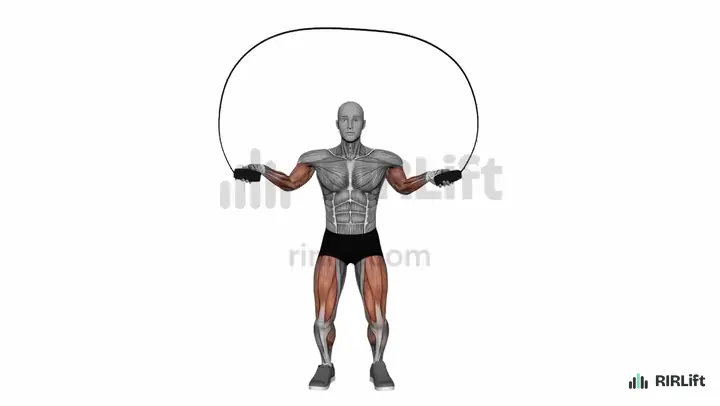
- Jump Rope Calves, Quads
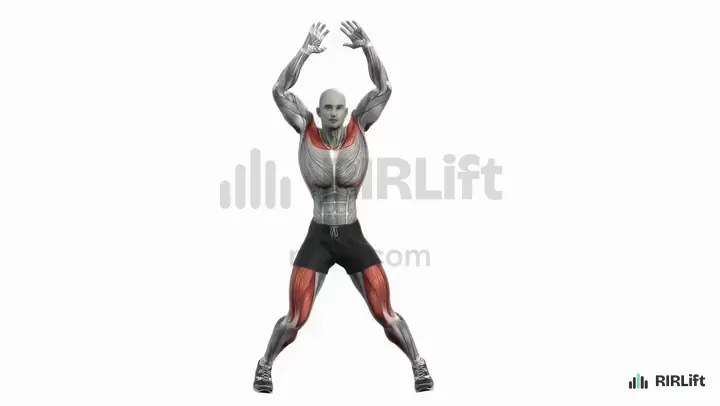
- Jumping Jack Calves, Quads
Put them together: example sessions
Each session below picks from the exercises above for one situation, with the sets, reps, rest and RIR filled in.
-
Session 1
Starting cardio from little activity
You are not doing much cardio now and want to build a habit that improves your fitness without feeling punishing.
4× a week · 22 sets a week · ~10 min
-
Session 2
In the gym, cardio after or between lifting days
You go to the gym, lift weights two or three times a week, and want cardio that improves your fitness without wearing out your legs for lifting.
2× a week · 15 sets a week · ~10 min
-
Session 3
At home, no equipment, 20 minutes
You want cardio at home with no machine and no rope, in a living room or bedroom, and 20 minutes fits your day.
3× a week · 60 sets a week · ~20 min
Session 1
Starting cardio from little activity
- Workouts4× a week
- Working sets22 a week
- Per workout~10 min
- EquipmentBodyweight
You are not doing much cardio now and want to build a habit that improves your fitness without feeling punishing.
Four days of 20 to 30 minutes reaches the weekly 150-minute target within a few weeks. Three walking days build the base and one day adds one-minute jogs, the gentlest way to start running if you want to. Every minute is at a talking pace except the short jogs.
| Exercise | Sets × reps | RIR | Rest |
|---|---|---|---|
| Brisk Walk1 rep = a 5-minute block. Walk all blocks back to back. | 4 × 1 | 3 | 0 s |
| Exercise | Sets × reps | RIR | Rest |
|---|---|---|---|
| Brisk Walk1 rep = a 5-minute warm-up walk. | 1 × 1 | 4 | 0 s |
| RunningSeconds of easy jogging. Walk briskly during the rest. | 6 × 60 | 3 | 2 min |
- How to run it
- Walk on three days and do the run-walk on a fourth, for example Monday, Wednesday, Friday walks and a Saturday run-walk. Any time of day works; after a meal is a good habit.
- How to progress
- Add one 5-minute block to the walk each week until you reach 30 minutes. On the run-walk day, add one jog interval per week; when you can do 8, make each jog 90 seconds, then 2 minutes.
Session 2
In the gym, cardio after or between lifting days
- Workouts2× a week
- Working sets15 a week
- Per workout~10 min
- EquipmentElliptical, Exercise Bike, Rowing Machine, Stair Climber
You go to the gym, lift weights two or three times a week, and want cardio that improves your fitness without wearing out your legs for lifting.
One steady 30-minute elliptical session and one mixed machine session of about 30 minutes add up to an hour of cardio a week on top of your lifting. The machine mix puts a few minutes of harder rowing between easier bike and stair blocks, so you train both your steady fitness and a higher gear.
| Exercise | Sets × reps | RIR | Rest |
|---|---|---|---|
| Elliptical1 rep = a 5-minute block at a pace you can talk through. 30 minutes, no stops. | 6 × 1 | 3 | 0 s |
| Exercise | Sets × reps | RIR | Rest |
|---|---|---|---|
| Stationary Bike1 rep = a 5-minute block, easy to moderate. | 2 × 1 | 3 | 0 s |
| Rowing MachineSeconds. Hard but steady, easy rowing during the rest. | 5 × 60 | 2 | 1 min |
| Stair Climber1 rep = a 5-minute block at a steady climb. | 2 × 1 | 3 | 0 s |
- How to run it
- Do the elliptical session after an upper-body lifting day and the machine mix on a non-lifting day. Add a walk on rest days to reach 150 minutes.
- How to progress
- On the elliptical, raise the resistance one level when 30 minutes feels easy. On the machine mix, try to cover a few more meters in each rowing interval, and add one stair climber block after four weeks.
Session 3
At home, no equipment, 20 minutes
- Workouts3× a week
- Working sets60 a week
- Per workout~20 min
- EquipmentBodyweight
You want cardio at home with no machine and no rope, in a living room or bedroom, and 20 minutes fits your day.
Four moves done for one minute each, five times through, makes 20 minutes of continuous cardio. Alternating the bouncing moves with shadow boxing and butt kicks keeps the pace steady rather than all-out, so it counts as moderate cardio you can do three times a week.
| Exercise | Sets × reps | RIR | Rest |
|---|---|---|---|
| A1 Jumping JackReps in one minute. | 5 × 40–60 | 3 | 0 s |
| A2 Shadow BoxingSeconds. | 5 × 60 | 3 | 0 s |
| A3 Skipping in PlaceSeconds. | 5 × 60 | 3 | 0 s |
| A4 Butt KicksSeconds. Rest 30 seconds, then start the next round. | 5 × 60 | 3 | 30 s |
- How to run it
- Do it three days a week, and walk on one or two other days if you can. Move furniture back and wear shoes with some cushioning.
- How to progress
- Start with three rounds. Add a round every week until you reach five. Then make each minute busier: more jacks, faster punches, higher knees on the skips.
Make it fit you
-
Cardio for weight loss
Cardio adds to the calories you burn, but fat comes off mainly by eating a little less than you use, and it comes off your whole body rather than one spot. Keep two strength sessions a week so the weight you lose is fat rather than muscle, and add walking on the other days.
-
Over 50 or 60
Lean on walking, the bike, the elliptical and the rower, and keep jumping to short bursts if you enjoy it. Add a set of incline treadmill walking for hill work, which trains your legs without impact.
-
You love classes or sports instead
Dance classes, swimming, cycling outdoors, hiking and team sports all count toward your weekly minutes. Use the plans here on the days you cannot get to them.
-
Knees that dislike running and jumping
Use the elliptical, bike, rower and incline walking for every session, and swap jumping jacks for step-out jacks at home. You lose nothing in fitness by skipping impact.
-
Short on time
Three 10-minute walks in a day count the same as one 30-minute walk. When you have only 15 minutes in the gym, do 10 minutes on the stair climber or rower at a hard but steady pace.
Questions
What does cardio do for the female body?
Regular cardio makes your heart and lungs stronger, so everyday effort like climbing stairs gets easier, and it burns extra calories that help with weight loss. It does not build much muscle, which is why it works best alongside strength training.
How much cardio should a woman do a week?
About 150 minutes at a moderate pace, where you can talk but not sing, or 75 minutes of hard cardio, or a mix of both. Spread it over at least three days.
Does 20 minutes of cardio burn fat?
Yes, it burns calories, some of them from fat, but lasting fat loss depends on your whole day's food and activity, not one session. Fat comes off your body as a whole, not from the parts you exercise. Twenty minutes on most days is a useful part of that.
What are examples of aerobic exercise?
Brisk walking, running, cycling, swimming, rowing, the elliptical, stair climbing, jumping rope, dancing and shadow boxing. Anything that keeps your heart rate up for several minutes in a row counts.
Is it better to do cardio or weights first?
If both are in one session, lift first and do cardio after, so your strength sets get your best effort. Easy walking can go anywhere, including as the warm-up.
Related templates
-
Cardio exercises at home: no treadmill, no bike, no problem
More no-equipment cardio for small spaces.
-
Low impact cardio exercises: hard work with no jumping or pounding
Cardio with no jumping or running for sore joints.
-
HIIT exercises for women: bodyweight, weighted and machine intervals
Short, hard interval workouts when you want more intensity.
-
Cardio exercises for weight loss, and the lifting that goes with them
Cardio plans set up around a fat-loss diet.
-
The best workout for women, for your week
Strength programs to pair with your weekly cardio.