
Chest exercises for strength: the presses that build a bigger bench and a fuller chest
Published October 29, 2026
The best chest exercises for strength are the barbell bench press, Spoto press, floor press and incline bench press, backed by flat and incline dumbbell presses, weighted dips and push-ups. Put one heavy barbell press first in each session for 3 to 6 reps, follow with a dumbbell press or dip for 6 to 10, and finish with a cable fly or machine press. Two chest sessions a week, about 10 to 20 hard sets in total, stopping 1 to 3 reps short of failure, is enough to keep the bench moving for months.
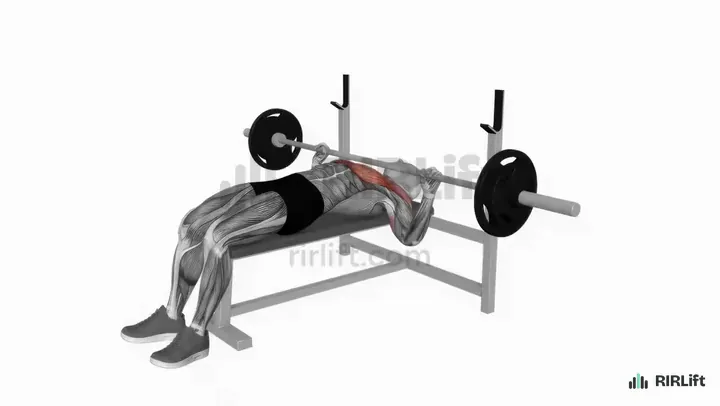
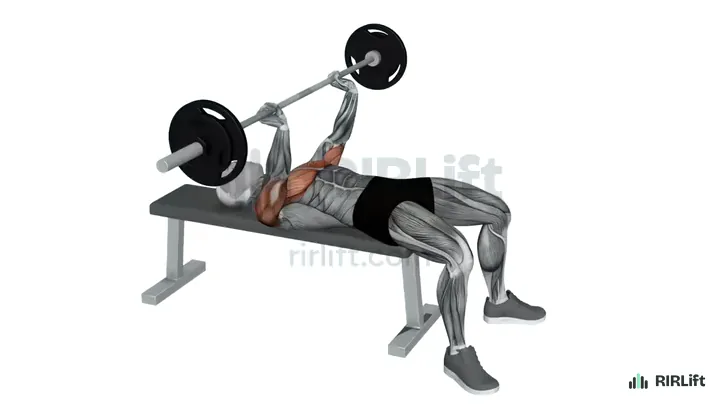
- Barbell Bench Press Chest
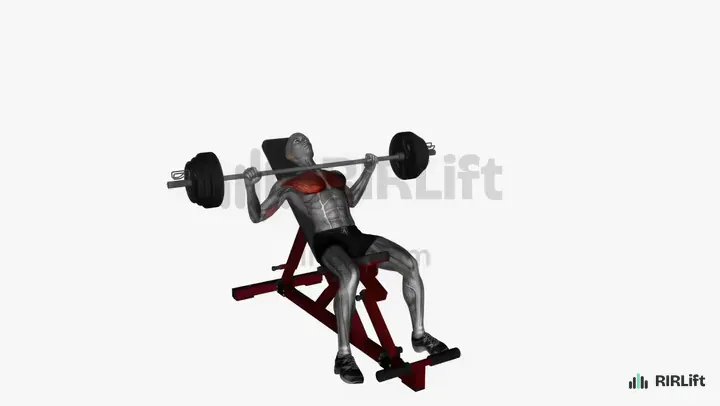
- Incline Barbell Bench Press Chest
- Spoto Press Chest
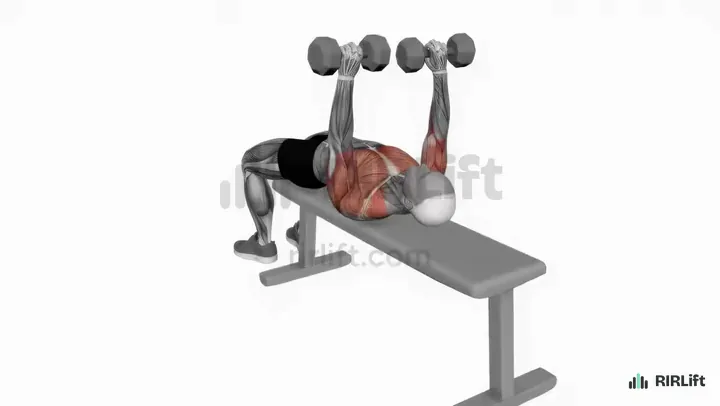
- Flat Dumbbell Press Chest
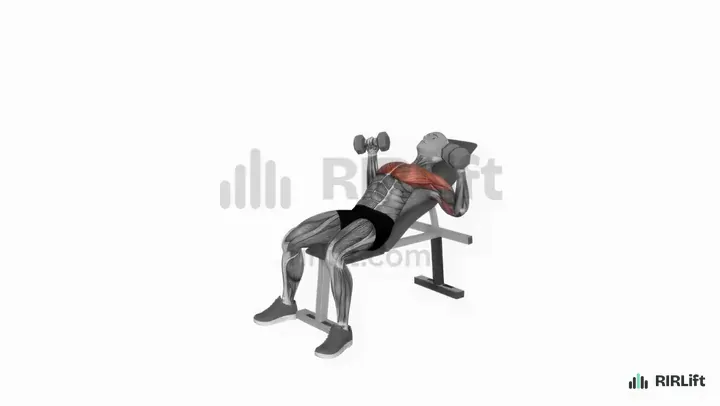
- Incline Dumbbell Press Chest
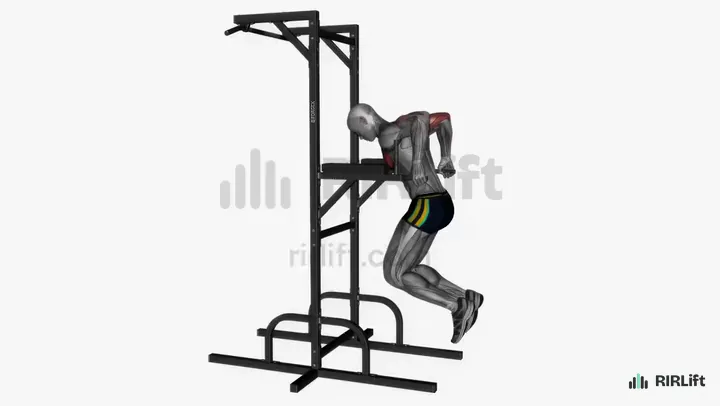
- Chest Dip Chest, Triceps
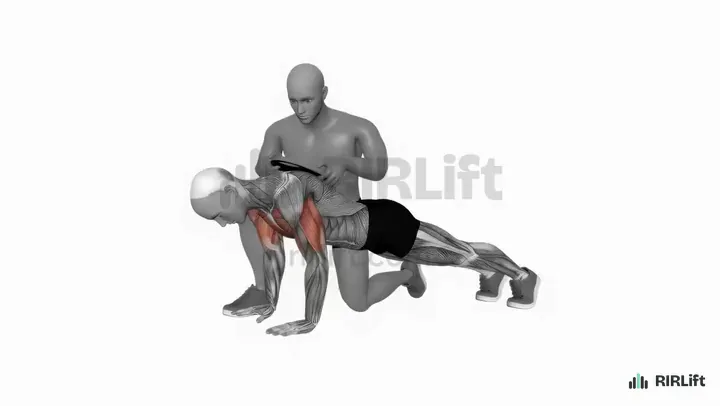
- Weighted Push-Up Chest
Put them together: example sessions
Each session below picks from the exercises above for one situation, with the sets, reps, rest and RIR filled in.
-
Session 1
Gym, two chest days to raise your bench
You lift three or four days a week, the bench is the number you care about, and you have a rack, a bench and a cable station.
2× a week · 20 sets a week · ~35 min
-
Session 2
Gym, chest size first and strength second
You want a bigger chest more than a bigger bench number, and you are happy to train a little lighter for more reps.
2× a week · 25 sets a week · ~35 min
-
Session 3
Home gym or lifting alone, no spotter
You train at home or on your own with a barbell, dumbbells, dip bars and maybe a bench, and nobody to pull the bar off you on a missed rep.
2× a week · 19 sets a week · ~30 min
Session 1
Gym, two chest days to raise your bench
- Workouts2× a week
- Working sets20 a week
- Per workout~35 min
- EquipmentBarbells, Flat Bench, Dumbbells, Incline Bench +2
You lift three or four days a week, the bench is the number you care about, and you have a rack, a bench and a cable station.
Two sessions put the bench pattern under heavy load twice a week, once in full and once paused, which is how most lifters keep adding weight past the beginner stage. Each day has 10 chest sets, 20 for the week, and 9 of them are heavy sets of 3 to 6 reps.
| Exercise | Sets × reps | RIR | Rest |
|---|---|---|---|
| Barbell Bench Press3 warm-up sets first | 5 × 3–5 | 2 | 3 min |
| Incline Dumbbell Press | 3 × 6–10 | 2 | 2 min |
| Cable Fly | 2 × 10–15 | 1 | 75 s |
| Exercise | Sets × reps | RIR | Rest |
|---|---|---|---|
| Spoto Press2 warm-up sets first | 4 × 4–6 | 2 | 3 min |
| Incline Barbell Bench Press | 3 × 5–8 | 2 | 2:30 min |
| Chest DipAdd weight once you pass 10 reps. | 3 × 6–10 | 2 | 2 min |
- How to run it
- Run Day 1 early in the week and Day 2 three or four days later, on the same days as your other upper-body work. Squat or deadlift on the days between.
- How to progress
- Add 5 pounds to the bench and Spoto press when every set hits the top of the rep range at the target reps in reserve. For dips and flyes, add reps first, then load. If the bench stalls for three weeks running, drop the weight 10 percent and build back up.
Session 2
Gym, chest size first and strength second
- Workouts2× a week
- Working sets25 a week
- Per workout~35 min
- EquipmentDumbbells, Flat Bench, Barbells, Incline Bench +3
You want a bigger chest more than a bigger bench number, and you are happy to train a little lighter for more reps.
Muscle growth responds to total hard sets, so this plan moves to the 6 to 12 rep range and adds a third and fourth exercise each day. Day A has 13 chest sets and Day B has 12, 25 for the week, which is the upper end of what most people recover from on two days.
| Exercise | Sets × reps | RIR | Rest |
|---|---|---|---|
| Flat Dumbbell Press2 warm-up sets first | 4 × 6–10 | 2 | 2 min |
| Incline Barbell Bench Press | 3 × 6–10 | 2 | 2:30 min |
| Machine Chest Press | 3 × 8–12 | 1 | 90 s |
| Cable Fly | 3 × 10–15 | 1 | 75 s |
| Exercise | Sets × reps | RIR | Rest |
|---|---|---|---|
| Incline Dumbbell Press2 warm-up sets first | 4 × 8–12 | 2 | 2 min |
| Chest Dip | 3 × 8–12 | 2 | 2 min |
| Machine Chest Press | 3 × 10–12 | 1 | 90 s |
| Weighted Push-Up | 2 × 8–12 | 1 | 90 s |
- How to run it
- Train chest on two upper-body days with two or three days between them. Keep each session to about 60 minutes by resting 90 to 120 seconds on everything after the first lift.
- How to progress
- Use double progression: stay at a weight until every set reaches the top of its range with the target reps in reserve, then add the smallest jump you can. On the machine and cables, take the last set to 0 or 1 rep in reserve.
Session 3
Home gym or lifting alone, no spotter
- Workouts2× a week
- Working sets19 a week
- Per workout~30 min
- EquipmentBarbells, Dumbbells, Incline Bench, Flat Bench +1
You train at home or on your own with a barbell, dumbbells, dip bars and maybe a bench, and nobody to pull the bar off you on a missed rep.
With your elbows on the floor, the floor press stops the bar well short of a full bench press, and dumbbells can be lowered to the sides if a rep fails. Each day has 9 or 10 chest sets, 19 for the week, with the heavy work kept at 2 reps in reserve so you never grind into a true miss.
| Exercise | Sets × reps | RIR | Rest |
|---|---|---|---|
| Floor Press2 warm-up sets first | 4 × 4–6 | 2 | 3 min |
| Incline Dumbbell Press | 3 × 8–10 | 2 | 2 min |
| Weighted Push-Up | 3 × 8–12 | 1 | 90 s |
| Exercise | Sets × reps | RIR | Rest |
|---|---|---|---|
| Flat Dumbbell Press2 warm-up sets first | 4 × 6–8 | 2 | 2:30 min |
| Chest Dip | 3 × 6–10 | 2 | 2 min |
| Weighted Push-Up | 2 × 10–15 | 1 | 90 s |
- How to run it
- Train twice a week, leaving two or more rest days in between. If you have no bench at all, do both dumbbell presses on the floor and keep the rep targets the same.
- How to progress
- Add reps until each set hits the top of the range at 2 reps in reserve, then go up 5 pounds on the bar or one dumbbell size. For weighted push-ups, add weight to the backpack once you get 12 reps on every set.
Make it fit you
-
Strength or mass first
For a bigger bench, keep the first lift at 3 to 6 reps and do fewer total sets. For a bigger chest, move most sets into 6 to 12 reps and add one more exercise. Both plans above use the same lifts, so you can switch phases every 6 to 8 weeks.
-
Shoulders that dislike the bench
Use dumbbells instead of the bar, tuck your elbows to about 45 degrees from your body, and use a slight incline. The machine press and weighted push-up are the two easiest presses to keep heavy when the barbell bench feels wrong.
-
Bench stalls at lockout
Rotate the floor press in as your first lift for four weeks and add one set of dips. Both load the top half of the press, where triceps strength decides whether the bar finishes.
-
Training chest once a week
Do the bench or Spoto press for 5 sets, then one dumbbell press and one fly, about 12 to 14 sets total. You will gain, just more slowly than on two days.
-
Upper chest lagging
Make the incline barbell or incline dumbbell press your first lift on one of the two days, and keep the cable fly in every session.
Questions
What is the best chest workout for strength?
Start with a heavy barbell press for 4 or 5 sets of 3 to 6 reps, then a dumbbell or incline press for 3 sets of 6 to 10, then one dip, push-up or fly. Do it twice a week, stopping each set 1 to 3 reps short of failure, and add weight whenever you hit the top of the range.
What is the #1 chest exercise?
For strength, the barbell bench press, because it lets you lift the most weight and progress in small steps. For size alone, the flat or incline dumbbell press is just as good, since it moves the chest through a longer range.
What is the 3-3-3 rule for the gym?
Usually three exercises, three sets each, three days a week. For chest strength it is a light starting point: a heavy press needs 4 or 5 sets of 3 to 6 reps to keep moving, so use the plans above once 3 sets stop adding weight to your bench.
Are 4 exercises enough for chest day?
Yes. Three or four exercises with 3 to 5 hard sets each is 10 to 16 sets, which covers what most lifters need for one session. Adding more exercises usually means the later ones are done tired and add little.
Is training chest for mass different from training it for strength?
The lifts are the same; the reps and set counts change. Strength work leans on heavy sets of 3 to 6 with long rest. Mass work leans on more total sets in the 6 to 12 range. Most people do best mixing both, a heavy press first and lighter volume after.
How many times a week should I train chest for strength?
Twice works for most lifters. It lets you practice the bench often enough to improve technique and spreads 10 to 20 sets over two fresher sessions.
Related templates
-
Compound chest exercises: every press worth doing
More multi-joint presses for building your chest around a heavy lift.
-
Barbell chest exercises: flat, incline, decline and no-bench options
Every barbell press variation, for when you want more options for the first lift.
-
Chest exercises at the gym: barbells, machines, cables and dips
Machine and cable choices for chest days in a full gym.
-
Bench press calculator
Estimate your one-rep max and working weights for the heavy sets.
-
Hypertrophy vs strength training
How to split your sets between building size and lifting heavier.