
Core exercises for beginners: easy floor moves and simple machines
Published October 19, 2026
The best core exercises for beginners are the dead bug, crunch and reverse crunch for your abs, the plank and side plank for holding your trunk steady, and the floor back extension for your lower back. At the gym, the ab crunch machine, captain's chair, Pallof press and farmer's walk are the easiest to learn because the machine or the weight sets the path. Start with three or four exercises, 2 sets each, stopping with 2 to 3 reps or seconds still left, two or three times a week.
- Dead Bug Abs
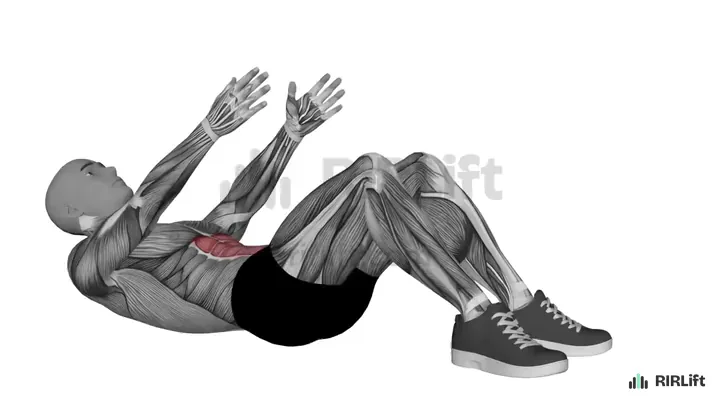
- Crunch Abs
- Plank Abs
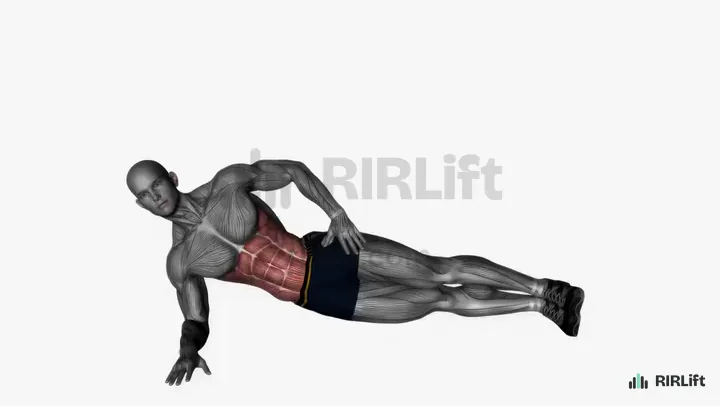
- Side Plank Abs
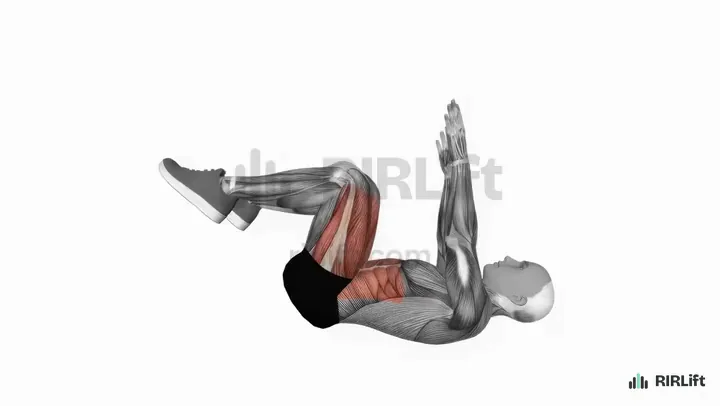
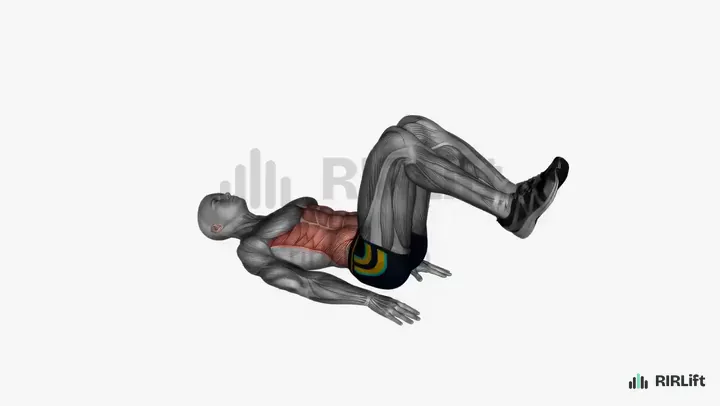
- Reverse Crunch Abs
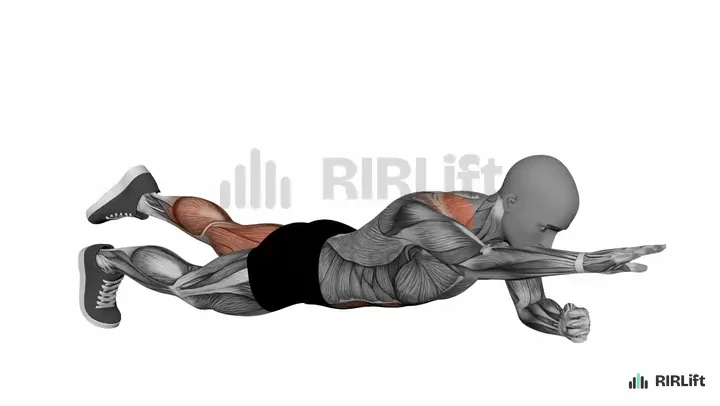
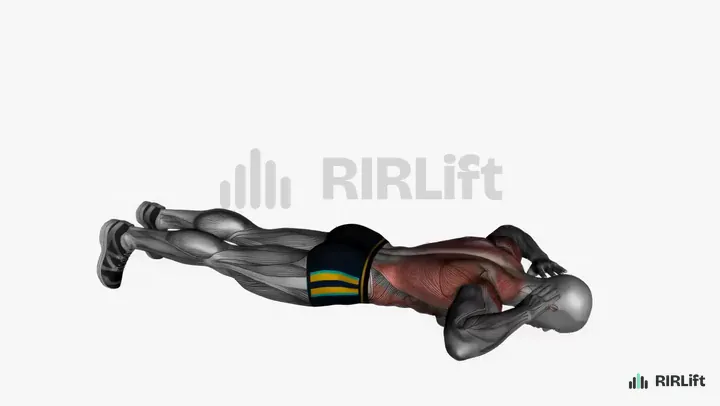
- Back Extension Lower Back
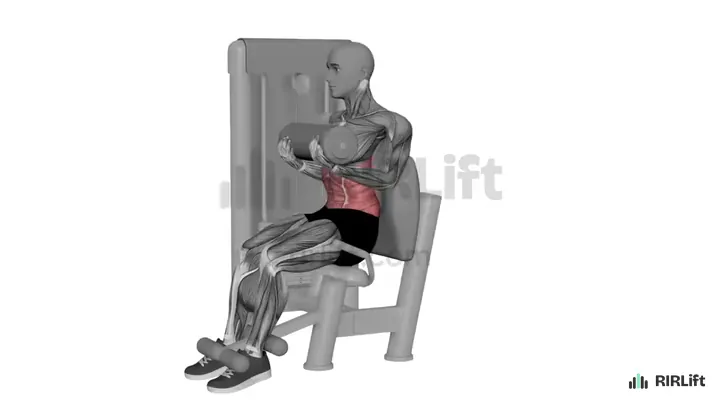
- Machine Crunch Abs
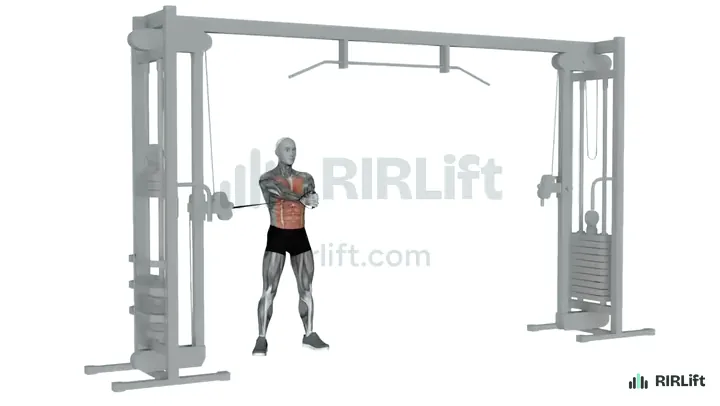
- Pallof Press Abs
Put them together: example sessions
Each session below picks from the exercises above for one situation, with the sets, reps, rest and RIR filled in. Open one in the session builder to change a pick, price it from a recent set, and add it to RIRLift.
-
Session 1
Absolute beginner, home, 10 minutes
You are new to exercise or coming back after a long break, and want a short routine you can do on the floor.
3× a week · 24 sets a week · ~15 min
-
Session 2
New to the gym, machines first
You have a gym membership and want core exercises you can do with confidence while you learn the rest of the gym.
2× a week · 16 sets a week · ~15 min
-
Session 3
Already lifting, adding core work
You started lifting recently and want a few core sets after your workout without making it longer.
2× a week · 12 sets a week · ~10 min
Session 1
Absolute beginner, home, 10 minutes
- Workouts3× a week
- Working sets24 a week
- Per workout~15 min
- EquipmentHyperextension
You are new to exercise or coming back after a long break, and want a short routine you can do on the floor.
Four exercises, one for each part of the core: the dead bug for bracing, the crunch for your abs, the side plank for your sides and the floor back extension for your lower back. Only 2 sets each, stopping with 2 to 3 reps or seconds still left, because early on you are learning the movement and the habit, not chasing fatigue.
| Exercise | Sets × reps | RIR | Rest |
|---|---|---|---|
| Dead BugPer side. Legs only at first. | 2 × 5–8 | 3 | 1 min |
| Crunch | 2 × 8–12 | 2 | 1 min |
| Side PlankSeconds per side. Knees down. | 2 × 15–30 | 2 | 45 s |
| Back Extension | 2 × 8–12 | 2 | 1 min |
- How to run it
- Do it three days a week with a rest day between. Rest 45 to 60 seconds between sets.
- How to progress
- Add a rep or a few seconds each week. After four weeks, add a third set or switch the crunch for the reverse crunch.
Session 2
New to the gym, machines first
- Workouts2× a week
- Working sets16 a week
- Per workout~15 min
- EquipmentAb Crunch Machine, Dip Bar, Adjustable Cable, Dumbbells
You have a gym membership and want core exercises you can do with confidence while you learn the rest of the gym.
The ab machine, captain's chair and Pallof press all have a fixed path and a pin, so you get your abs working without having to master technique first. The farmer's walk is the simplest loaded exercise there is. Sets stop at 2 RIR so you can focus on control and add weight every week or two.
| Exercise | Sets × reps | RIR | Rest |
|---|---|---|---|
| Machine CrunchLight start. | 2 × 10–15 | 2 | 1 min |
| Captain's Chair Knee Raise | 2 × 8–12 | 2 | 1 min |
| Pallof PressPer side. | 2 × 8–12 | 2 | 45 s |
| Farmer's WalkSteps. | 2 × 20–30 | 2 | 1 min |
- How to run it
- Add this to the end of two gym sessions a week, about 15 minutes.
- How to progress
- When you reach the top of the rep range at 2 RIR, move the pin down one plate. Carry heavier dumbbells when 30 steps feels easy.
Session 3
Already lifting, adding core work
- Workouts2× a week
- Working sets12 a week
- Per workout~10 min
- EquipmentBodyweight
You started lifting recently and want a few core sets after your workout without making it longer.
Three quick floor moves for the parts of the core your lifts miss most: the plank for holding steady, the reverse crunch for the lower abs, the dead bug for control. Your core already worked during the session, so 2 sets each at 2 RIR keeps it short. The whole thing takes about eight minutes.
| Exercise | Sets × reps | RIR | Rest |
|---|---|---|---|
| PlankSeconds. | 2 × 20–40 | 2 | 45 s |
| Reverse Crunch | 2 × 8–12 | 2 | 45 s |
| Dead BugPer side. | 2 × 6–10 | 2 | 45 s |
- How to run it
- Do it after two or three workouts a week, moving straight from one exercise to the next and resting after the round.
- How to progress
- Add reps or seconds until you reach the top of the range, then move to the harder version: plank from the toes, reverse crunch with slower lowering.
Make it fit you
-
Everything feels hard
Use the easy versions: plank and side plank from your knees, dead bug moving only the legs. Shorter holds done well beat longer ones done shakily.
-
Neck hurts on crunches
Swap the crunch for the reverse crunch or the machine crunch, where your head doesn't move. Keep your chin slightly tucked if you stay with the crunch.
-
Lower back feels it
Stick to the dead bug, side plank and Pallof press for now, and keep the back extension small. If something still bothers your back, skip it.
-
Want visible abs
These exercises build the muscle; seeing it depends on body fat, which changes with diet and activity over months.
-
Already easy after a few weeks
Move to the harder versions and the next page: hanging knee raises, cable crunches, the ab wheel. That is a good sign, not a reason to do more reps forever.
-
Log the RIR from day one
Write down how many reps or seconds you had left on each set. In RIRLift you log the RIR with the set and it suggests the next step, so you learn what 2 reps in reserve feels like and know when to make it harder.
Questions
How do I strengthen my core as a beginner?
Pick three or four simple exercises that cover your abs, sides and lower back, like the dead bug, crunch, side plank and back extension. Do 2 sets each two or three times a week, and add a rep or a few seconds each week.
What are the big 3 exercises for the core?
Usually the curl-up, the side plank and the bird dog. A crunch with a small range is close to the curl-up, and the dead bug teaches the same bracing as the bird dog while lying on your back.
What are 5 good core exercises for beginners?
The dead bug, crunch, reverse crunch, plank and side plank. They need only a floor and each has an easier version for your first weeks.
What are signs of a weak core?
Struggling to hold a plank for 20 seconds, your lower back arching when you lift your legs, and your posture slumping when you stand for a while are common ones. All of them improve with a few weeks of the floor routine above.
Does a 10-minute ab workout really work?
Yes, for a beginner. Ten minutes covers 6 to 8 sets, and two or three of those sessions a week is enough to get stronger in the first months.
How do beginners tone their stomach?
Train your core two or three times a week to build the muscle, and lower your body fat with diet and activity so it shows. Ab exercises alone don't remove fat from your stomach.
Can I build abs in 1 week?
No. A week of training makes your core feel stronger, but visible abs take months of training and a lower body fat.
Related templates
-
Core exercises at home for the front, sides and back
More floor and dumbbell core work once the basics are easy.
-
Core exercises at the gym: machines, cables, bars and free weights
Loaded cable, machine and barbell core work for the next step.
-
Dead bug: how to do it, how many to do, and how to make it harder
The first core exercise, broken down with every level.
-
Side plank: how to do it, how long to hold, and how to make it harder
From the knees to the full version and beyond.
-
Reverse crunch: how to do it right and what it works
The easiest way to start on your lower abs.