
Exercises for the brachialis: hammer, reverse and neutral-grip work for thicker arms
Published October 29, 2026
The best exercises for the brachialis are the hammer curl, seated hammer curl and band hammer curl with a neutral grip, the reverse curl and Zottman curl with palms down, the preacher curl for strict elbow bending, and neutral-grip pull-ups or pulldowns for heavy loading. The brachialis bends the elbow whichever way your palm faces, but turning the palm in or down takes the biceps' advantage away, so it does more of the work. Do 9 to 16 hard sets a week across one or two sessions, 8 to 15 reps, stopping 1 to 2 reps short of failure.
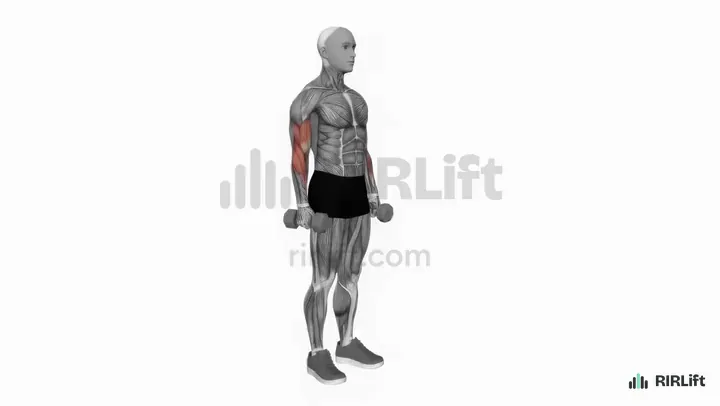
- Hammer Curl Biceps, Forearms
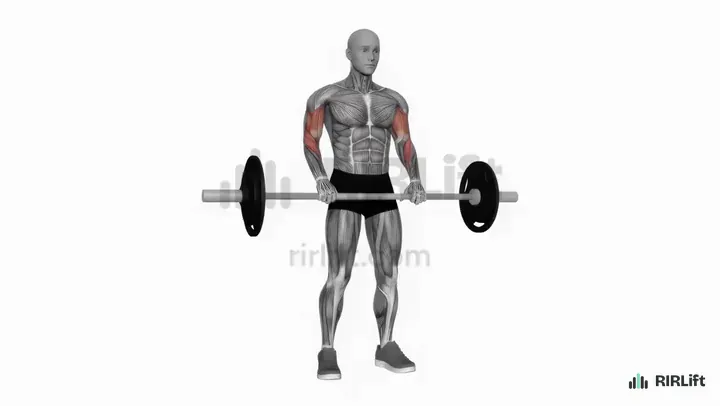
- Reverse Curl Biceps, Forearms
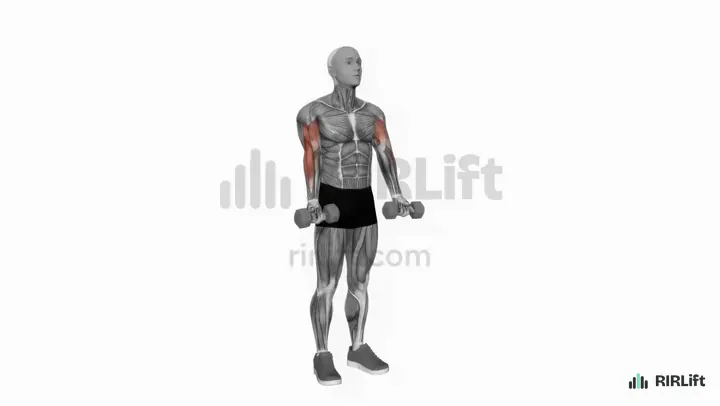
- Zottman Curl Biceps, Forearms
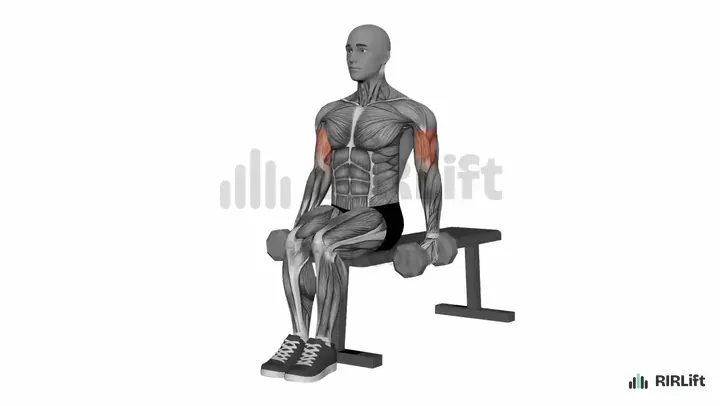
- Seated Dumbbell Hammer Curl Biceps
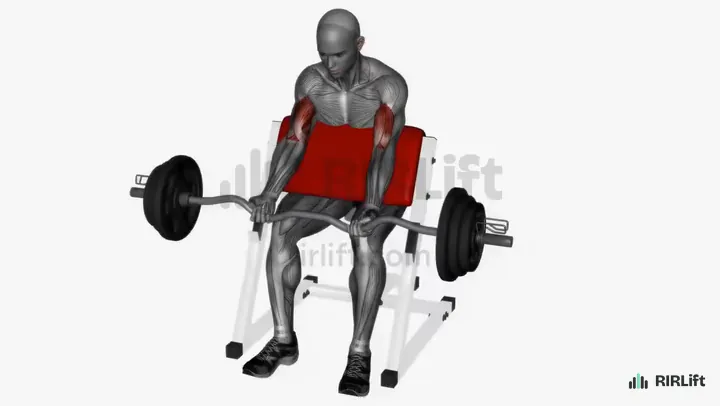
- Preacher Curl Biceps
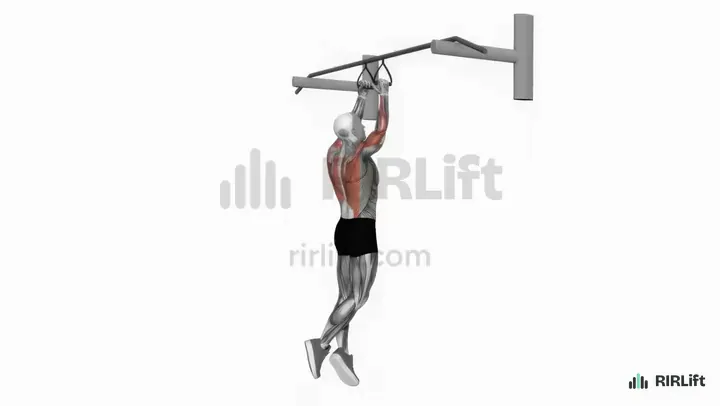
- Neutral-Grip Pull-Up Lats
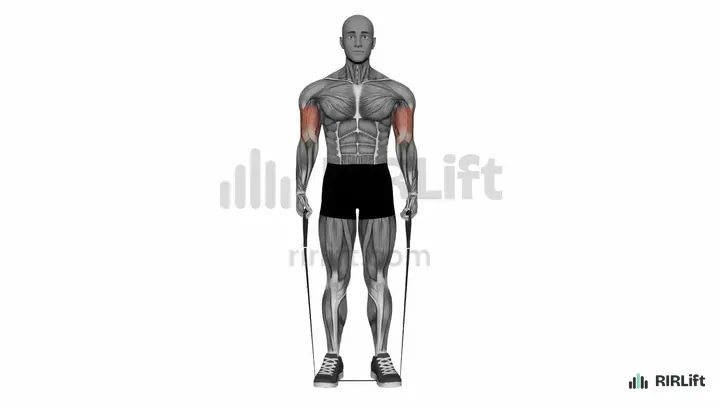
- Band Hammer Curl Biceps
Put them together: example sessions
Each session below picks from the exercises above for one situation, with the sets, reps, rest and RIR filled in.
-
Session 1
Your biceps have stalled and you train at a gym
You already curl and do pull-ups, but your upper arm looks flat from the side and the numbers on your regular curl have stopped moving.
2× a week · 15 sets a week · ~20 min
-
Session 2
Dumbbells and a band at home
You train at home with a pair of adjustable dumbbells and a band, and you want bigger arms without a pull-up bar or a cable machine.
2× a week · 16 sets a week · ~20 min
-
Session 3
Climbing, grappling or rowing on top of lifting
You climb, grapple or row several times a week and want stronger elbow flexors for pulling with your palms facing in or down, without wrecking your forearms for practice.
1× a week · 9 sets a week · ~30 min
Session 1
Your biceps have stalled and you train at a gym
- Workouts2× a week
- Working sets15 a week
- Per workout~20 min
- EquipmentPull-Up Bar, Dumbbells, EZ Bar, Preacher Bench +2
You already curl and do pull-ups, but your upper arm looks flat from the side and the numbers on your regular curl have stopped moving.
Two short arm blocks a week give the brachialis 12 direct sets plus 3 sets of neutral-grip pull-ups, 15 hard sets in all, which is enough to grow without crowding your back and chest work. Heavy grips come first while you are fresh, the strict and lighter work comes second.
| Exercise | Sets × reps | RIR | Rest |
|---|---|---|---|
| Neutral-Grip Pull-Up | 3 × 6–10 | 2 | 2:30 min |
| Hammer Curl1 warm-up set firstAlternate arms; count one rep per arm. | 3 × 8–12 | 1 | 90 s |
| Preacher Curl | 2 × 10–15 | 1 | 75 s |
| Exercise | Sets × reps | RIR | Rest |
|---|---|---|---|
| Reverse Curl1 warm-up set first | 3 × 8–12 | 1 | 90 s |
| Seated Dumbbell Hammer Curl | 2 × 10–12 | 1 | 75 s |
| Cable Twisting CurlPer arm. | 2 × 12–15 | 1 | 1 min |
- How to run it
- Add Session A to the end of your first pull or upper day of the week and Session B to the second, at least two days apart. Drop any regular curl you were doing on those days so the total arm volume stays similar.
- How to progress
- Double progression: once every set hits the top of the rep range with 1 rep in reserve, add the smallest weight step and work back up from the bottom of the range. For pull-ups, add reps first, then hang a small plate from a belt.
Session 2
Dumbbells and a band at home
- Workouts2× a week
- Working sets16 a week
- Per workout~20 min
- EquipmentDumbbells, Resistance Bands
You train at home with a pair of adjustable dumbbells and a band, and you want bigger arms without a pull-up bar or a cable machine.
Without heavy pulls, the curls carry all the load, so each session gets 8 direct sets, 16 a week. That is the top of the useful range for one small muscle, so the band sets stay at the end where they cost little recovery.
| Exercise | Sets × reps | RIR | Rest |
|---|---|---|---|
| Hammer Curl1 warm-up set firstAlternate arms; count one rep per arm. | 4 × 8–12 | 1 | 90 s |
| Zottman Curl | 2 × 8–10 | 2 | 75 s |
| Band Hammer Curl | 2 × 15–20 | 1 | 1 min |
| Exercise | Sets × reps | RIR | Rest |
|---|---|---|---|
| Zottman Curl1 warm-up set firstLower over 3 seconds. | 3 × 8–10 | 2 | 90 s |
| Seated Dumbbell Hammer Curl | 3 × 10–12 | 1 | 75 s |
| Band Hammer Curl | 2 × 15–20 | 1 | 1 min |
- How to run it
- Two arm sessions a week, for example Monday and Thursday, either on their own in 20 minutes or after your other home work. Leave at least two days between them.
- How to progress
- Add reps until every set reaches the top of the range with 1 to 2 reps in reserve, then move to the next dumbbell. With adjustable dumbbells that jump 2.5 kg or 5 lb, expect to sit at the bottom of the range for a week or two after each jump. For the band, use a heavier band or stand on it with a wider stance.
Session 3
Climbing, grappling or rowing on top of lifting
- Workouts1× a week
- Working sets9 a week
- Per workout~30 min
- EquipmentLat Pulldown, Barbells, Dumbbells
You climb, grapple or row several times a week and want stronger elbow flexors for pulling with your palms facing in or down, without wrecking your forearms for practice.
Your sport already gives your elbow flexors and grip a lot of work, so one session with 9 hard sets is enough to build strength. Heavy, low-rep pulls and an overhand curl match how you pull in your sport, and stopping 2 reps short keeps your forearms fresh for practice.
| Exercise | Sets × reps | RIR | Rest |
|---|---|---|---|
| V-Bar Lat Pulldown2 warm-up sets first | 4 × 5–8 | 2 | 2:30 min |
| Reverse Curl | 3 × 6–10 | 2 | 2 min |
| Hammer CurlAlternate arms; count one rep per arm. | 2 × 8–10 | 2 | 90 s |
- How to run it
- Once a week, on a rest day from your sport or at least 48 hours before your hardest session. Skip the reverse curl in a week when your forearms are already sore from practice.
- How to progress
- Add a rep per set each week on the pulldown or pull-up until you hit the top of the range at 2 reps in reserve, then add weight. Keep the reverse curl at the same rep target and add weight only when all three sets feel the same.
Make it fit you
-
Wrists hurt on reverse curls
Swap the straight bar for Zottman curls, which only use the palms-down grip on the way down, or use hammer curls for every brachialis set. Lighter and slower also helps more than a wrist wrap.
-
Elbow flexors already sore from back day
Rows and pull-ups bend the elbow too. Put the brachialis work at the end of the back session rather than on the day after it, so the muscle gets a full recovery day before the next session.
-
Only one arm session a week
Keep it to 6 to 8 sets: one neutral-grip curl, one palms-down curl, and one heavy neutral-grip pull. Push the curls to 1 rep in reserve, since one weekly session has to do all the work.
-
Pairing with biceps work
Keep your regular curls, just cut them to make room. Two sets of a palms-up curl plus the brachialis plan covers both muscles without doubling arm volume.
-
Logging reps in reserve
Small arm muscles stall fast when every set goes to failure. Log how many reps you had left on each set, and RIRLift sets the next session's weight from that number, so the jumps come when you are ready for them.
Questions
What is the best exercise for the brachialis?
The hammer curl. Palms facing in shifts more work onto the brachialis than a regular curl, you can load it heavy, and you only need dumbbells. The reverse curl comes second; it hits the brachialis even harder but you will use less weight.
Does the brachialis make your arms look bigger?
Yes. It sits under the biceps on the outer side of the upper arm, so a bigger brachialis pushes the biceps up and fills the gap between the biceps and triceps when your arm is seen from the side.
How many sets a week does the brachialis need?
About 9 to 16 hard sets of direct work a week, across one or two sessions, is enough for most lifters, on top of the rows and pull-ups you already do. Past that, extra sets mostly tire your forearms and elbows.
Can I train the brachialis at home?
Yes. Hammer curls, Zottman curls and band hammer curls cover it with a pair of dumbbells and a band. A pull-up bar with parallel handles adds the heavy pulling option.
Is the brachialis worked by regular curls?
It works in every curl, because it bends the elbow whatever your grip. Turning your palm in or down just makes it do a bigger share of the work, which is why the hammer and reverse curls are the go-to choices for it.
What is the 7-7-7 bicep exercise?
It is 21s: 7 reps in the bottom half of a curl, 7 in the top half and 7 full reps in one set. You can do it with hammer curls to bias the brachialis, but tracking normal sets with a rep target is easier to progress.
Related templates
-
Bicep exercises for strength: heavy curls, chin-ups and the curls that build size
Palms-up curls and heavy chin-ups to pair with the brachialis work here.
-
Exercises for bigger forearms: wrist curls, reverse curls and grip work
Wrist and grip work for the muscles that share the hammer and reverse curl with the brachialis.
-
Exercises for bigger arms: triceps, biceps and the brachialis
A full arm plan when the brachialis is one part of the goal.
-
Dumbbell bicep exercises: curls for the stretch, the squeeze and arm thickness
More dumbbell curl variations for a home or gym arm day.
-
The double progression method
How to add reps and then weight on small arm exercises.