
Exercises for core strength, from first dead bug to ab wheel
Published October 29, 2026
The best exercises for core strength are the dead bug, plank and side plank to start, the superman and back extension for the back of your trunk, the Pallof press and cable woodchop for rotation, the ab wheel rollout and hanging knee raise once the basics are easy, and the suitcase carry and Turkish get-up to use your core standing under load. Train your core 2 to 3 times a week with 2 to 3 sets per exercise, and move up a level when the top of the rep or time range feels easy.
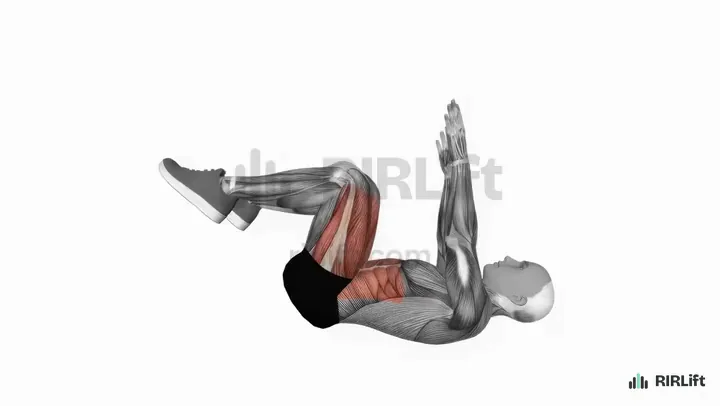
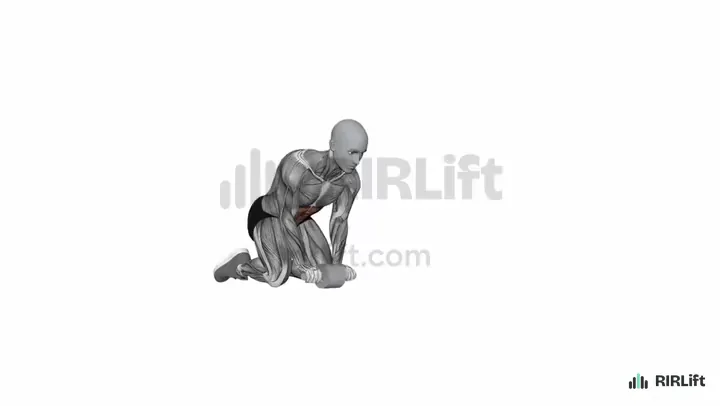
- Dead Bug Abs
- Plank Abs
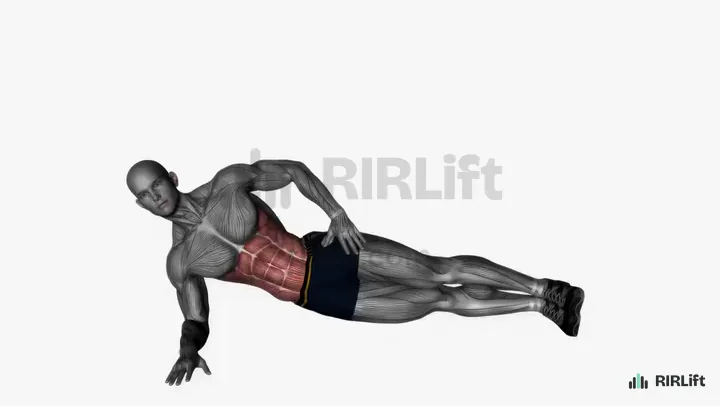
- Side Plank Abs
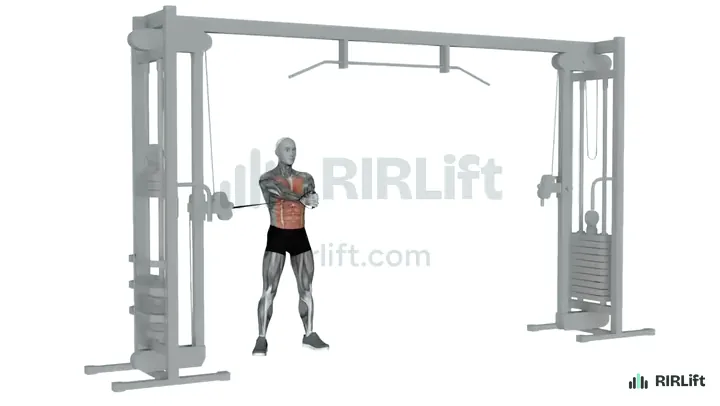
- Pallof Press Abs
- Ab Wheel Rollout Abs
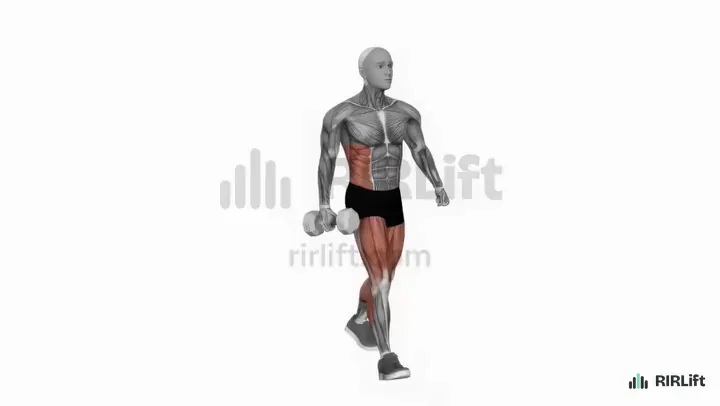
- Dumbbell Suitcase Carry Abs, Quads
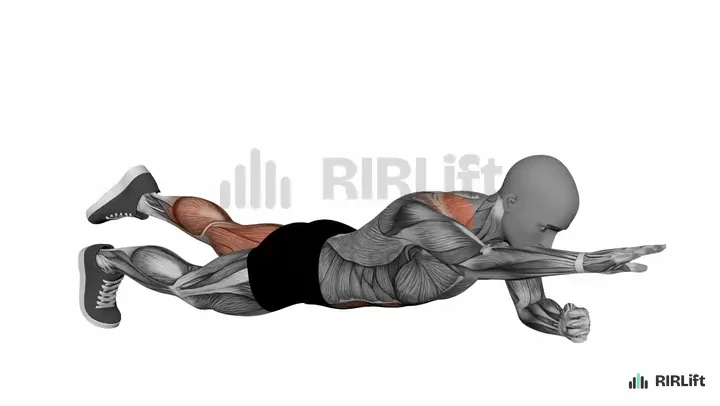
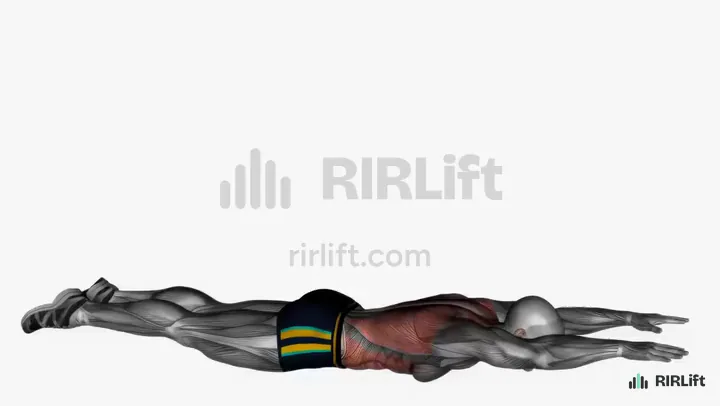
- Superman Lower Back
Put them together: example sessions
Each session below picks from the exercises above for one situation, with the sets, reps, rest and RIR filled in.
-
Session 1
Building core strength from scratch at home
Your core feels weak, a plank is hard for 20 seconds, and you want a routine you can do on the floor at home.
3× a week · 30 sets a week · ~20 min
-
Session 2
Two harder core sessions in the gym
You lift regularly, the basics are easy, and you want core strength that holds up under heavy squats, deadlifts and presses.
2× a week · 16 sets a week · ~20 min
-
Session 3
Over 60, for standing, carrying and balance
You are over 60, or simply want a core that helps you get up from the floor, carry groceries and stay steady on your feet, and you have a dumbbell and a band or cable.
2× a week · 20 sets a week · ~25 min
Session 1
Building core strength from scratch at home
- Workouts3× a week
- Working sets30 a week
- Per workout~20 min
- EquipmentBodyweight
Your core feels weak, a plank is hard for 20 seconds, and you want a routine you can do on the floor at home.
Five foundation exercises for 2 sets each give 10 sets in about 15 minutes. Three sessions a week give you enough practice to move up a level within a month or two.
| Exercise | Sets × reps | RIR | Rest |
|---|---|---|---|
| Dead BugPer side. 3 s per reach. | 2 × 6–10 | 2 | 1 min |
| PlankSeconds per hold. | 2 × 15–45 | 2 | 1 min |
| Side PlankSeconds per side. Knees down to start. | 2 × 10–30 | 2 | 1 min |
| Superman1 s hold at the top. | 2 × 8–12 | 2 | 1 min |
| Bear CrawlSteps forward, then back. | 2 × 10–20 | 2 | 1 min |
- How to run it
- Do the routine three times a week on non-consecutive days, on its own or after a walk. Move slowly on the dead bug and superman; slow reps train more than fast ones.
- How to progress
- Add reps or seconds until you reach the top of every range with 2 reps or a few seconds still in reserve. Then move up: full side plank instead of knees down, longer holds on the plank, and longer bear crawls.
Session 2
Two harder core sessions in the gym
- Workouts2× a week
- Working sets16 a week
- Per workout~20 min
- EquipmentAb Wheel, Adjustable Cable, Hyperextension, Pull-Up Bar +1
You lift regularly, the basics are easy, and you want core strength that holds up under heavy squats, deadlifts and presses.
Each session pairs one hard front-core exercise with one rotation exercise and one loaded or back exercise, 8 sets each, 16 a week. That is enough to keep progressing without tiring your trunk before your main lifts.
| Exercise | Sets × reps | RIR | Rest |
|---|---|---|---|
| Ab Wheel Rollout | 3 × 6–10 | 2 | 90 s |
| Pallof PressPer side, 2 s hold. | 3 × 8–12 | 2 | 1 min |
| Back Extension | 2 × 10–15 | 2 | 1 min |
| Exercise | Sets × reps | RIR | Rest |
|---|---|---|---|
| Hanging Knee Raise | 3 × 8–12 | 1 | 90 s |
| Cable WoodchopPer side. | 2 × 8–12 | 2 | 1 min |
| Dumbbell Suitcase CarrySteps per hand. | 3 × 20–40 | 2 | 90 s |
- How to run it
- Do Day A after your lower-body lifting and Day B after upper body. Keep 1 to 2 reps in reserve so your trunk is not wrecked for the next session.
- How to progress
- Add reps to the top of the range, then make it harder: longer rollouts, straight-leg hanging raises, one more plate on the cable, or 5 pounds more on the carry.
Session 3
Over 60, for standing, carrying and balance
- Workouts2× a week
- Working sets20 a week
- Per workout~25 min
- EquipmentDumbbells, Adjustable Cable, Kettlebells, Hyperextension
You are over 60, or simply want a core that helps you get up from the floor, carry groceries and stay steady on your feet, and you have a dumbbell and a band or cable.
Most of this plan is done standing or uses movements from daily life, so the strength shows up where you need it. Each session is 10 sets, about 20 minutes, twice a week.
| Exercise | Sets × reps | RIR | Rest |
|---|---|---|---|
| Dead BugPer side. | 2 × 6–10 | 3 | 1 min |
| Dumbbell Suitcase CarrySteps per hand. | 3 × 20–30 | 3 | 90 s |
| Pallof PressPer side, 2 s hold. | 3 × 8–12 | 3 | 1 min |
| Superman | 2 × 6–10 | 2 | 1 min |
| Exercise | Sets × reps | RIR | Rest |
|---|---|---|---|
| Kettlebell Turkish Get-UpPer side. No weight to start. | 3 × 2–3 | 3 | 90 s |
| Side PlankSeconds per side. Knees down is fine. | 2 × 10–30 | 2 | 1 min |
| Dumbbell Suitcase CarrySteps per hand. | 3 × 20–30 | 2 | 90 s |
| Back Extension | 2 × 8–12 | 2 | 1 min |
- How to run it
- Put a rest day or more between Session 1 and Session 2. Keep 2 to 3 reps in reserve on every set. On the get-up, practice only the first steps, to your elbow and hand, until they feel steady.
- How to progress
- Add reps or steps first. When every set reaches the top of the range, add a heavier dumbbell on the carry, step further from the anchor on the Pallof press, or take the get-up one stage further.
Make it fit you
-
Your lower back aches during ab work
That usually means your lower back is arching. Shorten the exercise: smaller reaches on the dead bug, knees down on the plank, shorter rollouts. Keep your ribs pulled toward your hips the whole set.
-
Core work on lifting days
Do it at the end of the session. Your core braces every squat, deadlift and press, and tiring it first makes those lifts harder.
-
No cable machine
Anchor a long band at chest height for the Pallof press and woodchop. A doorframe anchor works; set it on the hinge side of a closed door.
-
Record what you hold and lift
Log reps, seconds and the reps you had left in RIRLift. Seeing the same numbers for three weeks is the sign to move to the next level of an exercise.
Questions
What are the top 3 core exercises?
The dead bug, the side plank and the Pallof press. Together they train your trunk to resist arching, bending sideways and twisting, which covers most of what core strength means. Add carries once those are easy.
What are the signs of a weak core?
Losing your balance when you stand on one leg, leaning to one side when you carry a heavy bag, your lower back arching when you lift something overhead, and planks that end in under 20 seconds with your hips sagging.
How do seniors strengthen their core?
With slow, controlled exercises done 2 to 3 times a week: dead bugs, side planks on the knees, suitcase carries and band presses. Standing exercises that use the core during daily movements, like carrying and getting up from the floor, give the most useful strength.
How long does it take to build core strength?
Most people notice longer holds and steadier reps within 4 to 6 weeks of training the core 2 to 3 times a week. Moving from a 20-second plank to rollouts usually takes a few months.
Are crunches good for core strength?
Crunches train your abs to bend your spine, which is only one part of core strength. The exercises on this page train your trunk to stay still under load, which carries over more to lifting and daily life.
How often should I train my core?
Two to three times a week. Your core recovers like any other muscle, so hard sessions on back-to-back days add little.
Related templates
-
Isometric core exercises: planks, side holds and anti-rotation work
Every core hold, from the plank to the L-sit, with plans by level.
-
Core exercises for beginners: easy floor moves and simple machines
More first-month core exercises if you are starting from zero.
-
Core exercises at the gym: machines, cables, bars and free weights
Cable and machine core options for gym sessions.
-
How to brace your core
Using this core strength on your heavy lifts.