Exercises for powerlifting: the big three and what builds them

Powerlifting is built on the back squat, bench press and deadlift, so those three get most of your training. Around them, the best exercises are the box squat and front squat for the squat, the close-grip bench and Spoto press for the bench, sumo or conventional pulls, rack pulls and Romanian deadlifts for the deadlift, and rows, pulldowns, triceps pressdowns and ab wheel rollouts as accessories. Train the main lifts at 1 to 5 reps with 1 to 2 reps in reserve, and the variations a little lighter.

  1. Barbell Back Squat Quads, Glutes, Adductors
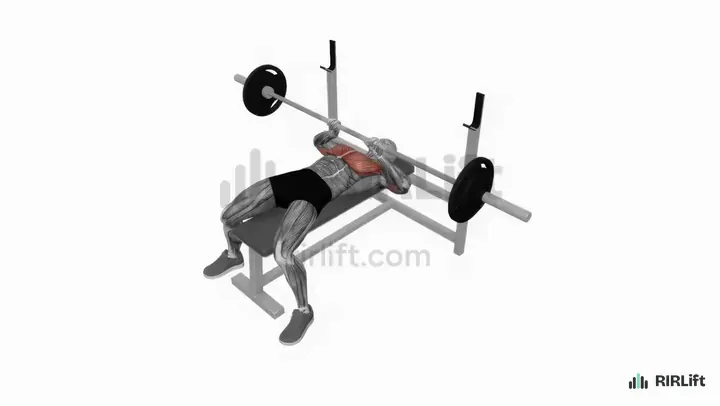
  2. Barbell Bench Press Chest
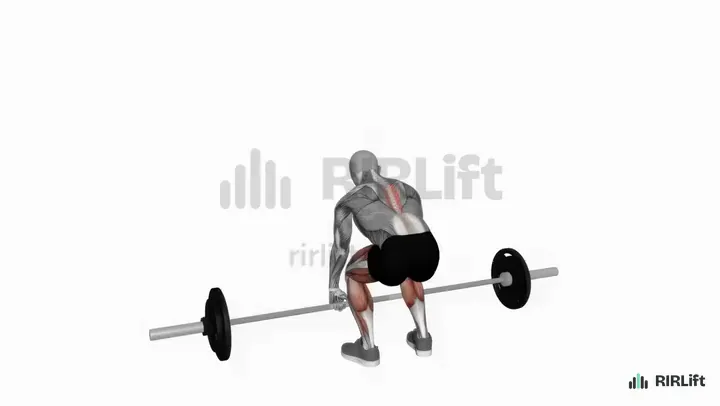
  3. Barbell Deadlift Glutes, Lower Back
  4. Box Squat Quads, Glutes, Adductors
  5. Close-Grip Bench Press Triceps, Chest
  6. Romanian Deadlift Hamstrings, Glutes
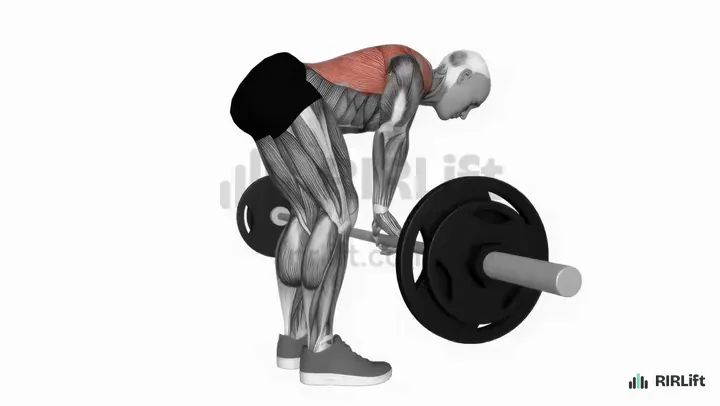
  7. Barbell Row Upper Back, Lats
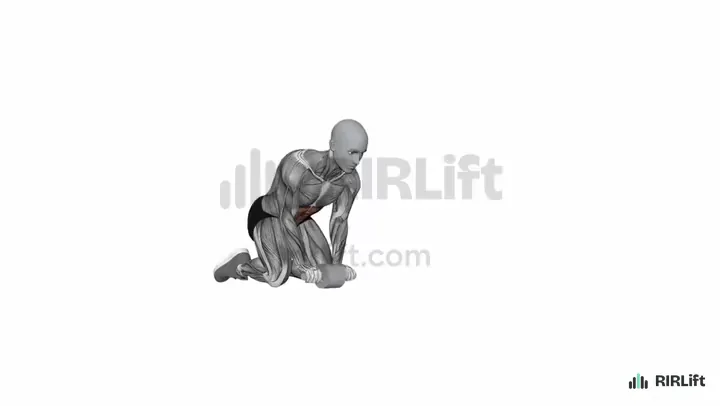
  8. Ab Wheel Rollout Abs

Squat and its variations

Train the competition squat heavy, then use one variation to fix how you miss: the box squat for depth and drive out of the hole, the front squat if your chest drops.

Competition squat

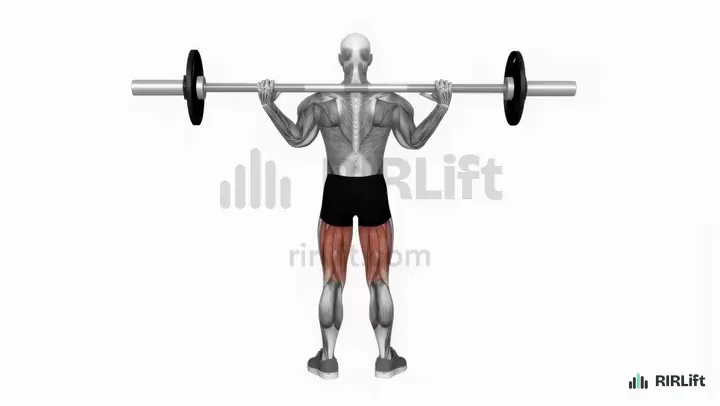
Barbell Back Squat

Quads, Glutes, Adductors

The squat is one of the three lifts you are judged on, so it gets trained heavy and often. Practice it the way a meet asks: hip crease below the top of the knee, a pause at the top, and the same setup on every rep.

How to do it

  1. Walk under the bar and set it on your upper back, gripping as narrow as your shoulders allow.
  2. Unrack, take two or three steps back, and set your stance.
  3. Brace hard and sit down until your hip crease passes below the knee.
  4. Drive up out of the hole and finish standing tall with knees locked.

Cues

  • Big breath, then descend
  • Hit depth every rep
  • Chest and hips rise together

Common mistakes

  • Squatting high on heavy sets: film a set from the side and match the depth a judge would pass.
  • Losing the brace at the bottom: reset the breath on every rep.

Swap for: Box Squat, Front Squat, Barbell Low-Bar Squat

Squat variation for depth and drive

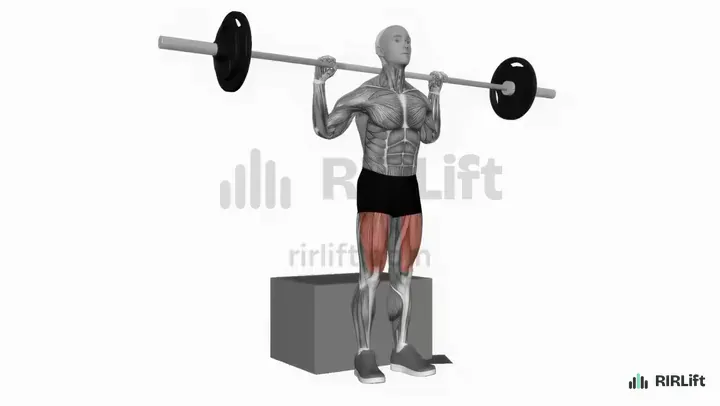
Box Squat

Quads, Glutes, Adductors

Sitting to a box set at competition depth teaches you where depth is and makes you start each rep from a dead stop, which builds drive out of the bottom.

How to do it

  1. Set a box so that sitting on it puts your hip crease just below the knee.
  2. Squat back and down until you touch the box lightly without relaxing.
  3. Keep the brace and your weight over the midfoot as you sit.
  4. Drive up off the box hard without rocking.

Cues

  • Touch, don't flop
  • Stay tight on the box
  • Explode up

Common mistakes

  • Dropping onto the box and relaxing: sit softly and stay braced.
  • Rocking back to build momentum: drive straight up.

Swap for: Barbell Back Squat, Front Squat, Goblet Squat

Build a session with Box Squat

Upright squat for quads and torso

Front Squat

Quads, Glutes, Adductors

Holding the bar in front forces an upright torso and loads the quads and upper back hard. Lifters whose chest drops in the squat use it to build exactly the muscles that keep it up.

How to do it

  1. Rest the bar on the front of your shoulders, fingertips under it and elbows high.
  2. Stand with feet about shoulder-width and brace.
  3. Squat straight down, keeping the elbows up and the chest tall.
  4. Drive up while pushing the elbows toward the ceiling.

Cues

  • Elbows high
  • Sit between the heels
  • Upper back tight

Common mistakes

  • Letting the elbows drop so the bar rolls forward: lighten it and keep elbows up.
  • Rising hips-first: lead with the chest.

Swap for: Box Squat, Goblet Squat, Hack Squat

Bench press and its variations

Pause the competition bench like a meet. Close-grip and Spoto presses add volume and work the parts of the press that fail first.

Competition bench press

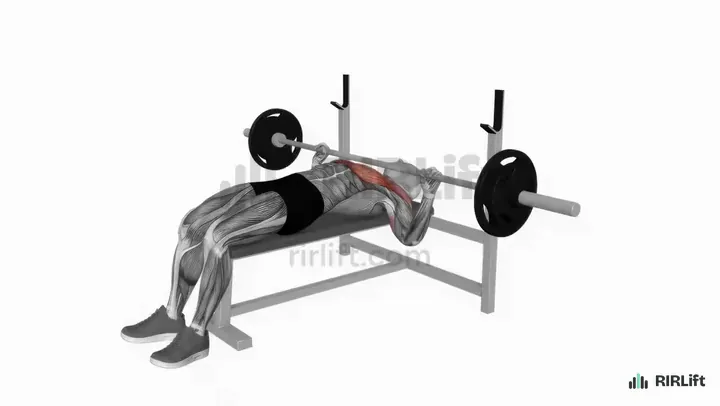
Barbell Bench Press

Chest

The bench is the second competition lift. Train it with a pause on the chest so you are ready for the press command, and with a consistent arch and leg drive.

How to do it

  1. Lie on the bench with eyes under the bar, pull your shoulder blades back, and plant your feet.
  2. Grip the bar evenly and unrack it to above your shoulders.
  3. Lower the bar to the lower chest and hold it still for a moment.
  4. Press up and slightly back until your elbows lock.

Cues

  • Shoulder blades pinned
  • Pause on the chest
  • Drive with the legs

Common mistakes

  • Bouncing the bar off the chest: pause every rep like a meet.
  • Losing the upper-back set as the bar goes up: keep the blades squeezed.

Swap for: Close-Grip Bench Press, Spoto Press, Flat Dumbbell Press

Triceps-heavy bench variation

Close-Grip Bench Press

Triceps, Chest

Bringing the hands in puts more work on the triceps, which finish the bench press. It is the standard fix for a bench that slows near lockout.

How to do it

  1. Set up as for the bench, but grip about shoulder-width.
  2. Lower the bar with elbows closer to your sides to the lower chest.
  3. Touch lightly and press back up.
  4. Lock out fully each rep.

Cues

  • Elbows tucked
  • Touch low on the chest
  • Lock out hard

Common mistakes

  • Gripping so narrow the wrists bend: keep hands at shoulder-width.
  • Flaring the elbows: keep them near your sides.

Swap for: Barbell Bench Press, JM Press, Cable Triceps Pressdown

Bench variation for control off the chest

Spoto Press

Chest

Stopping the bar an inch above the chest and holding it there trains tightness and bar path in the hardest part of the press.

How to do it

  1. Set up exactly like your competition bench.
  2. Lower the bar until it is about an inch above your chest.
  3. Hold it still there for a full second without touching.
  4. Press up from the stop.

Cues

  • Stop just short
  • Stay tight in the hold
  • Same path every rep

Common mistakes

  • Letting the bar sink to the chest: stop and hold above it.
  • Using too much weight to hold still: drop the load.

Swap for: Barbell Bench Press, Close-Grip Bench Press, Floor Press

Triceps volume for lockout

Cable Triceps Pressdown

Triceps

Pressdowns add triceps work with almost no fatigue to the shoulders or elbows, so you can do them on top of heavy benching.

How to do it

  1. Stand facing a high cable with a bar or rope attachment.
  2. Pin your elbows to your sides.
  3. Push the handle down until your arms are straight.
  4. Let it rise until the forearms pass parallel, then repeat.

Cues

  • Elbows still
  • Squeeze at the bottom
  • Control the way up

Common mistakes

  • Elbows drifting forward: keep them at your sides.
  • Leaning over the handle: stand tall.

Swap for: Overhead Cable Triceps Extension, Dumbbell Skullcrusher, Close-Grip Bench Press

Deadlift and its variations

Pull your competition stance heavy once a week. The other stance, rack pulls and Romanian deadlifts add pulling volume without the fatigue of more heavy deadlifts.

Competition deadlift

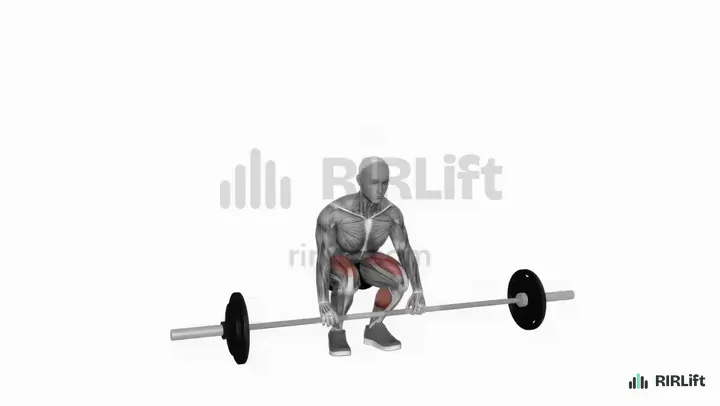
Barbell Deadlift

Glutes, Lower Back

The deadlift is the last lift of a meet and usually the heaviest. Conventional or sumo, it is trained with fewer total sets than the squat because it is the most tiring of the three.

How to do it

  1. Stand with the bar over your midfoot and grip just outside your legs.
  2. Push your hips back until your shins touch the bar and set your back flat.
  3. Pull the slack out of the bar, then push the floor away.
  4. Stand tall with the hips locked, then lower the bar under control.

Cues

  • Bar stays against the legs
  • Take the slack out first
  • Push the floor

Common mistakes

  • Jerking the bar off the floor: pull tension before you lift.
  • Hips shooting up first: keep the chest rising with them.

Swap for: Sumo Deadlift, Trap Bar Deadlift, Rack Pull

Wide-stance deadlift

Sumo Deadlift

Glutes, Hamstrings, Quads

Many lifters compete sumo because of their leverages. Even if you pull conventional, sumo trains the hips and adductors and lets you pull more often with less lower-back fatigue.

How to do it

  1. Take a wide stance with toes turned out and the bar over the midfoot.
  2. Grip the bar inside your knees with arms straight down.
  3. Push your knees out, drop the hips, and set your chest up.
  4. Push the floor apart and stand up, locking hips at the top.

Cues

  • Knees out over the toes
  • Chest up
  • Spread the floor

Common mistakes

  • Knees caving in off the floor: push them out before you pull.
  • Hips too high so it turns into a stiff-leg pull: sit in closer to the bar.

Swap for: Barbell Deadlift, Kettlebell Sumo Deadlift, Trap Bar Deadlift

Lockout strength for the deadlift

Rack Pull

Glutes, Lower Back, Traps

Pulling from pins at knee height overloads the top half of the deadlift, which helps lifters who get the bar off the floor and then stall.

How to do it

  1. Set the pins so the bar rests just below or at your knees.
  2. Grip as you would for the deadlift and set your back flat.
  3. Push through the floor and push the hips through to lock out.
  4. Lower the bar to the pins under control.

Cues

  • Hips through at the top
  • Lats tight
  • Don't lean back

Common mistakes

  • Hyperextending at lockout: finish standing straight.
  • Bouncing off the pins: settle the bar each rep.

Swap for: Barbell Deadlift, Romanian Deadlift, Good Morning

Build a session with Rack Pull

Hamstring and back accessory

Romanian Deadlift

Hamstrings, Glutes

The Romanian deadlift builds the hamstrings and back extensors that hold your position in both the squat and deadlift, with lighter weights than either.

How to do it

  1. Stand tall with the bar at your hips and a shoulder-width grip.
  2. Push your hips back and let the bar slide down your thighs, knees soft.
  3. Stop when the hamstrings are fully stretched, usually around mid-shin.
  4. Drive the hips forward to stand.

Cues

  • Hips back, not down
  • Bar on the legs
  • Flat back

Common mistakes

  • Squatting the weight down: keep the knee bend small.
  • Rounding to reach the floor: stop where the stretch ends.

Swap for: Stiff-Leg Deadlift, Dumbbell Romanian Deadlift, Good Morning

Back strength for the squat

Good Morning

Hamstrings, Glutes

A good morning loads the lower back and hamstrings with the bar in your squat position. It builds the strength to keep your chest from folding forward out of the hole.

How to do it

  1. Set the bar on your upper back as for a squat.
  2. Unlock your knees and push your hips back while the chest tips forward.
  3. Lower until your torso is close to parallel or your back starts to round.
  4. Drive the hips forward to stand.

Cues

  • Hips back
  • Brace like a squat
  • Stop before the back rounds

Common mistakes

  • Going too heavy too soon: this is a light accessory.
  • Bending the knees into a squat: keep them only slightly bent.

Swap for: Romanian Deadlift, Seated Good Morning, Back Extension

Upper back and trunk

Rows, pulldowns and the ab wheel are the accessories that make every competition lift steadier.

Upper back for bench and deadlift

Barbell Row

Upper Back, Lats

A strong upper back gives you a stable base to bench from and keeps the bar close in the deadlift. Rows are the main way powerlifters build it.

How to do it

  1. Hinge forward with the bar hanging at arm's length and your back flat.
  2. Grip a little wider than shoulder-width.
  3. Row the bar to your lower ribs, pinching the blades at the top.
  4. Lower under control to straight arms.

Cues

  • Torso stays still
  • Pull to the belly
  • Squeeze the back

Common mistakes

  • Standing up as you row: hold the hinge angle.
  • Yanking with the lower back: lighten the bar.

Swap for: Pendlay Row, Chest-Supported Row, One-Arm Dumbbell Row

Lats for a tight bench and deadlift

Lat Pulldown

Lats

Your lats keep the bar close in the deadlift and steady the bench. Pulldowns build them with no lower-back cost.

How to do it

  1. Sit with your thighs under the pad and grip the bar wider than your shoulders.
  2. Lean back slightly and pull the bar to your upper chest.
  3. Drive the elbows down to your sides.
  4. Let the bar rise to full stretch.

Cues

  • Elbows down and in
  • Chest up to the bar
  • Full stretch at the top

Common mistakes

  • Pulling behind the head: bring it to the front.
  • Leaning far back to swing it down: stay nearly upright.

Swap for: Pull-Up, Neutral-Grip Lat Pulldown, Single-Arm Lat Pulldown

Trunk strength for bracing

Ab Wheel Rollout

Abs

A strong front trunk helps you brace against heavy squats and deadlifts. The ab wheel trains it to resist arching under a long lever.

How to do it

  1. Kneel on a pad holding the ab wheel under your shoulders.
  2. Tuck your ribs down and squeeze your glutes.
  3. Roll forward as far as you can without your lower back arching.
  4. Pull the wheel back to your knees using the abs.

Cues

  • Ribs down
  • Glutes tight
  • Only go as far as you can control

Common mistakes

  • Letting the hips sag: shorten the roll.
  • Pulling back with hips first: lead with the abs.

Swap for: Plank, Dead Bug, Hanging Leg Raise

Put them together: example sessions

Each session below picks from the exercises above for one situation, with the sets, reps, rest and RIR filled in. Open one in the session builder to change a pick, price it from a recent set, and add it to RIRLift.

Session 1

First powerlifting program, three days

Open in the session builder
  • Workouts3× a week
  • Working sets34 a week
  • Per workout~40 min
  • EquipmentBarbells, Flat Bench, Ab Wheel, Lat Pulldown +1

You are new to the three lifts or have trained for less than a year and want to get strong at squat, bench and deadlift.

Each session has one squat, one bench and one pull, so you practice the lifts often while technique is still forming. Main lifts sit at 3 to 5 reps with 2 reps in reserve, and accessories at 8 to 12. That much effort is enough to add weight almost every week as a beginner, while the reserve keeps your form clean.

Day 1
ExerciseSets × repsRIRRest
Barbell Back Squat3 warm-up sets first 3 × 5 2 3 min
Barbell Bench Press3 warm-up sets firstPause on chest. 3 × 5 2 3 min
Barbell Row 3 × 8–10 2 90 s
Ab Wheel Rollout 2 × 6–10 2 1 min

Open Day 1 in the session builder

Day 2
ExerciseSets × repsRIRRest
Barbell Deadlift3 warm-up sets first 3 × 3–5 2 4 min
Close-Grip Bench Press 3 × 6–8 2 2 min
Lat Pulldown 3 × 8–12 2 90 s
Cable Triceps Pressdown 2 × 10–15 1 1 min

Open Day 2 in the session builder

Day 3
ExerciseSets × repsRIRRest
Box Squat2 warm-up sets first 3 × 5 2 3 min
Barbell Bench Press3 warm-up sets firstPause on chest. 3 × 5 2 3 min
Romanian Deadlift 3 × 8–10 2 2 min
Barbell Row 3 × 8–10 2 90 s

Open Day 3 in the session builder

How to run it
Lift three non-consecutive days a week. Warm up each main lift with a few lighter sets.
How to progress
When you hit every set of a main lift at the planned reps and 2 reps in reserve, add 5 lb to bench and 10 lb to squat and deadlift next session.

Session 2

Intermediate four-day upper/lower

Open in the session builder
  • Workouts4× a week
  • Working sets45 a week
  • Per workout~40 min
  • EquipmentBarbells, Ab Wheel, Flat Bench, Adjustable Cable +1

You've run a beginner program, progress has slowed to every few weeks, and you can train four days.

Splitting into two lower and two upper days gives you a heavy day and a volume day for each lift. The heavy days use 1 to 4 reps at 1 to 2 reps in reserve; the volume days use variations at 3 reps in reserve, so you add practice without adding much fatigue. Total sets stay moderate because the competition lifts themselves are where most of the work happens.

Heavy Lower
ExerciseSets × repsRIRRest
Barbell Back Squat3 warm-up sets first 4 × 2–4 1 4 min
Barbell Deadlift2 warm-up sets first 3 × 2–3 2 4 min
Good Morning 3 × 6–8 3 2 min
Ab Wheel Rollout 3 × 8–10 2 1 min

Open Heavy Lower in the session builder

Heavy Upper
ExerciseSets × repsRIRRest
Barbell Bench Press3 warm-up sets firstPause on chest. 5 × 2–4 1 4 min
Barbell Row 4 × 6–8 2 2 min
Cable Triceps Pressdown 3 × 10–15 1 1 min

Open Heavy Upper in the session builder

Volume Lower
ExerciseSets × repsRIRRest
Front Squat2 warm-up sets first 3 × 5–6 3 3 min
Sumo DeadliftOff-stance. 3 × 4–6 3 3 min
Romanian Deadlift 3 × 8–10 2 2 min

Open Volume Lower in the session builder

Volume Upper
ExerciseSets × repsRIRRest
Spoto Press 4 × 5–6 3 2:30 min
Close-Grip Bench Press 3 × 6–8 2 2 min
Lat Pulldown 4 × 8–12 2 90 s

Open Volume Upper in the session builder

How to run it
Lower and upper on Monday and Tuesday, rest, then lower and upper on Thursday and Friday.
How to progress
Add 5 lb to a heavy-day lift when its top set hits the target reps at 1 RIR. Push variations by adding reps first.

Session 3

Peaking for a meet, final three weeks

Open in the session builder
  • Workouts3× a week
  • Working sets21 a week
  • Per workout~40 min
  • EquipmentBarbells, Flat Bench, Lat Pulldown

You have a meet in about three weeks and want to show up fresh and sharp.

Peaking trades volume for intensity. Sets fall to two or three, reps fall to 1 to 3, and the competition versions of each lift replace variations so you practice exactly what you'll do on the platform. Accessories shrink to rows and rack pulls for lockout, and the last week is light so fatigue drops while strength stays.

Squat Focus
ExerciseSets × repsRIRRest
Barbell Back Squat4 warm-up sets firstCommands: wait for squat and rack. 3 × 1–3 1 5 min
Barbell Bench Press3 warm-up sets firstPause on chest. 2 × 2–3 2 4 min
Barbell Row 2 × 6–8 3 2 min

Open Squat Focus in the session builder

Bench Focus
ExerciseSets × repsRIRRest
Barbell Bench Press4 warm-up sets firstWait for press command. 3 × 1–3 1 5 min
Box Squat 2 × 3 3 3 min
Lat Pulldown 2 × 8–10 3 90 s

Open Bench Focus in the session builder

Deadlift Focus
ExerciseSets × repsRIRRest
Barbell Deadlift4 warm-up sets firstCompetition stance. 3 × 1–2 1 5 min
Rack Pull 2 × 3 3 3 min
Barbell Bench Press 2 × 3 3 3 min

Open Deadlift Focus in the session builder

How to run it
Run the three sessions in the first two weeks of the peak, with at least a day between them. In the meet week, do only one light session early in the week.
How to progress
Work up to heavy singles at 1 RIR in week one and 1 to 2 RIR in week two. Don't test maxes in the gym; save them for the meet.

Make it fit you

Questions

undefined

undefined

undefined

undefined

undefined

undefined