
Deadlift: how to set up, pull and program the barbell deadlift
Published October 19, 2026
Stand with the bar over your midfoot, feet about hip-width apart. Hinge down and grip the bar just outside your shins, bring your shins to the bar, and pull your chest up until your back is flat. Take a big breath, brace, pull the slack out of the bar, then push the floor away and stand up with the bar dragging up your legs. Lower it the same way.
- WorksGlutes, Lower Back
- AlsoHamstrings, Quads, Adductors, Traps, Forearms
- EquipmentBarbells
- Start with3 × 3–5, 1 in reserve, 3:30 min rest
How to do the barbell deadlift
The deadlift loads more of your body at once than almost any lift: legs, hips, back, upper back and grip all have to work for the bar to leave the floor. It builds strength you can measure easily and carries over to picking heavy things up. One or two hard sets go a long way, so it usually leads the session it is in.
Steps
- Stand with your feet about hip-width apart and the bar over the middle of your feet, close to your shins.
- Hinge at the hips and bend your knees just enough to grip the bar with your hands right outside your legs.
- Bring your shins to the bar, lift your chest until your back is flat, and squeeze your armpits down as if bending the bar around your legs.
- Take a big breath into your belly, brace, and pull until the bar is tight against the plates without lifting it yet.
- Push the floor away with your legs and keep the bar against your body; once it passes your knees, drive your hips forward to stand tall.
- Lower by pushing your hips back first, then bend your knees once the bar passes them, and set it down under control.
Cues
- Bar over midfoot
- Pull the slack out first
- Push the floor away
Common mistakes
- Letting the bar drift away from your legs: it makes the lift much harder on your lower back, so keep the bar brushing your shins and thighs the whole way.
- Yanking the bar off the floor: build tension first by pulling the slack out, then push; jerking it loose is when backs round.
- Shooting the hips up first so it becomes a stiff-legged pull: keep your chest and hips rising together off the floor, and lighten the bar if you cannot.
- Leaning back hard at lockout: finish standing straight with glutes squeezed, not with your lower back bent backward.
Swap for: Trap Bar Deadlift, Sumo Deadlift, Romanian Deadlift
Muscles the barbell deadlift works
The deadlift works the glutes, hamstrings and the muscles along your spine hardest, with the quads helping to break the bar off the floor. Your lats keep the bar close, your upper back and traps hold your shoulders in place, and your forearms hold the grip. Your abs and the rest of your trunk brace to keep your back from bending under the load.
Sets, reps and reps in reserve for the barbell deadlift
| Goal | Sets × reps | RIR | Rest |
|---|---|---|---|
| Build strength | 3–5 × 3–5 | 2 | 3–4 min |
| Leave two reps in the tank; grinding deadlifts to failure costs more recovery than it earns. | |||
| Build muscle | 3 × 6–8 | 2 | 3 min |
| Keep reps under about 8 so your form holds through the set. | |||
| Learning the lift | 3 × 5 | 3 | 2–3 min |
| Use a light bar, reset the bar on the floor between reps, and add weight each session while every rep looks the same. | |||
Barbell deadlift variations
-
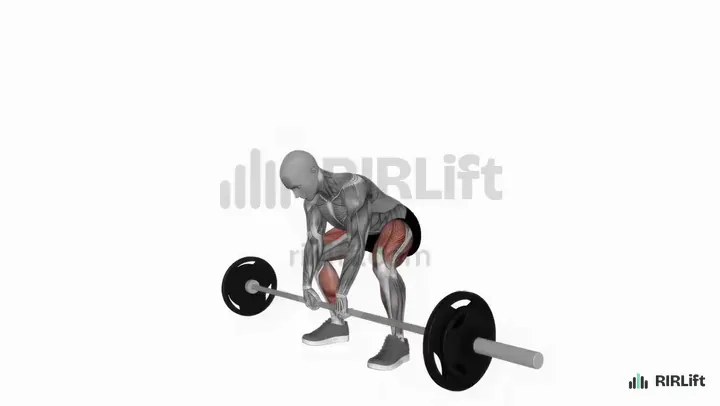
Sumo Deadlift
Take a wide stance with your hands inside your knees when your hips and build suit a more upright torso.
Build a session with it -
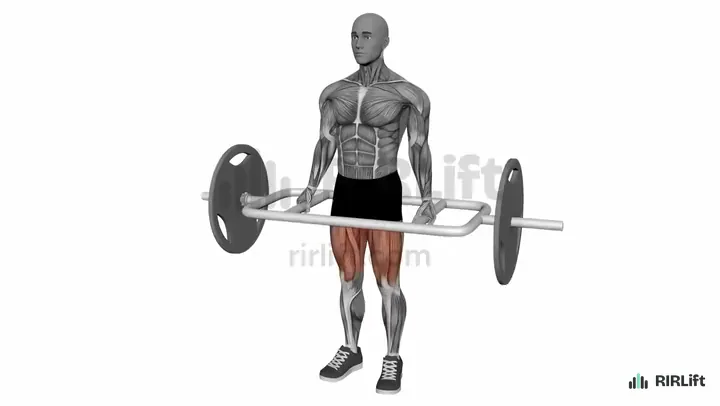
Trap Bar Deadlift
Stand inside a hex bar when you want the bar in line with your body and less stress on the lower back.
Build a session with it -
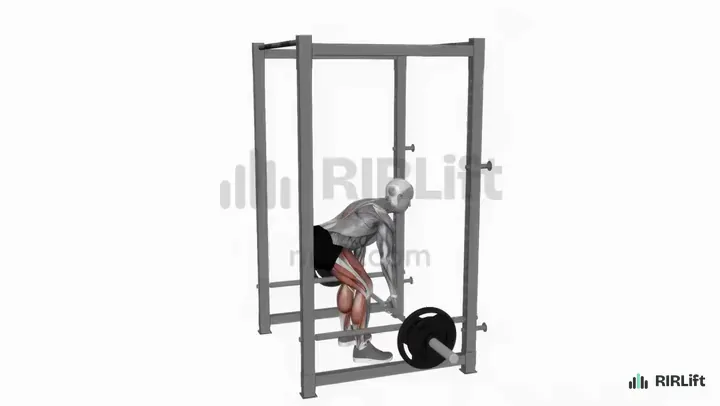
Rack Pull
Pull from pins at about knee height when you want to overload the top half of the lift.
Build a session with it -
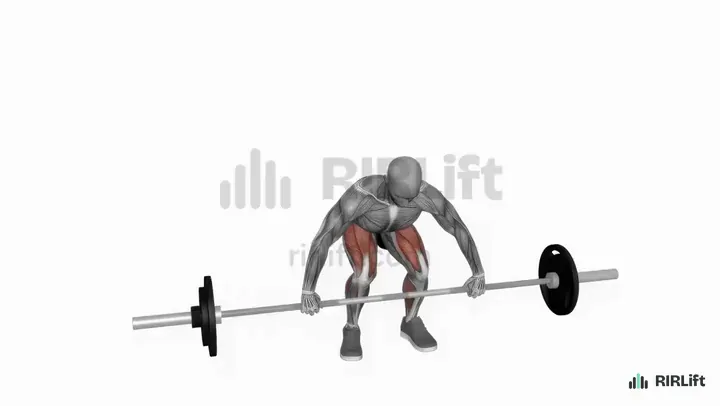
Snatch-Grip Deadlift
Grip the bar very wide when you want more upper-back work and a longer pull from the floor.
Build a session with it
Barbell deadlift alternatives
Hinges with less load
-
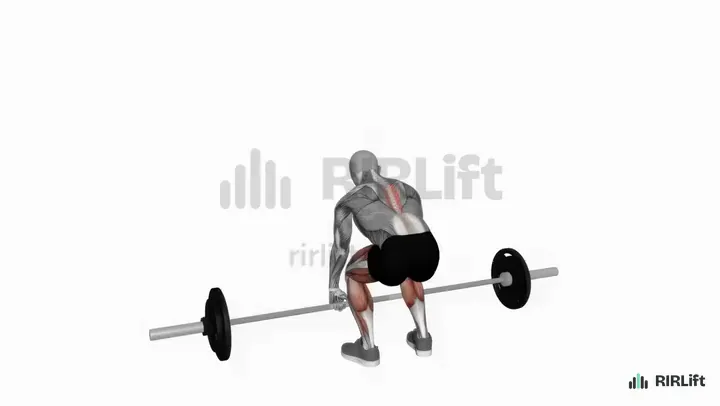
Romanian Deadlift
Start from standing and lower only to mid-shin when you want hamstring and glute growth with less fatigue.
Build a session with it -
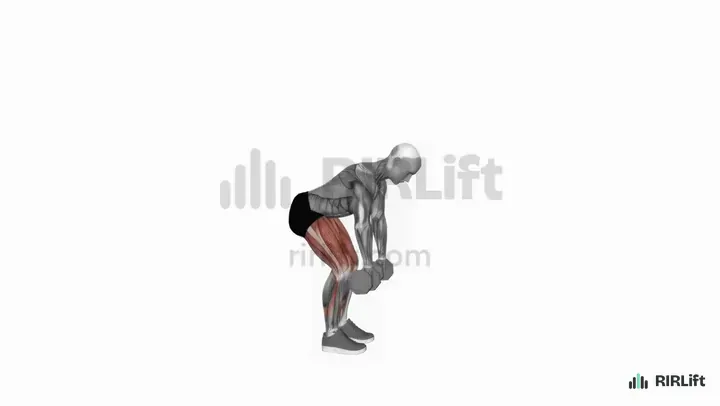
Dumbbell Romanian Deadlift
Hold dumbbells when you train at home or want an easier hinge to learn first.
Build a session with it
No barbell
-
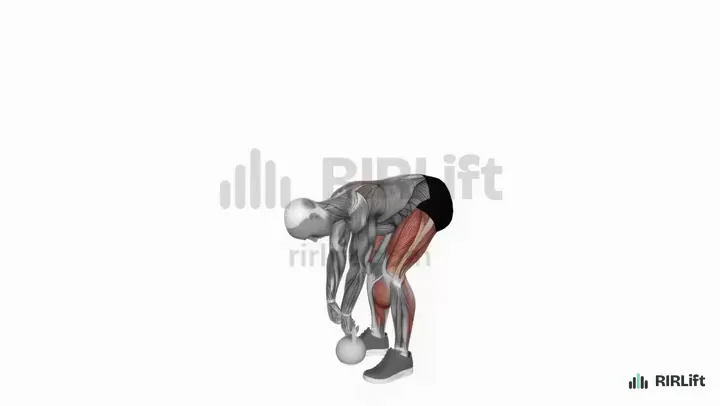
Kettlebell Deadlift
Pull a kettlebell from between your feet to learn the hip hinge with light weight.
Build a session with it
Glutes and lower back without the bar
-
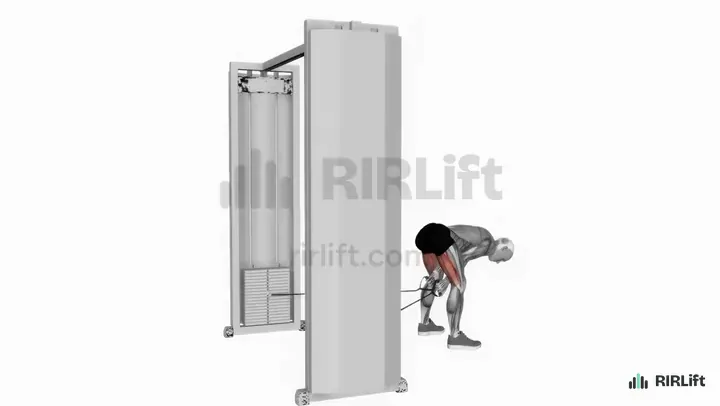
Cable Pull-Through
Pull a rope through your legs when you want to train the hip extension with no load on your spine.
Build a session with it -
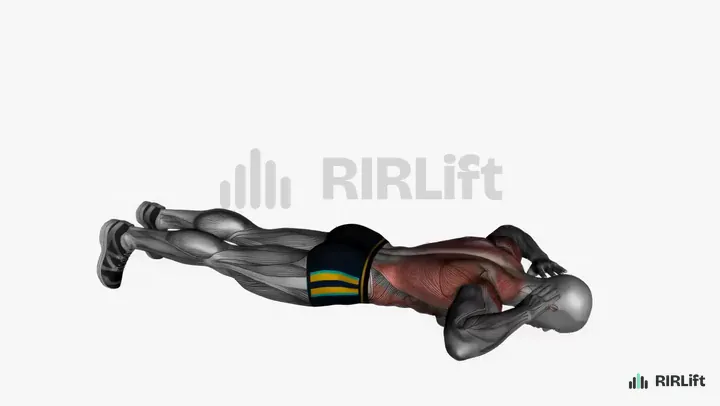
Back Extension
Use back extensions when you want to build the lower back and glutes in a lighter, controlled way.
Build a session with it
Stance, grip and setup
Feet go about hip-width apart, roughly where you would jump from, with toes pointed slightly out. The bar sits over the middle of your foot, which usually means about an inch from your shins.
Use a double overhand grip for as long as it holds. When it slips, use chalk or straps, or a mixed grip with one palm up and one down. Hands go just outside your legs, so your arms hang straight down and your thumbs are not hitting your thighs.
How to deadlift without hurting your back
Most back trouble from deadlifts comes from the same few habits: jerking the bar off the floor, letting it swing away from your legs, and grinding out reps after form has broken. Brace before every rep, keep the bar touching your legs, and end the set while every rep still looks like the first. Leaving two reps in reserve on working sets keeps you away from the reps where most people lose position.
Deadlift vs Romanian deadlift
A deadlift starts on the floor with your knees bent and finishes standing. A Romanian deadlift starts standing, keeps the knees soft and the bar off the floor, and lowers only as far as your hamstrings allow. The deadlift is the heavier strength lift; the RDL is easier to recover from and better for adding hamstring volume. Many programs use both in the same week.
Questions
What muscles does the deadlift work?
Mainly the glutes, hamstrings and spinal erectors, with the quads, lats, upper back, traps, forearms and abs all working to move and hold the bar.
How do you avoid injury when deadlifting?
Brace before each rep, keep the bar against your legs, pull the slack out instead of jerking the bar, and stop sets with about two reps in reserve.
Is the deadlift a functional movement?
Yes. It is the same pattern you use to pick anything heavy up from the floor, done with a load you can measure and increase.
Why do some bodybuilders avoid deadlifts?
Heavy deadlifts are tiring and hard to recover from, so some swap them for Romanian deadlifts, rows and leg curls that build the same muscles with less fatigue.
How often should you deadlift?
Once or twice a week is enough for most people. Heavy deadlifts more often than that tend to leave your lower back tired for squats and rows.
Should you touch and go or reset each rep?
Resetting the bar on the floor each rep is better while learning and for heavy sets, since each rep starts from the same position. Touch and go is fine for lighter sets if your back stays flat.
Related templates
-
Romanian deadlift: how to do it, and what to swap it for
The hinge from standing for hamstrings and glutes.
-
Sumo deadlift: how to do it, muscles worked and alternatives
The wide-stance version of the pull from the floor.
-
Trap bar deadlift: how to do it, which handles to use, and how it compares
A hex-bar version that is easier on the lower back.
-
RDL vs deadlift
How the two hinges differ and when to use each.
-
The best workout for back: width, thickness and traps
A full back session with a heavy pull in it.
-
How to use RIR
How to judge the reps you leave in reserve on every set.