
Exercises for side glutes: glute medius work for the gym and home
Published October 29, 2026
The best exercises for the side glutes (glute medius and minimus) move your thigh out to the side or hold your pelvis level on one leg. At the gym, use the hip abduction machine and the standing multi-hip abduction for load, plus single-leg RDLs and curtsy lunges. At home, use lateral band walks, banded seated abductions, clamshells and fire hydrants. Do 6 to 12 hard sets a week over two or three sessions, 12 to 20 reps on the abduction moves, and keep a heavy hip thrust in the week for the rest of the glutes.
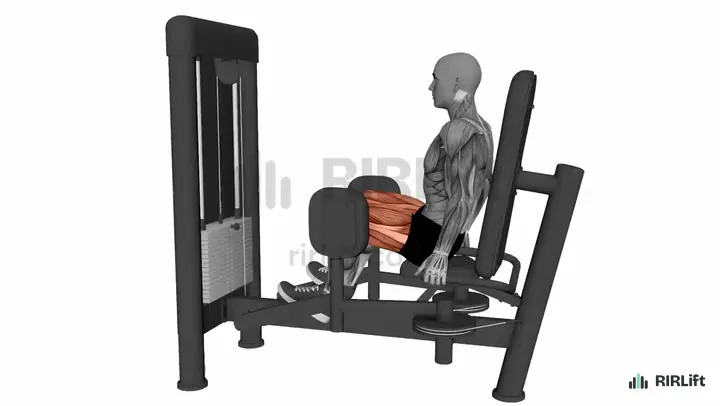
- Hip Abduction Machine Abductors
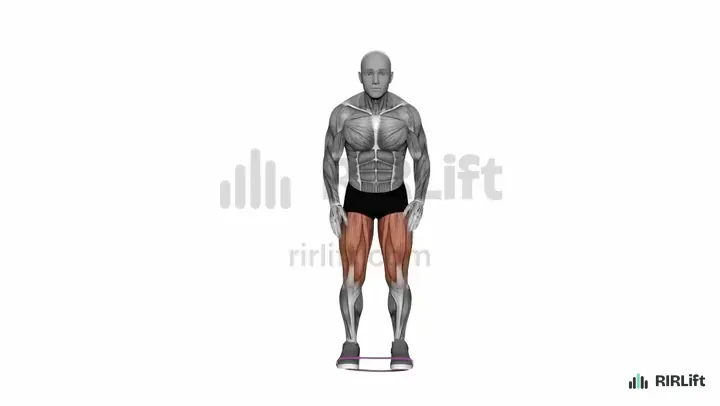
- Lateral Band Walk Abductors
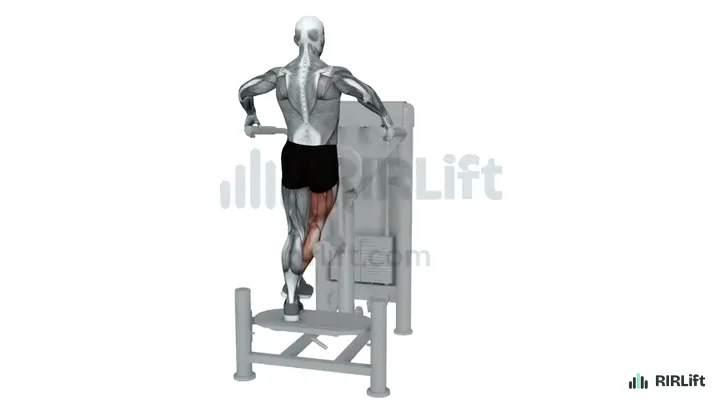
- Multi-Hip Abduction Abductors
- Single-Leg RDL Hamstrings, Glutes
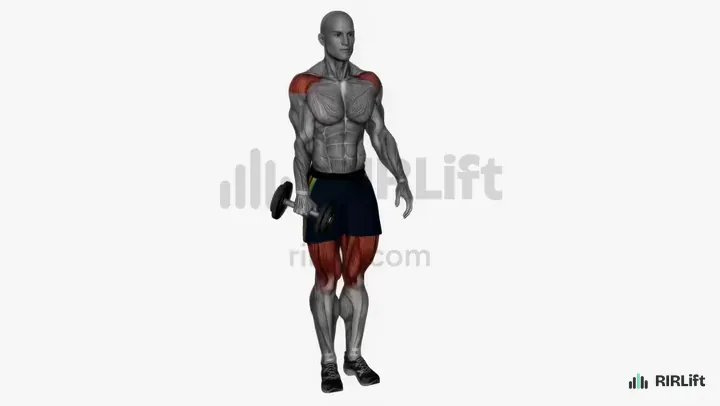
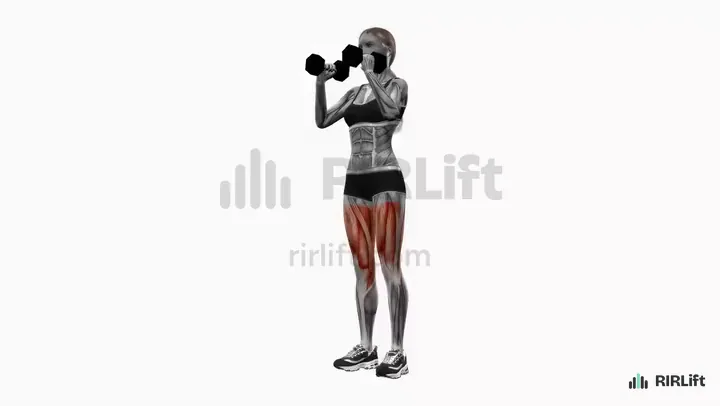
- Dumbbell Curtsy Lunge Quads, Glutes
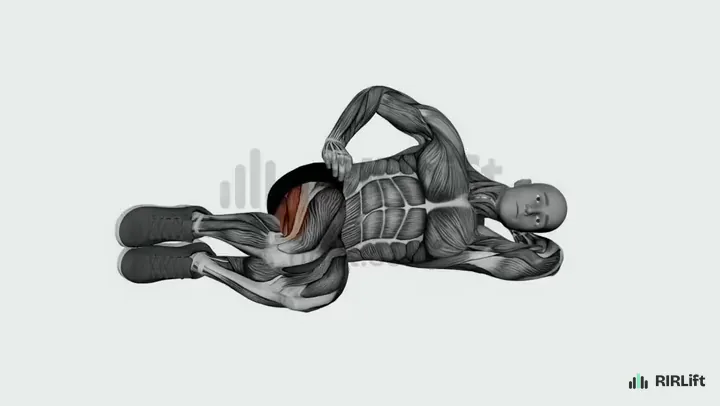
- Clamshell Abductors
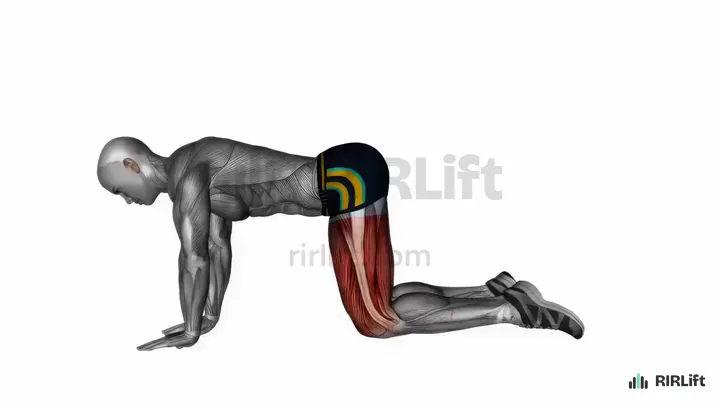
- Fire Hydrant Abductors
Put them together: example sessions
Each session below picks from the exercises above for one situation, with the sets, reps, rest and RIR filled in.
-
Session 1
Two glute days at the gym
You train lower body at a gym twice a week and want the upper, outer part of your glutes to catch up with the rest.
2× a week · 21 sets a week · ~30 min
-
Session 2
At home with a loop band and dumbbells
You train at home with a mini loop band and one or two pairs of dumbbells, and want rounder side glutes without a gym.
3× a week · 26 sets a week · ~20 min
-
Session 3
Runners and field-sport players
You run or play a field sport several days a week and want your hip to stay level and strong when you land on one leg.
2× a week · 18 sets a week · ~25 min
Session 1
Two glute days at the gym
- Workouts2× a week
- Working sets21 a week
- Per workout~30 min
- EquipmentBarbells, Flat Bench, Dumbbells, Hip Abductor
You train lower body at a gym twice a week and want the upper, outer part of your glutes to catch up with the rest.
Each day has one heavy glute lift, one single-leg lift and one or two abduction exercises, which comes to about 8 direct side glute sets a week plus the single-leg work. Heavy lifts go first, high-rep abduction last, where fatigue costs nothing.
| Exercise | Sets × reps | RIR | Rest |
|---|---|---|---|
| Hip Thrust2 warm-up sets first | 4 × 6–10 | 2 | 2:30 min |
| Single-Leg RDLPer leg. | 3 × 8–10 | 2 | 90 s |
| Hip Abduction MachineLean forward slightly. | 3 × 12–20 | 1 | 75 s |
| Exercise | Sets × reps | RIR | Rest |
|---|---|---|---|
| Dumbbell Curtsy Lunge1 warm-up set firstPer leg. | 3 × 8–12 | 2 | 90 s |
| Dumbbell Lateral LungePer leg. | 3 × 8–10 | 2 | 90 s |
| Multi-Hip AbductionPer leg. | 3 × 12–15 | 1 | 1 min |
| Hip Abduction Machine | 2 × 15–20 | 1 | 1 min |
- How to run it
- Do Day A and Day B with at least two days between them, for example Monday and Thursday. They can replace your current glute days or sit after your squats on leg days.
- How to progress
- Double progression on everything: once all sets reach the top of the range at the target reps in reserve, add weight and start again at the bottom. On the machines, go up one plate on the stack; on dumbbell lifts, the next dumbbell.
Session 2
At home with a loop band and dumbbells
- Workouts3× a week
- Working sets26 a week
- Per workout~20 min
- EquipmentDumbbells, Resistance Bands
You train at home with a mini loop band and one or two pairs of dumbbells, and want rounder side glutes without a gym.
Bands are light, so the side glute volume comes from more sessions and higher reps: about 6 abduction sets per session, three times a week. Each session also has one dumbbell lift so the glutes keep getting real load.
| Exercise | Sets × reps | RIR | Rest |
|---|---|---|---|
| Dumbbell Curtsy Lunge1 warm-up set firstPer leg. | 3 × 10–15 | 2 | 75 s |
| Band Seated Hip Abduction | 3 × 15–25 | 1 | 1 min |
| ClamshellPer leg. | 3 × 15–20 | 1 | 1 min |
| Exercise | Sets × reps | RIR | Rest |
|---|---|---|---|
| Single-Leg RDL1 warm-up set firstPer leg. | 3 × 10–12 | 2 | 75 s |
| Lateral Band WalkSteps each direction. | 3 × 12–20 | 1 | 1 min |
| Fire HydrantPer leg. | 3 × 12–20 | 1 | 1 min |
| Exercise | Sets × reps | RIR | Rest |
|---|---|---|---|
| Dumbbell Lateral Lunge1 warm-up set firstPer leg. | 3 × 10–12 | 2 | 75 s |
| Standing Side Leg RaisePer leg. | 3 × 15–20 | 1 | 1 min |
| Band Seated Hip Abduction | 2 × 20–25 | 1 | 1 min |
- How to run it
- Three short sessions a week, 20 to 25 minutes each, on non-consecutive days such as Monday, Wednesday and Friday. Rotate through the three routines in order.
- How to progress
- On band work, go up to a stiffer band once every set reaches 20 slow reps with 1 to 2 reps in reserve. On the dumbbell lifts, add reps to the top of the range, then use the heavier pair or slow the lowering to 3 seconds if you have nothing heavier.
Session 3
Runners and field-sport players
- Workouts2× a week
- Working sets18 a week
- Per workout~25 min
- EquipmentResistance Bands, Dumbbells, Hip Abductor
You run or play a field sport several days a week and want your hip to stay level and strong when you land on one leg.
Running already uses your legs a lot, so one or two lift days with about 9 sets each is plenty. The work is mostly on one leg, since that is how your sport loads the side glutes.
| Exercise | Sets × reps | RIR | Rest |
|---|---|---|---|
| Lateral Band WalkSteps each direction. | 2 × 12–15 | 3 | 1 min |
| Single-Leg RDL1 warm-up set firstPer leg. | 3 × 6–10 | 2 | 90 s |
| Dumbbell Lateral LungePer leg. | 2 × 8–10 | 2 | 90 s |
| Multi-Hip AbductionPer leg. | 2 × 10–15 | 2 | 1 min |
| Exercise | Sets × reps | RIR | Rest |
|---|---|---|---|
| Lateral Band WalkSteps each direction. | 2 × 12–15 | 3 | 1 min |
| Dumbbell Curtsy LungePer leg. | 3 × 8–10 | 2 | 90 s |
| ClamshellPer leg. | 2 × 15–20 | 2 | 1 min |
| Standing Side Leg RaisePer leg. No wall. | 2 × 12–15 | 2 | 1 min |
- How to run it
- Lift once or twice a week, on easy run days or after a short easy run, never the day before a long run, race or hard interval session. In race week, do the first session only, at 3 reps in reserve.
- How to progress
- Add reps to the top of the range, then use a heavier dumbbell. Keep the lateral band walk as the warm-up for every session, and move to a stiffer band when the steps stop feeling hard.
Make it fit you
-
You feel it in the front of the hip
That is usually the hip flexor taking over. Turn the toes slightly down on fire hydrants and side leg raises, lift only as high as you can without leaning, and slow the lowering. On the machine, lean your chest forward.
-
Only one glute day a week
Use Day A from the gym plan and add two sets of lateral band walks at the start. That keeps the heavy thrust, a single-leg lift and direct abduction in one session.
-
Balance limits the single-leg RDL
Rest the back toe on the floor like a kickstand, or hold a bench with your free hand. You still load the standing hip, and you can let go as you get steadier.
-
Side glutes look flat even when strong
Part of the shape at the side of the hips comes from where your pelvis and thigh bone sit, which training does not change. The muscle on top does grow, so judge progress by your abduction numbers and photos taken months apart.
-
Track the band work too
Log band sets with the band you used and the reps you had left. RIRLift sets the next session's target from the reps in reserve you log, which keeps the light exercises progressing instead of becoming filler.
Questions
What muscles are the side glutes?
The gluteus medius and gluteus minimus, which sit at the upper outer side of your hip under and beside the gluteus maximus. They move your thigh out to the side and keep your pelvis level when you stand on one leg.
Can I do side glute exercises every day?
Light band work like clamshells can be done most days, but it will grow faster with two or three harder sessions a week and a day or two of rest between them. Hard sets need recovery to turn into muscle.
How long does it take to grow your side glutes?
Strength usually goes up within 4 to 6 weeks. A visible change in shape takes about 3 months of steady training, longer if you are already well trained.
Will 20 squats a day make my bum bigger?
Not much. Bodyweight squats get easy fast and mostly work the quads. Loaded hip thrusts, lunges and abduction work with progressively more weight or reps do far more for the glutes, including the sides.
What is the best machine for side glutes?
The seated hip abduction machine. The standing multi-hip machine set to abduction is a close second and works one leg at a time.
How can I stretch my outer hip glutes?
Lie on your back, cross one ankle over the other knee, and pull the bottom leg toward your chest until you feel it in the outer hip of the crossed leg. Hold 30 seconds per side after your session.
Related templates
-
Hip dip exercises: building the glutes above and around the dip
The same muscles with a focus on the dip below the hip bone.
-
Hip abduction machine: how to use it and what it works
Setup and form for the main side glute machine.
-
Glute exercises at the gym: barbells, machines and cables
Whole-glute training for when side work is one part of the plan.
-
Resistance band glute exercises for loop bands and long bands
More band options for training glutes at home.
-
Progressive overload workout plan
How to keep adding load or reps week to week.