
Plyometric exercises: jumps, hops and throws for power and speed
Published October 29, 2026
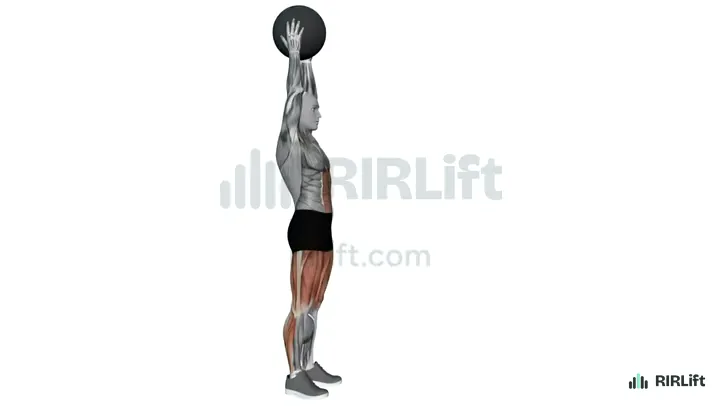
The best plyometric exercises are jump squats, box jumps and frog jumps for two-leg power; skater hops, lateral box jumps and single-leg jumps for speed and change of direction; and explosive push-ups, med ball chest throws and slams for the upper body. Beginners warm up with jump rope, then keep the main jumps to about 30 to 70 landings per session, twice a week, with 48 hours between sessions. Do 3 to 6 reps per set, rest a full minute or more, and stop the set when a rep gets slower or the landing gets louder.
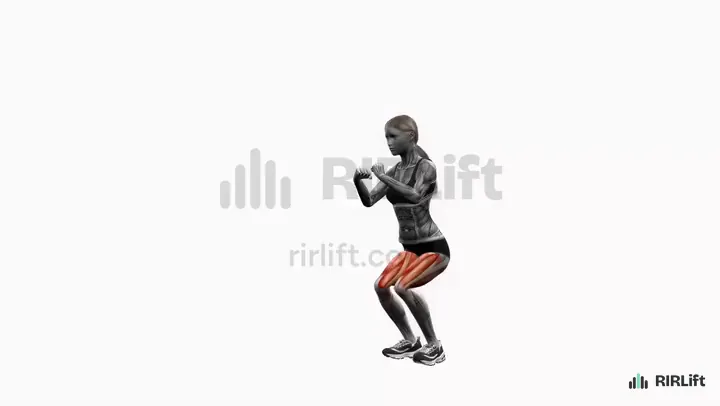
- Jump Squat Quads, Glutes
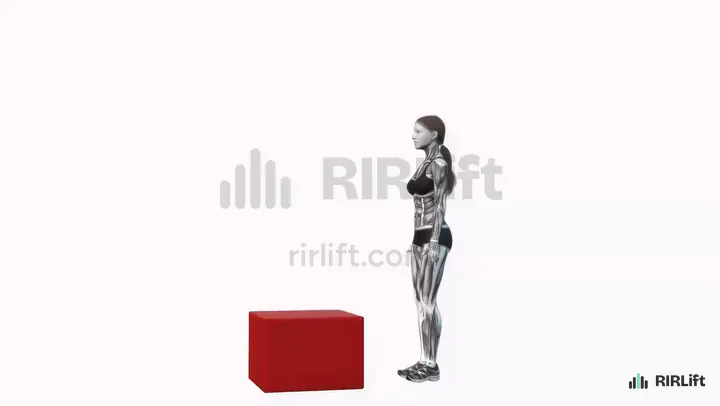
- Box Jump Quads, Glutes, Hamstrings
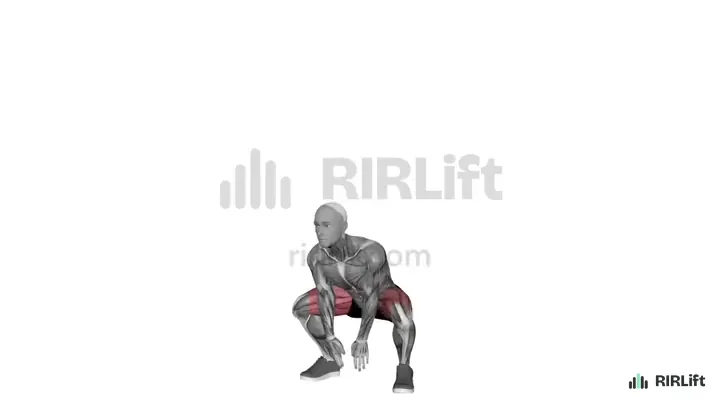
- Frog Jump Quads, Glutes, Calves
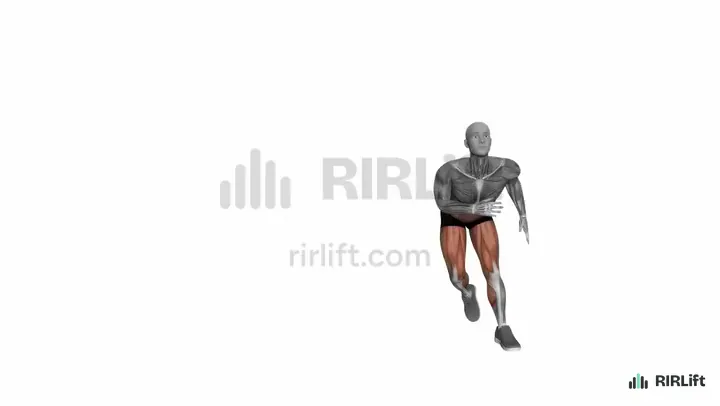
- Skater Hop Glutes, Quads, Abductors
- Single-Leg Jump Quads, Glutes, Calves
- Lateral Box Jump Quads, Glutes, Abductors
- Explosive Push-Up Chest
- Med Ball Chest Throw Abs
- Medicine Ball Slam Lats, Abs
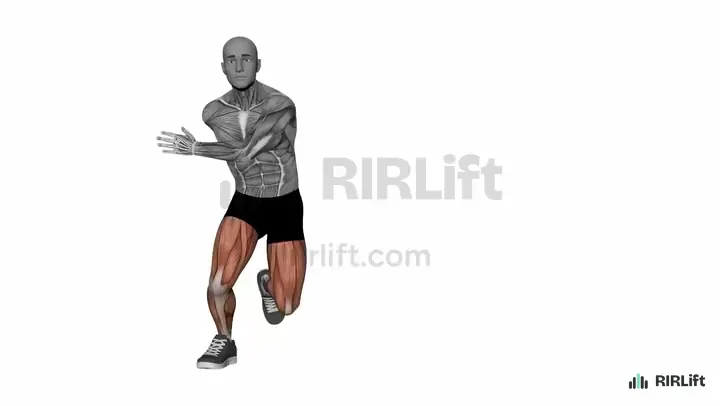
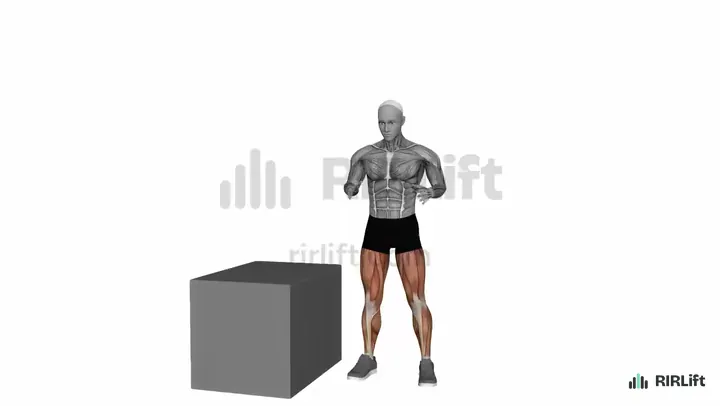
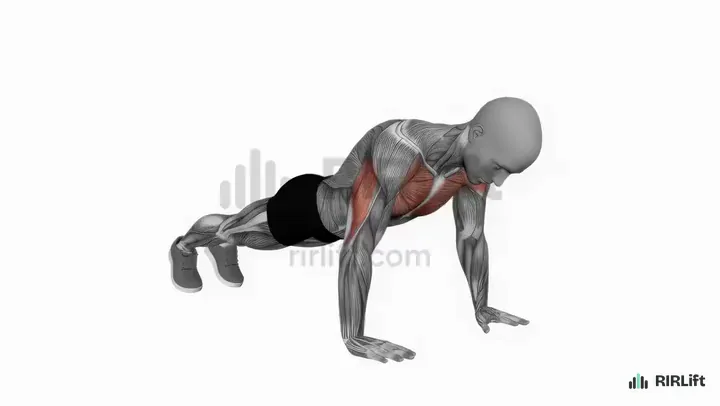
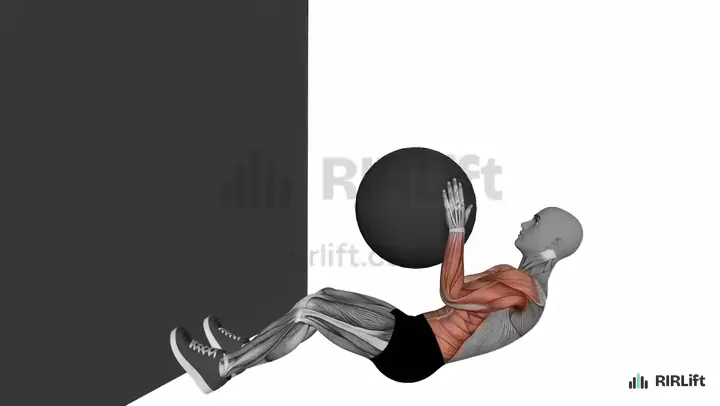
Put them together: example sessions
Each session below picks from the exercises above for one situation, with the sets, reps, rest and RIR filled in.
-
Session 1
First 6 weeks of plyometrics, two days a week
You lift or play recreationally, you have never trained jumps on purpose, and you want more spring without beat-up knees.
2× a week · 26 sets a week · ~30 min
-
Session 2
Athlete off-season: jump higher and sprint faster
You play a field or court sport, you already squat and deadlift, and you want a higher vertical and a quicker first step before the season.
2× a week · 30 sets a week · ~40 min
-
Session 3
At home, no box, 20 minutes
You train in a living room or garage with no box and no medicine ball and want the jumps to fit in 20 minutes.
2× a week · 28 sets a week · ~30 min
Session 1
First 6 weeks of plyometrics, two days a week
- Workouts2× a week
- Working sets26 a week
- Per workout~30 min
- EquipmentJump Rope, Plyo Box, Medicine Ball
You lift or play recreationally, you have never trained jumps on purpose, and you want more spring without beat-up knees.
After the rope or skipping warm-up, each day has about 25 to 35 jump landings plus throws, a low count that leaves room to learn the landing. Two days a week gives 48 hours or more to recover between jump sessions.
| Exercise | Sets × reps | RIR | Rest |
|---|---|---|---|
| Jump RopeSeconds per round. | 3 × 30–45 | 3 | 1 min |
| Jump Squat | 3 × 5 | 3 | 90 s |
| Box Jump | 3 × 4–5 | 3 | 90 s |
| Explosive Push-Up | 3 × 4–6 | 3 | 90 s |
| Medicine Ball Slam | 3 × 6–8 | 3 | 1 min |
| Exercise | Sets × reps | RIR | Rest |
|---|---|---|---|
| Skipping in PlaceSeconds per round. | 2 × 30–45 | 3 | 1 min |
| Frog Jump | 3 × 3–4 | 3 | 90 s |
| Skater HopPer side. | 3 × 4–6 | 3 | 90 s |
| Med Ball Chest Throw | 3 × 6–8 | 3 | 1 min |
- How to run it
- Do the session at the start of a workout, after a warm-up, on two non-consecutive days such as Monday and Thursday. Lift afterwards if you want, but not heavy legs on the same day for the first weeks.
- How to progress
- Keep reps the same and make each one better: higher, quieter landing. After 3 weeks, add 1 rep to each set. After 6 weeks, add a third set to the jumps and move to single-leg work. Weighted throws progress by ball weight once all reps are fast.
Session 2
Athlete off-season: jump higher and sprint faster
- Workouts2× a week
- Working sets30 a week
- Per workout~40 min
- EquipmentJump Rope, Plyo Box, Medicine Ball
You play a field or court sport, you already squat and deadlift, and you want a higher vertical and a quicker first step before the season.
Two days split vertical and horizontal-lateral jumps, about 40 to 60 high-intensity landings each, all of them taken fresh. Single-leg work gets as many sets as two-leg work because sprinting and cutting are one-leg tasks.
| Exercise | Sets × reps | RIR | Rest |
|---|---|---|---|
| Jump RopeSeconds per round. | 2 × 45–60 | 3 | 1 min |
| Box Jump | 4 × 3 | 3 | 2 min |
| Single-Leg Box JumpPer leg. | 3 × 3 | 3 | 90 s |
| Jump Squat | 3 × 4 | 3 | 90 s |
| Clap Push-Up | 3 × 4–5 | 3 | 90 s |
| Exercise | Sets × reps | RIR | Rest |
|---|---|---|---|
| Skipping in PlaceSeconds per round. | 2 × 30–45 | 3 | 1 min |
| Frog Jump | 4 × 3 | 3 | 2 min |
| Single-Leg JumpPer leg. | 3 × 4–5 | 3 | 90 s |
| Lateral Box JumpPer side. | 3 × 3 | 3 | 90 s |
| Med Ball Rotational ThrowPer side. | 3 × 5 | 3 | 90 s |
- How to run it
- Do these first in the session, before lifting, when you are fresh. Keep at least two days between them and away from your hardest conditioning days.
- How to progress
- Add height or distance before reps: a higher box, a longer frog jump. When every rep looks the same, add one set per jump. Cut the volume in half in the two weeks before the season starts.
Session 3
At home, no box, 20 minutes
- Workouts2× a week
- Working sets28 a week
- Per workout~30 min
- EquipmentJump Rope
You train in a living room or garage with no box and no medicine ball and want the jumps to fit in 20 minutes.
One short routine, twice a week, with about 60 to 70 landings after the rope. With no box to cut the landing height, every one of them comes down on the floor, so the surface matters and sets end as soon as landings get loud.
| Exercise | Sets × reps | RIR | Rest |
|---|---|---|---|
| Jump RopeSeconds per round. Jump in place without a rope if you have none. | 3 × 30–60 | 3 | 45 s |
| Jump Squat | 3 × 5–6 | 3 | 75 s |
| Skater HopPer side. | 3 × 5–6 | 3 | 75 s |
| Single-Leg JumpPer leg. | 2 × 4–5 | 3 | 75 s |
| Explosive Push-Up | 3 × 5–6 | 3 | 75 s |
- How to run it
- Twice a week on non-running or non-leg days. Use a mat, grass or a wood floor, never concrete, and wear shoes with some cushioning.
- How to progress
- Each week, add 1 rep to one exercise until every set reaches the top of its range, then add a set. Once single-leg jumps feel easy, jump a little farther each rep instead of adding reps.
Make it fit you
-
Count foot contacts, not sets
Every landing is one contact. Count the jumps, not the rope or skipping warm-up: about 30 to 70 per session while you learn, and 40 to 60 harder ones once you are trained. When a session runs long, cut contacts, not rest.
-
For runners
Keep to jump rope, skipping, single-leg jumps and skater hops, and do them on easy days or before a short run, never before speedwork. Ten to fifteen minutes is enough.
-
Heavier lifters
Start with box jumps and slams, which spare the landing, and add floor jumps after a few weeks. Two-leg jumps come well before single-leg ones.
-
Mixing jumps with lifting
Put jumps first, then lift. A set of 3 box jumps before a set of squats is a classic pairing for power. Log the lifts in RIRLift, which sets the next session's weight from the reps in reserve you record.
-
When to stop a set
Plyometrics are about speed, not fatigue. End the set when a jump is lower, a landing is louder, or the push-up hands barely leave the floor.
Questions
What are plyometric exercises?
Plyometric exercises are fast jumps, hops, bounds and throws where a muscle stretches and then contracts right away, like landing and jumping again. They train power and speed rather than maximum strength.
What plyometrics improve speed and agility?
Single-leg jumps, frog jumps and skater hops carry over best to sprinting and cutting because they push you forward and sideways off one leg. Lateral box jumps add a controlled side-to-side landing.
What are some examples of upper-body plyometrics?
Explosive and clap push-ups, medicine ball chest throws, slams and rotational throws. The ball versions let you release the weight at full speed.
How often should beginners do plyometrics?
One or two sessions a week with 48 to 72 hours between them. Start with 30 to 70 landings from low jumps and spend the first weeks on two-leg jumps and landings.
Can plyometrics help you lose belly fat?
They burn energy like any hard exercise, but no exercise burns fat from one spot. Fat comes off through overall loss, and plyometrics are better used for power than as a fat-loss tool.
Should I do plyometrics before or after lifting?
Before. Jumps need a fresh nervous system, and tired jumps are slower and land worse. Lift right after the jumps or on a separate day.
Related templates
-
Explosive exercises: jumps, cleans, swings, throws and sled pushes
Loaded power work like cleans and swings to pair with your jumps.
-
Exercises for vertical jump: squat strength, power lifts, jumps and ankles
A program built around jumping higher.
-
Exercises for speed: the gym work behind a faster sprint
Sprint-focused strength and plyometric picks.
-
How to warm up for plyometrics
What to do in the ten minutes before your first jump.
-
How to use reps in reserve (RIR)
Why these plans stop every set well short of fatigue.