
One-arm cable row: how to do it standing, seated or kneeling
Published October 19, 2026
A one-arm cable row is a row with a single handle on a cable: reach forward to stretch your back, then drive your elbow back toward your hip and squeeze your shoulder blade in. Keep your chest square to the stack so your back does the pulling instead of a twist, and finish one side before the other.
- WorksUpper Back, Lats
- AlsoBiceps
- EquipmentCable Row
- Start with3 × 8–12, 2 in reserve, 2 min rest
How to do the single-arm cable row
Working one arm lets your shoulder blade reach farther forward and pull farther back than a two-handle row, so you get a longer stretch and a harder squeeze. The cable keeps tension on the whole rep, and you can see and fix a side that lags.
Steps
- Set the pulley around chest to waist height with a single D-handle, take it in one hand and step back until the weight lifts off the stack.
- Stand in a short split stance with the opposite foot forward, knees soft, and lean your chest slightly forward with your back flat.
- Let the cable pull your arm long and your shoulder blade forward, without turning your chest toward the machine.
- Pull your elbow back close to your side toward your hip, bringing your shoulder blade back and down until your hand reaches your ribs.
- Pause briefly, then let the handle return slowly to a full stretch, and repeat all reps before switching sides.
Cues
- Elbow to your back pocket
- Chest stays square
- Reach long, pull short
Common mistakes
- Rotating your torso to finish the rep: if your chest turns away from the stack, lighten the weight and keep both shoulders facing forward.
- Shrugging toward your ear: start each pull by setting the shoulder down, then lead with the elbow.
- Cutting the stretch short: let the arm go fully forward each rep; the stretch is the main reason to row one arm at a time.
Swap for: One-Arm Dumbbell Row, Seated Cable Row, Machine Row
Muscles the single-arm cable row works
The one-arm cable row works your lats and the muscles between your shoulder blades: the mid traps and rhomboids. The rear delt and biceps help on every pull, and your obliques and abs work to stop your torso from twisting toward the cable.
Sets, reps and reps in reserve for the single-arm cable row
| Goal | Sets × reps | RIR | Rest |
|---|---|---|---|
| Build muscle | 3–4 × 8–15 per side | 1–2 | 60–90 s |
| Rest about as long as the other side takes; a full stretch every rep matters more than load. | |||
| Strength | 3 × 6–8 per side | 2 | 90–120 s |
| Use the seated or kneeling setup so your legs do not help the heavier pulls. | |||
| Fixing a weak side | 2–3 × 10–12 per side | 1–2 | 60 s |
| Start with the weaker arm and match its reps on the stronger side. | |||
Single-arm cable row variations
-
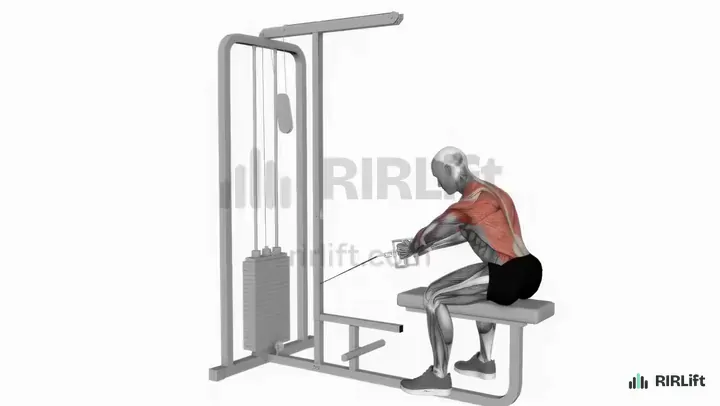
Seated Cable Row
Use both hands on the seated row when you want to move more total weight and save time.
Build a session with it -
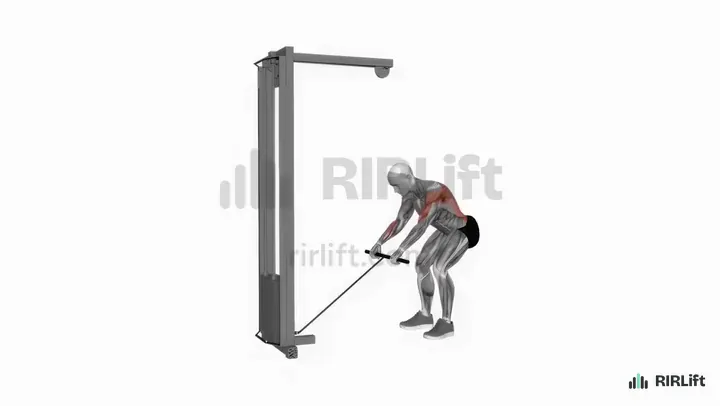
Standing Cable Row
Hinge forward with a two-hand handle on a low pulley when you want a bent-over row without loading your spine with a barbell.
Build a session with it -
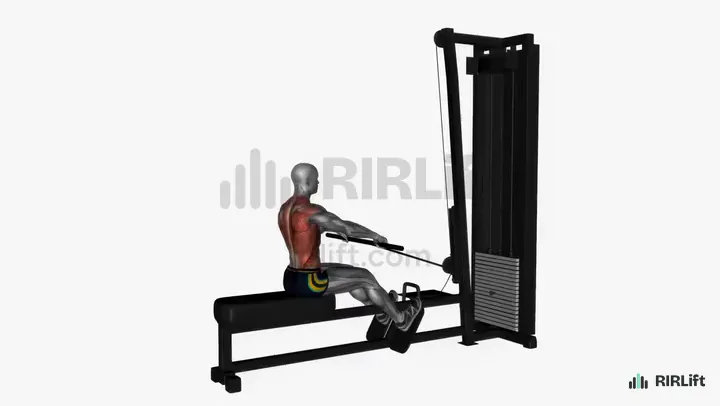
Wide-Grip Cable Row
Take a wide bar with elbows out when you want more upper back and rear delt than lats.
Build a session with it
Single-arm cable row alternatives
Dumbbell rows
-
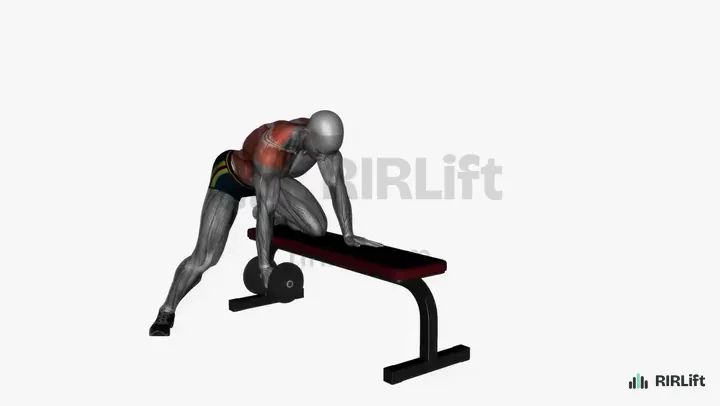
One-Arm Dumbbell Row
Brace on a bench and row a dumbbell when the cable station is taken or you train at home.
Build a session with it -
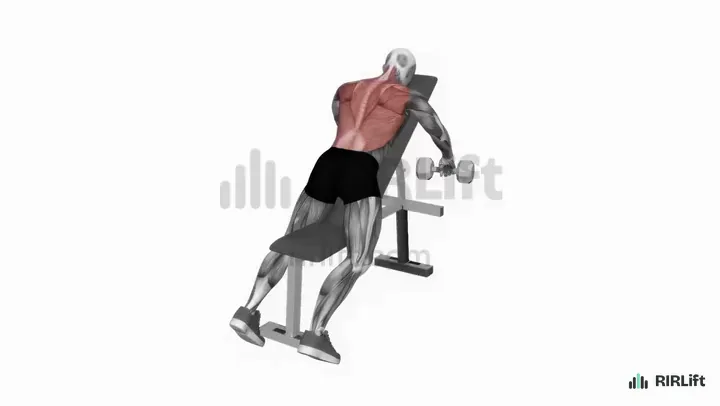
Incline Dumbbell Row
Lie face down on an incline bench when you want the torso fully supported.
Build a session with it
Machines
-
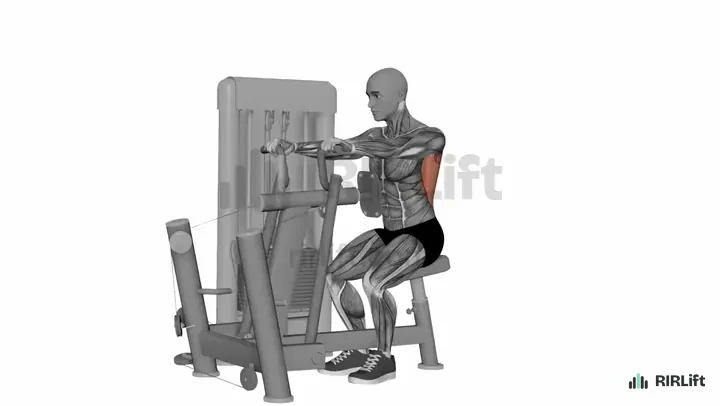
Machine Row
Use a plate-loaded or selectorized row when you want a fixed path and a chest pad to brace on.
Build a session with it -
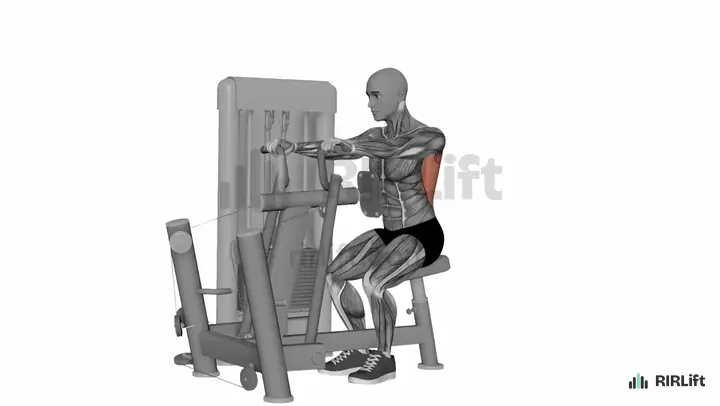
Chest-Supported Row
Use a chest-supported row when your lower back is tired from deadlifts.
Build a session with it
With a band
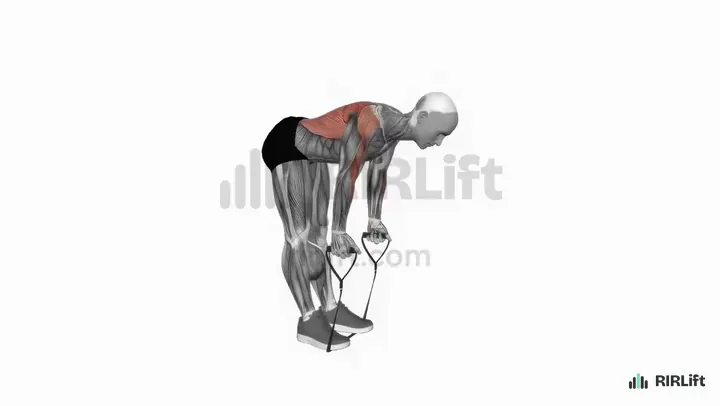
Standing, seated or half-kneeling
Standing with a mid-height pulley lets you lean in and follow the cable through a long range, but your legs and trunk can help if you get loose. Sitting at the seated row station with one handle braces your legs on the footplate and allows heavier loads. Half-kneeling with the opposite knee down locks your hips in place and makes twisting easy to notice, which is good for learning the movement.
Pick one setup and keep it for a training block so your reps and weights are comparable from week to week.
Where to set the pulley
A low to mid pulley with the elbow travelling toward your hip puts the most work on the lats. A pulley set higher, around shoulder height, with the elbow drifting a little away from your side shifts more work to the upper back and rear delt. Change the angle only when you want a different target, not between sets.
Questions
What muscles does a one-arm cable row work?
Mainly the lats and the mid back muscles between your shoulder blades, with the rear delts, biceps and the obliques that stop you twisting helping.
Is a one-arm cable row better than a regular cable row?
It gives a longer stretch and lets you fix side-to-side differences; the two-hand row lets you load more weight in less time. Both build the back well.
How do you do a single-arm seated row?
Sit at the seated row station with one D-handle, brace your feet, reach forward to a full stretch, and drive your elbow back past your side without leaning back or turning your chest.
Should you twist on a one-arm cable row?
A little shoulder blade movement is good, but your chest should stay facing the machine. Turning your torso lets momentum do the work instead of your back.
What are good lat exercises on a cable machine?
The one-arm cable row, lat pulldown, single-arm lat pulldown and straight-arm pulldown all train the lats on a cable.
How heavy should a one-arm cable row be?
Heavy enough that you finish each set with one or two reps in reserve while still reaching a full stretch and a full squeeze.
Related templates
-
Seated cable row: form, grip and the best alternatives
The two-handle version for heavier back work.
-
Dumbbell row: how to do the one-arm row and get your back to do the work
The one-arm row with a dumbbell when you have no cable.
-
Single-arm lat pulldown: how to do it, why it helps, and what to swap it for
A vertical one-arm pull to pair with the row.
-
Cable exercises by muscle, with sessions for the cables you have
More cable movements for the rest of your session.
-
The best workout for back: width, thickness and traps
A full back session to place this row in.
-
How to use RIR
How to tell how many reps you have left on each set.