
Posterior chain exercises: glutes, hamstrings and back
Published October 29, 2026
The posterior chain is the muscles along the back of your body: calves, hamstrings, glutes, lower back and upper back. The best exercises for it are hip hinges like the deadlift, Romanian deadlift and good morning; hip extension like the hip thrust, cable pull-through and kettlebell swing; hamstring curls like the Nordic and glute-ham raise; and rows for the upper back. Train it twice a week with one heavy hinge, one glute exercise and one hamstring curl per session, 3 sets each, stopping 1 to 3 reps short of failure.
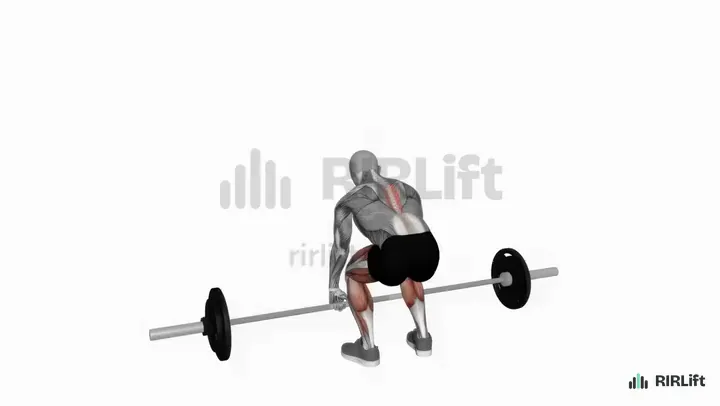
- Romanian Deadlift Hamstrings, Glutes
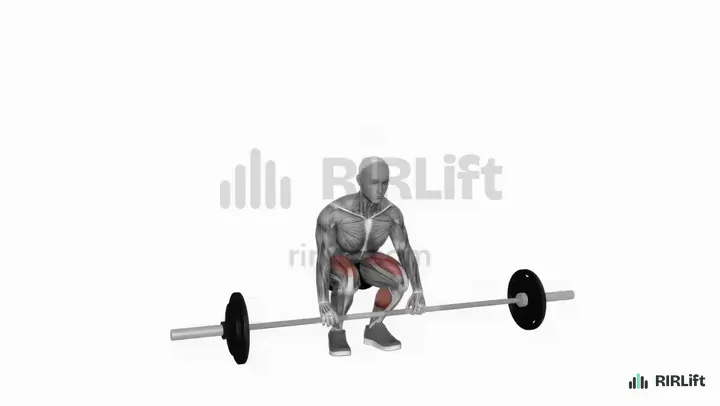
- Barbell Deadlift Glutes, Lower Back
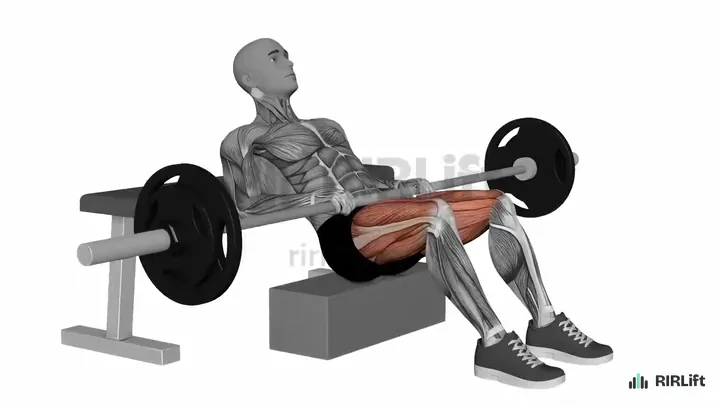
- Hip Thrust Glutes
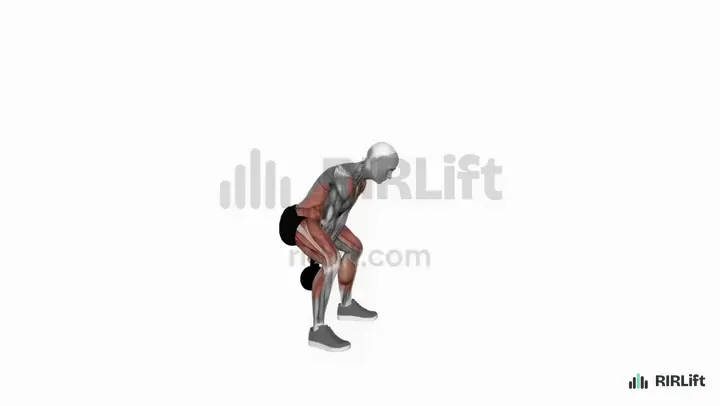
- Kettlebell Swing Glutes, Hamstrings
- Nordic Hamstring Curl Hamstrings
- Good Morning Hamstrings, Glutes
- Single-Leg RDL Hamstrings, Glutes
- 45-Degree Back Extension Glutes, Hamstrings
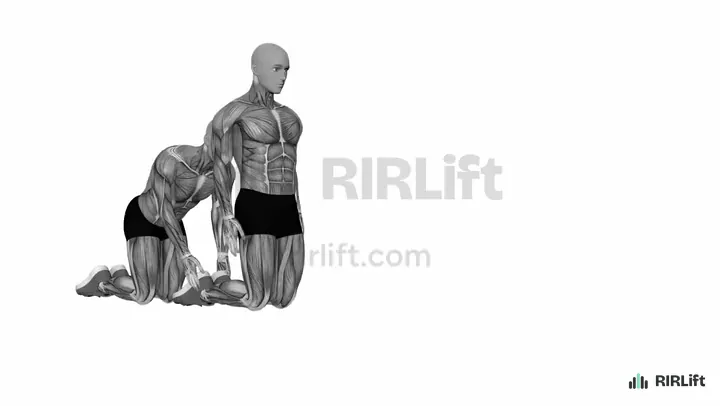
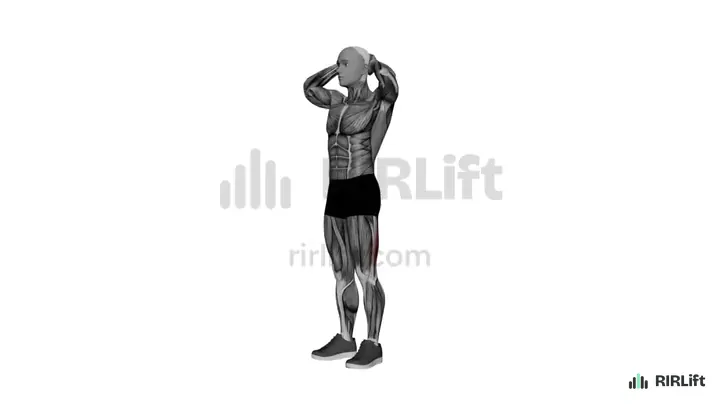
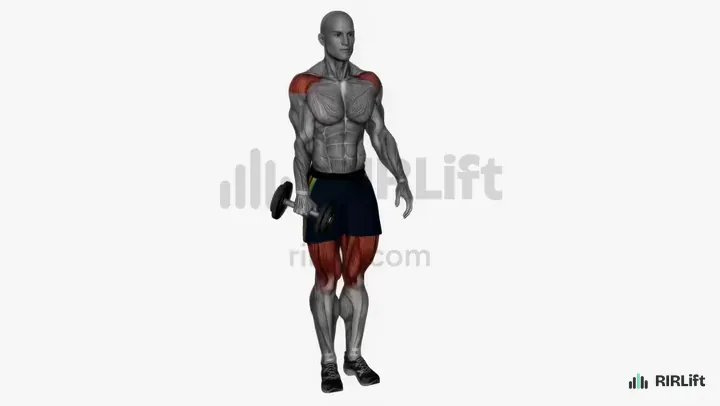
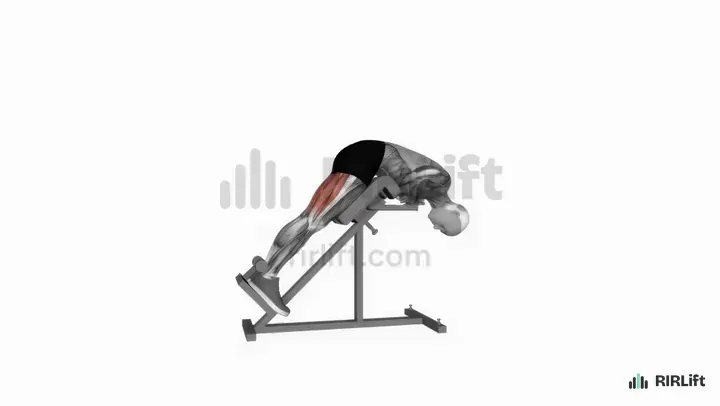
Put them together: example sessions
Each session below picks from the exercises above for one situation, with the sets, reps, rest and RIR filled in.
-
Session 1
Posterior chain at the gym, two days
You lift at a gym and want stronger glutes, hamstrings and back, whether for deadlifts, sport or a back side that has fallen behind your quads.
2× a week · 24 sets a week · ~35 min
-
Session 2
At home with a kettlebell or dumbbell
You train at home with one kettlebell or a pair of dumbbells and something to anchor your feet under, like a couch.
2× a week · 24 sets a week · ~30 min
-
Session 3
Posterior chain for runners
You run three or more times a week and want stronger hamstrings and glutes without much soreness on run days.
2× a week · 22 sets a week · ~30 min
Session 1
Posterior chain at the gym, two days
- Workouts2× a week
- Working sets24 a week
- Per workout~35 min
- EquipmentBarbells, Flat Bench, Glute-Ham Bench, Adjustable Cable +1
You lift at a gym and want stronger glutes, hamstrings and back, whether for deadlifts, sport or a back side that has fallen behind your quads.
Two days of 12 sets each. Day 1 is heavy with the deadlift and glute-ham raise, Day 2 is lighter with the Romanian deadlift and back extension, so each muscle is trained twice a week without two heavy hinges.
| Exercise | Sets × reps | RIR | Rest |
|---|---|---|---|
| Barbell Deadlift3 warm-up sets first | 3 × 3–5 | 2 | 3:30 min |
| Hip Thrust | 3 × 8–12 | 1 | 2 min |
| Glute Ham Raise | 3 × 6–10 | 2 | 2 min |
| Barbell Row | 3 × 6–10 | 2 | 2 min |
| Exercise | Sets × reps | RIR | Rest |
|---|---|---|---|
| Romanian Deadlift2 warm-up sets first | 3 × 6–10 | 2 | 2:30 min |
| Cable Pull-Through | 3 × 12–15 | 1 | 90 s |
| 45-Degree Back Extension | 3 × 10–15 | 1 | 90 s |
| Face Pull | 3 × 15–20 | 1 | 1 min |
- How to run it
- Add these to your lower or full-body days, three or four days apart. If your program already has a heavy squat on Day 1, keep it and drop the barbell row.
- How to progress
- Double progression: add 5 to 10 lb to hinges when every set hits the top of the range at the target reps in reserve. For the glute-ham raise, add reps, then take less help from the stack. For the back extension, add reps, then hold a plate.
Session 2
At home with a kettlebell or dumbbell
- Workouts2× a week
- Working sets24 a week
- Per workout~30 min
- EquipmentKettlebells, Dumbbells
You train at home with one kettlebell or a pair of dumbbells and something to anchor your feet under, like a couch.
One session of 12 sets, twice a week, loads every part of the posterior chain with one weight. Single-leg work and Nordics make light weights hard enough.
| Exercise | Sets × reps | RIR | Rest |
|---|---|---|---|
| Kettlebell Swing | 3 × 15–20 | 2 | 90 s |
| Single-Leg RDLPer leg. | 3 × 8–12 | 2 | 90 s |
| Single-Leg Glute BridgePer leg. | 3 × 10–15 | 1 | 1 min |
| Nordic Hamstring Curl | 3 × 3–6 | 2 | 2 min |
- How to run it
- Twice a week on non-consecutive days. About 30 minutes.
- How to progress
- Add reps until every set reaches the top of the range, then use a heavier bell or slow the lowering to 3 seconds. On Nordics, lower a little further each week before adding reps.
Session 3
Posterior chain for runners
- Workouts2× a week
- Working sets22 a week
- Per workout~30 min
- EquipmentDumbbells, Barbells, Flat Bench, Hyperextension
You run three or more times a week and want stronger hamstrings and glutes without much soreness on run days.
One short session of 11 sets, twice a week. Single-leg hinges and Nordics match how running loads the back of the leg, and the volume stays low enough to run well the next day.
| Exercise | Sets × reps | RIR | Rest |
|---|---|---|---|
| Single-Leg RDLPer leg. | 3 × 8–10 | 2 | 90 s |
| Hip Thrust1 warm-up set first | 3 × 8–12 | 2 | 90 s |
| Nordic Hamstring Curl | 3 × 3–5 | 2 | 2 min |
| 45-Degree Back Extension | 2 × 12–15 | 2 | 1 min |
- How to run it
- After an easy run or on a non-running day. Keep at least one day between this and your hardest run of the week.
- How to progress
- Add weight to the single-leg RDL and hip thrust when every set reaches the top of the range at 2 reps in reserve. Cut to one set each in race week.
Make it fit you
-
New to hinging
Start with the cable pull-through and a light Romanian deadlift for a few weeks before the barbell deadlift. Learn to push the hips back with a flat back first.
-
Lower back gets sore
Use hip thrusts, the glute-ham raise and Nordics, which load the glutes and hamstrings with little spine load, and keep hinges at 2 to 3 reps in reserve. Bring heavier hinges back gradually.
-
Glutes are the priority
Put the hip thrust first on one day a week and add single-leg glute bridges at the end. Keep one hinge in every session.
-
Sitting all day
Add the face pull and back extension even on non-lifting days at light effort. They train the upper back and glutes that long sitting leaves inactive.
-
Log the reps you had left
RIRLift sets the next session's weight from the reps in reserve you log, which keeps heavy hinges climbing in small steps instead of big jumps.
Questions
What muscles are in the posterior chain?
The calves, hamstrings, glutes, spinal erectors along the lower back, and the upper back muscles: lats, traps, rhomboids and rear delts.
Do squats help the posterior chain?
Yes, especially the glutes and adductors, but they load the quads most. Pair squats with a hinge and a hamstring curl to train the back of the leg fully.
What causes a weak posterior chain?
Mostly not training it. A lot of sitting and programs built on squats, presses and machines leave the hamstrings, glutes and upper back with less work than the front of the body.
What are the benefits of posterior chain exercises?
Stronger hips and hamstrings for running, jumping and lifting, a back that holds posture under load, and better balance between the front and back of the body.
Can I train the posterior chain at home?
Yes. Kettlebell swings, single-leg Romanian deadlifts, single-leg glute bridges and Nordics need only one weight and a place to anchor your feet.
How often should I train the posterior chain?
Twice a week works for most people, with one heavier hinge day and one lighter day. Two heavy deadlift days in one week is more than most need.
Related templates
-
Anterior chain exercises: quads, hip flexors, abs, chest and front delts
The front-of-body counterpart to balance this work.
-
Compound leg exercises: squats, hinges and single-leg lifts
Squats and single-leg lifts to pair with your hinges.
-
Hamstring exercises at the gym: barbell hinges, curl machines and cables
Every hamstring curl and hinge machine.
-
Hamstring exercises for runners: curls, hinges and the slow lowering speed asks for
More run-specific back-of-leg work.
-
RDL vs deadlift
Which hinge to make your main lift.