
Straight-arm pulldown alternatives: lat work without the cable
Published October 23, 2026
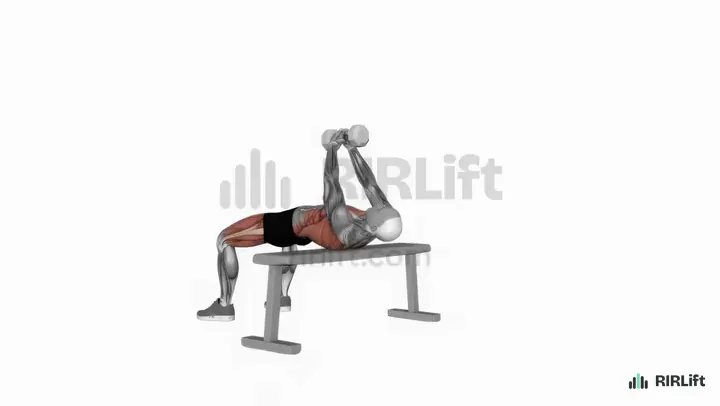
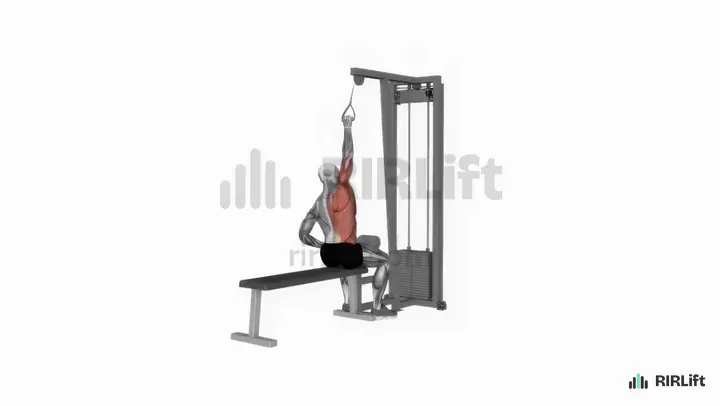
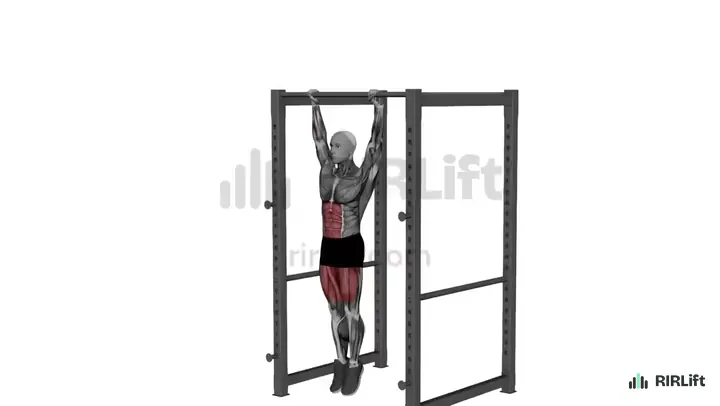
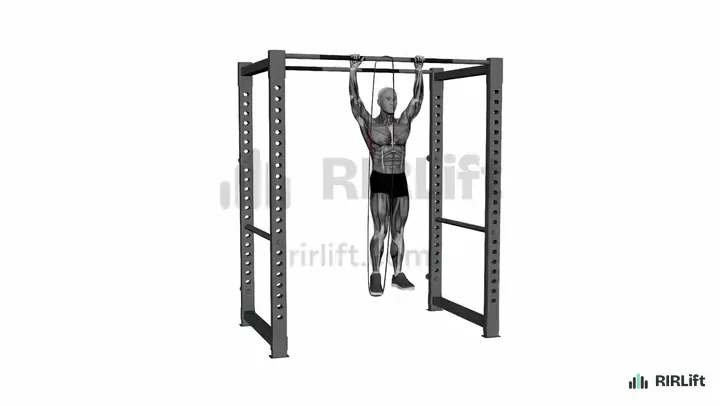
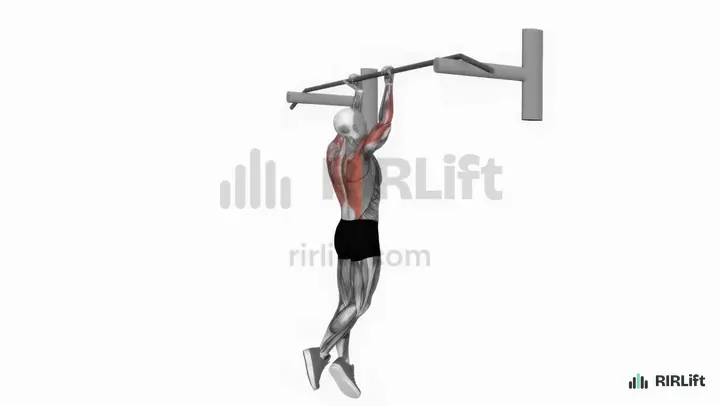
The best straight-arm pulldown alternative is the dumbbell lat pullover, because it keeps the same straight-arm sweep and loads your lats through a deep stretch with one dumbbell and a bench. At the gym, a single-arm lat pulldown on the same pulley is the closest cable swap. With only a pull-up bar, do front lever raises for straight-arm work, or chin-ups and band-assisted pull-ups for heavier lat sets.
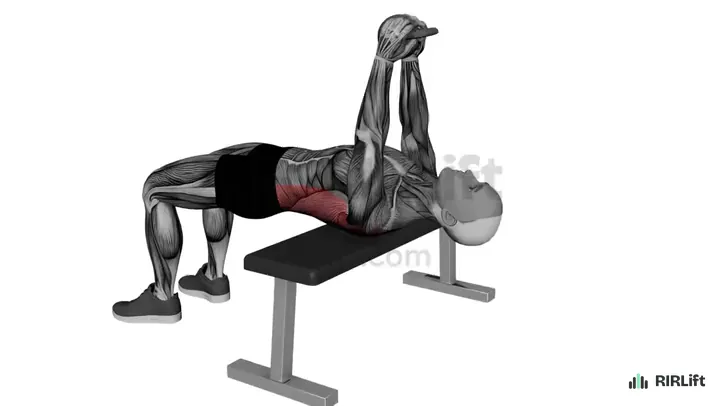
- No cable, one dumbbell Dumbbell Lat Pullover Same straight-arm sweep, lying along a bench.
- Cable attachment missing Single-Arm Lat Pulldown One handle on the same pulley, long stretch overhead.
- Only a kettlebell Kettlebell Pullover Horns give a secure grip for the pullover arc.
- Pull-up bar only Front Lever Raise Press the bar to your hips with locked arms.
- Bar and a band Band-Assisted Pull-Up Real pull-up reps before you can do them alone.
- Want width, not a finisher Chin-Up Heavy lat work with your whole body as the load.
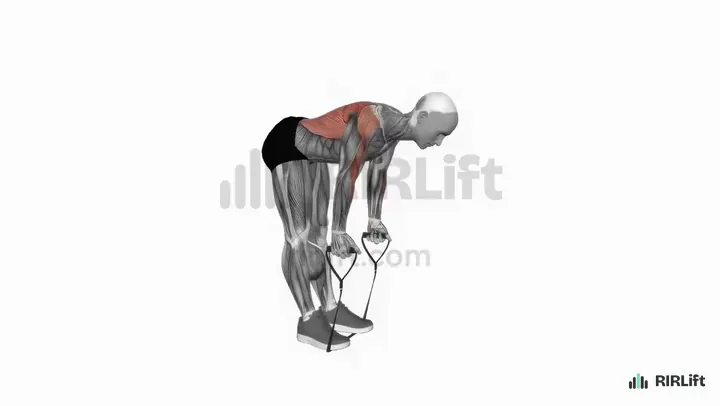
- Bands only Band Bent-Over Row Rows your lats with no anchor or bar.
What a straight-arm pulldown alternative has to replace
The straight-arm pulldown trains your lats and the small muscle under your armpit (the teres major) with your elbows locked, so your biceps cannot help. The cable keeps tension on your lats from arms overhead all the way to your thighs, which is why it works as a finisher after rows and pulldowns.
A replacement has to keep that long arm path and the stretch overhead. Pullovers and the front lever keep your arms straight; pulldowns and pull-ups bend the elbows but load the same lats harder. Pick by what you have and whether you want an isolation finisher or a main lat lift.
Example sessions without the straight-arm pulldown
-
Session 1
Gym, the cable is taken
You train in a gym with a pulldown station and cables, but the straight-arm pulldown setup is busy or missing.
2× a week · 24 sets a week · ~30 min
-
Session 2
Home, dumbbells and a doorway bar
You train at home with dumbbells, a bench and a pull-up bar, and no cable.
2× a week · 20 sets a week · ~25 min
-
Session 3
Just a bar and a band
You have a pull-up bar and one or two long bands, and you cannot do many pull-ups yet.
3× a week · 30 sets a week · ~20 min
Session 1
Gym, the cable is taken
- Workouts2× a week
- Working sets24 a week
- Per workout~30 min
- EquipmentLat Pulldown, Cable Row, Dumbbells
You train in a gym with a pulldown station and cables, but the straight-arm pulldown setup is busy or missing.
The lat pulldown leads as the heavy lift, the single-arm pulldown gives you the long overhead stretch one side at a time, and a seated row covers your mid-back. The dumbbell pullover finishes your lats with straight arms, the job the straight-arm pulldown did. 12 working sets.
| Exercise | Sets × reps | RIR | Rest |
|---|---|---|---|
| Lat Pulldown1 warm-up set first | 3 × 8–12 | 2 | 2 min |
| Single-Arm Lat PulldownSets are per arm. | 3 × 10–15 | 1 | 75 s |
| Seated Cable Row | 3 × 10–12 | 2 | 90 s |
| Dumbbell Lat PulloverStop the dumbbell over your face. | 3 × 12–15 | 1 | 1 min |
- How to run it
- Run it as your back day once or twice a week, with at least two days between.
- How to progress
- When every set of a lift reaches the top of its range at the RIR shown, add the smallest weight step next session and start again at the bottom of the range.
Session 2
Home, dumbbells and a doorway bar
- Workouts2× a week
- Working sets20 a week
- Per workout~25 min
- EquipmentPull-Up Bar, Dumbbells
You train at home with dumbbells, a bench and a pull-up bar, and no cable.
Chin-ups give your lats the heavy work, the pullover copies the straight-arm sweep, and the lawnmower row adds a long one-arm pull toward the hip. Home dumbbells are often light, so the pullover and row run higher reps closer to failure. 10 working sets.
| Exercise | Sets × reps | RIR | Rest |
|---|---|---|---|
| Chin-Up1 warm-up set first | 3 × 5–10 | 2 | 2:30 min |
| Dumbbell Lat Pullover | 4 × 12–20 | 1 | 1 min |
| Dumbbell Lawnmower RowSets are per arm. | 3 × 10–15 | 1 | 1 min |
- How to run it
- Twice a week on non-consecutive days. Rest longer between chin-up sets than the rest, since every set should be clean reps.
- How to progress
- Add a rep per set on the chin-up until you hit 10 on every set, then hang a dumbbell between your feet or slow the lowering to four seconds. On the pullover and row, add reps until the top of the range, then move up a dumbbell.
Session 3
Just a bar and a band
- Workouts3× a week
- Working sets30 a week
- Per workout~20 min
- EquipmentPull-Up Bar, Resistance Bands
You have a pull-up bar and one or two long bands, and you cannot do many pull-ups yet.
The band-assisted pull-up gets you real vertical pulls, the front lever raise is the straight-arm lat work with tucked knees, and the band row fills in high-rep rowing. 10 working sets.
| Exercise | Sets × reps | RIR | Rest |
|---|---|---|---|
| Band-Assisted Pull-Up | 4 × 6–10 | 2 | 2 min |
| Front Lever RaiseKnees tucked to start. | 3 × 5–8 | 2 | 90 s |
| Band Bent-Over Row | 3 × 15–25 | 1 | 45 s |
- How to run it
- Two or three times a week. Keep two reps in reserve on the pull-ups and lever raises so every rep stays clean; take the band rows close to failure.
- How to progress
- On the assisted pull-up, add reps until you reach 10 on every set, then switch to a thinner band. On the front lever raise, extend one leg once you control the lowering for 8 reps.
Make it fit you
-
You feel it in your arms, not your lats
On the pullover and front lever, fix a slight bend in your elbows and think about driving your upper arms toward your hips. If your triceps still take over, go lighter and pause one second in the stretch.
-
Shoulders pinch at the stretch
Stop the pullover where your upper arms line up with your ears instead of dropping lower, and use the neutral-grip pulldown in place of the wide bar.
-
Light dumbbells only
Use one dumbbell held with both hands for the pullover, take three seconds to lower it, and run 15 to 20 reps. Move to a one-arm row with that dumbbell once the pullover gets easy.
-
Keep it as a finisher
The straight-arm pulldown usually closes a back day. Put the pullover or single-arm pulldown at the end of your back day for 2 to 3 sets of 12 to 15, after your rows and pull-ups.
-
Building toward the front lever
Start with knees tucked to your chest. When you can lower slowly for 8 reps, straighten one leg, then both. Keep your elbows locked at every stage.
Questions
What muscles does the straight-arm pulldown work?
Mainly your lats and the teres major under your armpit, with the back of your shoulders and your core holding the position. Your biceps barely help because your elbows stay locked.
What can I do instead of straight-arm pulldowns?
A dumbbell or kettlebell pullover keeps the same straight-arm motion. A single-arm lat pulldown is the closest cable swap, and front lever raises or chin-ups work if you only have a bar.
What is a good straight-arm pulldown alternative at home?
The dumbbell lat pullover, lying along a flat bench or on the floor. With a pull-up bar, add chin-ups or band-assisted pull-ups; with only a band, do band bent-over rows.
Is the straight-arm pulldown better than the lat pulldown?
They do different jobs. The lat pulldown lets you use more weight and builds the lats as a main lift; the straight-arm pulldown isolates them as a finisher. Most back days do the pulldown first and a straight-arm move last.
Can I do lat pulldowns with one arm?
Yes. Attach a single handle to the high pulley, pull your elbow down toward your hip and let it reach high between reps. It gives a longer stretch than the two-hand bar and evens out a weaker side.
What are some alternatives to cable pulldowns?
Pull-ups, chin-ups and band-assisted pull-ups train the same lats with your bodyweight. Without a bar, dumbbell pullovers and one-arm dumbbell rows cover them.
Related templates
-
Straight-arm pulldown: how to do it, what it works, and where it fits
Setup and form for the exercise these swaps replace.
-
Dumbbell pullover: form, lats vs chest, and the best alternatives
The full how-to for the best free-weight swap.
-
Lat exercises at home: with a bar, dumbbells, a kettlebell or a band
More lat work for a home setup with no cable.
-
Cable lat exercises: pulldowns, rows and single-arm work
Every cable option for your lats when the station is free.
-
Pull ups: form, your first rep and the best alternatives
How to build up to your first clean pull-up and past it.