Upper body exercises without equipment: push, press and pull with only the floor and a door

The best upper body exercises without equipment are push-ups in a ladder from incline to decline and archer push-ups for the chest, pike push-ups and wall handstand holds for the shoulders, close-grip push-ups and floor dips for the triceps, and doorway curls, supermans and plank IYTWs for the back and biceps, since no bar means pulling with a door frame and the floor. Pair every push with a pull, train upper body two or three times a week with 3 or 4 sets per exercise, and stop 1 to 3 reps short of failure.

  1. Push-Up Chest
  2. Incline Push-Up Chest
  3. Pike Push-Up Shoulders
  4. Close-Grip Push-Up Triceps, Chest
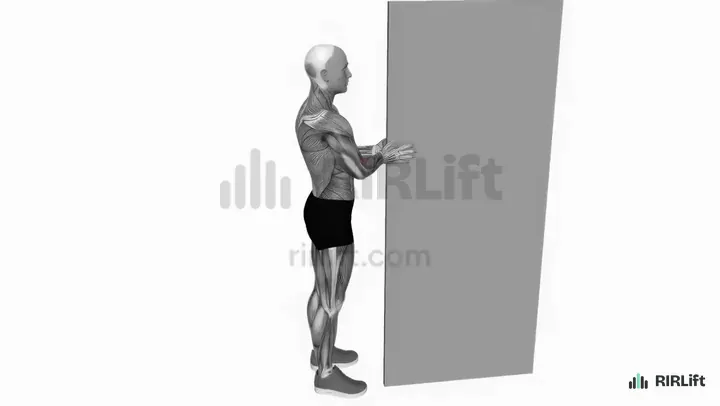
  5. Bodyweight Bicep Curl Biceps
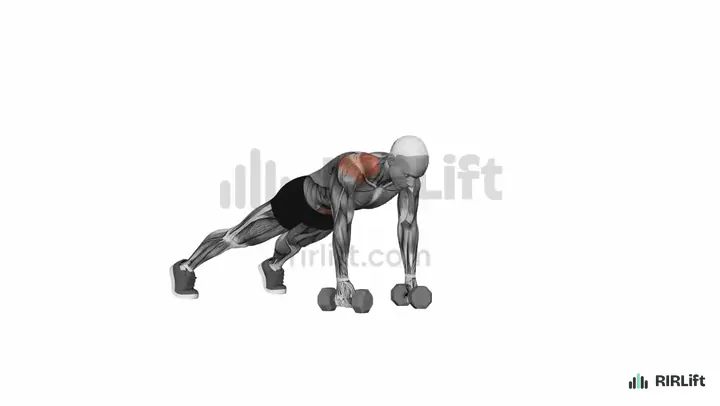
  6. Plank IYTW Abs, Upper Back
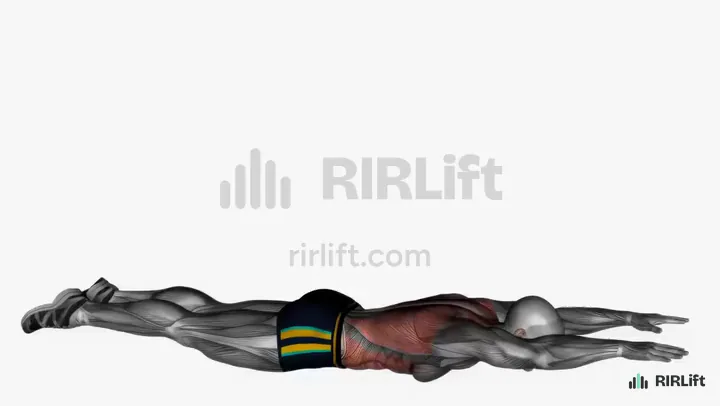
  7. Superman Lower Back
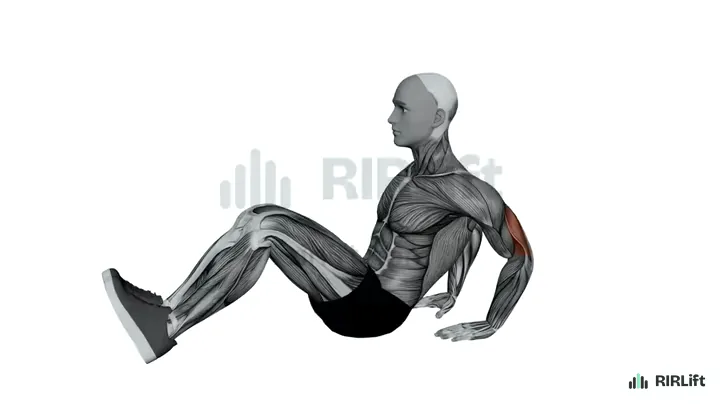
  8. Floor Triceps Dip Triceps

The push-up ladder

Every chest exercise here is a push-up with a different amount of body weight on your hands. Pick the step where you get 6 to 15 reps with good form and move up a rung when you pass 15.

Chest and triceps, easiest push-up

Kneeling Push-Up

Chest

Dropping to your knees roughly halves the weight on your hands, so you can do real sets of 8 to 15 from the first session. Keep a straight line from knees to head and it trains the same pattern as a full push-up.

How to do it

  1. Kneel on a mat with your hands on the floor slightly wider than your shoulders and walk them forward until your body is a straight line from knees to head.
  2. Brace your abs and tuck your hips so your back stays flat.
  3. Lower your chest toward the floor between your hands, elbows angled back.
  4. Push back up to straight arms and repeat.

Cues

  • Straight line from knees to head
  • Chest leads, hips follow
  • Full lockout at the top

Common mistakes

  • Bending at the hips so your bottom sticks up: that shortens the range. Keep the line from knees to shoulders.
  • Dropping the head toward the floor before the chest: look slightly ahead of your hands.

Swap for: Incline Push-Up, Close-Grip Push-Up, Band-Assisted Push-Up

Chest and triceps, hands raised

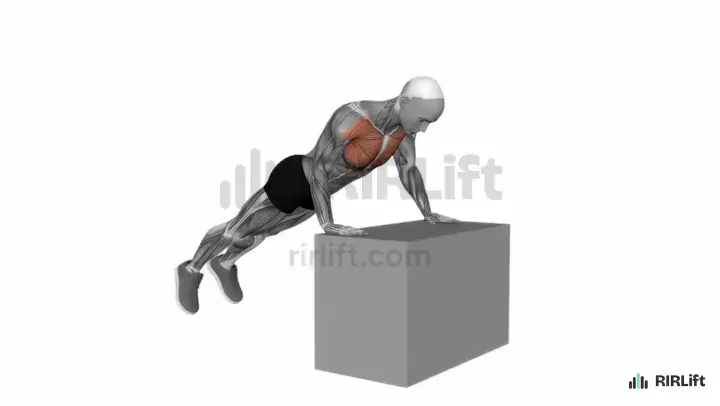
Incline Push-Up

Chest

Hands on a couch, chair or stair let you pick the exact difficulty: the higher the surface, the easier the rep. It is the cleanest path to your first set of 10 floor push-ups.

How to do it

  1. Put your hands on a bench, box or counter, a little wider than shoulder width.
  2. Walk your feet back until your body is a straight line from head to heels.
  3. Lower your chest to the edge, elbows angled about 45 degrees from your sides.
  4. Press back up until your arms are straight.

Cues

  • Body like a plank
  • Elbows at about 45 degrees
  • Higher surface, easier rep

Common mistakes

  • Hips sagging toward the floor: squeeze your glutes and brace as if you were about to be poked in the stomach.
  • Flaring the elbows straight out: tuck them back at about 45 degrees.

Swap for: Kneeling Push-Up, Close-Grip Push-Up, Bench Dip

Chest, shoulders and triceps

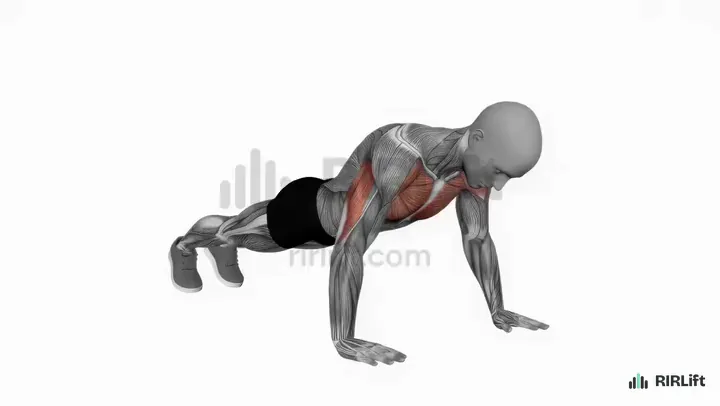
Push-Up

Chest

The core exercise of every plan here. Once you can do 15 with a 2-second lowering, it has stopped building strength and you move to decline or archer push-ups.

How to do it

  1. Set your hands slightly wider than your shoulders with your body straight from head to heels.
  2. Lower until your chest nearly touches the floor, elbows at about 45 degrees.
  3. Press back up to straight arms.

Cues

  • One straight line
  • Elbows angled back

Common mistakes

  • Flaring the elbows straight out: tuck them toward your ribs.

Swap for: Kneeling Push-Up, Incline Push-Up, Push-Up Plus

Upper chest and shoulders, feet raised

Decline Push-Up

Chest

Feet on a chair or couch puts more body weight on your hands and angles the press toward the upper chest and front shoulders. It is the next step when floor push-ups run past 15 reps.

How to do it

  1. Put your feet on a chair or bench and your hands on the floor under your shoulders.
  2. Brace so your body is straight from heels to head, no sag at the hips.
  3. Lower until your forehead is just above the floor, elbows about 45 degrees from your sides.
  4. Press back to locked arms, keeping your hips from rising first.

Cues

  • Higher feet, harder rep
  • Forehead toward the floor
  • Press the floor away

Common mistakes

  • Piking your hips to make the press easier: if the straight line goes, use a lower chair.
  • Letting your shoulders ride up to your ears at the bottom: keep them pulled down and back.

Swap for: Push-Up, Archer Push-Up, Weighted Push-Up

Chest, one arm at a time

Archer Push-Up

Chest

Shifting your weight over one arm while the other stays straight loads one side with most of your body weight. It bridges the gap between push-ups and a one-arm push-up that very few people ever reach.

How to do it

  1. Set your hands about twice shoulder width apart in a plank, fingers turned slightly out.
  2. Lower toward your right hand, bending the right elbow while the left arm stays straight.
  3. Bring your chest close to your right hand, then press back to the middle.
  4. Repeat to the left and keep alternating, or finish one side first.

Cues

  • Bent arm does the work
  • Straight arm only balances
  • Hips stay square

Common mistakes

  • Bending both arms equally, which makes it a wide push-up: keep the helping arm straight.
  • Twisting your hips toward the floor: hold the plank level as you shift.

Swap for: Decline Push-Up, One-Arm Push-Up, Push-Up

Shoulders and triceps

Pressing overhead without dumbbells means putting your hips above your hands. The pike push-up and wall hold build the shoulders, and a narrow grip or floor dip shifts the work to the triceps.

Shoulders, overhead press

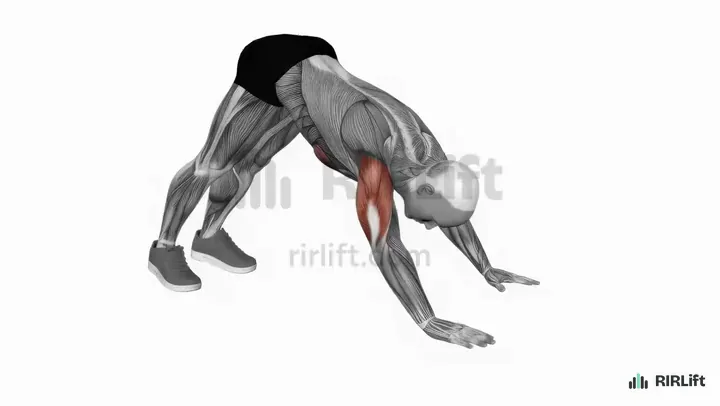
Pike Push-Up

Shoulders

With hips high, the press goes overhead and the shoulders do most of the work. Raising your feet on a step makes it harder until a wall handstand push-up becomes realistic.

How to do it

  1. Start in a push-up position with your hands a bit wider than your shoulders and fingers spread.
  2. Walk your feet toward your hands and raise your hips until your body forms an upside-down V, with your weight leaning over your hands.
  3. Bend your elbows and lower the top of your head toward a point a few inches in front of your hands, so your head and hands form a triangle.
  4. Bend your elbows out to the sides and stop when your head lightly touches the floor or just above it.
  5. Press the floor away and straighten your arms, pushing your hips back up to the V.

Cues

  • Hips stay high
  • Head forward of hands
  • Push the floor away

Common mistakes

  • Letting the hips drop as you lower: that turns it back into a regular push-up; keep the hips stacked over your shoulders as much as you can.
  • Lowering your head straight between your hands: aim slightly forward so your forearms stay close to vertical.
  • Cutting the range short: lower until your head is near the floor, using a yoga block or book as a target if you need one.

Swap for: Handstand Push-Up, Decline Push-Up, Handstand Hold

Shoulders, overhead hold

Handstand Hold

Shoulders

Holding a handstand against the wall loads the shoulders with almost your full body weight overhead. Short holds of 20 to 40 seconds build the strength and confidence for pike progressions.

How to do it

  1. Place your hands about a hand's length from a wall, shoulder width apart.
  2. Kick one leg up, then the other, until your heels rest on the wall.
  3. Push the floor away so your shoulders reach up toward your ears and you are one straight line from hands to heels.
  4. Hold, then step down one leg at a time.

Cues

  • Push the floor away
  • Squeeze glutes
  • Look at the floor between hands

Common mistakes

  • Sinking into the shoulders instead of pushing tall.
  • Arching the lower back to stay on the wall.

Swap for: Pike Push-Up, Dumbbell Single-Arm Overhead Carry

Triceps and inner chest

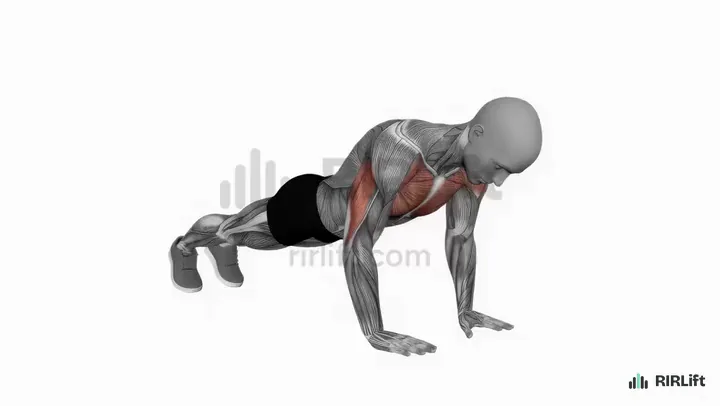
Close-Grip Push-Up

Triceps, Chest

Bringing your hands under your shoulders and keeping elbows tight moves the work onto the triceps. With no dumbbells for extensions, this is your heaviest triceps exercise.

How to do it

  1. Get into a high plank with your hands directly below your shoulders.
  2. Lower yourself with your elbows sliding back past your ribs.
  3. Stop just above the floor, then push up to locked elbows.
  4. Drop to your knees for the last reps if your hips start to sag.

Cues

  • Hands under shoulders
  • Elbows travel back
  • Full lockout

Common mistakes

  • Flaring the elbows into a T: that moves the work to your chest.
  • Half reps near the top: lower until your chest is close to the floor.

Swap for: Kneeling Push-Up, Incline Push-Up

Triceps, dip from the floor

Floor Triceps Dip

Triceps

Sitting on the floor with hands behind you and lifting your hips gives the triceps a short dip without a bench or chair to slide on. It is gentle on the shoulders and fine for high-rep finishers.

How to do it

  1. Sit with your knees bent and your hands flat behind you, fingers facing forward.
  2. Lift your hips slightly off the floor by straightening your arms.
  3. Bend your elbows to bring your hips down toward the floor, stopping just short of it.
  4. Push back up to straight arms.

Cues

  • Fingers face your feet
  • Hover the hips
  • Elbows straight back

Common mistakes

  • Sitting all the way down between reps: keep the tension on.
  • Letting the feet do the lifting: press from the hands.

Swap for: Bench Dip

Back and biceps with no bar

Pulling is the hard part of a no-equipment upper body plan. A sturdy door frame gives you a curl and row in one, and the floor raises train the upper and lower back that push-up-only routines leave weak.

Biceps, doorway curl

Bodyweight Bicep Curl

Biceps

Leaning back from a door frame and curling yourself in is the only true biceps exercise without equipment. Walk your feet closer to the frame to make it harder.

How to do it

  1. Grip both sides of a door frame around hip level, step one foot ahead of the other and walk your feet in toward it.
  2. Lean back until your arms are straight and your body is rigid from heels to head.
  3. Bend your elbows to bring your chest to the frame.
  4. Lower back out under control.

Cues

  • Elbows pinned to your sides
  • Body rigid
  • Feet in to make it harder

Common mistakes

  • Rowing instead of curling: keep your upper arms still at your sides and bend only at the elbows.
  • Bending at the hips: tense your glutes and keep a straight line.

Swap for: Chin-Up, TRX Chin-Up

Lower back and glutes, floor raise

Superman

Lower Back

Lifting arms and legs off the floor trains the back muscles that hold you upright, the side of the upper body push-ups never reach. A 2-second hold at the top makes it a real set.

How to do it

  1. Lie face down with your arms stretched overhead and legs straight.
  2. Raise arms, chest and legs a few inches off the floor together.
  3. Hold for a second, then lower everything together.

Cues

  • Long, not high
  • Eyes on the floor

Common mistakes

  • Cranking the head back to lift higher: keep your neck in line with your spine.

Swap for: Back Extension, Exercise Ball Back Extension, Band Good Morning

Upper back and rear shoulders

Plank IYTW

Abs, Upper Back

Raising one arm into I, Y, T and W shapes from a plank trains the shoulder blade muscles while your trunk holds steady. It is the closest no-equipment match to rear delt flyes and band pull-aparts.

How to do it

  1. Start in a high plank on your hands with your feet a little wider than your hips.
  2. Shift your weight onto one hand and raise the other arm straight overhead in line with your body for the I.
  3. Return it, then raise it out at a 45 degree angle for the Y, straight out to the side for the T, and with the elbow bent and pulled back for the W.
  4. Repeat the four shapes with the other arm. That is one rep.

Cues

  • Hips level
  • Thumb toward the ceiling
  • Reach long each time

Common mistakes

  • Rotating your hips toward the lifted arm: widen your feet until your hips stay square.
  • Rushing the shapes: hold each one for a second so the upper back actually works.

Swap for: Superman, Dead Hang, Archer Pull-Up

Shoulder stability

Tapping a shoulder from a plank makes one arm hold your upper body while the trunk resists twisting. It is a good finisher and a warm-up for harder push-up variations.

Trunk and shoulder stability

Plank Shoulder Tap

Abs

Each tap leaves one arm supporting you, which builds the stable shoulders that archer and pike push-ups need. Feet wider makes it easier, closer makes it harder.

How to do it

  1. Hold a straight-arm plank with feet a little wider than hips.
  2. Lift one hand and tap the opposite shoulder.
  3. Replace it and tap with the other hand, keeping your hips from rocking.

Cues

  • Hips stay still
  • Feet wide for balance
  • Slow taps

Common mistakes

  • Rocking side to side: widen the feet and slow down.

Swap for: Plank, Push-Up Plus, Bear Crawl

Put them together: example sessions

Each session below picks from the exercises above for one situation, with the sets, reps, rest and RIR filled in.

Session 1

Can't do 10 push-ups yet

  • Workouts3× a week
  • Working sets36 a week
  • Per workout~25 min
  • EquipmentBodyweight

You are new to training, floor push-ups are a struggle, and you want a simple upper body routine at home.

One short full upper body session, three times a week, gives the chest and back about 9 to 15 hard sets each per week, plenty while technique and tendons catch up. Sets stop 2 to 3 reps short of failure so the next session is not sore.

Upper body
ExerciseSets × repsRIRRest
Incline Push-Up 3 × 6–15 2 90 s
Bodyweight Bicep Curl 3 × 8–12 2 75 s
Floor Triceps Dip 2 × 8–12 3 1 min
SupermanHold 2 s at the top. 2 × 10–15 2 1 min
Plank Shoulder TapTaps in total. 2 × 16–24 3 1 min
How to run it
Do it on three non-consecutive days, for example Monday, Wednesday and Friday. About 20 minutes.
How to progress
When incline push-ups reach 15 reps on every set at the target reps in reserve, lower the surface. Doorway curls progress by moving your feet closer to the frame. RIRLift sets each session's target from the reps in reserve you log.

Session 2

Building muscle at home, two upper body days

  • Workouts2× a week
  • Working sets26 a week
  • Per workout~30 min
  • EquipmentBodyweight

Floor push-ups are easy for 15 or more, and you want a bigger chest, shoulders and arms on an upper and lower split without buying gear.

Two different upper body days give the chest and back about 10 hard sets each a week and the shoulders 6, with doorway curls and close-grip push-ups adding direct arm work, all taken to 1 to 2 reps in reserve. That weekly volume builds muscle as long as each variation stays inside 6 to 15 reps.

Day A: Chest and back
ExerciseSets × repsRIRRest
Decline Push-Up1 warm-up set first 4 × 8–15 1 90 s
Pike Push-Up 3 × 6–12 2 90 s
Bodyweight Bicep Curl 4 × 8–15 1 75 s
Plank IYTWOne rep is all four shapes with each arm. 3 × 6–10 2 1 min
Day B: Shoulders and arms
ExerciseSets × repsRIRRest
Archer Push-Up1 warm-up set firstPer side. 3 × 5–8 2 2 min
Handstand HoldSeconds per hold. Back to the wall, heels resting on it. 3 × 20–40 2 90 s
Close-Grip Push-Up 3 × 8–15 1 90 s
SupermanHold 2 s at the top. 3 × 12–15 2 1 min
How to run it
Do Day A and Day B with two or three days between them, with leg days in between if you train them.
How to progress
Use double progression: add reps until every set hits the top of the range at the target reps in reserve, then slow the lowering to 3 seconds or raise your feet higher. Archer push-ups progress by keeping the straight arm lighter.

Session 3

Twenty minutes, three times a week

  • Workouts3× a week
  • Working sets48 a week
  • Per workout~20 min
  • EquipmentBodyweight

You have a busy week and a small space, and you want short upper body sessions that still count.

Pairing a push with a pull lets you rest while the other side works, so three supersets fit 16 sets into about 20 minutes. Three sessions a week add up to 9 sets each for the chest, the shoulders, and the back and biceps.

Supersets
ExerciseSets × repsRIRRest
A1 Push-Up 3 × 8–15 2 1 min
A2 Bodyweight Bicep Curl 3 × 8–12 2 1 min
B1 Pike Push-Up 3 × 6–10 2 1 min
B2 Plank IYTWOne rep is all four shapes with each arm. 3 × 5–8 2 1 min
C1 Floor Triceps Dip 2 × 10–15 2 1 min
C2 Plank Shoulder TapTaps in total. 2 × 16–24 2 1 min
How to run it
Do it three times a week on any days that are not back to back. Move straight from the first exercise of a pair to the second, then rest.
How to progress
Add a rep a session until the top of each range, then switch to the harder version: push-up to decline push-up, pike push-up with feet raised. Keep the reps in reserve honest so the short rests do not turn sets sloppy.

Make it fit you

Questions

What are 10 upper body exercises without equipment?

Push-ups, incline push-ups, decline push-ups, archer push-ups, pike push-ups, close-grip push-ups, floor triceps dips, doorway curls, supermans and plank IYTWs. Together they cover the chest, shoulders, triceps, biceps and back.

Can you give me a 30-minute upper body workout without equipment?

Do 4 sets of decline push-ups, 4 sets of doorway curls, 3 sets of pike push-ups and 3 sets of plank IYTWs, then 2 sets of close-grip push-ups. Rest about 75 seconds between sets and stop each one with 1 to 2 reps left.

What is the 3-3-3 rule for workouts?

It is shorthand for three exercises of three sets, three days a week. Applied here without equipment that could be push-ups, doorway curls and pike push-ups, which works for beginners but runs short on back work as you get stronger.

How do I tone my upper arms fast?

Train the triceps and biceps directly with close-grip push-ups, floor dips and doorway curls two or three times a week. The fat over the arm comes off through overall fat loss, not arm exercises; these build the muscle that shows when it does.

How do I train my back without equipment?

Doorway curls double as a row, and supermans and plank IYTWs train the lower and upper back. They are lighter than pull-ups, so take them close to failure and slow down every rep.