
Pull exercises at home: back and biceps with no equipment, a bar, or dumbbells
Published October 29, 2026
The best pull exercises at home depend on what you have. With nothing, use doorway curls, supermans and plank IYTWs. With a doorway bar, do pull-ups and chin-ups, band-assisted pull-ups until you get your first, and dead hangs for grip. With dumbbells, do one-arm rows, bent-over rows and rear delt rows, plus hammer curls; a suspension trainer adds rows and a band adds pull-aparts. A pull day needs one vertical pull, one row and one rear shoulder or biceps exercise, 3 or 4 sets each, stopped 1 to 3 reps short of failure.
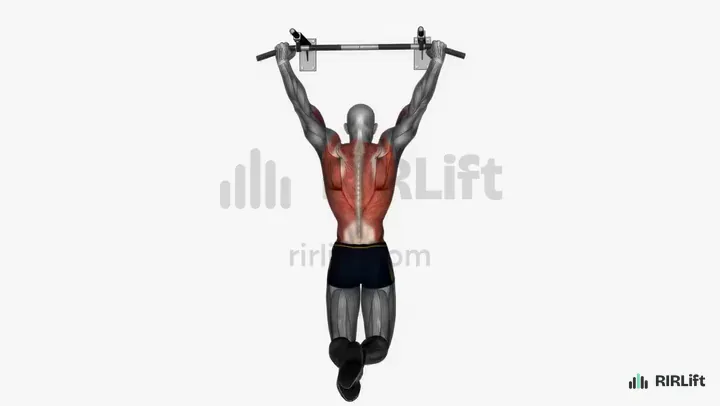
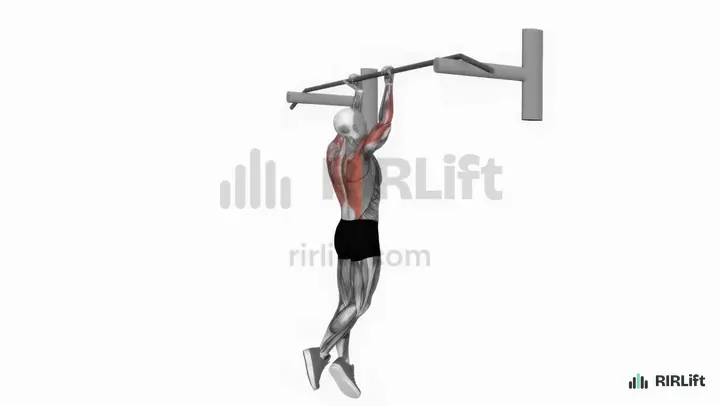
- Pull-Up Lats
- Chin-Up Lats
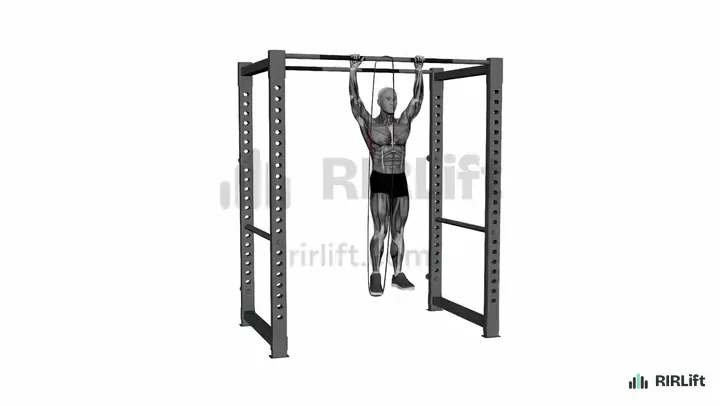
- Band-Assisted Pull-Up Lats
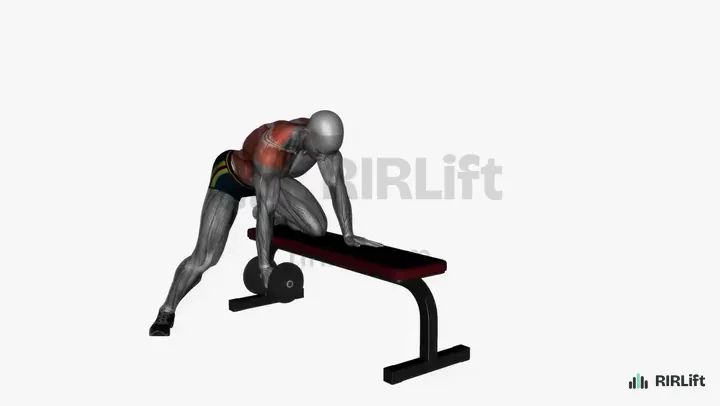
- One-Arm Dumbbell Row Lats, Upper Back
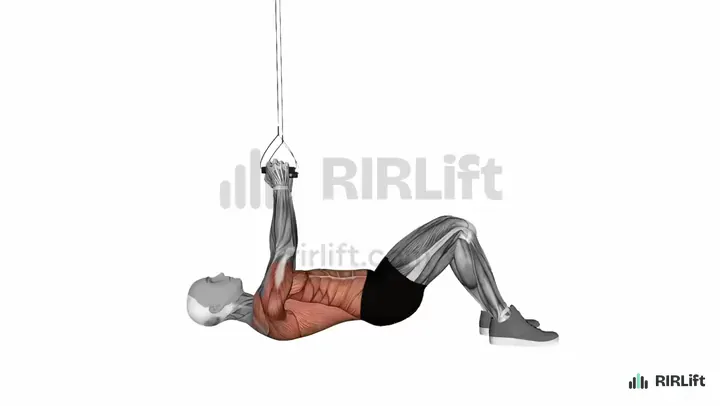
- TRX Row Upper Back, Lats
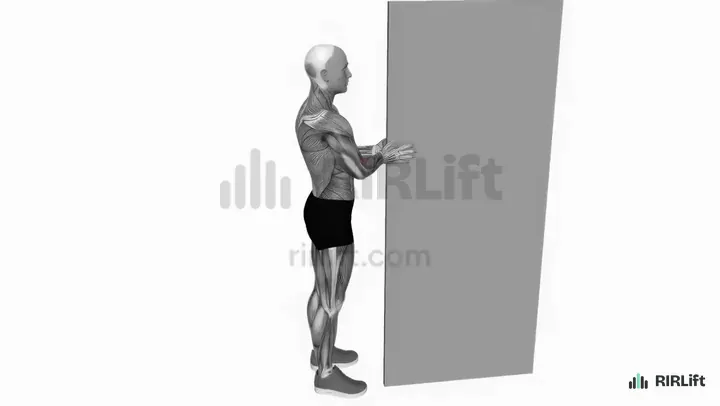
- Bodyweight Bicep Curl Biceps
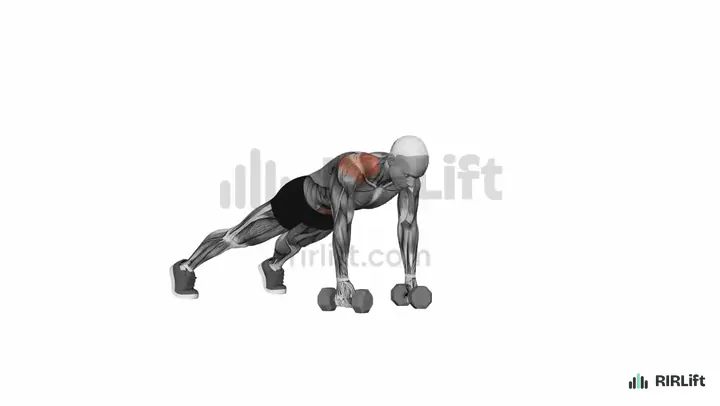
- Plank IYTW Abs, Upper Back
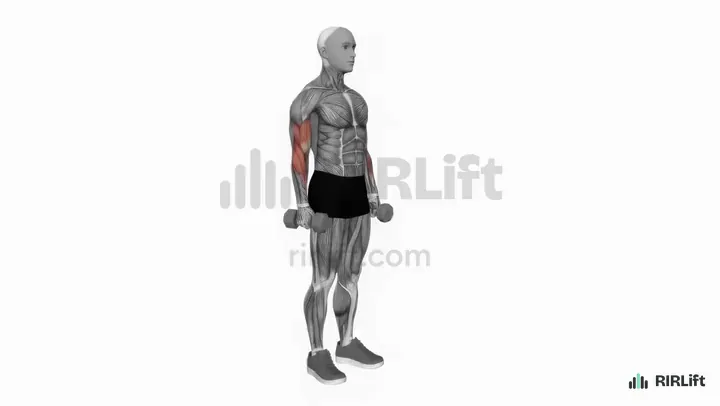
- Hammer Curl Biceps, Forearms
Put them together: example sessions
Each session below picks from the exercises above for one situation, with the sets, reps, rest and RIR filled in.
-
Session 1
Pull day with nothing but a door frame
You have no bar and no weights, and your training so far has been push-ups and squats.
2× a week · 20 sets a week · ~20 min
-
Session 2
Doorway bar and a band, working toward pull-ups
You have a doorway pull-up bar and a loop band, and you can do anywhere from zero to a few pull-ups.
2× a week · 21 sets a week · ~25 min
-
Session 3
Dumbbells, no bar, push-pull-legs at home
You train a push, pull and legs split at home with adjustable dumbbells or a few pairs, and no place to hang a bar.
2× a week · 26 sets a week · ~35 min
Session 1
Pull day with nothing but a door frame
- Workouts2× a week
- Working sets20 a week
- Per workout~20 min
- EquipmentBodyweight
You have no bar and no weights, and your training so far has been push-ups and squats.
Three exercises at 3 to 4 sets give the back and biceps about 10 hard sets per session. Doing it twice a week reaches the 10 to 20 weekly sets that build back muscle, even with lighter loads, as long as sets end close to failure.
| Exercise | Sets × reps | RIR | Rest |
|---|---|---|---|
| Bodyweight Bicep Curl | 4 × 8–15 | 1 | 75 s |
| Plank IYTWPer arm. | 3 × 6–10 | 2 | 1 min |
| SupermanHold 2 s at the top. | 3 × 10–15 | 1 | 1 min |
- How to run it
- Do it twice a week, on days after your push training or at the start of a full body session. About 20 minutes.
- How to progress
- Use double progression: add reps until every set reaches the top of the range at the target reps in reserve, then make the rep harder by moving your feet closer to the frame or holding the top of each superman and IYTW for 2 more seconds. RIRLift sets the next target from the reps in reserve you log.
Session 2
Doorway bar and a band, working toward pull-ups
- Workouts2× a week
- Working sets21 a week
- Per workout~25 min
- EquipmentPull-Up Bar, Resistance Bands
You have a doorway pull-up bar and a loop band, and you can do anywhere from zero to a few pull-ups.
Two pull days with different grips give the lats about 8 to 10 hard sets a week from vertical pulls, with band-assisted sets adding volume you cannot yet get from full reps. Stopping 1 to 2 reps short keeps form clean and progress steady.
| Exercise | Sets × reps | RIR | Rest |
|---|---|---|---|
| Pull-UpUse the band if you get fewer than 3. | 4 × 3–8 | 2 | 2:30 min |
| Band-Assisted Pull-Up | 2 × 8–12 | 1 | 2 min |
| Band Pull-Apart | 3 × 15–20 | 1 | 1 min |
| Dead HangSeconds per hang. | 2 × 20–45 | 1 | 90 s |
| Exercise | Sets × reps | RIR | Rest |
|---|---|---|---|
| Chin-Up | 4 × 4–8 | 2 | 2:30 min |
| Bodyweight Bicep Curl | 3 × 8–12 | 1 | 75 s |
| Plank IYTWPer arm. | 3 × 6–10 | 2 | 1 min |
- How to run it
- Train Pull A and Pull B in the same week with at least two days between them. Each takes about 30 minutes.
- How to progress
- On pull-ups and chin-ups, add a rep to one set each week. Once you get 3 sets of 8 with 1 to 2 reps in reserve, switch the band-assisted sets to a lighter band. Dead hangs progress by 5 seconds per set.
Session 3
Dumbbells, no bar, push-pull-legs at home
- Workouts2× a week
- Working sets26 a week
- Per workout~35 min
- EquipmentDumbbells
You train a push, pull and legs split at home with adjustable dumbbells or a few pairs, and no place to hang a bar.
Rows replace pull-ups here, so two row variations carry most of the back work: about 7 hard sets for the lats and mid back, 3 for the rear shoulders and 3 for the biceps per session. Run it twice a week and the back gets 14 or more sets.
| Exercise | Sets × reps | RIR | Rest |
|---|---|---|---|
| One-Arm Dumbbell Row2 warm-up sets firstPer arm. Hand on a chair seat. | 4 × 8–12 | 2 | 90 s |
| Dumbbell Bent-Over Row | 3 × 8–12 | 2 | 2 min |
| Dumbbell Rear Delt RowPer arm. | 3 × 12–15 | 1 | 1 min |
| Hammer Curl | 3 × 8–12 | 1 | 75 s |
- How to run it
- Run it as the pull day of a push, pull, legs week, once or twice. About 40 minutes.
- How to progress
- When every set hits the top of the rep range at the target reps in reserve, move up to the next dumbbell. Keep the reps in reserve honest on rows, where it is easy to swing the weight up.
Make it fit you
-
Suspension straps instead of a bar
Swap pull-ups for suspension rows with your feet walked forward, and chin-ups for doorway curls. Rows on straps scale from easy to very hard just by your body angle.
-
Building to your first pull-up
Do the bar-and-band plan, and add a slow 5-second lowering from the top of the bar for 3 reps at the end of Pull A. Lowering strength comes before pulling strength.
-
Push and pull on the same day
That works well at home. Alternate a push and a pull exercise as a pair, for example push-ups with rows, and rest after each pair.
-
Log reps in reserve
Log each set and the reps you had left in RIRLift. It uses that number to set the next session's weight or reps, so you know when to take a lighter band or a heavier dumbbell.
-
Elbows that ache on chin-ups
Use a neutral or overhand grip, or switch to rows for a few weeks. Hammer curls are usually easier on the elbows than underhand curls.
Questions
What are all the pull workouts?
Pull exercises are anything where you pull a weight toward you or yourself toward something: vertical pulls like pull-ups and chin-ups, rows with dumbbells, straps or a door frame, rear shoulder exercises like pull-aparts, and biceps curls.
How do I do homemade pull-ups?
Without a bar, the closest option is a doorway curl or a row under a sturdy table. A doorway pull-up bar is inexpensive and opens real pull-ups and chin-ups, plus band-assisted versions until you can do a full rep.
Can I do push and pull on the same day?
Yes. Pairing a push with a pull, like push-ups and rows, saves time because one muscle group rests while the other works. Keep each pair to about 3 sets.
What is the 3-3-3 rule for gym workouts?
One common version is 3 exercises for 3 sets, 3 days a week. For a home pull day, that could be pull-ups, one-arm rows and hammer curls, with each set stopped 1 to 3 reps short of failure.
What are the best pull exercises at home without equipment?
Doorway curls, supermans and plank IYTWs. They train the biceps, upper back and lower back with only a door frame and the floor, and they get hard when you slow the reps and hold the top.
Related templates
-
Pull exercises with dumbbells: a complete dumbbell pull day
More dumbbell rows and curls for a fuller pull day.
-
Lat exercises at home: with a bar, dumbbells, a kettlebell or a band
Back-width plans for a bar, band or dumbbells.
-
Pull-up bar exercises for back, arms, grip and abs, with plans for your first rep to your first muscle-up
Everything else to do on a doorway bar.
-
Upper body exercises without equipment: push, press and pull with only the floor and a door
The push half of a no-equipment upper body day.
-
Push pull legs split
How to place a pull day in your week.