
Weight-bearing exercises for osteoporosis: walking, squats, steps and lifts
Published October 29, 2026
The best weight-bearing exercises for osteoporosis combine time on your feet with lifting: brisk walking or a stair machine on most days, plus goblet squats, step-ups, calf raises, the kettlebell deadlift with a flat back, back extensions lying face down, rows, wall or counter push-ups, a seated shoulder press and the farmer's walk, 2 or 3 days a week. Bone responds to load it is not used to, so start light, keep your spine long instead of rounding forward, and add weight steadily until sets of 8 to 12 feel hard.
- Brisk Walk Quads, Hamstrings, Glutes, Calves
- Goblet Squat Quads, Glutes
- Step-Up Quads, Glutes
- Kettlebell Deadlift Glutes, Hamstrings, Lower Back
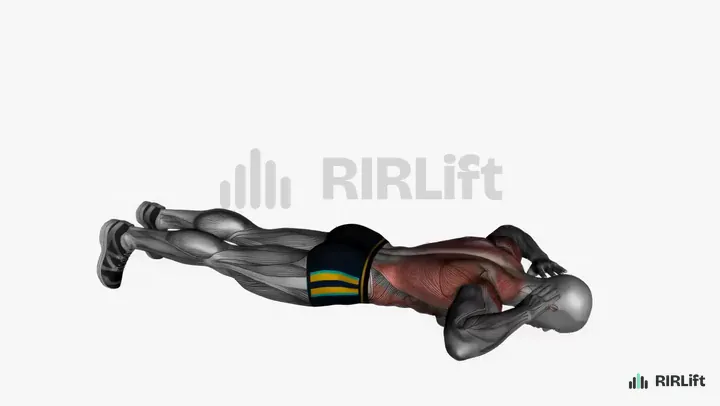
- Back Extension Lower Back
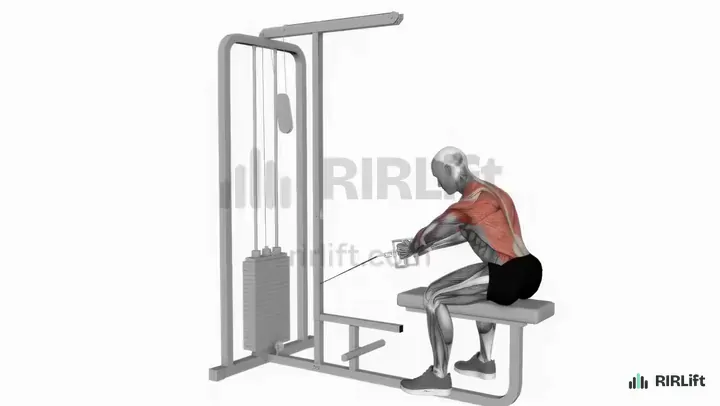
- Seated Cable Row Upper Back, Lats
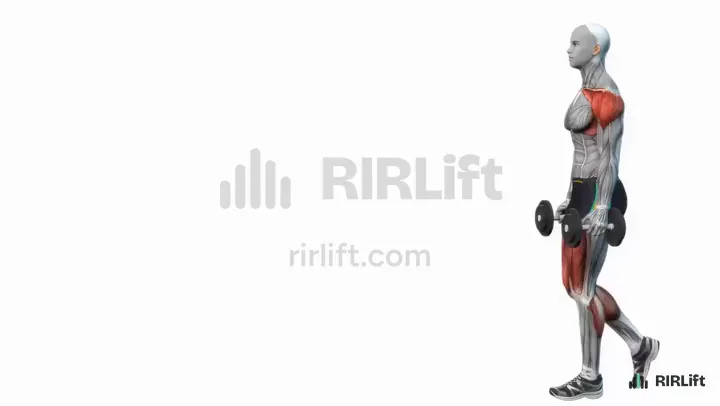
- Farmer's Walk Forearms, Traps, Shoulders
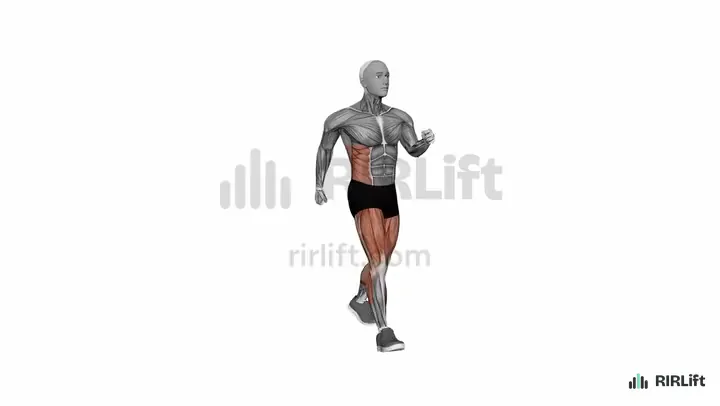
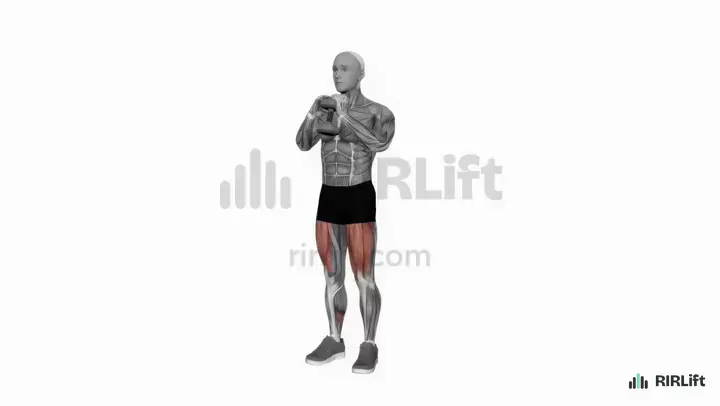
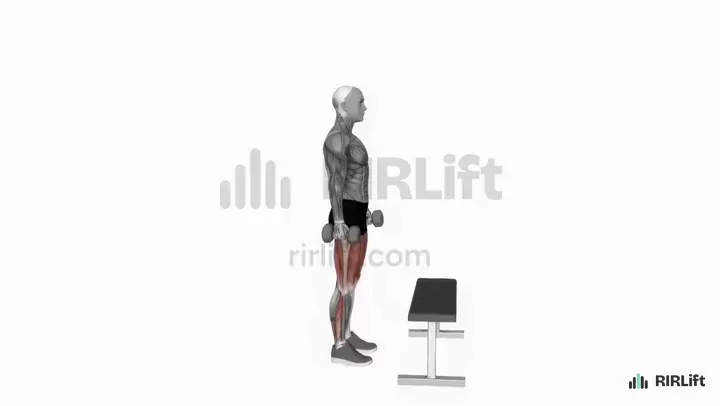
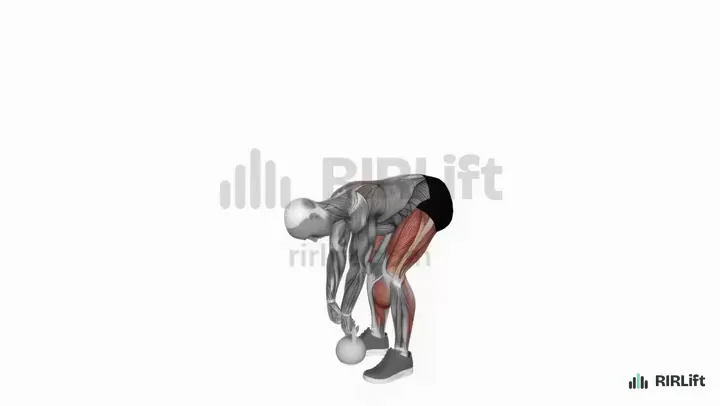
Put them together: example sessions
Each session below picks from the exercises above for one situation, with the sets, reps, rest and RIR filled in.
-
Session 1
Starting at home after a bone density scan
Your bone density scan came back low, you have a pair of light dumbbells, a chair and a stair at home, and you want to start loading your bones now.
2× a week · 22 sets a week · ~25 min
-
Session 2
A gym, ready to lift heavier
You have trained for a while or finished the home plan, you go to a gym twice a week, and you want the loads on your hips and spine to keep rising.
2× a week · 22 sets a week · ~30 min
-
Session 3
Worried about balance or falling
Your bones are the reason you are training, but you also feel less steady than you used to, and you want every exercise to have something to hold on to.
3× a week · 27 sets a week · ~20 min
Session 1
Starting at home after a bone density scan
- Workouts2× a week
- Working sets22 a week
- Per workout~25 min
- EquipmentDumbbells, Flat Bench, Hyperextension
Your bone density scan came back low, you have a pair of light dumbbells, a chair and a stair at home, and you want to start loading your bones now.
One strength routine twice a week, 6 exercises and 11 sets, plus walking on most days. Every set stops at 3 reps in reserve for the first month, because your joints and muscles need time to adjust before the loads go up. The routine hits the hips, spine and wrists in every session.
| Exercise | Sets × reps | RIR | Rest |
|---|---|---|---|
| Brisk Walk10 minutes, warm-up pace that raises your breathing. | 1 × 1 | 3 | 1 min |
| Goblet Squat1 warm-up set firstSquat to a chair seat, chest up. | 2 × 8–12 | 3 | 90 s |
| Step-UpPer leg. Bottom stair, hand on the rail. | 2 × 8–12 | 3 | 90 s |
| Back ExtensionLift the chest a few inches only. | 2 × 8–12 | 3 | 1 min |
| Incline Push-UpHands on the kitchen counter. | 2 × 8–12 | 3 | 90 s |
| Dumbbell Standing Calf RaiseOn a stair, holding the rail. | 2 × 10–15 | 3 | 1 min |
- How to run it
- Do the routine twice a week, for example Tuesday and Friday. Walk briskly for 30 minutes on most other days; the 10-minute walk in the routine is your warm-up.
- How to progress
- For the first 4 weeks add reps only. After that, when every set reaches the top of its range, add the next dumbbell size and drop to 2 reps in reserve. Bone responds to loads that rise over time, so keep adding a little.
Session 2
A gym, ready to lift heavier
- Workouts2× a week
- Working sets22 a week
- Per workout~30 min
- EquipmentLeg Press, Cable Row, Dumbbells, Stair Climber +2
You have trained for a while or finished the home plan, you go to a gym twice a week, and you want the loads on your hips and spine to keep rising.
Two sessions with 11 sets each, built around the leg press and kettlebell deadlift for the hips and the row and press for the upper body. Reps drop to 6 to 10 at 2 reps in reserve, because heavier loads place more strain on bone than many light reps do. The stair machine adds weight-bearing cardio at the end.
| Exercise | Sets × reps | RIR | Rest |
|---|---|---|---|
| Leg PressBack flat on the pad. | 3 × 6–10 | 2 | 2:30 min |
| Seated Cable RowSit tall, squeeze the shoulder blades. | 3 × 8–10 | 2 | 2 min |
| Dumbbell Shoulder PressSeated against an upright bench. | 2 × 8–10 | 2 | 2 min |
| Dumbbell Standing Calf RaiseOn a step beside a rail. | 2 × 10–15 | 2 | 1 min |
| Stair Climber10 minutes at a pace you can still talk in. | 1 × 1 | 3 | 1 min |
| Exercise | Sets × reps | RIR | Rest |
|---|---|---|---|
| Kettlebell Deadlift2 warm-up sets firstPer arm. Hips back, back flat. Stop where your back is still flat. | 3 × 6–10 | 2 | 2:30 min |
| Goblet SquatBench behind you as a depth target. | 3 × 8–10 | 2 | 2 min |
| Back ExtensionPause 2 s at the top. | 2 × 10–12 | 2 | 1 min |
| Farmer's WalkWalk 30 meters, heavy enough that grip is the limit. | 3 × 1 | 2 | 2 min |
- How to run it
- Day A and Day B on two non-consecutive days. Warm up with 5 minutes of walking and a light set of the first lift.
- How to progress
- Double progression: when every set reaches 10 reps at 2 reps in reserve, add the smallest weight step and work back up from 6. Expect to add weight every one to two weeks in the first months.
Session 3
Worried about balance or falling
- Workouts3× a week
- Working sets27 a week
- Per workout~20 min
- EquipmentDumbbells, Flat Bench, Hyperextension
Your bones are the reason you are training, but you also feel less steady than you used to, and you want every exercise to have something to hold on to.
Five exercises that load the legs, spine and wrists with support in reach at all times: step-ups and calf raises holding a rail, back extensions lying down, and counter push-ups. Nine sets per session, 3 times a week, at 3 reps in reserve, because practicing standing exercises often builds steadiness alongside strength.
| Exercise | Sets × reps | RIR | Rest |
|---|---|---|---|
| Brisk Walk10 minutes indoors or on a flat path. | 1 × 1 | 3 | 1 min |
| Step-UpPer leg. Low step, both hands on the rail if needed. | 2 × 6–10 | 3 | 90 s |
| Dumbbell Standing Calf RaiseBodyweight first, holding the rail. | 2 × 10–15 | 3 | 1 min |
| Back ExtensionLift the chest a few inches. | 2 × 8–12 | 3 | 1 min |
| Incline Push-UpHands on a counter. | 2 × 8–12 | 3 | 90 s |
- How to run it
- Do it three times a week, for example Monday, Wednesday and Friday, with a short walk on the same days. Stand beside a counter or rail for every standing exercise.
- How to progress
- Add reps each week. When step-ups reach 12 per leg, hold one light dumbbell in the free hand. When you feel steady, add the goblet squat from the home plan.
Make it fit you
-
You can only lift at home
Use a dumbbell at your side in place of the kettlebell for the deadlift, and replace the cable row with a one-arm dumbbell row with your hand on a chair seat. A heavier pair of dumbbells for squats and carries is the most useful thing to buy next.
-
You already walk every day
Keep walking and add the strength routine twice a week; walking alone loads the legs but barely touches the spine, wrists and upper body. Add hills or a few minutes of stair climbing to make walks count for more.
-
Your back is sensitive
Start with the leg press, back extension and seated row, where your back is supported or unloaded. Add the deadlift with a light kettlebell once the back extension feels easy for 12 reps.
-
You want to load the wrists more
Lower the surface for push-ups over time, and add farmer's walks. Both put weight through the forearm and wrist, which walking and leg exercises do not.
-
Keep a record of your loads
Bone responds to loads that rise over months, so write down weights and how many reps you had left. If you log in RIRLift, it uses those reps in reserve to suggest the next weight, so the load keeps creeping up.
Questions
What are 5 exercises that increase bone density?
Squats, deadlifts with a flat back, step-ups, overhead presses and loaded carries, done with weights that make 8 to 12 reps hard. Add brisk walking or stair climbing on most days.
What are the best exercises for people with osteoporosis?
Weight-bearing cardio such as brisk walking and stair climbing, plus strength exercises that keep your spine long: goblet squats, step-ups, calf raises, the kettlebell deadlift, lying back extensions, rows, counter push-ups and the farmer's walk. Train strength 2 or 3 days a week.
Which exercises should you avoid with osteoporosis?
Exercises that round your spine forward under load or twist it hard, such as sit-ups, crunches, toe touches and heavy twisting. High-impact jumping is often avoided once a bone has broken. The exercises on this page keep your spine long and are scaled by load, not by bending further.
Is walking a weight-bearing exercise for osteoporosis?
Yes. Walking loads your legs, hips and spine with your body weight. It is a good base but a light load, and it does not reach your wrists or upper body, so pair it with strength training twice a week.
How fast can strength training increase bone density?
Slowly. Bone changes over months, not weeks, so give it 6 to 12 months of training 2 or 3 times a week before you judge it. Muscle strength rises much sooner, usually within the first month.
Related templates
-
Strength training for bone density: heavy, simple lifts done twice a week
Heavier barbell and machine lifts for building bone before or alongside osteopenia.
-
Strength training for perimenopause: heavier, simpler, 2 to 3 days
When bone loss is speeding up with menopause.
-
Standing exercises for seniors: full-body strength with no floor work
More weight-bearing options with no floor work.
-
The best workout for seniors: strength, power and balance
Full weekly programs for older adults.
-
Progressive overload workout plan
How to keep loads rising over months, which bone needs.