
Exercises for stability: core, carries, one-leg balance and shoulders
Published October 29, 2026
Stability is holding your body steady while something tries to move it. The best exercises for stability are the plank, side plank, dead bug, Pallof press and plank shoulder tap for the core; suitcase and overhead carries for walking under load; single-leg RDLs, step-ups and balance board squats for one-leg balance; and Turkish get-ups and bottoms-up presses for steady shoulders. Do two or three of them two or three times a week, and progress by adding load, time or less support every few weeks.
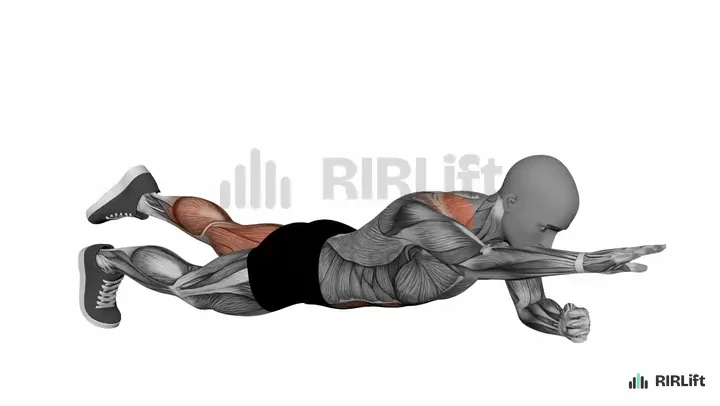
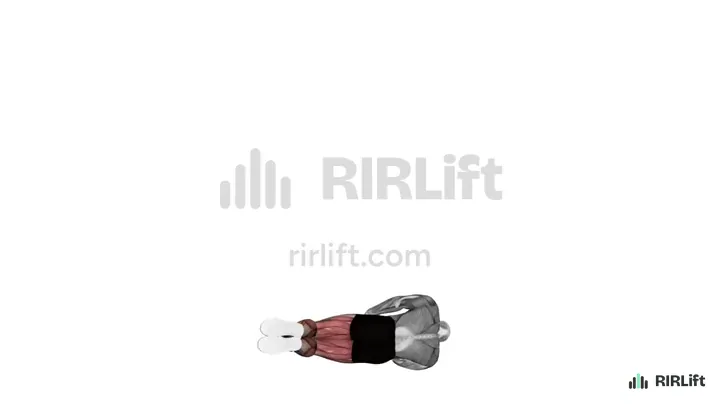
- Plank Abs
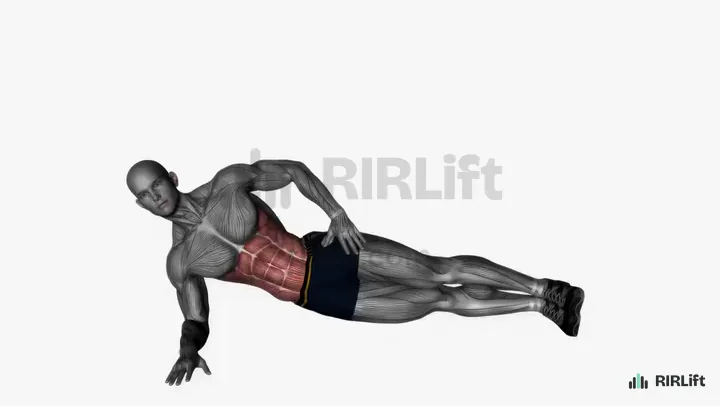
- Side Plank Abs
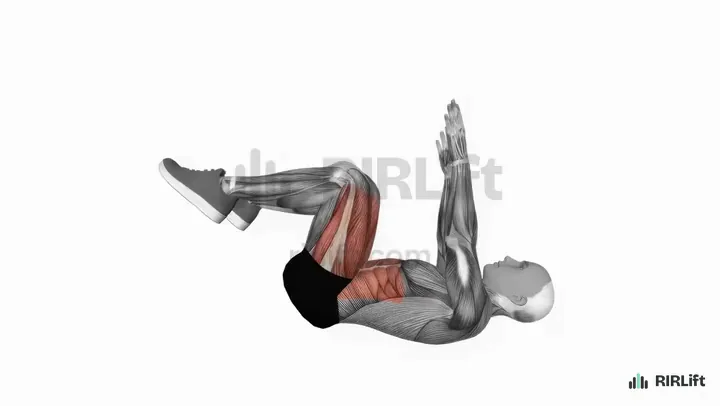
- Dead Bug Abs
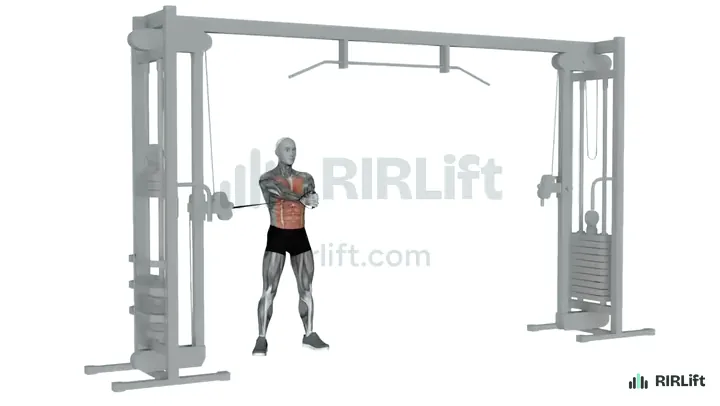
- Pallof Press Abs
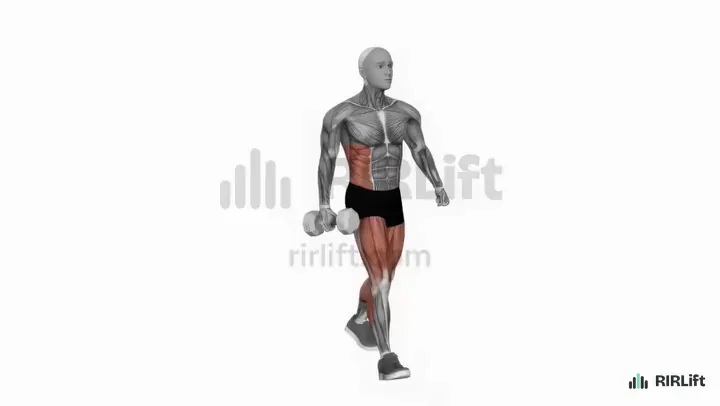
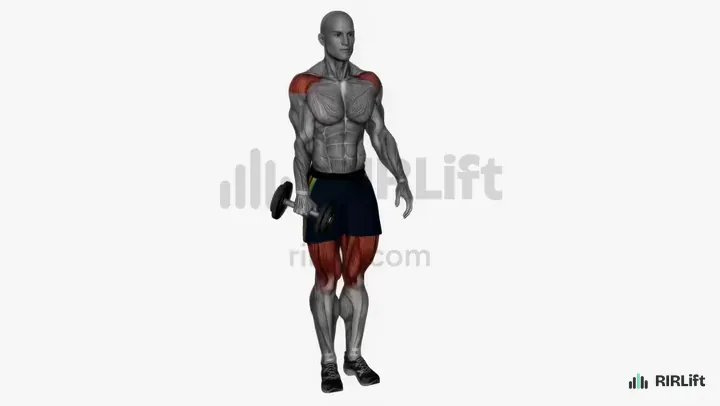
- Dumbbell Suitcase Carry Abs, Quads
- Single-Leg RDL Hamstrings, Glutes
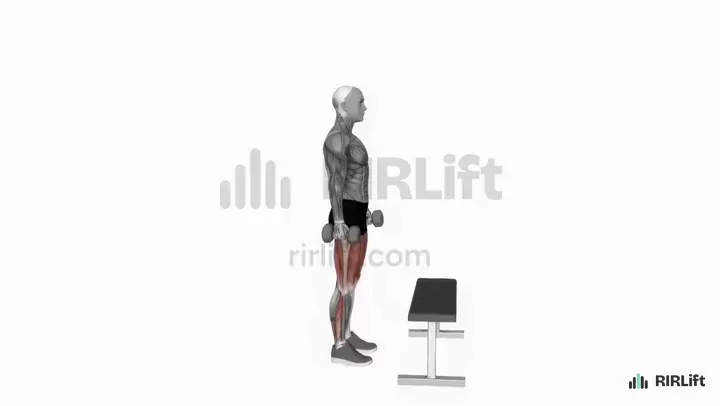
- Step-Up Quads, Glutes
- Kettlebell Turkish Get-Up Shoulders, Abs
Put them together: example sessions
Each session below picks from the exercises above for one situation, with the sets, reps, rest and RIR filled in.
-
Session 1
Lifters adding stability work
You already lift in a gym, and your balance on one-leg exercises, your trunk on heavy lifts or your shoulder overhead feels like the weak link.
2× a week · 30 sets a week · ~40 min
-
Session 2
Beginner at home, no equipment
You are new to exercise or coming back to it, you train at home, and you want a stronger core and steadier legs.
3× a week · 39 sets a week · ~30 min
-
Session 3
Over 60 and want to feel steadier
You are 60 or older, you want to feel steady on stairs, uneven ground and when carrying shopping, and you can get down to and up from the floor.
2× a week · 24 sets a week · ~30 min
Session 1
Lifters adding stability work
- Workouts2× a week
- Working sets30 a week
- Per workout~40 min
- EquipmentAdjustable Cable, Dumbbells, Kettlebells
You already lift in a gym, and your balance on one-leg exercises, your trunk on heavy lifts or your shoulder overhead feels like the weak link.
One short block of 15 sets, about 25 minutes, covers anti-rotation, a one-sided carry, one-leg balance, a shoulder stability exercise and a side hold. Twice a week adds stability without taking recovery from your main lifts.
| Exercise | Sets × reps | RIR | Rest |
|---|---|---|---|
| Pallof PressPer side. Two-second hold at full reach. | 3 × 8–12 | 2 | 1 min |
| Dumbbell Suitcase CarrySeconds per side. | 3 × 30–45 | 2 | 1 min |
| Single-Leg RDLPer leg. | 3 × 8–10 | 2 | 75 s |
| Kettlebell Turkish Get-UpPer side. Slow. | 3 × 1–2 | 3 | 75 s |
| Side PlankSeconds per side. | 3 × 20–45 | 2 | 45 s |
- How to run it
- Add it at the end of two of your regular sessions, or do it on its own on lighter days. Keep a day between the two sessions.
- How to progress
- Add weight to the carry and RDL when every set feels steady at the top of the range. For the get-up, slow down before going heavier. Add 5 seconds to the side plank each week up to 45 seconds, then raise the top leg.
Session 2
Beginner at home, no equipment
- Workouts3× a week
- Working sets39 a week
- Per workout~30 min
- EquipmentDumbbells, Flat Bench
You are new to exercise or coming back to it, you train at home, and you want a stronger core and steadier legs.
Five bodyweight exercises, 13 sets and about 20 minutes cover the core from three directions and both legs on their own. Three short sessions a week let you practice the positions often.
| Exercise | Sets × reps | RIR | Rest |
|---|---|---|---|
| Dead BugPer side. | 3 × 6–10 | 3 | 45 s |
| PlankSeconds per hold. | 3 × 20–45 | 2 | 45 s |
| Step-UpPer leg. Body weight on a stair. | 3 × 8–12 | 3 | 1 min |
| Single-Leg RDLPer leg. Fingertips on a wall. | 2 × 6–10 | 3 | 1 min |
| Side PlankSeconds per side. Knees down to start. | 2 × 15–30 | 2 | 45 s |
- How to run it
- Train on three days with a rest day after each, such as Monday, Wednesday and Friday. Use a stair at home for the step-ups and a wall nearby for the single-leg RDL.
- How to progress
- Every two weeks, make one exercise a little harder: longer holds, more reps, a higher step, or less support on the RDL. Once the plank reaches 60 seconds, switch to shoulder taps instead of holding longer.
Session 3
Over 60 and want to feel steadier
- Workouts2× a week
- Working sets24 a week
- Per workout~30 min
- EquipmentDumbbells, Flat Bench
You are 60 or older, you want to feel steady on stairs, uneven ground and when carrying shopping, and you can get down to and up from the floor.
Every exercise here is something daily life asks of you: stepping up, carrying on one side, balancing on one leg, and keeping the trunk steady. Twelve sets, about 25 minutes, done twice a week, builds the strength behind each one.
| Exercise | Sets × reps | RIR | Rest |
|---|---|---|---|
| Step-UpPer leg. Low step, hand on a rail. | 3 × 6–10 | 3 | 75 s |
| Dumbbell Suitcase CarrySeconds per side. | 3 × 20–40 | 3 | 75 s |
| Single-Leg RDLPer leg. Hold a counter. | 3 × 5–8 | 3 | 1 min |
| Dead BugPer side. | 3 × 5–8 | 3 | 45 s |
- How to run it
- Two sessions a week with a rest day between them. Do the step-ups and single-leg RDL next to a counter or rail you can hold, and use a light dumbbell or a full shopping bag for the carry.
- How to progress
- Add one rep per set each week until you reach the top of the range. Then raise the step an inch, carry a little more weight, or use one fingertip instead of a full hand for balance.
Make it fit you
-
Progress by removing support
Stability exercises progress differently from strength lifts. Before adding weight, take away help: a hand on the wall becomes a fingertip, then nothing; a wide stance narrows; a quick rep becomes a slow one.
-
Athletes
Use the gym block, swap the side plank for plank shoulder taps and add the balance board squat once single-leg RDLs feel easy. Put it at the end of a lifting day, not before heavy lifts.
-
Wrists that dislike planks
Hold the plank on your forearms, replace shoulder taps with dead bugs, and use the Pallof press as your main core exercise.
-
Log holds and carries
Log holds and carries in seconds and lifts in reps, with the reps you had left. RIRLift sets the next session's weight from the reps in reserve you log, so the carries and RDLs get heavier as they get steadier.
Questions
What are the big 3 core stability exercises?
The big 3 usually means the curl-up, the side plank and the bird dog. On this page the side plank, dead bug and Pallof press fill the same three roles: resisting bending sideways, holding the spine still while the limbs move, and resisting twisting.
What are good stability exercises for seniors?
Step-ups to a low step, single-leg RDLs holding a counter, suitcase carries with a light weight and dead bugs. They train the strength for stairs, standing on one leg and carrying, and each can be made easier or harder with support.
How can I be more stable while walking?
Train the leg and hip strength you use in every step: step-ups and single-leg RDLs for one-leg balance, and suitcase carries for walking level under load. Walk often, including on grass, gravel and slopes.
What is the difference between balance and stability exercises?
Balance exercises train you to keep your center over your feet, often on one leg. Stability exercises train you to resist movement, such as a twist, a push or a weight pulling you sideways. Most good programs mix both.
How often should you do stability exercises?
Two or three times a week. The sessions are short, so they can go at the end of a workout or stand on their own. Progress every few weeks by adding time, load or less support.
Related templates
-
Exercises for core strength, from first dead bug to ab wheel
Core strength work to pair with stability holds.
-
Single leg exercises: split squats, one-leg squats, hinges and lateral work
More one-leg strength for balance and control.
-
Isometric core exercises: planks, side holds and anti-rotation work
More planks and holds to rotate into the plans.
-
Standing exercises for seniors: full-body strength with no floor work
Standing strength and balance work for older adults.
-
Pallof press: how to do it, what it trains, and what to do instead
Setup and variations for the main anti-rotation exercise.